
Whisky · Explainer
What is a whisky cask investment?
With a whisky cask investment, you buy a whole cask or a share of a cask of young whisky. The whisky stays in a bonded warehouse and you receive a delivery order or warehouse receipt as proof. You pay storage and insurance every year and lose roughly 2 percent of the contents per year through evaporation. On removal, excise duty and VAT are payable. In the United Kingdom, this falls outside financial supervision.
In brief
The key figures
| What you are buying | The whisky in a cask or a share in it, not the bonded warehouse |
|---|---|
| Proof of entitlement | Delivery order or warehouse receipt at the warehousekeeper |
| Storage and maturation | Approved bonded warehouse in Scotland, oak cask up to 700 litres, at least three years |
| Evaporation | About 2 percent of the contents per year, the angel’s share |
| Annual costs | Storage and insurance, plus costs for moving and measuring |
| Duty on release from bond | Excise duty and VAT, in the Netherlands upon release for consumption |
| Supervision | Not regulated in the United Kingdom, in the Netherlands a licence or exemption from the AFM |
| Age | NIX18: geen alcohol onder de 18 jaar |
What exactly do you buy with a whisky cask investment?
With a whisky cask investment you buy the whisky in a cask, or a share in that cask, and not the cask itself and not the building where it lies.
The provider records that claim in a delivery order or a warehouse receipt. That document goes to the warehousekeeper, who puts the cask in the buyer’s name. The Scotch Whisky Association points out that such a document identifies the cask and states, among other things, the cask type, the volume and the location of the bonded warehouse.
So you are buying a claim to liquid that sits in someone else’s premises.
Where must the whisky lie and for how long?
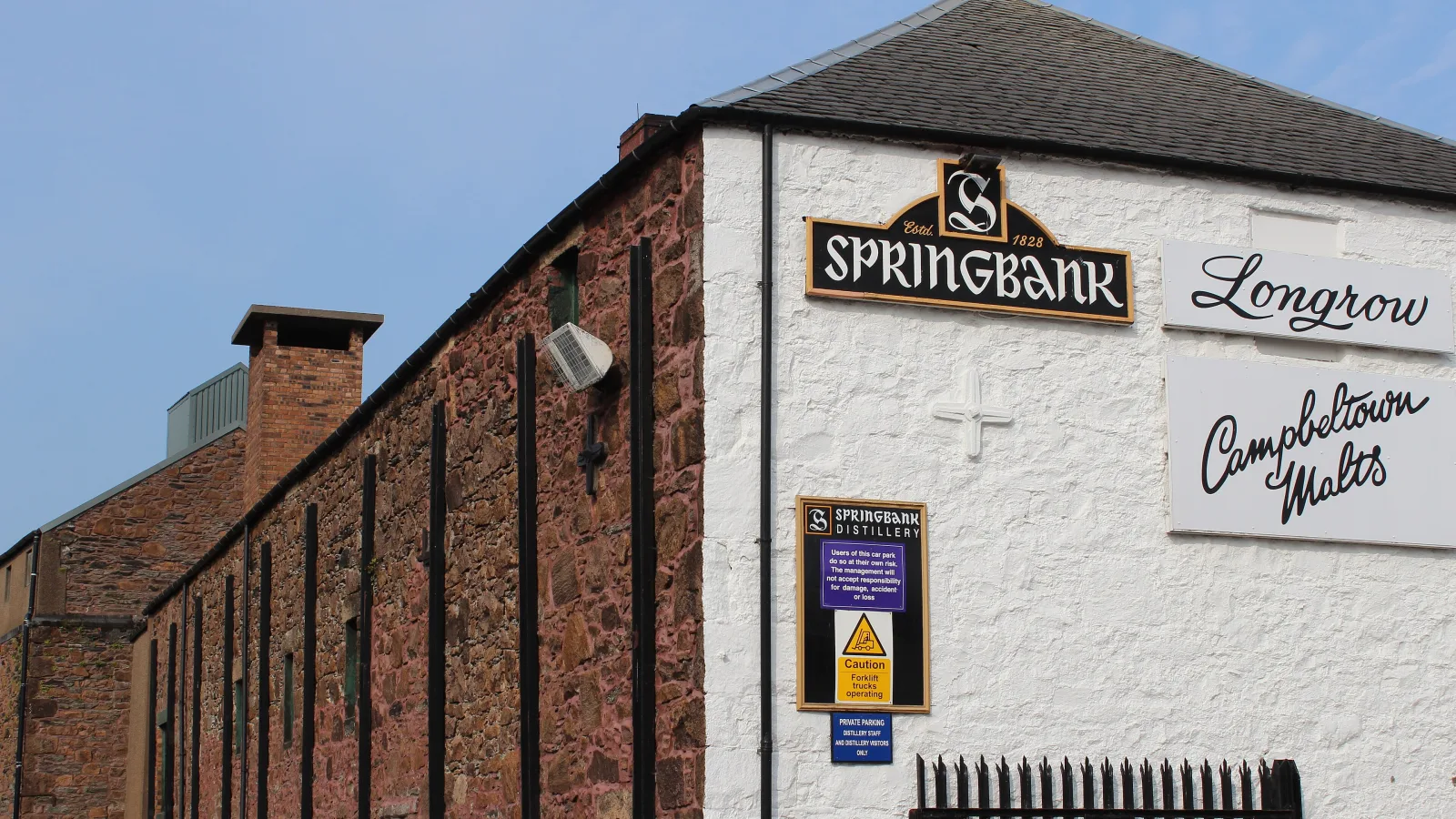
Under the Scotch Whisky Regulations 2009, Scotch whisky may only mature in Scotland, in an excise warehouse or a permitted place, in oak casks of at most 700 litres.
The same rules set maturation at no less than three years. The Scotch Whisky Association adds that this must take place in an approved bonded warehouse in Scotland and that the British tax authority supervises it.
A cask therefore does not end up at your home. The whisky stays under customs supervision in the bonded warehouse until it is taken out, and anyone who buys a cask also buys the years it remains there.
What costs and losses keep accruing every year?
A cask costs you storage and insurance every year, and according to the Scotch Whisky Association it also loses about 2 percent of its contents per year through evaporation.
That loss is called the angel’s share. The wood and the surroundings absorb moisture and alcohol, so that after ten or twenty years there is noticeably less in the cask than went in.
In addition to storage and insurance, there may be costs for moving the cask and for measuring the contents and alcohol percentage. The British Advertising Standards Authority requires that advertisements for cask investments state that costs apply and that the volume decreases over time.
When are excise duty and VAT due?
Excise duty and VAT become payable when the whisky leaves the bonded warehouse, not when you buy the cask or the share of the cask.
In the United Kingdom in 2025, according to the Scotch Whisky Association, an excise duty of 32.79 pounds per litre of pure alcohol applied, with 20 percent VAT on top.
If the whisky comes to the Netherlands, the Excise Duty Act (Wet op de accijns) applies. That act levies excise duty on other alcoholic products and treats the removal of goods from an excise duty suspension arrangement as release for consumption. From that moment the excise duty is payable and VAT is also levied.
Is a whisky cask investment under financial supervision?
No. The British Advertising Standards Authority prescribes that advertisements explicitly and clearly state that whisky cask investments are not regulated in the United Kingdom.
In the Netherlands, the AFM classes wine and whisky as investment objects. Offering, advising on or brokering them is only allowed with a licence from the AFM or under an exemption. That exemption applies, for example, to an offer to fewer than a hundred consumers, to a series of fewer than twenty investment objects, or when the investment per investment object is one hundred thousand euros or more.
The AFM also points out that for providers of investment objects there is no separation of assets: the money invested is not kept separate from the provider's money. The Scotch Whisky Association writes that casks of Scotch whisky are not a regularly traded good on an open market and that there are risks attached to them, both for the value and for the possibility of reselling.
What is the alternative in the shop?
A bottle that is already on the shelf is fully matured, bottled and settled with excise duty and VAT, and you take it home without any annual costs continuing.
In the shop on the Brink in Bathmen there are 3,897 different whiskies. Of these, 442 are eighteen years or older and 208 twenty-five years or older. If you are looking for old whisky, you can pick up those bottles and read the bottling details on the label.
’t Bockje verkoopt geen vaten of vatdelen en geeft geen financieel advies. Wat wij wel doen, is uitleggen wat er in een fles zit en waar hij vandaan komt. NIX18: geen alcohol onder de 18 jaar.
From the shop in Bathmen
Which whiskies aged 18 years and older are on the shelf?
In the shop in Bathmen there are 442 whiskies from 159 different brands from 9 countries. Prices range from € 33.49 to € 11,750.00. The alcohol percentage ranges from 20% to 63.3%.
- Aberfeldy 18 Years Old Red Wine Cask Napa Valley 43% · 70 cl · Scotland
- Aberfeldy 19 YO Sherry Cask 43% · 70 cl · Scotland
- Aberfeldy 20y 43% · 70 cl · Scotland
- Aberfeldy 25 Years Old 46% · 70 cl · Scotland
- Aberlour 18 Years Old Double Cask PX en Oloroso Sherry 43% · 70 cl · Scotland
- Adelphi Glen Elgin 20 Years Old 53.1% · 70 cl · Scotland
- Adelphi Glover 4th Edition 18 Years Old Release 2017 49.2% · 70 cl · Scotland
- Adelphi Glover Edition 18 Years Old Release 2016 48.6% · 70 cl · Scotland
- Adelphi Mortlach 1989 33 Years Old 48% · 70 cl · Scotland
- Adelphi Selection Knockdhu 18 Years Old 2007 #13818 56.2% · 70 cl · Scotland
Related questions
What is a worm tub in whisky?What is English whisky?What is French whisky?
Short answer
Short answers to related questions
- Is a whisky cask investment the same as buying a bottle of whisky?
- No. With a cask you buy whisky that still has to mature and stays in a bonded warehouse. A bottle in the shop has already matured, been bottled and had excise duty and VAT paid.
- What is a delivery order?
- A document by which seller and buyer inform the warehousekeeper that the cask will be in the buyer's name. It is proof of entitlement to the whisky in that cask.
- What is the angel's share?
- The whisky that evaporates during maturation. According to the Scotch Whisky Association, about 2 percent of the contents per year.
- May a cask of whisky mature outside Scotland?
- Not if it is to remain Scotch whisky. The Scotch Whisky Regulations 2009 prescribe that maturation takes place only in Scotland, in an excise warehouse or a permitted place.
- Does ’t Bockje sell casks or cask shares?
- No. The shop on the Brink in Bathmen stocks 3,897 different whiskies in bottles. We do not give financial advice.
The reasoning
Sources
- Personal Investment in a Scotch Whisky Cask, Scotch Whisky Association (accessed 2026-10-05)
- Enforcement Notice: Advertising of Whisky Cask Investments, Committee of Advertising Practice and Advertising Standards Authority (accessed 5 October 2026)
- Waar moet je opletten bij beleggen in objecten?, Autoriteit Financiele Markten (accessed 2026-10-05)
- The Scotch Whisky Regulations 2009, regulation 3, legislation.gov.uk (accessed 5 October 2026)
- Wet op de accijns, Overheid.nl, wetten.overheid.nl (accessed 2026-10-05)
This page was written and checked by ’t Bockje Bathmen, wine & spirits shop at the Brink 2 in Bathmen. Last updated on 5 October 2026.
Verkoop van alcohol onder de 18 jaar is verboden. NIX18.