
Whisky · Explainer
How do you read a whisky label?
On a bottle of Scotch, 3 things are mandatory: the legal category, the alcohol percentage and the contents. Age, year of distillation, distillery name and region name are voluntary, but as soon as they are there, strict rules apply. A stated age is always that of the youngest whisky in the bottle, in whole years, and the maturation lasts at least 3 years.
In brief
The key figures
| Required: category | One of the five, on the front of the bottle |
|---|---|
| Mandatory: alcohol percentage | Mandatory on the label above 1.2 percent alcohol |
| Mandatory: contents | Net quantity in litres, centilitres or millilitres |
| Voluntary: age | Only in whole years, and always the age of the youngest whisky |
| Voluntary: year of distillation | Only if all the whisky comes from that one calendar year |
| Voluntary: distillery name | As a brand name only if the whisky has been distilled entirely there |
| Voluntary: region name | Highland, Lowland, Speyside, Islay or Campbeltown |
| Prominence | The category must be clearly visible, legible and indelible |
What must be stated on a whisky bottle by law?
The legal category, the alcohol percentage and the net contents are mandatory. The category should be on the front of the bottle.
The category is one of five: Single Malt, Single Grain, Blended Malt, Blended Grain or Blended Scotch Whisky. It must be as prominent as any other description of the whisky, with the exception of the brand name, the distillation year, the bottling year and the age. Text or image may not run through it. The alcohol percentage and the content are mandatory for every drink with more than 1.2 percent alcohol.
What does the age on the label mean?
An age on the bottle is the age of the youngest whisky in it, expressed in whole years and as a single number. Older material does not count.
If a blend says 12 years, every drop in that bottle has matured for at least twelve years; there may be much older whisky in it. Without an age statement, all you know is that everything has matured for at least three years. A bottle also may not carry a number that could cause confusion about whether it refers to the age, the maturation period or the year of distillation.
When may a distillation year appear on the bottle?
A distillation year is only allowed if all the whisky in the bottle comes from that one calendar year. In addition, a second time indication must appear in the same field of view.
That second indication is the bottling year, the maturation period or the age. That way you can work out for yourself how long the whisky has been in cask. A vintage without one of those three is therefore not permitted. Do not confuse the distillation year with the bottling year: for a bottle from 2004 that was bottled in 2020, it concerns sixteen years of maturation.
When may a distillery name be used?
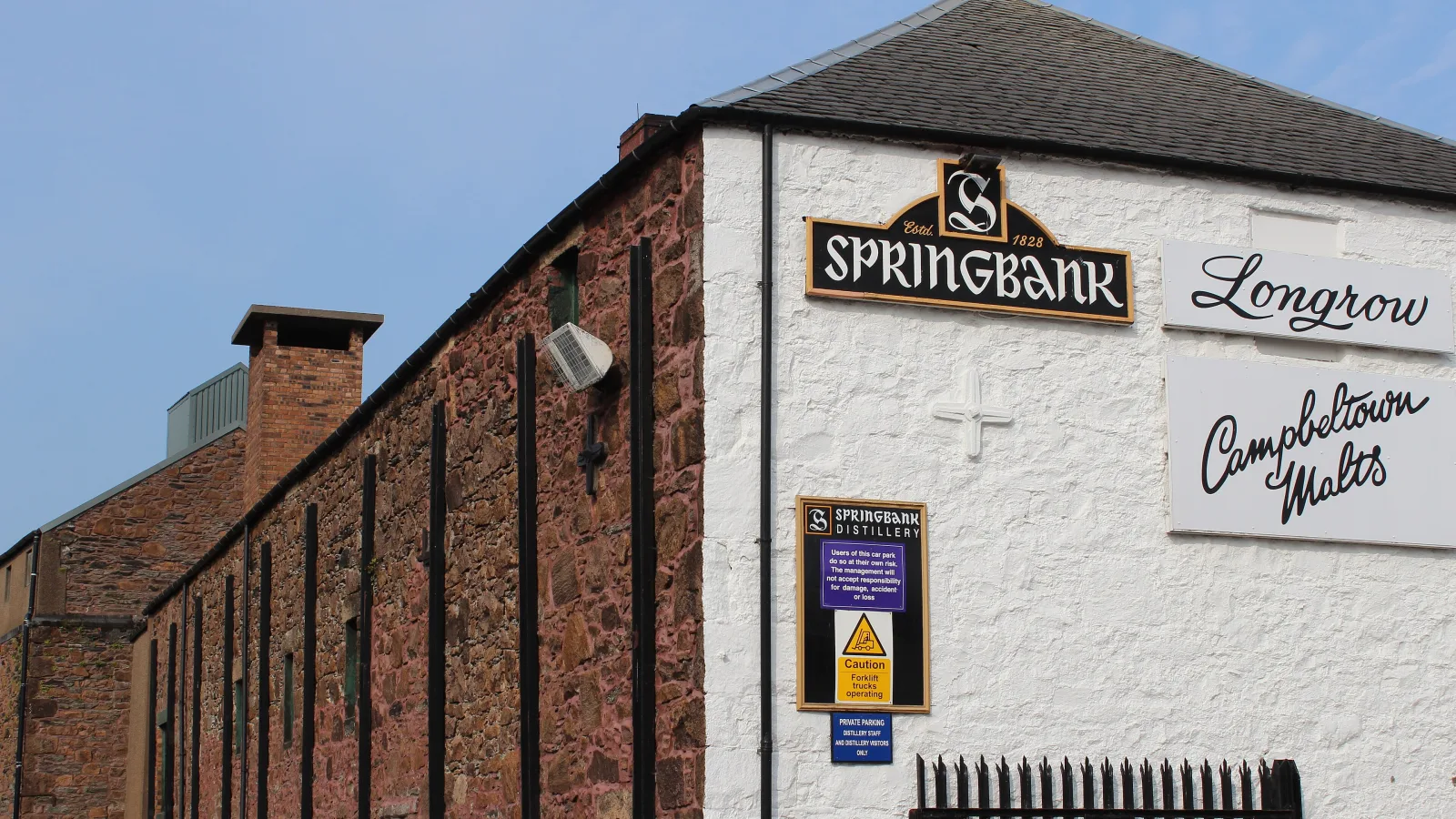
A protected distillery name may only be used as a brand name or part of it when the whisky has been distilled entirely at that distillery.
The regulation prevents a blend from riding on the name of a well-known distillery. It applies to the distilleries listed in schedule 1 of the regulation and to names of distilleries that were opened or reopened afterwards. In addition, a label may not give a wrong impression of where the whisky was distilled or who distilled it. Independent bottlers may therefore name the distillery, provided everything comes from there.
What does a region name such as Speyside or Islay tell you?
Five area names are protected: Highland, Lowland, Speyside, Islay and Campbeltown. A bottle may only bear such a name if the whisky was distilled in that area.
The regulation also demarcates the areas. Campbeltown is the South Kintyre ward of Argyll and Bute, Islay is the island of Islay, and Speyside consists of specifically named wards in Moray plus Badenoch and Strathspey. The name may appear at the front of the category, for example Speyside Single Malt Scotch Whisky. An area name says something about origin, not about a mandatory flavour.
Which words on the label are not legally defined?
The regulation describes the five categories, the age statement, the distillation year, the distillery name and the region names. Terms such as cask strength, small batch or finish do not appear in it.
What such words mean is decided by the bottler himself. Cask strength usually indicates that no water has been added, single cask a bottling from a single cask and non chill filtered the omission of cold filtration. Useful information, but nobody checks the definition. Feel free to ask if you want to know what a particular bottler means by it.
From the shop in Bathmen
Which whiskies have an age on the label?
In de winkel in Bathmen staan 1.113 whisky's met een leeftijd van twaalf jaar of ouder van 233 verschillende merken uit 13 landen. De prijzen lopen van € 8,99 tot € 11.750,00. Het alcoholpercentage loopt van 20% tot 66,8%.
- A Highland Distillery 2005 – 16 Years Old – First Cask 58.3% · 70 cl · Scotland
- Aberfeldy 15 Years Old Cadillac Wine Finish 43% · 70 cl · Scotland
- Aberfeldy 18 Years Old Red Wine Cask Napa Valley 43% · 70 cl · Scotland
- Aberfeldy 19 YO Sherry Cask 43% · 70 cl · Scotland
- Aberfeldy 20y 43% · 70 cl · Scotland
- Aberfeldy 25 Years Old 46% · 70 cl · Scotland
- Aberfeldy Whisky 12 Years Old 40% · 70 cl · Scotland
- Aberfeldy Whisky 12Y 40% · 20 cl · Scotland
- Aberlour 12 Years Old Non Chill-Filtered 48% · 70 cl · Scotland
- Aberlour 13 Years Old Double Cask 40% · 70 cl · Scotland
Related questions
How do you make a whisky sour?How do you organise a whisky tasting at home?How do you taste whisky?
Short answer
Short answers to related questions
- What does NAS mean on a whisky bottle?
- No age statement: no age is shown on the bottle. The whisky has then matured for at least three years.
- Must caramel colouring be stated on the label?
- No. A statement that no colouring has been used is a voluntary notice from the bottler.
- May more than one age appear on a bottle?
- No. The age is expressed as a single number in whole years.
- What is the difference between distillation year and bottling year?
- The distillation year is the year of distilling, the bottling year the year in which the whisky went into the bottle.
The reasoning
Sources
- The Scotch Whisky Regulations 2009, regulation 8, legislation.gov.uk (accessed 4 September 2026)
- The Scotch Whisky Regulations 2009, regulation 12, legislation.gov.uk (accessed 4 September 2026)
- Guidance for Producers and Bottlers, Scotch Whisky Association (accessed 4 September 2026)
- Verordening (EU) nr. 1169/2011 betreffende voedselinformatie aan consumenten, EUR-Lex (accessed 4 September 2026)
Deze pagina is geschreven en gecontroleerd door ’t Bockje Bathmen, slijterij aan de Brink 2 in Bathmen. Laatst bijgewerkt op 30 oktober 2026.
Verkoop van alcohol onder de 18 jaar is verboden. NIX18.