
Argentine wine
Argentine wine comes mainly from the west of the country, at the foot of the Andes. Mendoza is by far the largest province, with Salta in the north and Patagonia in the south. Malbec is the best-known grape: according to the INV, almost a quarter of all vineyards in Argentina are planted with malbec. The shop on the Brink in Bathmen has 66 bottles of Argentine wine, red, white and sparkling.
- 66bottles in the shop
- 11wine houses
- 8,5–15%alcohol
Where does Argentine wine come from?
Most Argentine wine comes from the province of Mendoza. The Instituto Nacional de Vitivinicultura (INV), the government agency that supervises viticulture, counted well over 207,000 hectares of vineyard in the whole country in 2022.
- Mendoza: the heart of wine growing, including Luján de Cuyo, San Rafael and the Uco Valley (Valle de Uco).
- San Juan: north of Mendoza, with the Tulum Valley.
- Salta: in the north, with the Valles Calchaquíes and Cafayate.
- La Rioja and Catamarca: smaller provinces in the northwest.
- Patagonia: Río Negro, Neuquén, La Pampa, Chubut and Santa Cruz, together about 1.8 percent of the vineyards.
Why are Argentine vineyards so high?
Because the vineyards lie at the foot of the Andes, and altitude tempers the heat there. Decanter cites a rule of thumb from Argentina: for every hundred metres of altitude, the average temperature drops by almost one degree.
The differences are large. In the east of Mendoza and in the Tulum Valley in San Juan, vineyards lie at around 600 metres. In the Uco Valley that is between 900 and 1,400 metres, in the Pedernal Valley in San Juan between 1,200 and 1,400 metres. Around Cafayate in Salta the vines stand, according to Decanter, between 1,600 and 2,100 metres, and at the wineries Colomé and Tacuil in the Molinos department even at about 2,500 metres. In Patagonia it is not the altitude but the southern location, between 37 and 45 degrees south latitude, that determines the climate.
Argentine wine at ’t Bockje
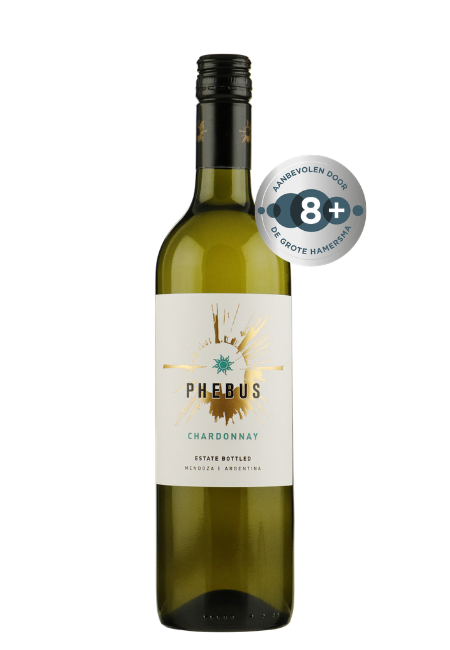
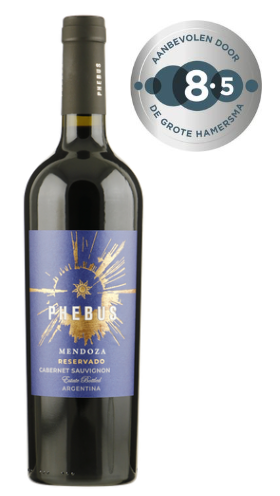
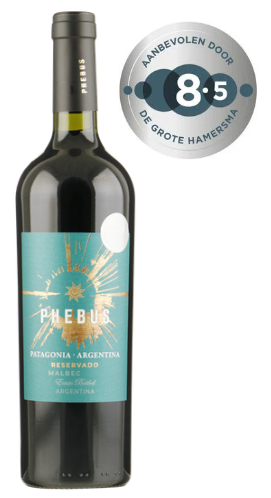
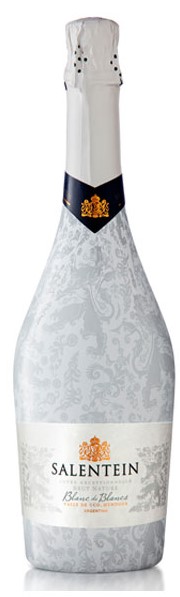
A selection from the 66 bottles now in the shop on the Brink.







Salentein Barrel Selection Malbec & Numina Malbec Mixed Case
14.5% · 450 cl · Argentina
€ 110,00
View the bottleIn brief
| Largest wine province | Mendoza |
|---|---|
| Total vineyard (INV, 2022) | Over 207,000 hectares |
| Malbec (INV, 2024) | 47,064 ha, 23.5% of the vineyard |
| Malbec World Day | 17 April |
| White main grape | Torrontés (riojano, sanjuanino, mendocino) |
| Origin law | Ley 25,163 (1999): IP, IG and DOC |
| DOC's | Luján de Cuyo and San Rafael |
| Vineyard altitude | From approx. 600 m to approx. 2,500 m |
| In the shop | 66 bottles |
How did Malbec end up in Argentina?
Malbec originally comes from the southwest of France, where the grape has been grown around Cahors since Roman times. It came to Argentina in the nineteenth century. On 17 April 1853 the French agronomist Michel Aimé Pouget submitted a plan in Mendoza for a Quinta Normal, an agricultural school, commissioned by the statesman Domingo Faustino Sarmiento. With that, malbec entered the country.
That date is now Malbec World Day: since 2011 Wines of Argentina has celebrated the grape every year on 17 April. According to the INV, in 2024 there were 47,064 hectares of malbec in Argentina, 23.5 percent of all vineyards. Of that, 84.7 percent lies in Mendoza, and within Mendoza 41.6 percent is in the Uco Valley.
What is Torrontes?
Torrontés is the white grape associated with Argentina. There are three types: torrontés riojano, torrontés sanjuanino and torrontés mendocino. According to DNA research cited by the INV, they are descendants of a cross between muscat d'Alexandrie (moscatel de Alejandría) and listán prieto.
Torrontés riojano is the most important of the three: at 7,075 hectares the second-largest white grape in the country. All torrontés together covered 8,845 hectares in 2024. Most of it is in Mendoza, San Juan and La Rioja, with in La Rioja mainly the Chilecito department. Salta and Catamarca follow. At ’t Bockje you will find torrontés, among others, in a blend with chardonnay.
What do IG and DOC mean on an Argentinian label?
Those abbreviations come from Argentine law 25,163 of 1999, which regulates three levels of origin:
- Indicación de Procedencia (IP): only for table wine and regional wine.
- Indicación Geográfica (IG): for quality wine made and bottled in a defined area.
- Denominación de Origen Controlada (DOC): the strictest form. The grapes must come entirely from the region, and the wine must also be made and bottled there.
According to the INV list of April 2024, Argentina recognises 139 IGs and two DOCs: Luján de Cuyo and San Rafael, both in Mendoza. Well-known IGs are Valle de Uco, Tupungato, Paraje Altamira, Los Chacayes, Valles Calchaquíes and Valle de Cafayate.
Which Argentine wines does ’t Bockje stock?
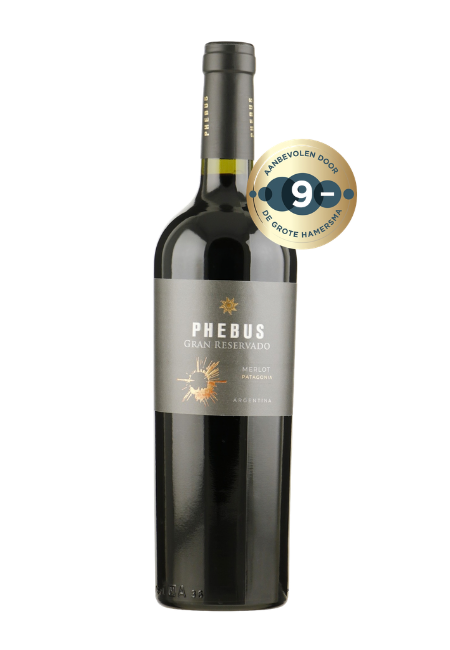
At ’t Bockje, Salentein is the most widely represented, with among others the Barrel Selection Malbec in magnum and a Blanc de Blancs. There are also bottles from Phebus and Portillo.
- Lunaris: Chardonnay, Chardonnay/Torrontés, Malbec, Pinot Grigio, Shiraz/Malbec and Syrah Bonarda.
- Norton: including Finca La Colonia Chardonnay and Colección Sauvignon Blanc.
- Cambalache: Malbec and Pinot Grigio.
- Also Pyros, Puramun, Portia, Elevado Selected Red and the sparkling Gallia Dulco.
Looking for a malbec to go with meat or a white wine from Argentina? Drop by at Brink 2 in Bathmen or call 0570 541 278.
Wine houses in this selection
- Salentein 19
- Phebus 13
- Portillo 9
- Lunaris 6
- Norton 4
- Pyros 3
- Cambalache 2
- Puramun 2
- Elevado 1
- GALLIA 1
- Portia 1
What customers also ask
Does malbec originally come from Argentina?
No. Malbec comes from the southwest of France, around Cahors. The grape came to Mendoza in the nineteenth century and Argentina is now the world's largest malbec producer.
Why is Malbec World Day on 17 April?
On 17 April 1853, Michel Aimé Pouget submitted his plan for an agricultural school in Mendoza, through which Malbec entered the country. Wines of Argentina has celebrated that day since 2011.
What is the difference between Mendoza and the Uco Valley?
Mendoza is the province. The Uco Valley is a higher-lying part of it, between roughly 900 and 1,400 metres, and has its own IG.
How much Argentinian wine does ’t Bockje have?
In the shop at Brink 2 in Bathmen there are 66 bottles of Argentine wine, with Salentein as the most widely represented brand.
Keep browsing
Sources
- Informe variedad Malbec 2025, Instituto Nacional de Vitivinicultura (INV), argentina.gob.ar/sites/default/files/2018/10/informe_malbec-2025-inv.pdf (accessed 2026-10-06)
- Informe variedad Torrontés, Instituto Nacional de Vitivinicultura (INV), argentina.gob.ar/sites/default/files/2018/10/01-torrontes_2023.pdf (accessed 6 October 2026)
- Región Patagonia 2022, Instituto Nacional de Vitivinicultura (INV), argentina.gob.ar/sites/default/files/2018/10/region_patagonia_2022.pdf (accessed 2026-10-06)
- I.G. y D.O.C. de la República Argentina (april 2024), Instituto Nacional de Vitivinicultura (INV), argentina.gob.ar/sites/default/files/i.g._y_d.o.c._de_la_republica_argentina18_de_abril_2024.pdf (accessed 2026-10-06)
- Ley 25,163: vinos y bebidas espirituosas de origen vínico, Argentina.gob.ar (InfoLEG), argentina.gob.ar/normativa/nacional/norma-60510/texto (accessed 2026-10-06)
- Malbec World Day, Cancillería Argentina (Ministry of Foreign Affairs), esing.cancilleria.gob.ar/en/node/84435 (accessed 2026-10-06)
- Terroir of contrasts: Uco Valley and Pedernal vs. east of Mendoza and Tulum Valley, Decanter, decanter.com/wine/wine-regions/mendoza/terroir-of-contrasts-uco-valley-and-pedernal-vs-east-of-mendoza-and-tulum-valley-2881/ (accessed 2026-10-06)
- Salta travel guide, Argentina, Decanter, decanter.com/wine-travel/south-america/decanter-travel-guide-salta-argentina-296940/ (accessed 6 October 2026)
The shop is at Brink 2 in Bathmen. Open Tuesday to Friday from 09.00 to 18.00 and Saturday from 09.00 to 17.00. For advice, call 0570 541 278 or email info@bockje.nl.
Wij verkopen geen alcohol aan personen onder de 18 jaar. NIX18.