The short answer to this question is on the question page Why do you drink tequila with salt and lemon?. Below you can read the full story behind it.
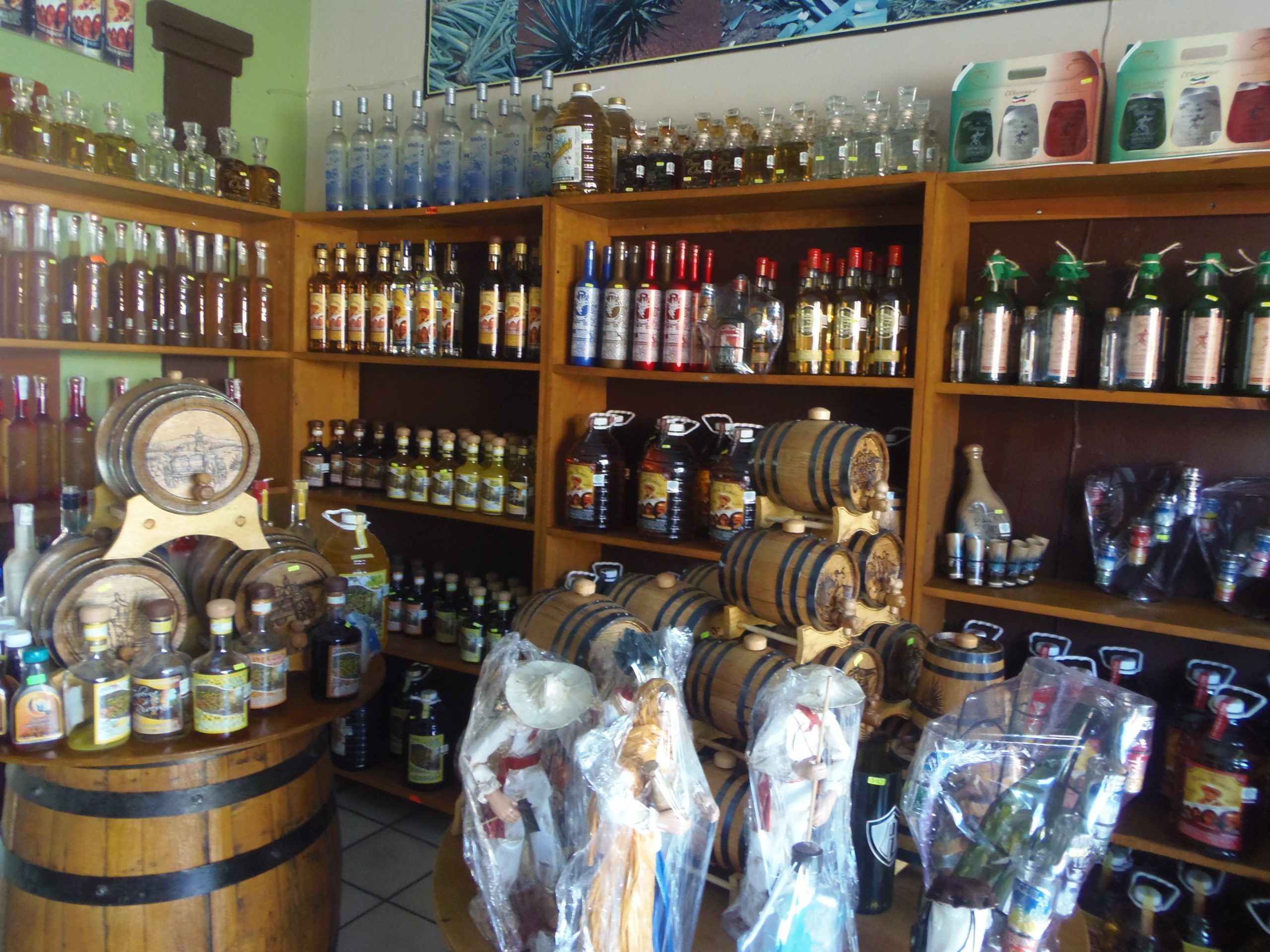
Everyone knows the image: a shot of tequila, a pinch of salt on the hand and a wedge of citrus on the side. In Bathmen we get asked about it regularly, usually by someone who has just bought a bottle and wonders whether it belongs with it.
The short answer is that it belongs with a certain kind of tequila, and that that kind is only a small part of what is for sale today. Of the 55 tequilas on the shelf here, there is none for which we would suggest it.
First, something about the word lemon
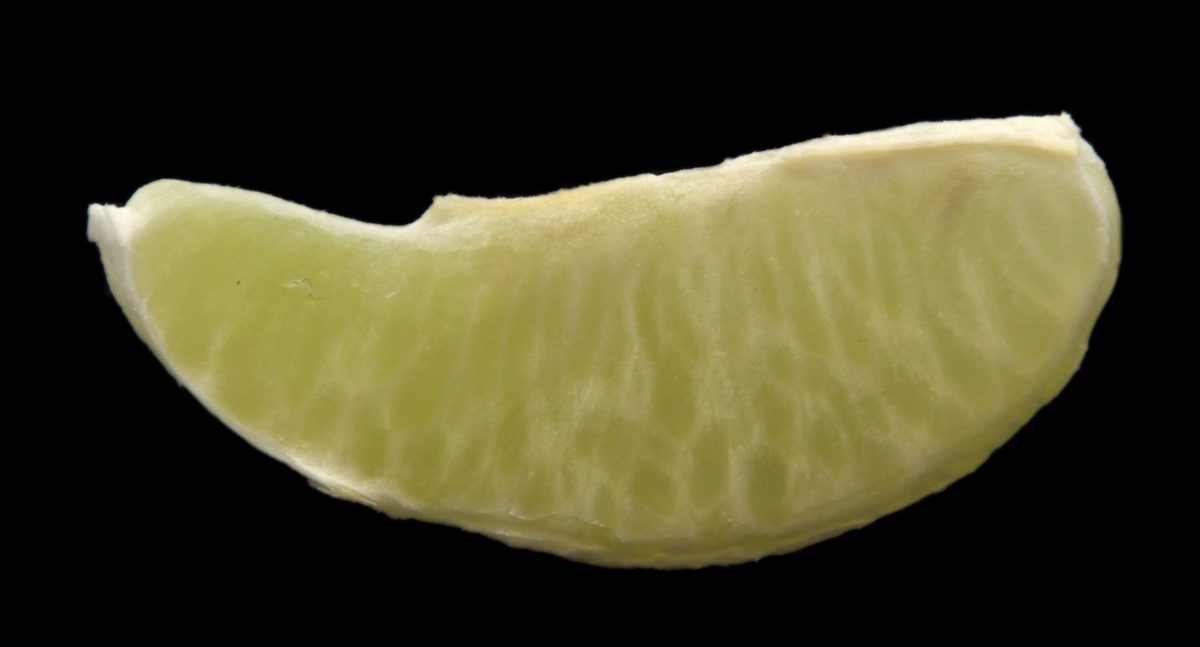
In Mexico, it is not lemon that is used but lime. There the Spanish word limón stands for the small green limón mexicano, which we call lime. The yellow lemon is called lima or limon amarillo there and is far less common.
In the translation to Dutch that shifted, and so the custom became known here as tequila with salt and lemon. Anyone who wants to do it as intended therefore takes a lime.
Where the custom comes from
The custom is not as old as it seems, and above all it did not originate with the good bottles. It belongs to the tequila that the rest of the world first encountered, and that was almost always the simplest kind.
In the Mexican standard that type is simply called Tequila; in the trade it is known as mixto. Up to 49 percent of its sugars may come from cane or maize instead of agave, and small amounts of additives are allowed, including caramel colouring. What comes out of that is sharper and flatter than a bottle made entirely from agave.
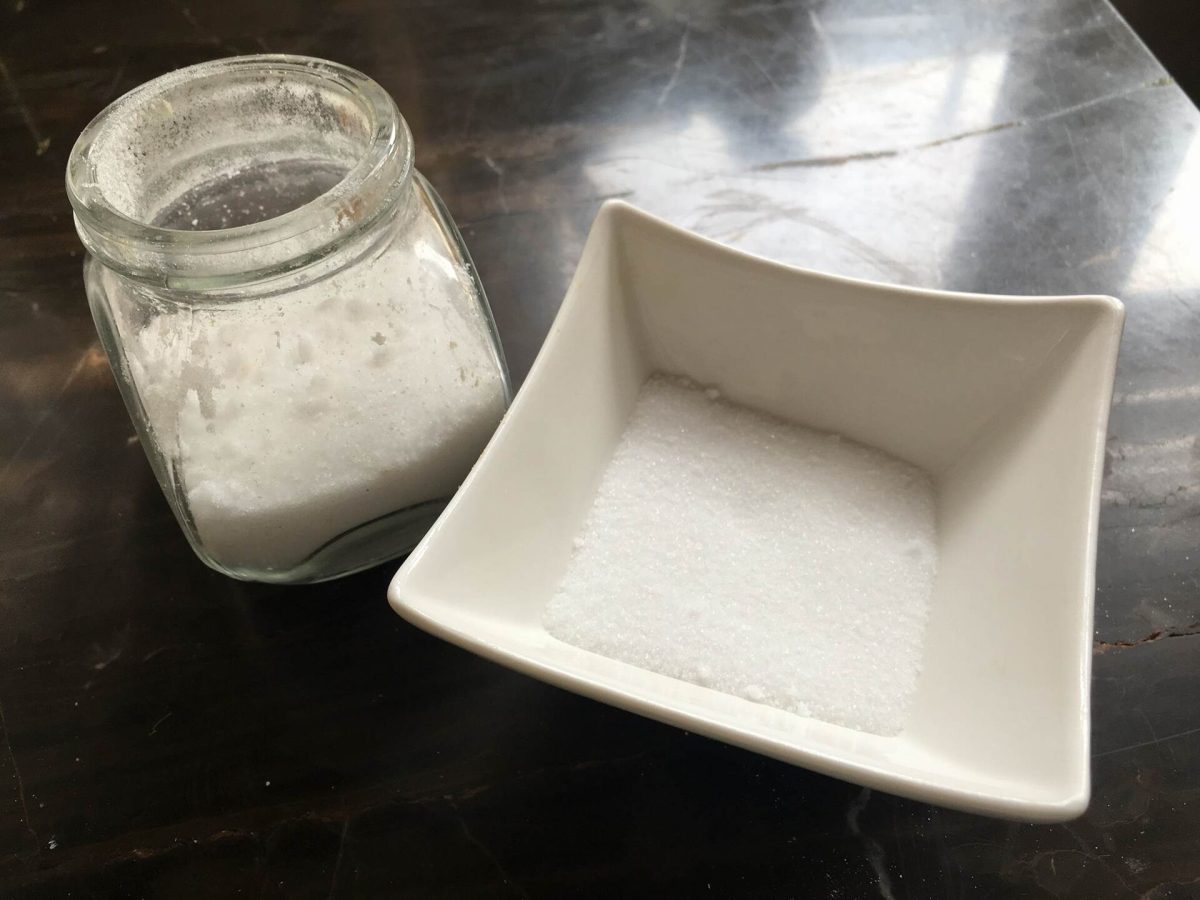
Salt and acid cover that up. Salt dampens the bitter side, acid lays itself over the sharpness. It is the same intervention you apply in a kitchen to a dish that is not quite right yet.
Why it does not fit with 100 percent agave
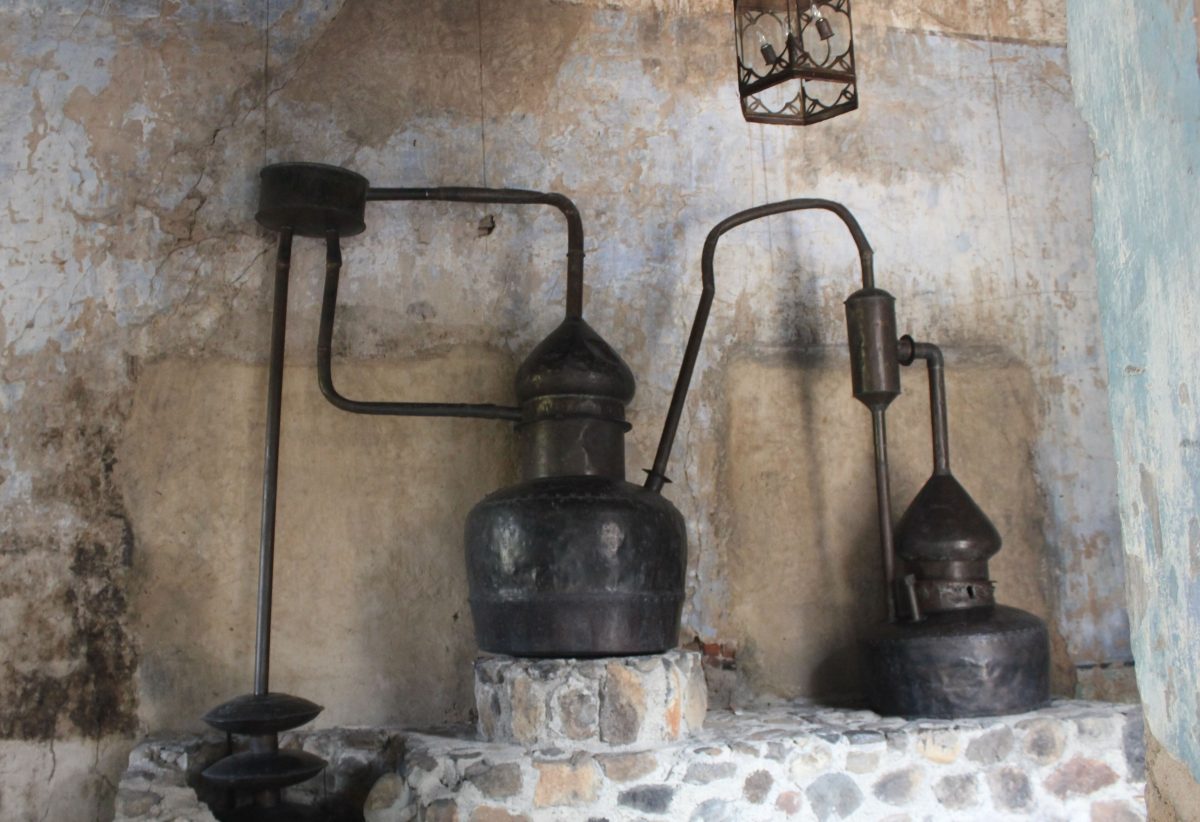
If the bottle says “100% de agave”, all the sugar comes from blue agave. That is why such a bottle shows more of the plant: what is in it comes from the cooked agave, from the yeast and, in an aged bottle, from the cask.
That is exactly what salt and lime flatten. The salt suppresses the bitter and spicy side and the acidity drowns out the rest. You have then bought a bottle whose characteristic part you are masking. The same goes for a reposado or an añejo, where the influence of the cask disappears as well.
There is also a practical side. The ritual with salt and lime is made for drinking quickly. With a bottle that has spent months or years on wood, that is a waste of the effort that went into it, and of the time the house has put into it.
What stands beside the glass in Mexico
With a good tequila, in Mexico they usually serve something else: sangrita. That is a small glass with tomato or orange, lime and chili, without alcohol, which you alternate with the tequila. The sour and the spicy then sit next to the drink and not on top of it.
With mezcal, the accompaniment is different again. It comes with a wedge of orange with sal de gusano. That too is not a cover-up but a counterpart: mezcal has picked up smoke from the pit oven, and the orange sets sweet and sour against it.
The glass does more than you think
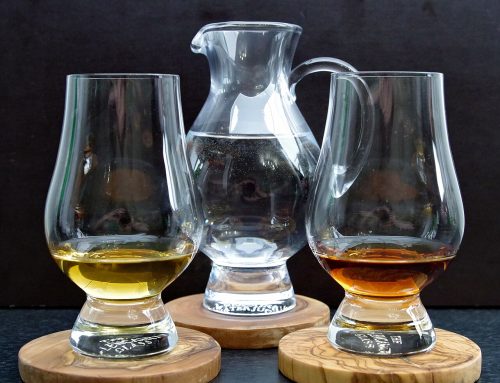
A caballito, the straight little glass you see everywhere, is narrow and straight and lets the aroma escape immediately. For tequila you want to judge on its merits, a glass with a slightly narrower rim works better: a copita, a veladora or simply a small tulip glass.
Do not pour too much at once, leave the bottle at room temperature and give the glass a few minutes. Ice does not belong, unless you are making a cocktail. With a margarita, by the way, the salt rim is in its place, because there the salt is part of the recipe and not a band-aid.
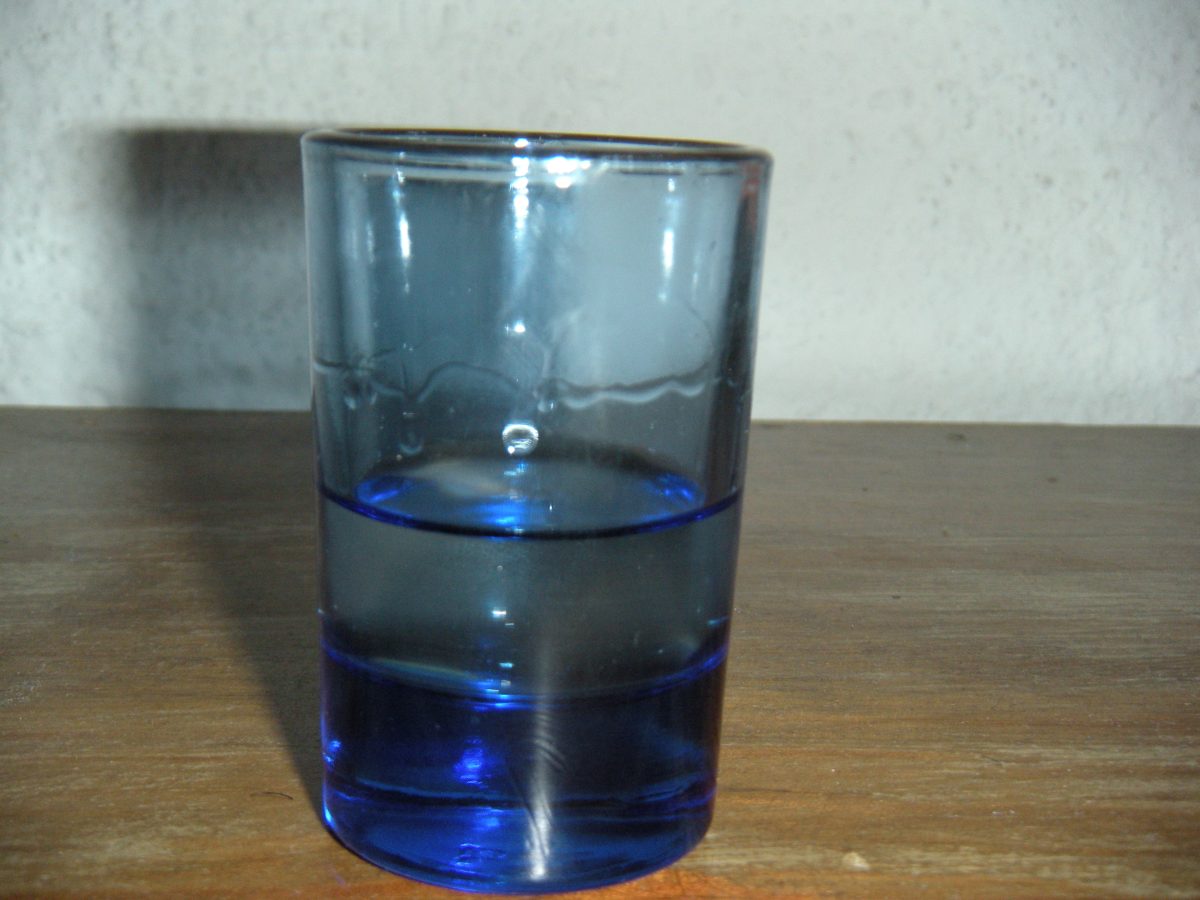
And then the most persistent misconception: that tequila is a drink you cannot taste. That comes from the same place as the salt. Anyone who has held a bottle of 100 percent agave in recent years knows that there is as much difference between producers and categories as with whisky or cognac. It is just that in the Netherlands people rarely look at it that way.
Where to start
Anyone who wants to know whether the custom adds anything can simply compare them: first a small sip from the glass as it is, then the same with salt and lime. Then you will notice for yourself what disappears.
If you are looking for a bottle that stands up without additives, drop in at the Brink or call 0570 541 278. We check for each bottle what the label says about the agave and the class, and where it does not say, we tell you that too.
Keep browsing
The entire stock is on our tequila page, and with the wine & spirits search you can browse everything. Houses we stock include Rooster Rojo, Casamigos, Sierra, Los Tres Tonos and Jose Cuervo.
What that designation means for agave exactly is explained in 100 percent agave or mixto. Why mezcal tastes of smoke, we explain in tequila and mezcal.