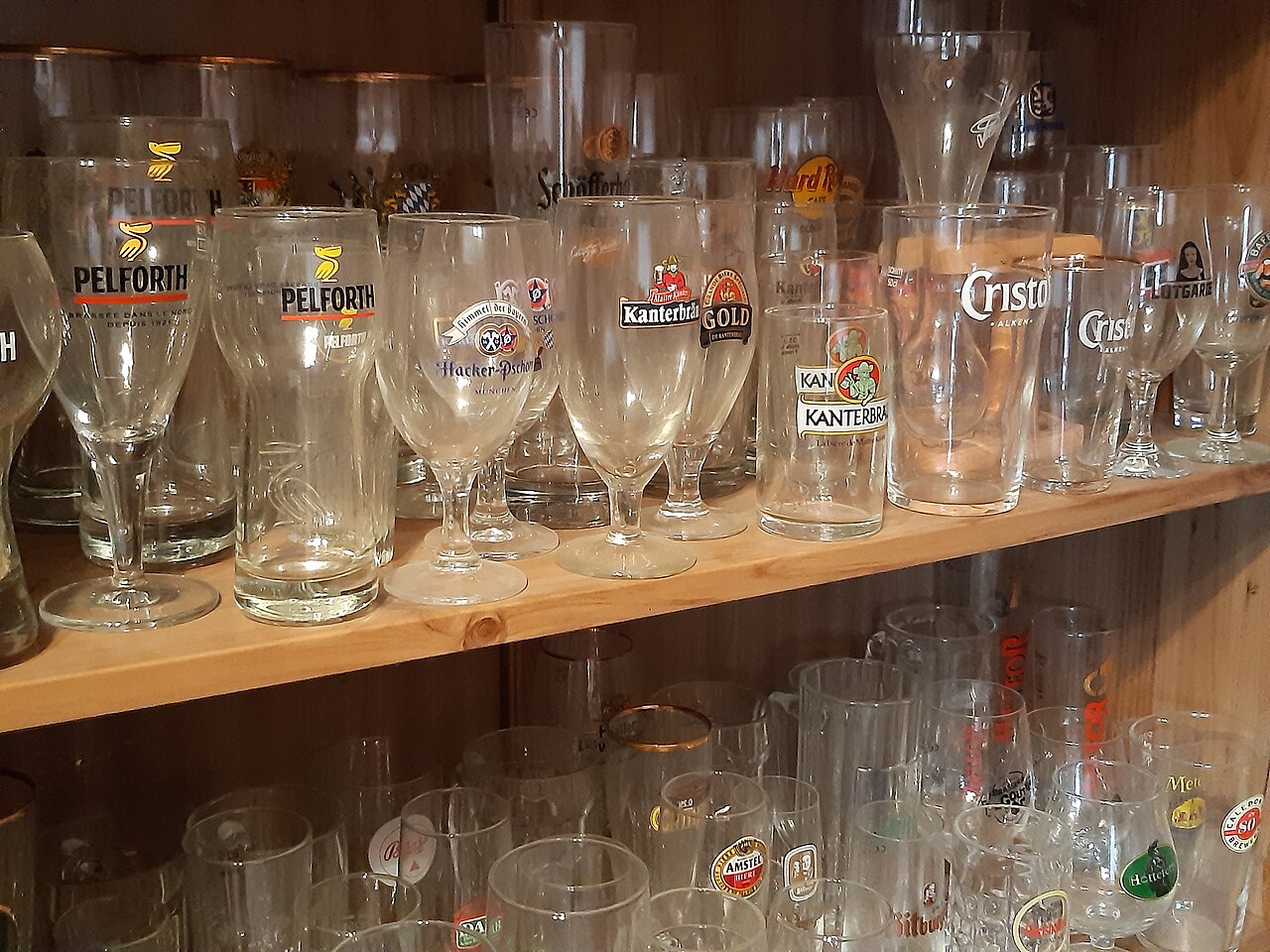
On the shelf at the Brink in Bathmen there are 892 different beers from 247 breweries. Anyone who stands there without any guidance mostly sees labels: dubbel, tripel, weizen, saison, stout, IPA. Words that promise something, but not all equally firmly.
Because a beer style is almost never a legal category. It is an agreement between brewers, and it differs from country to country. Things become clear once you know which words on a label actually define something and which do not. Below we go through the styles that are most often on our shelves.
What a beer style actually is
For whisky, cognac and calvados the categories are laid down in legislation. For beer, with a few exceptions, that is not the case. No rule prescribes how strong a tripel must be, how much hop belongs in an IPA or when a beer may call itself stout. The brewer chooses the style name closest to his beer and puts it on the label.
What such a name does do is create an expectation about colour, strength, bitterness and yeast character. That expectation usually holds, because brewers take their cue from one another, but it is not enforceable anywhere. That is why two beers with the same style name can be far apart. The brewing process itself is separate from this; we describe it step by step in brewing beer from malt to bottle.
Top or bottom fermentation: the divide that does matter
Underneath all the style names lies a distinction that does hold water: which yeast was used, and at what temperature fermentation took place.
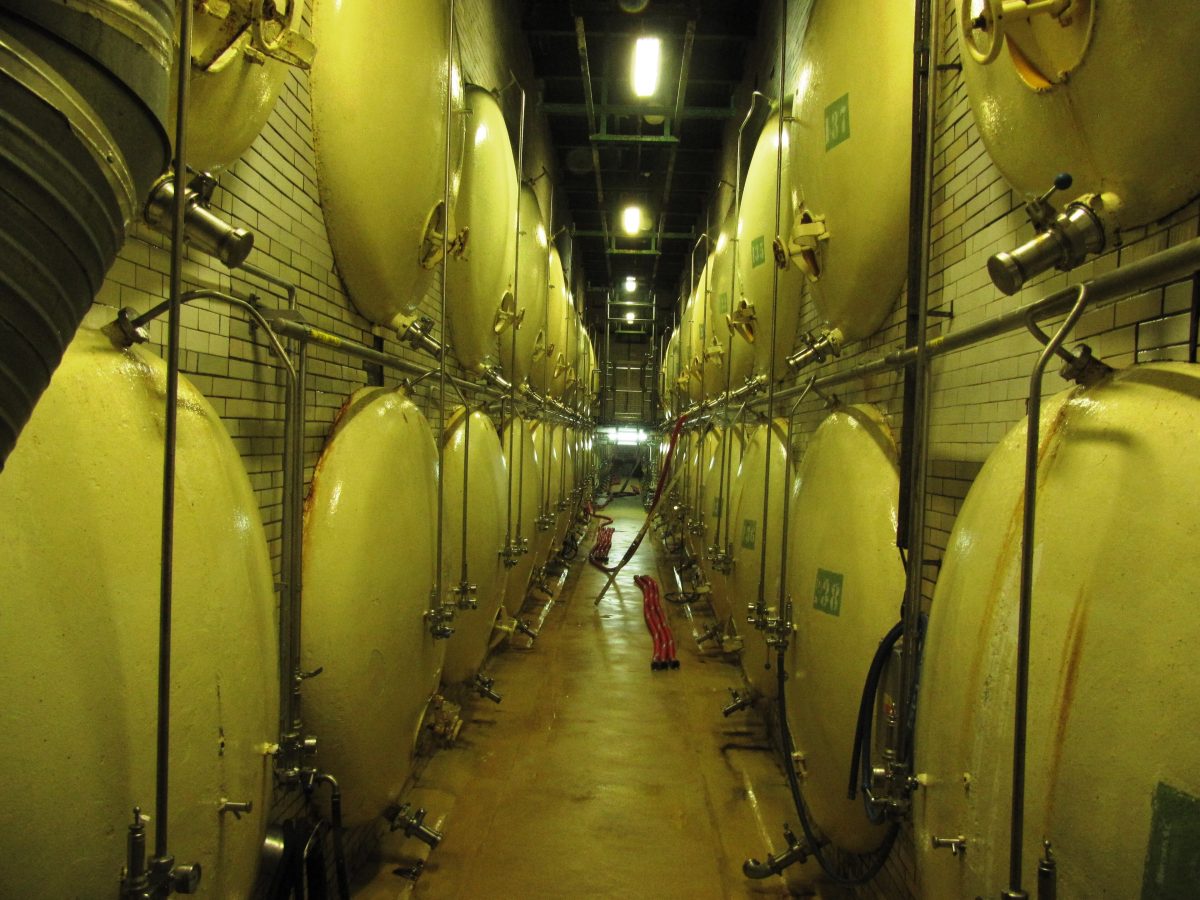
Bottom-fermented beer ferments cool, roughly between eight and fourteen degrees, and then matures cold for weeks. That produces a clean beer in which malt and hop get little company from fermentation aromas. Pils is the best-known form of it, originating in Bohemian Plzeň. Bock beer also belongs to this family, with us mainly an autumn beer.
Top-fermented beer ferments warm, somewhere between eighteen and twenty-two degrees, and then the yeast itself contributes to the flavor. Almost everything called specialty beer is top-fermented: the Belgian abbey styles, weizen, saison, stout, porter and IPA.
Blond, dubbel, tripel, quadrupel: numbers without a law
The Belgian series is the most misunderstood of all. Dubbel, tripel and quadrupel are not quality levels and say nothing about how often something was repeated during brewing. They are old designations for the strength of a beer within the house that makes it.
In practice it comes down to this. A blond is light in colour and usually sits around six percent. A dubbel is dark and malty, with notes of dark sugar and dried fruit, and sits just above that. A tripel is pale, dry and spicy and comes out higher. A quadrupel is dark, full and the heaviest of the four. Of the 892 beers in our database, 93 carry the word tripel in the name and 30 the word quadrupel.
What is missing is a lower limit. A brewer may call a seven percent beer a tripel and a nine percent one a dubbel. It rarely happens, but the series is a house classification, not a quality mark.
Witbier or weizen, stout or porter: where the confusion lies
Two wheat beers are constantly confused. Belgian witbier is brewed with a share of unmalted wheat and usually spiced with coriander and orange peel. Hence that cloudy, fresh note. German weizenbier contains, as a rule of thumb, at least half wheat malt and is not spiced: all the banana and clove in the flavour comes from the yeast. More about the German side is in German beer and the Reinheitsgebot.
The same applies to dark beer. Stout and porter owe their colour to roasted malt, not to their strength. A dark beer of four percent simply exists, and so does a straw-yellow beer of ten percent. Porter came first, stout was originally the stronger version of it, and the two have grown towards each other. If you want to know the difference, look at the brewer rather than the word.
And IPA? India pale ale only says that the hops are in the foreground. The spectrum runs from resin and grapefruit to hazy and juicy. The name refers to the beers shipped from England to British India, although that origin is less certain than is usually claimed.
Trappist and old geuze: the two terms that are firmly defined
The rule that a style name is free has two exceptions, both of which are on our shelves.
Trappist is not a style but a label of origin. Three conditions apply to the Authentic Trappist Product logo: the beer is brewed within or close to a Trappist abbey, production takes place under the supervision of the monks or nuns, and the proceeds go to the community, to solidarity within the order and to good causes. Abbey beer sounds the same, but an ordinary brewery may also make it under licence. How the two relate is explained in Belgian beer: Trappist, abbey beer and the wild yeasts of the Senne valley.
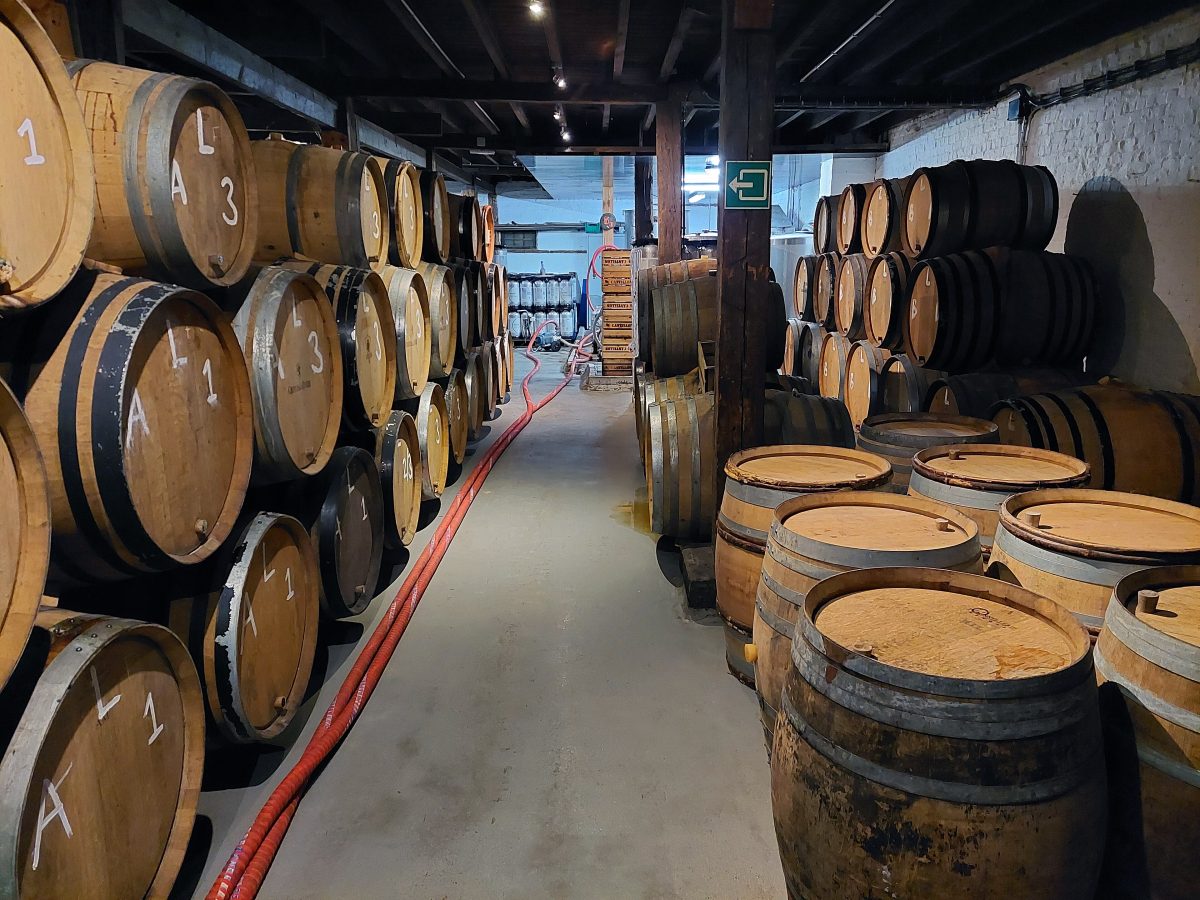
Oude geuze and oude kriek are protected in Europe as a traditional speciality guaranteed. The word that counts is oude. An oude geuze is a blend of young and old lambic that referments in the bottle, unpasteurised and unsweetened. If it just says geuze, the beer may be pasteurised, artificially carbonated or sweetened. It is the only word on a beer label that carries as much weight as an age statement on a bottle of whisky.
Where to start
If you want to get to know the styles, setting five tripels side by side does little good. Take four from four corners: a bottom-fermented beer, a Belgian ale, a wheat beer and a dark beer. Then you can taste where the styles really diverge. Putting together your own beer selection explains how to build such a line-up.
Of the 892 beers, 442 come from the Netherlands, 313 from Belgium and 39 from Germany. You can see that in the styles that are most deeply represented. Would you rather browse the shelves yourself? You can do so in the search engine for our beer range. For a first introduction to spontaneous fermentation, the oude geuze from Boon is a good starting point; it is also in the webshop.
Keep browsing
All beers, breweries and styles are on the beer page. From there it continues to individual styles such as amber beer and fruit beer, and to the country pages.
Further on the blog: oud bruin in the Netherlands and in Flanders, Dutch beer glasses from fluitje to chalice and alcohol-free beer and how it is made.
Not sure which style suits you? Drop in on the Brink or call +31 570 541 278.