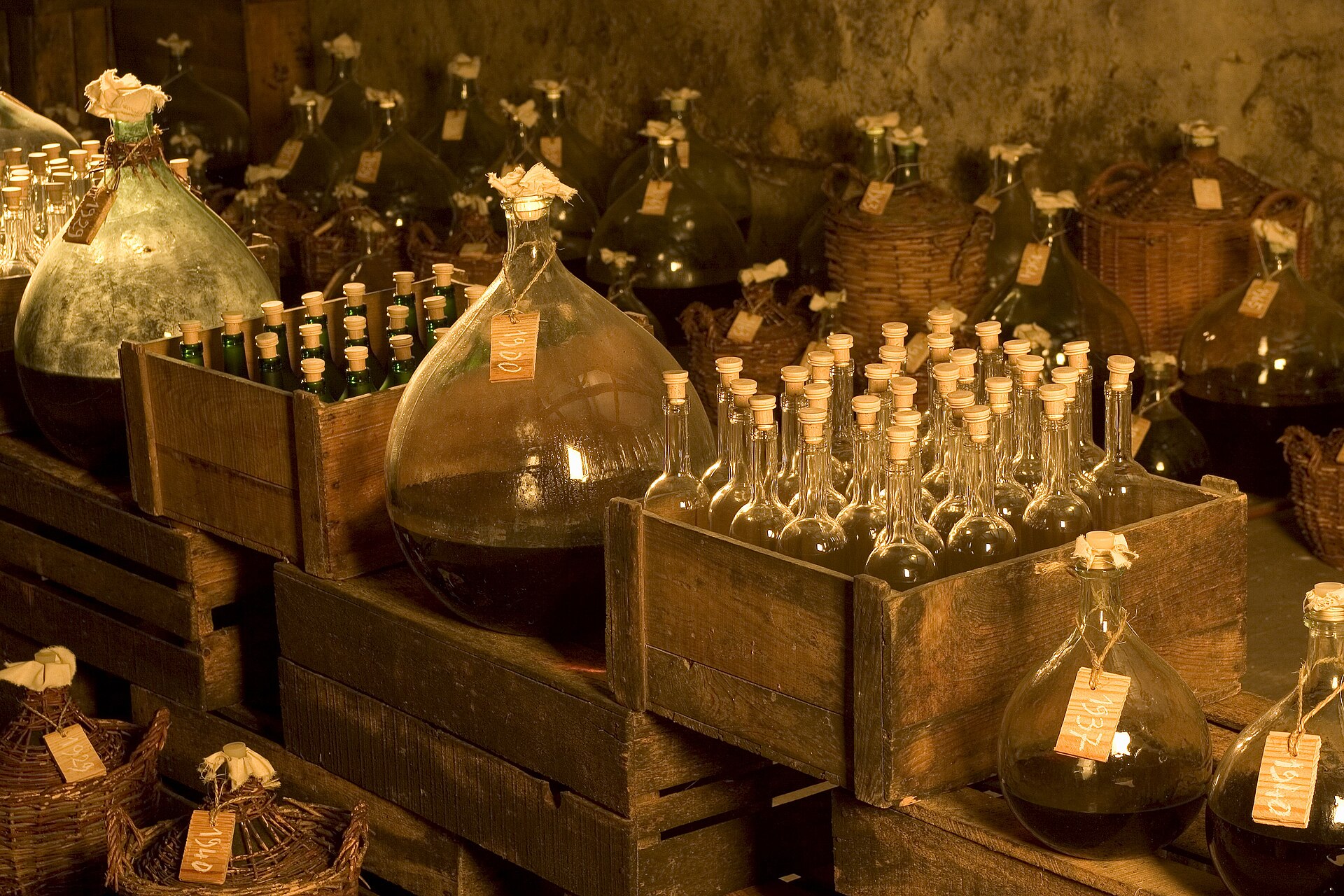
Armagnac is the oldest spirit in France and at the same time the lesser known of the two great French brandies. In the shop on the Brink there are thirty-six, from fourteen houses. Thirty-five of them come from France.
Exactly three of those thirty-six bottles carry a year. Not an age such as “12 years”, but a year: 1993, 1994, 2005. That is called a millesime, and it works differently from just about everything else you come across on a bottle of spirits. Below is what it means, and above all what it does not mean.
What a year on an armagnac bottle means
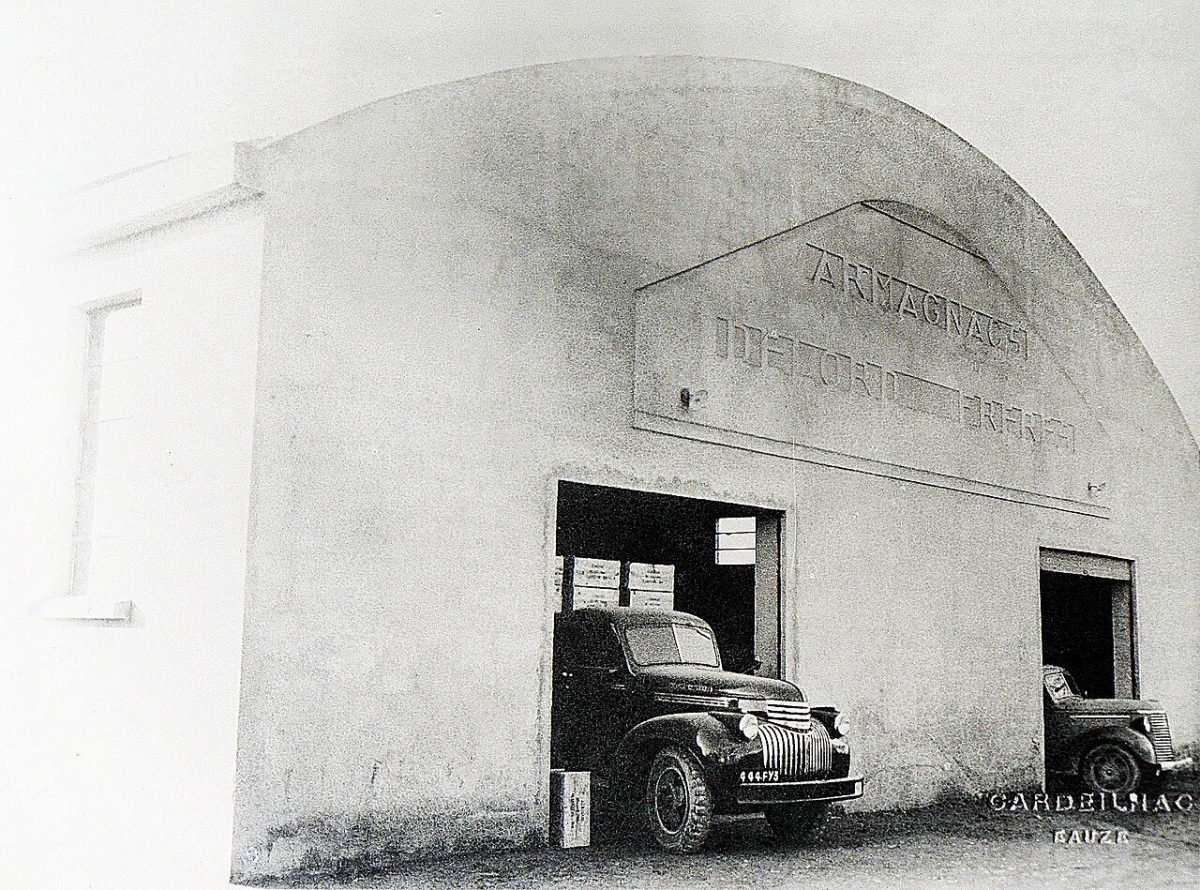
A millesime is the harvest year of the grapes. All the eau-de-vie in the bottle comes from that one harvest; nothing from another year has been blended in. The Bureau national interprofessionnel de l’Armagnac, the trade body in Eauze that has existed since 1941, prescribes two things: the label shows only that harvest year, and the contents have spent at least ten years in wood.
That is the opposite of how it works elsewhere. A whisky with “12 years”, a cognac with XO, a rum with an age on the label: those are all blends, and the number refers to the youngest component. With a millesime there is nothing to blend. There is one harvest, there are a few casks, and they run out. Anyone who buys one is buying from a stock that is not replenished.
Why armagnac in particular has so many vintages
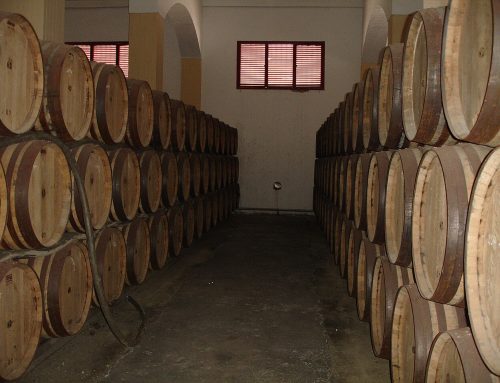
Two things make it possible. The first is scale. Gascony consists of small family estates that distil their own harvest and keep their own casks in their own cellar. If you distil and store yourself, you can happily leave a cask for thirty years until someone asks for it. In the Charente, where cognac comes from, a handful of large houses buy distillate from hundreds of growers and blend it into a consistent house style. There a vintage is the exception.
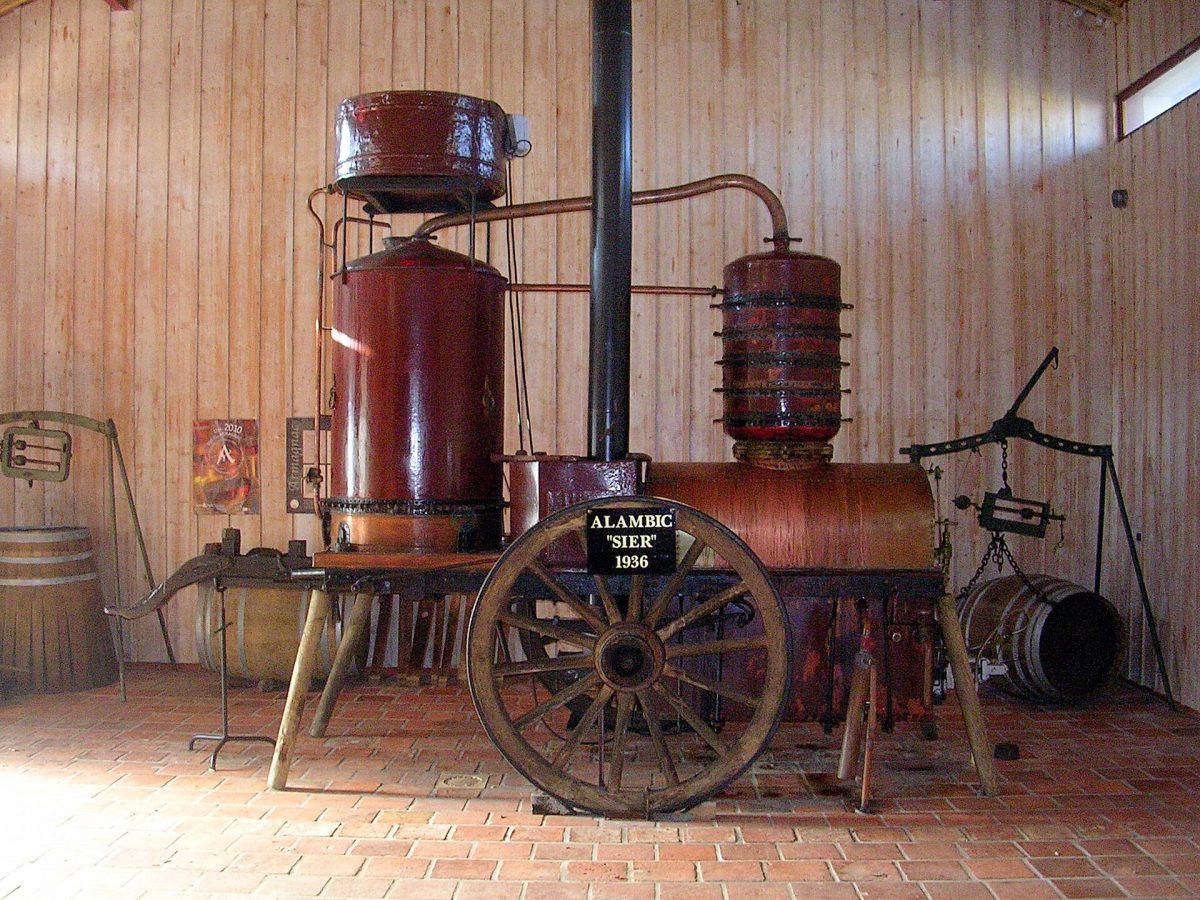
The second is the method of distillation. About ninety-five percent of armagnac goes through a continuous still, the alambic armagnacais, which in a single pass produces a distillate of fifty-two to sixty-two percent. Cognac is distilled twice and comes off the still at a higher strength. The armagnac distillate therefore carries more of the grape with it, and so more of the year in which that grape grew. We wrote earlier about the three regions where this happens in a separate piece on Bas-Armagnac, Tenareze and Haut-Armagnac.
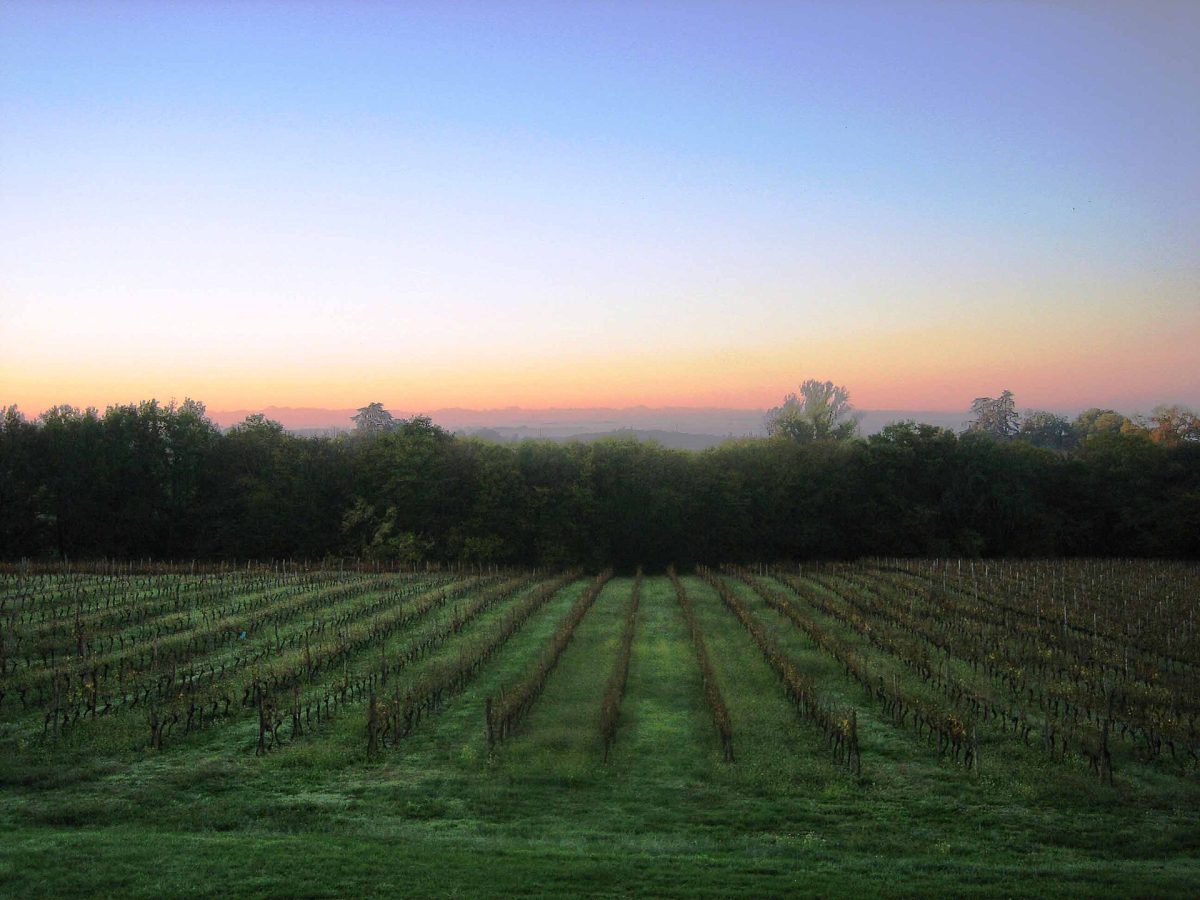
The grape itself must come from a list of ten. The appellation's cahier des charges names in article D.1 ugni blanc, baco blanc, colombard and folle blanche, among others. In practice, ugni blanc and baco 22A together account for the largest part of the plantings.
VS, VSOP and XO: the other way of stating age
Besides the vintages, there is the usual system of blends, and there it is always the youngest eau-de-vie in the blend that counts. For VS or three stars the minimum is one year in wood. For VSOP the BNIA prescribes four years. Napoleon starts at six years, XO has been at ten years since April 2018, and for Hors d’Age the youngest component is older than ten years. Bottling is only allowed from forty percent alcohol; that is in article B.2 of the cahier des charges.
That whole range is in our cabinet. Delord runs from a three-year-old Fine via VSOP, Napoleon and XO to an XO Premium for which the house states twenty-five to forty-five years. Janneau has twelve, eighteen and twenty-five years, Domaine Tariquet eight and twelve, and Chateau de Pomes a twenty-year-old Peberere. The same system works slightly differently for cognac; you can read about that in our piece on what VS, VSOP, Napoleon and XO mean on a cognac bottle.
The bottling year is the number you are missing
This is the misunderstanding almost everyone falls for. Armagnac does not continue to mature in glass. As soon as the eau-de-vie leaves the cask, the clock stops. A millesime from 1993 that was bottled in 2010 has spent seventeen years in wood, and that stays the case, however long the bottle then stands in a cabinet. A bottle from the same year that was bottled in 2024 is a completely different product.
Anyone who wants to know how old the contents really are should therefore look for the bottling year or the date of release on the back label. Without that second number, the vintage only tells you something about the harvest and nothing about the ageing. Ask about it if it is not on there; we will check with the importer.
Old vintages at some point come off the wood and move into glass demijohns in a separate cellar, the paradis. Nothing more happens there either. That is storing, not maturing. The same principle applies more broadly: see our piece on what the age on a whisky bottle means.
A bottle from a year of birth
Most people who ask for a vintage are looking for a year of birth or a wedding year. That is possible more often with armagnac than with any other drink, but bear three things in mind. Not every year exists, because an estate only bottles what it has. A vintage on its own says nothing about how the bottle tastes, only about when the grapes were picked. And the stock of a particular year can be gone from one week to the next.
To be honest about what is on the shelf now: of our thirty-six armagnacs, three carry a year. They are the Delord Recolte 1993, a Bas-Armagnac from 1994 bottled by the Scottish bottler Adelphi, and a Dram Mor from a single cask from Chateau de Bordeneuve, harvested in 2005. Looking for a different year? Then give us a call: 0570 541 278. We order from various importers and usually know quickly whether a vintage is still available somewhere.
Where to start
If you first want to know whether armagnac suits you before starting on a vintage, take a VSOP or an XO from a house that appeals to you. Anyone who takes the step to a millesime is not so much buying something old as something that exists only once. Below are four bottles from four different houses, from the two vintages to a blend with an age on the label.
Keep browsing
The whole armagnac shelf is on the armagnac overview page, with the number of bottles per house. You can search by name or house in the shop's search engine. For armagnac's neighbours: cognac and brandy, and the articles on the difference between brandy and cognac and on Brandy de Jerez and the solera system.
Sources: cahier des charges of the appellation d’origine controlee Armagnac (INAO), articles B.2 and D.1; Bureau national interprofessionnel de l’Armagnac (armagnac.fr) for the age statements and the millesime rules; ’t Bockje's own range data, reference date 10 September 2026.