The short answer to this question is on the question page What is the difference between tequila and mezcal?. Below you will find the whole story behind it.
In the tequila cabinet in Bathmen there are 75 bottles from 31 brands. Twenty of them are not tequila but mezcal, spread over fifteen brands. They stand together because the plant is the same. Beyond that, almost everything is different.
Tequila and mezcal are both distilled from agave and both protected by a Mexican designation of origin. Whoever places them side by side sees two different maps, two different plants and above all two different ways of cooking.
All tequila is mezcal, not the other way round
The word mezcal comes from mexcalli, from Nahuatl, and roughly means cooked agave. For centuries that was the umbrella name for every distilled drink made from roasted agave, wherever in Mexico it was made.
From that family a regional variant broke away and became independent under the name of its village: Tequila, in Jalisco. Historically, tequila is therefore a mezcal that has been given its own name and its own rules. Legally they are now two separate designations, each with its own standard.
Two maps, with overlap
Tequila may be made throughout the state of Jalisco, so in all 125 of its municipalities, plus in a number of designated municipalities in Nayarit, Guanajuato, Michoacán and Tamaulipas. Anything made outside that area may not be called tequila, even if it comes from the same plant and is made in the same way.
For mezcal the centre of gravity lies elsewhere. The protected area started with Oaxaca, Guerrero, Durango, San Luis Potosí and Zacatecas, and has since been extended to include Guanajuato, Tamaulipas, Michoacán and Puebla, among others. Oaxaca is by far the largest producer.
What is almost never explained: those two maps overlap. Guanajuato, Michoacán and Tamaulipas fall within both areas. In those states the same distillery, on the same land, can in principle work for both designations, provided it adheres to the corresponding standard.
One agave versus a handful
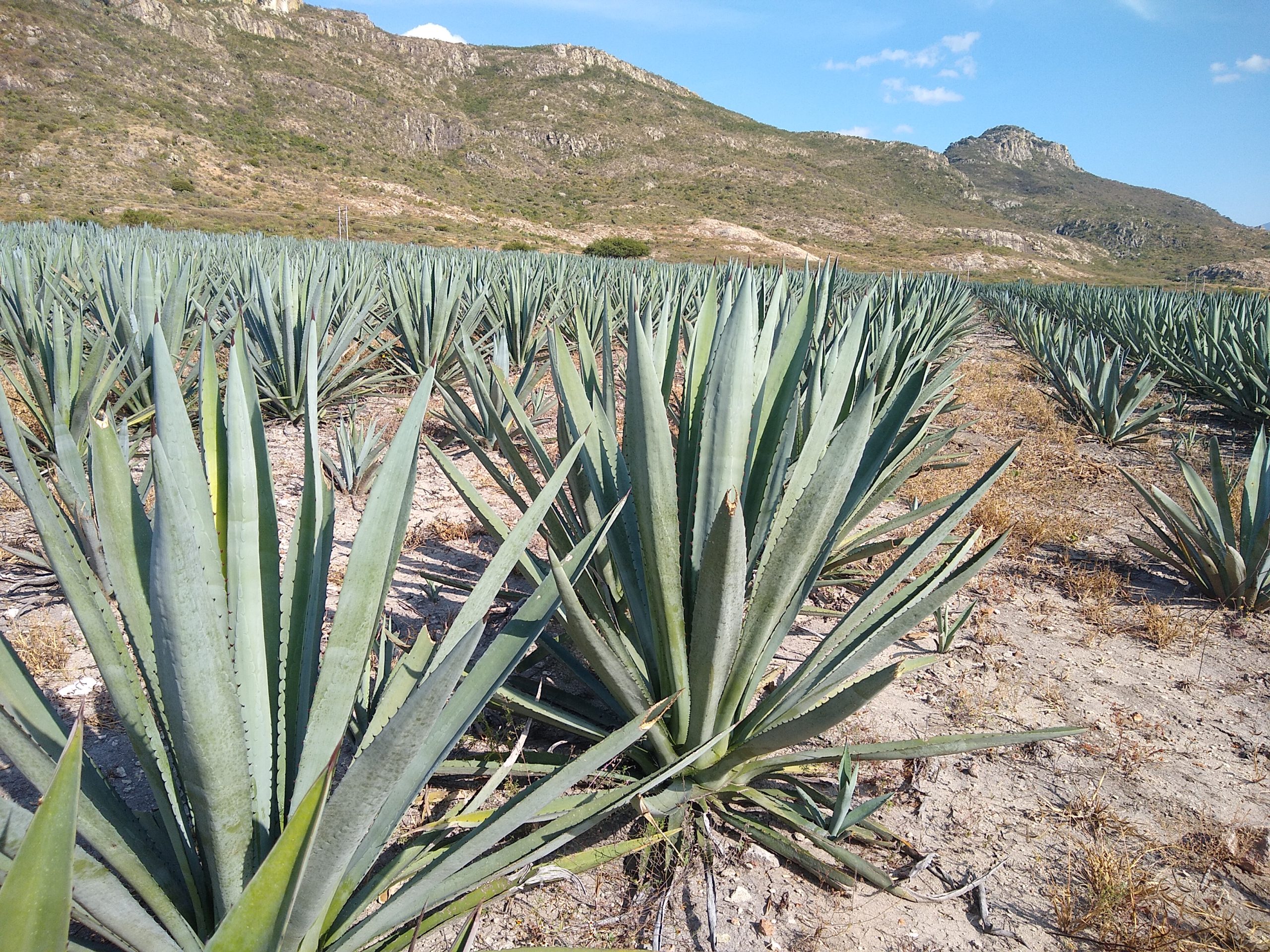
With tequila the plant is fixed to exactly one species: Agave tequilana Weber, the blue one. No alternative is allowed.
Mezcal may be made from dozens of agave species. Espadín, Agave angustifolia, is by far the most widely used, because it ripens fastest. In addition you see tobalá, tepeztate, madrecuishe and salmiana, some of which stand on the mountain for ten years or longer before they can be harvested. On a bottle of mezcal the species is therefore often stated; on a bottle of tequila it never is, because there is nothing to choose.
There is another difference that matters more than it seems: since 2016 mezcal must always be made entirely from agave. A mezcal with added sugar does not exist. With tequila it is allowed, as long as at least 51 per cent of the sugars come from agave.
The oven: autoclave versus a fire pit
This is where the real difference lies, and it is one of fire.
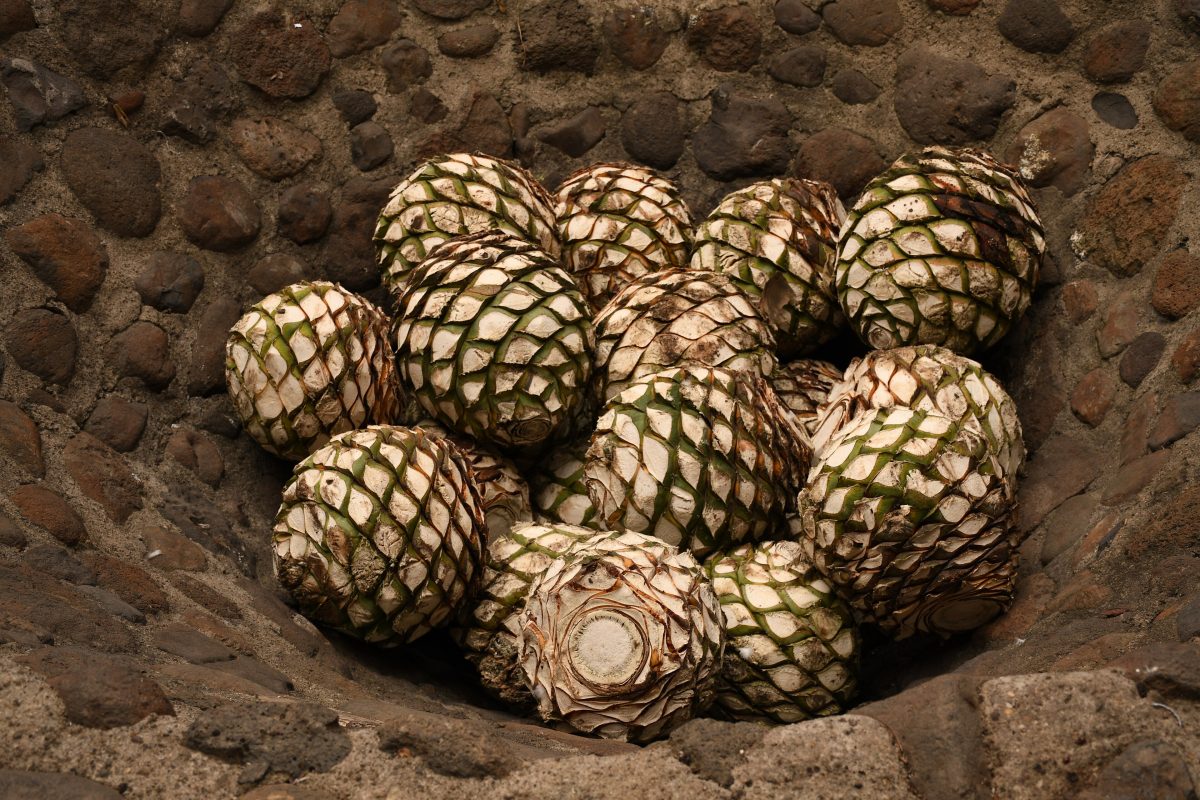
Tequila cooks the agave with steam. This happens in brick ovens, hornos de mampostería, where the hearts stay for a day or two, or in an autoclave: a steel pressure vessel in which the same process takes a handful of hours. Neither method brings smoke into the product, because the fire never touches the agave.
With the artisanal and ancestral categories, mezcal does exactly the opposite. In a palenque, the mezcal distillery, a cone-shaped pit in the ground is fired with wood until the stones in it glow. The agave hearts go on top, covered with fibres and earth, and they smoulder there for days. The wood does touch the agave, and that is why mezcal tastes of smoke. That smoke comes from the ground, not from a cask.
Milling, fermenting and distilling
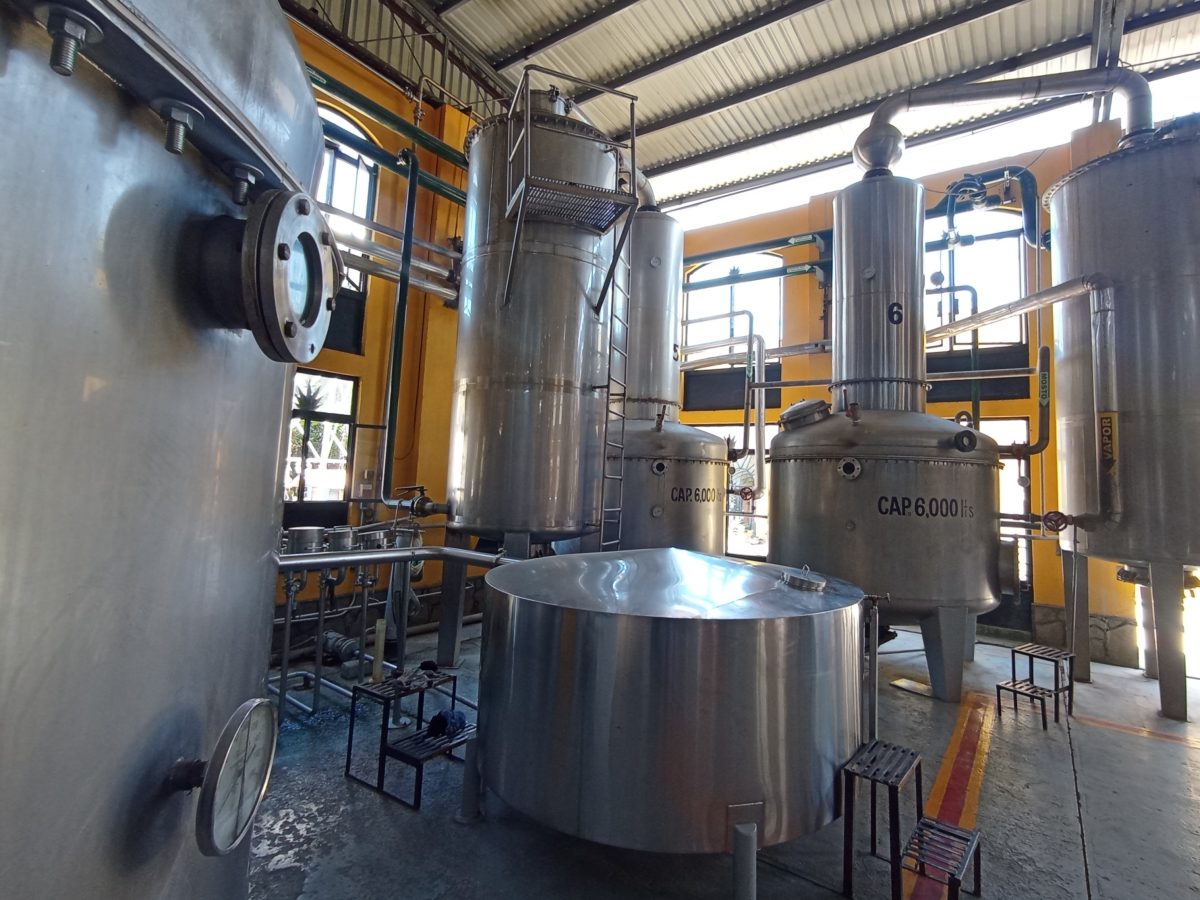
After cooking, things diverge further. Tequila mills the cooked agave mechanically and usually ferments in steel vats. Distillation takes place in copper or steel stills, and at the largest factories in columns.
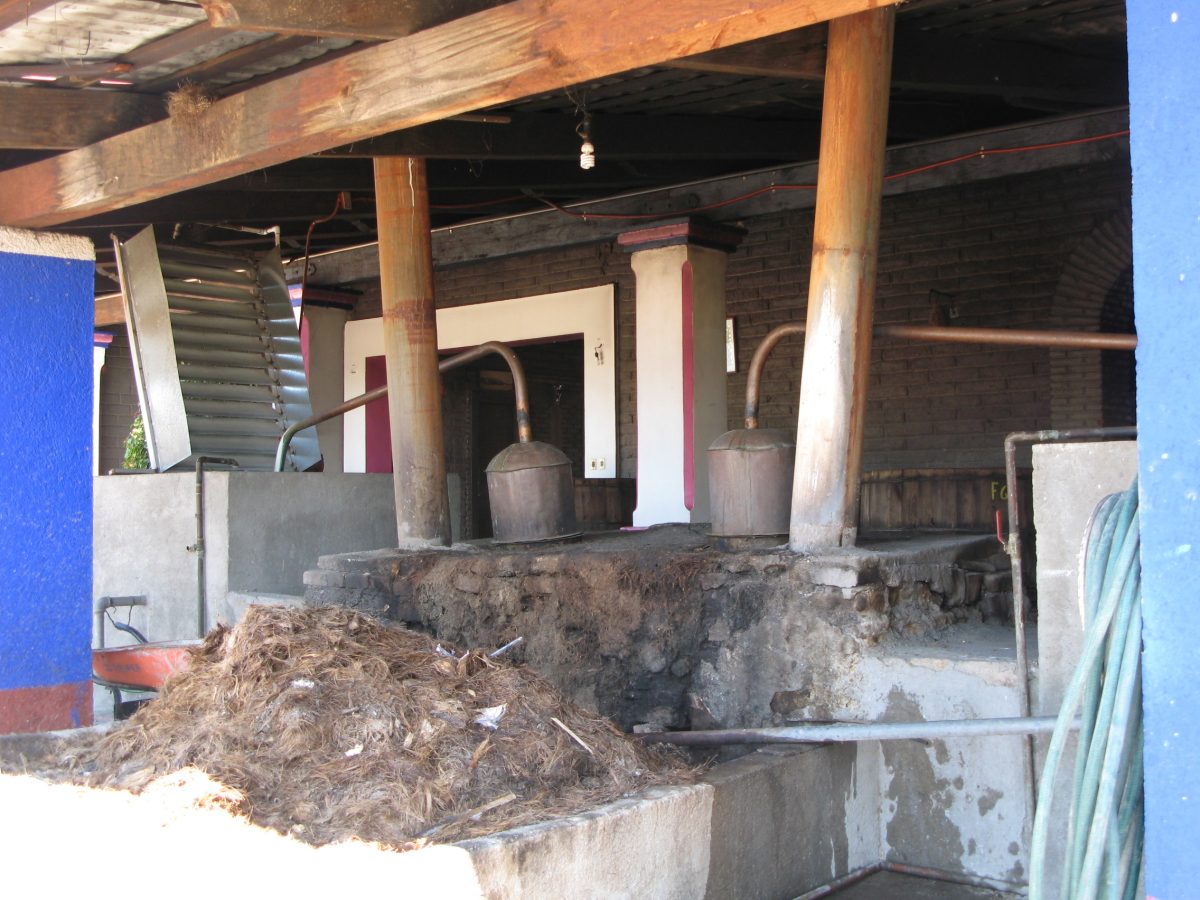
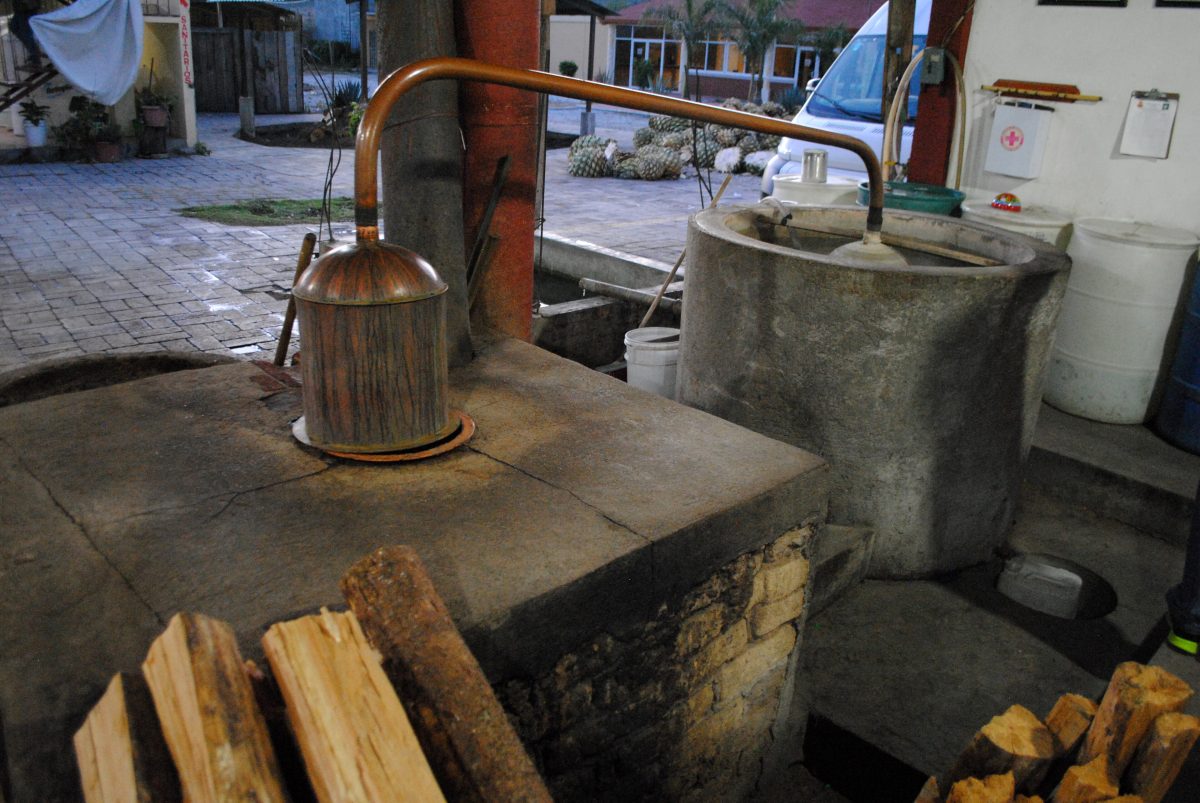
Mezcal artesanal is ground with a tahona, a stone wheel pulled round by an animal or a motor, or with wooden mallets. Fermentation takes place in wooden vats, stone tanks or even animal hides, often with the fibres included and with the yeasts that come from the air. Distilling is done in copper. For mezcal ancestral, the strictest category, distilling may even only be done in clay pots.
And what about the classes
Mezcal comes as joven or blanco, reposado and añejo, just like tequila. The periods differ. For mezcal, reposado is two to twelve months, añejo at least twelve months, and then in wooden casks of no more than 200 litres. For tequila that limit is 600 litres.
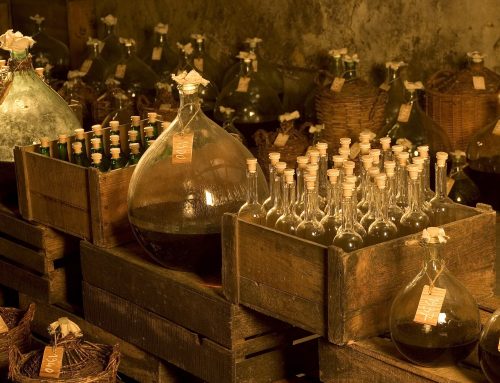
Mezcal also has designations that tequila does not, such as madurado and vidrio: matured in glass, underground, without wood. If you come across a bottle with those words, what you are holding is not cask influence but time.
Where to start
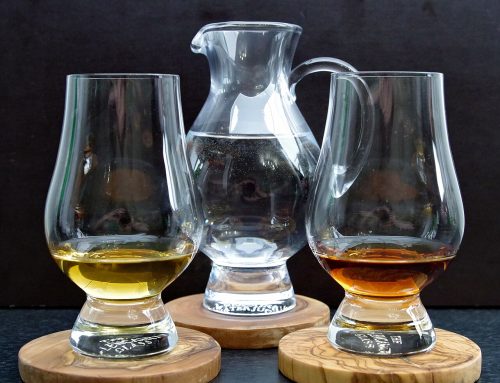
If you want to see the difference in one go, put a blanco tequila next to a joven mezcal made from espadín. Same plant family, same class, no wood in either case. Everything you taste then comes from the oven and the still.
If you are unsure what you have in your hands, drop in at the Brink or call +31 570 541 278. We will read the label with you and tell you if a house leaves something out.
Keep browsing
Our tequila and mezcal are together on the tequila page, and with the wine & spirits search engine you can browse everything. The rest of the spirits that fall outside the regular categories can be found under other spirits. Houses we stock include Del Maguey, Montelobos, Ilegal, Topanito and Ocho.
Why the strength from the still ends up on the label for other drinks is explained in overproof and navy strength. What the agave statement on a tequila bottle means is explained in 100 percent agave or mixto.