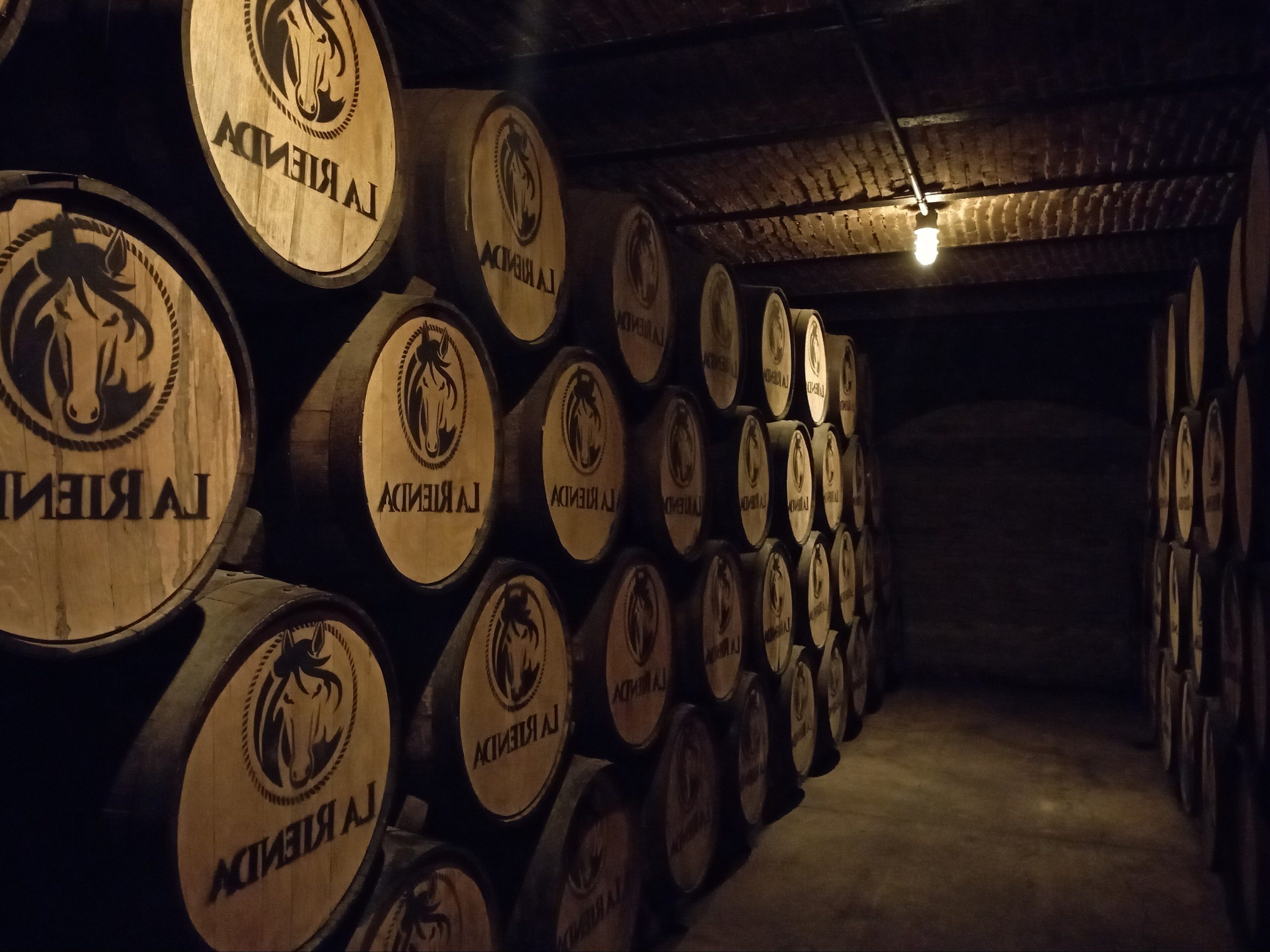
The short answer to this question is on the question page What is the difference between blanco, reposado and añejo tequila?. Below you can read the full story behind it.
In our tequila cabinet in Bathmen there are 75 bottles from 31 brands. Twenty of them are mezcal, the other 55 are tequila. If you sort those 55 by class, this is the result: 20 blanco or silver, 18 reposado, 9 añejo and 1 extra añejo. The rest are tequila-based liqueurs and a small cooking bottle.
Blanco, reposado and añejo are not style names that a brand may invent itself. They are set out in a Mexican standard, with a minimum number of months behind them. What is not in that standard is at least as useful to know.
Five classes, laid down in a standard
The rules for tequila are in NOM-006-SCFI-2012, the Mexican standard for the drink. It recognises five classes: blanco or plata, joven or oro, reposado, añejo and extra añejo. Every bottle must state exactly one of them.
The class is only about the time spent in wood. It says nothing about the region, nothing about the number of distillations and nothing about whether it is made exclusively from agave. That is stated elsewhere on the label.
Blanco: the bottle without wood
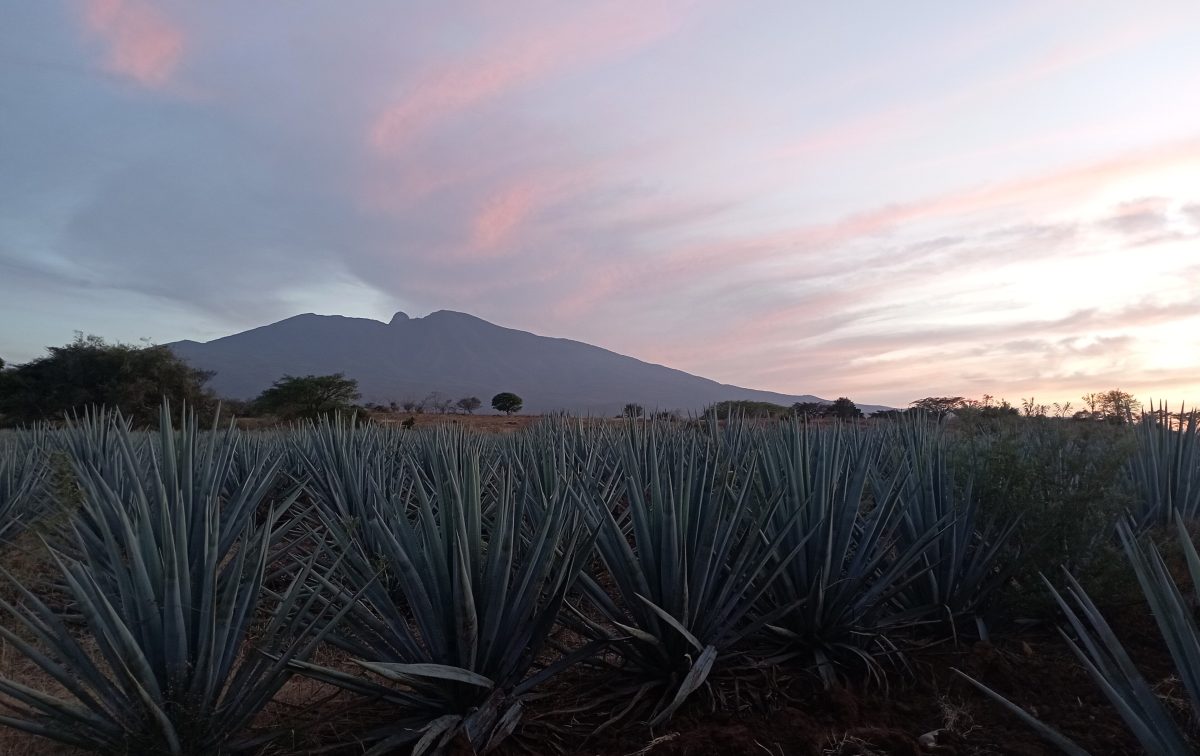
Blanco, also called plata or silver, is tequila that has not been aged. It may go into the bottle straight after distilling. Some houses first let it rest for a few weeks in steel or in a large wooden vat, but as long as that does not count as ageing under the standard, the class remains blanco.
So the bottle contains what came out of the still, with no wood in between. Anyone who wants to know how a house works is best off starting here, because nothing covers up the flaws.
On our shelves this is also the largest group. Twenty of the 55 tequilas are on the shelves as blanco, silver or plata, and almost every house we stock has one.
Joven or oro: the class nobody explains
Between blanco and reposado there is a class that is rarely mentioned: joven, also called oro. That is blanco blended with reposado, añejo or extra añejo, or blanco brought to a certain colour and flavour with permitted additions. Caramel colouring is one of them.
Much of the gold-coloured tequila on the shelf is joven. The colour then does not have to come from a cask.
Reposado: at least two months
Reposado means rested. The standard requires at least two months in oak. Longer is always allowed, and many houses go for four to eight months, but the minimum is two.
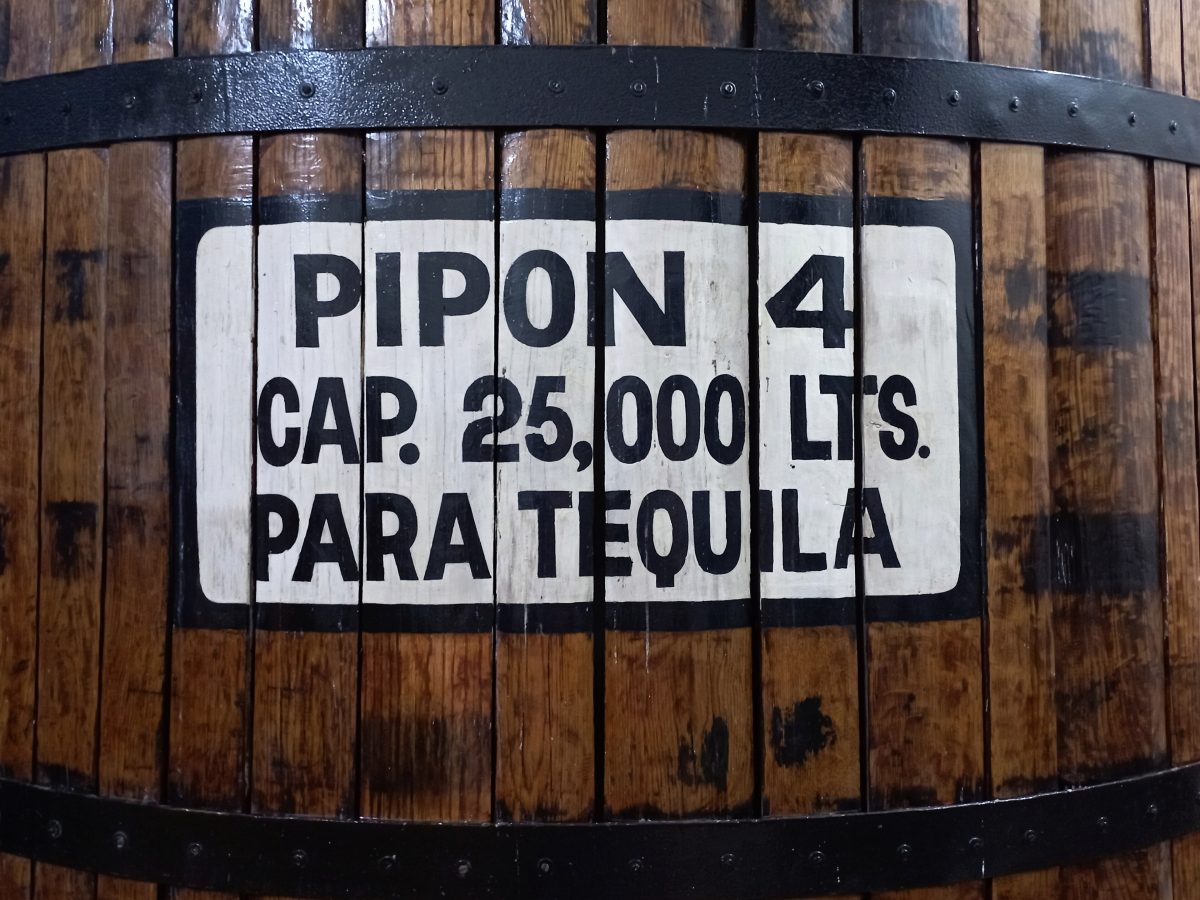
What the standard for reposado does not regulate is the size of the cask. A reposado may lie in a barrique of two hundred litres, but just as well in a pipón, a wooden vat of thousands of litres. The larger the vat, the less wood per litre. Two reposados with the same number of months behind them can therefore be far apart.
Añejo and extra añejo: the year and the limit of 600 litres
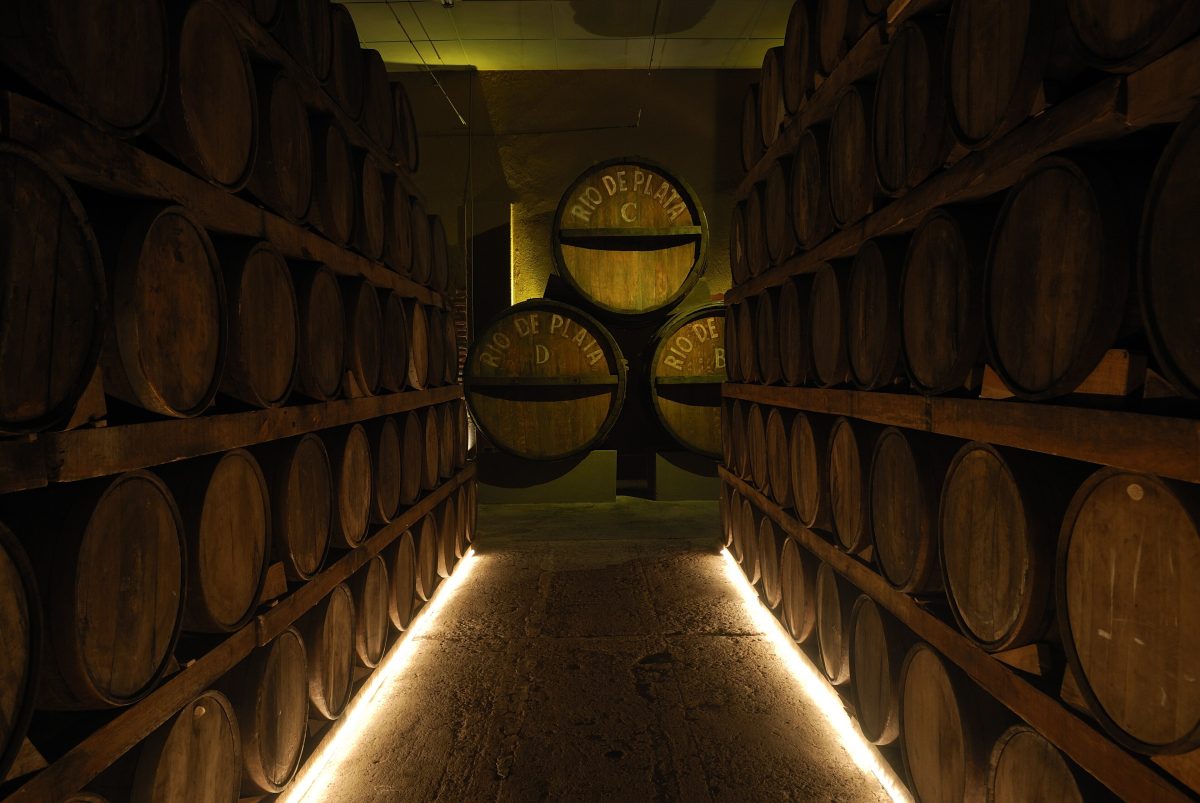
Añejo requires at least one year in wood. Extra añejo at least three. For both, the standard sets a second requirement: the cask may not be larger than 600 liters. That limit does not apply to reposado, and it is the only rule in the entire series that is not about time.
Above one year, the grading stops. An añejo that has rested for two years is still called añejo. Only at three years may the word extra be added. A bottle that states exactly how many months it has rested does so of its own accord.
Which type of wood it must be, the standard leaves open, as long as it is oak. In practice the vast majority is American oak, and often a cask that previously held bourbon. Houses that use something else, such as French oak or an ex-sherry cask, usually state that themselves.
Cristalino is not in the standard
Cristalino is the class that is not a class. What is in the bottle is a reposado, añejo or extra añejo that has been filtered through activated carbon until it is clear again. The colour has been removed, the time in wood has not.
Because cristalino does not appear in NOM-006, such a bottle must still show one of the five classes. Usually that is añejo or extra añejo. If you see only the word cristalino and nothing else, you are missing the information that matters.
In our own cabinet, cristalino appears exactly once, and even then as a mezcal rather than a tequila. It is no longer that rare in the Netherlands, but with us it is the smallest corner of the shelf.
What the category does not tell you
Two months, one year, three years: those are minimums. A distillery that takes longer does not have to state it anywhere. Two reposados side by side may therefore have spent two months and ten months in wood, and both labels carry the same word.
The reverse also applies: longer is no hallmark. At most houses extra añejo remains a small series alongside the regular bottles, and you can see that on our own shelf. Of the 55 tequilas here, exactly one carries that class.
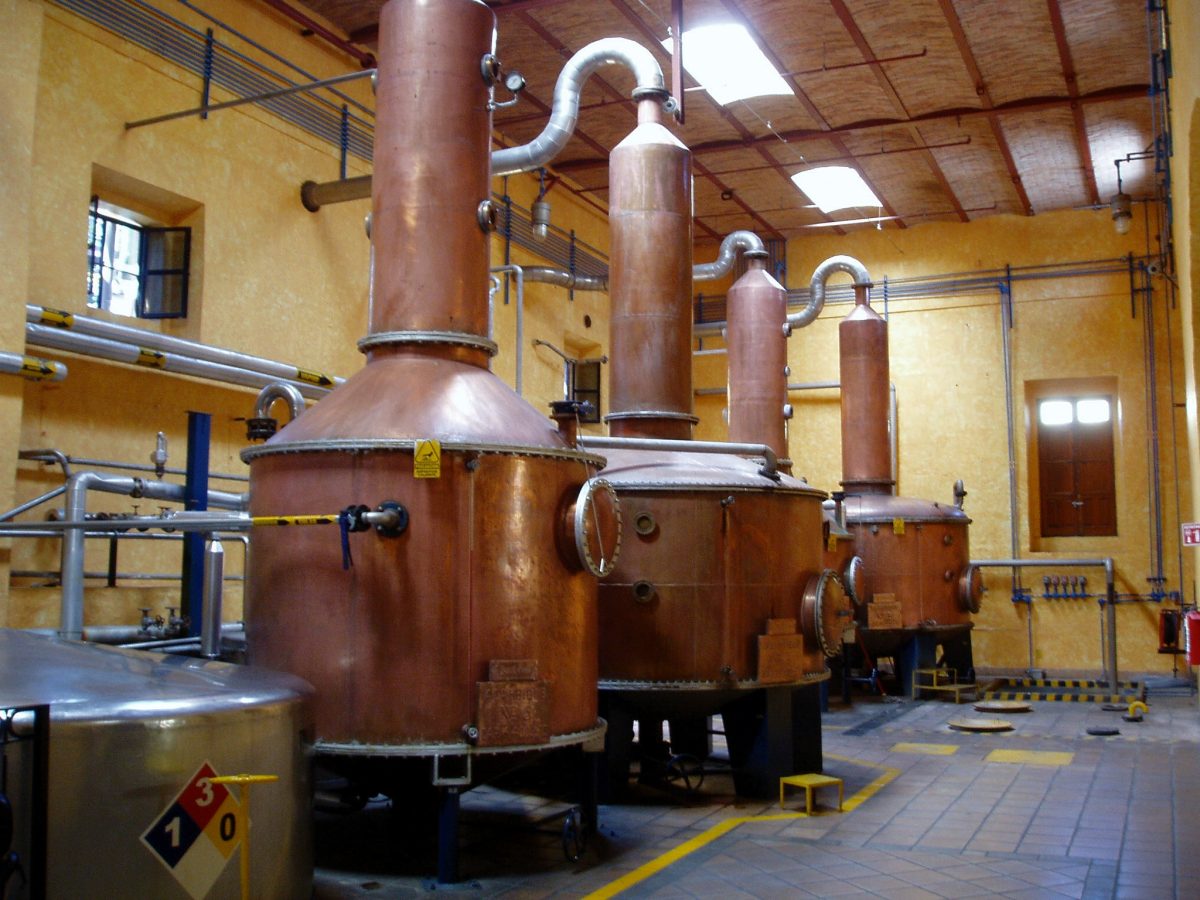
Where to start
If you want to compare the categories side by side, it is best to stay with one producer. From Ocho we have plata, reposado and añejo on the shelf, and from Kah even blanco, reposado, añejo and extra añejo. Then the wood is the only variable that changes.
If you are looking for a specific class, drop in at the Brink or call 0570 541 278. We check bottle by bottle what the label actually says, and where a house states the number of months, we pass that on.
Keep browsing
The entire stock is on our tequila page, and with the wine & spirits shop's search engine you can go through everything. Houses we stock include Ocho, Kah, Don Julio, Cazadores and Patron.
What the second designation on the same label means is explained in 100 per cent agave or mixto. How an age statement works for another drink is covered in what the age on a whisky bottle means.
And then the salt and lemon: why tequila is drunk that way, and when not.