Of the 168 ports in Bathmen, twenty-one carry an age on the label. Eleven say ten years, three say twenty, three say thirty, one says forty, two say fifty and one bottle from Kopke says eighty.
Almost everyone reads that number as a minimum, as with whisky. It is not. It is an average, and that is a fundamentally different number.
The number is an average, not a minimum
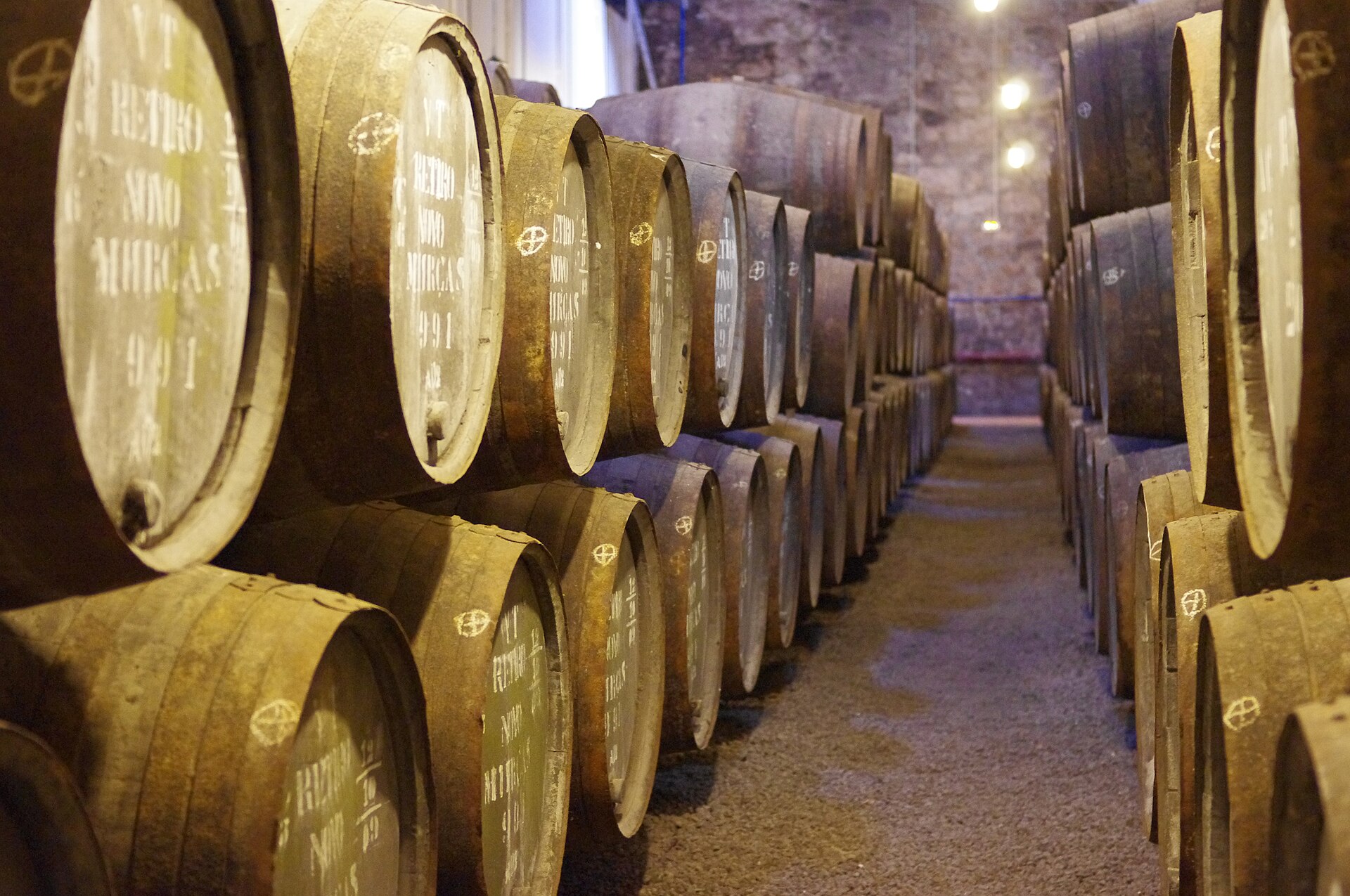
A tawny with an age indication is always a blend. The cellar master takes wine from casks of different harvest years and blends them into a single whole. A ten-year-old tawny can therefore contain wine of six years and wine of twenty years, mixed together.
What the number indicates is the average age of the wines in that blend. It says nothing about the youngest wine in the bottle and nothing about the oldest. With whisky it is exactly the other way round: there the label carries the number of the youngest drop. What that means is explained in what the age on a whisky bottle means.
Who checks whether it is correct
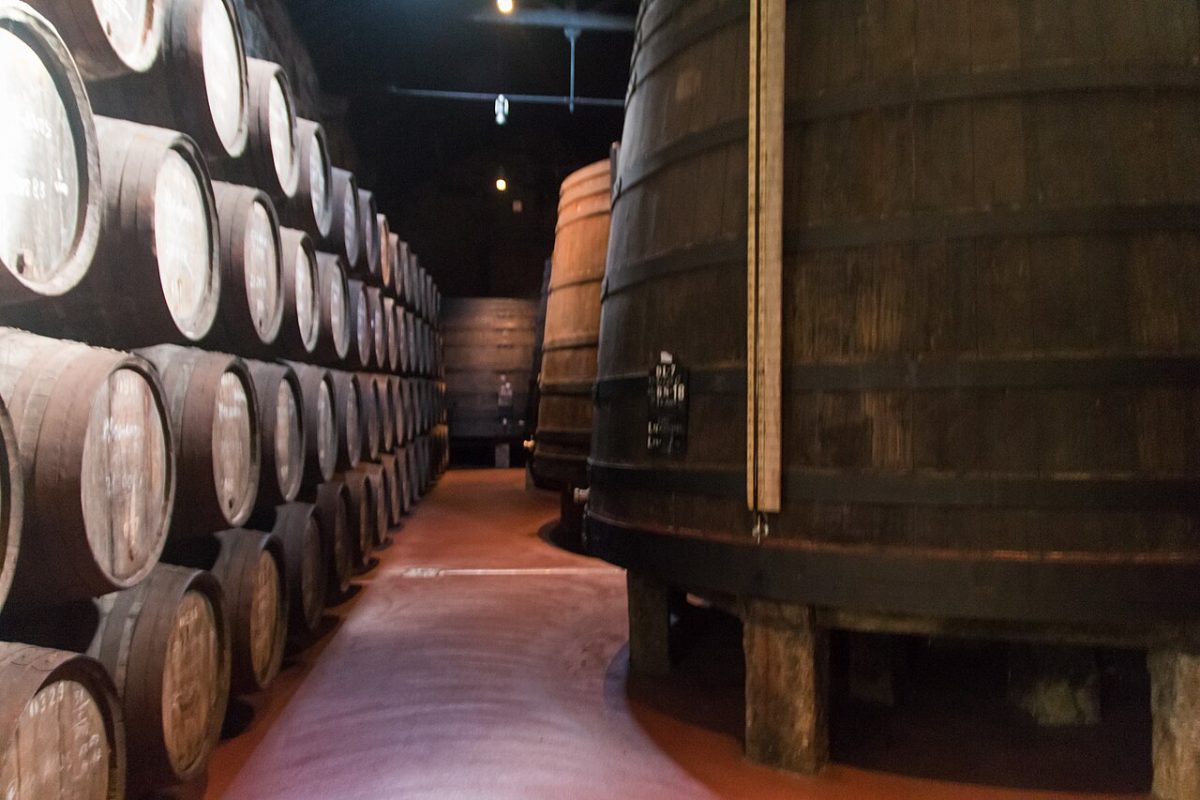
The blend goes to the Instituto dos Vinhos do Douro e do Porto, the institute in charge of port in Portugal. There it is tasted and assessed. Only when the wine has the characteristics that belong to that age may the number go on the bottle.
The institute also describes the categories in those terms. According to the IVDP, a ten-year-old tawny is a wine with the characteristics of a ten-year-old port. For twenty years it speaks of colours from red-brown to golden brown and of flavours that are more developed and concentrated, because the wine has spent time in small oak casks.
So it is an assessment of profile, not a sum of years. That is neither a trick nor a loophole: it is the only way to make a bottle that is produced anew every year taste the same every year.
Why two ten-year-old tawnies can differ so much
Precisely because it is about a profile, each house has room to manoeuvre. One house builds its ten-year-old with a lot of young wine and a dash of very old, another keeps everything close together. Both are correct.
That explains why a ten-year-old tawny from one house stays fresh and fruity while that of another already leans towards nuts. Put them side by side and you taste not a difference in age, but a difference in house style.
We stock ten-year-old tawnies from seven different houses. That is at once the nicest way to experience this: same age, different taste.
Fifty and eighty: the numbers that were added later
For a long time there were four categories: ten, twenty, thirty and forty years. Anything older had to be marketed under the designation very old, without a number.
That changed with a new regulation that came into force in January 2022. Since then the number fifty may appear on the label, for tawny and for white port. We have two bottles that make use of it, from Graham’s and from Kopke, plus a Kopke that says eighty years.
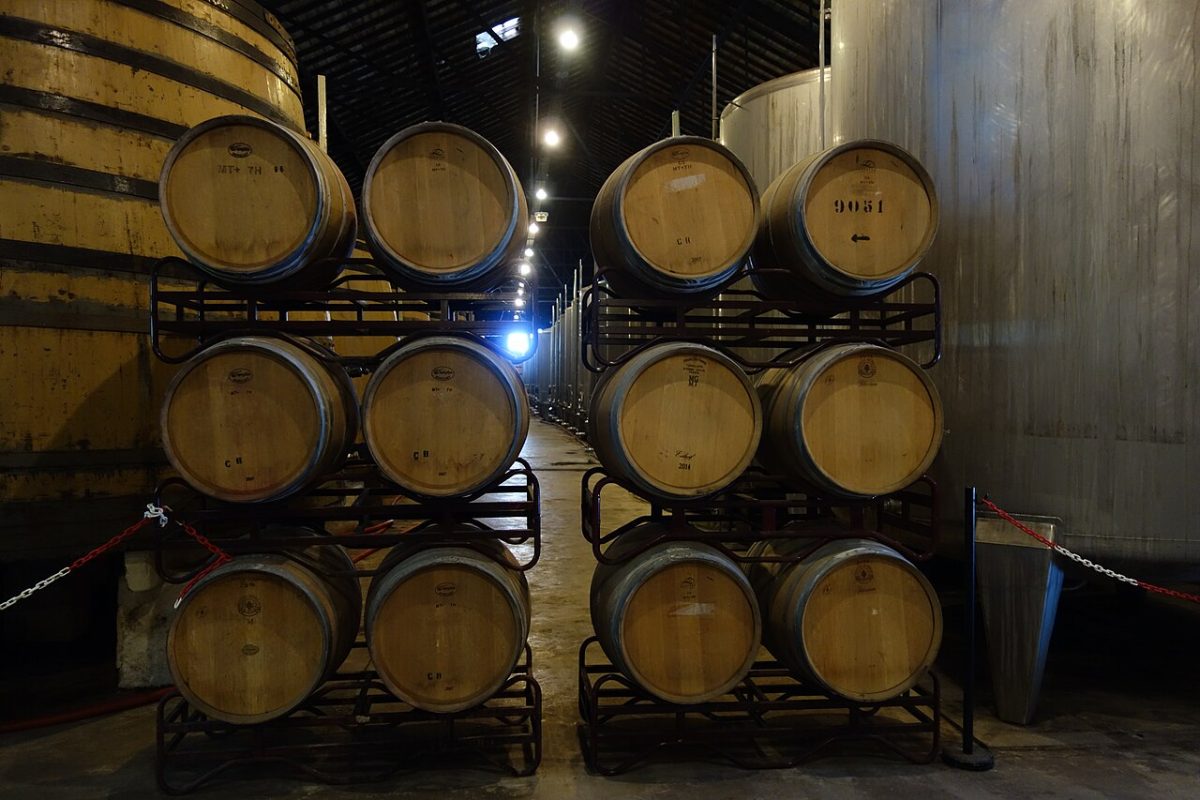
These are not bottles to open on a whim, but they do show how far oxidative ageing can go. After so many years in a pipe, nothing of the red remains.
The colheita: the same wood, a real year
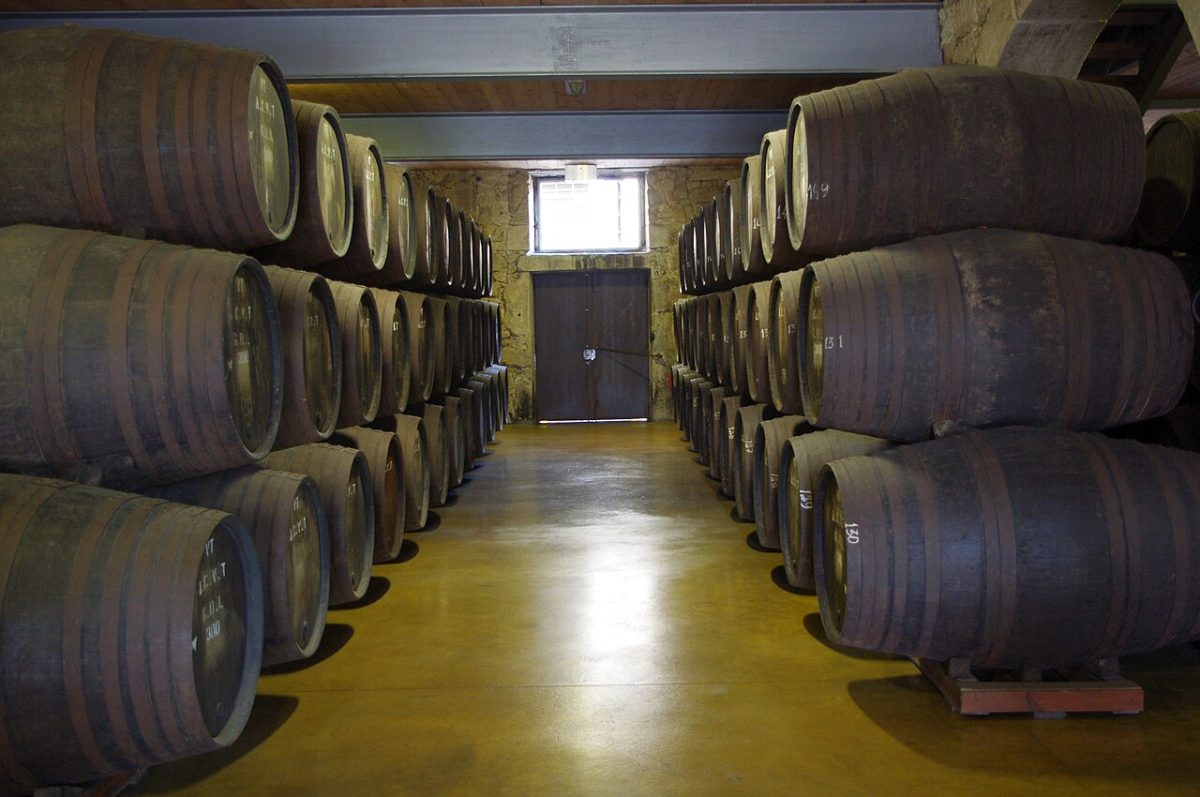
There is a tawny where you are not dealing with an average. That is the colheita: a tawny from a single harvest, with that harvest year on the label. By law it must lie in cask for at least seven years before it may be bottled, and in practice it often lies there for decades.
A colheita from 1985 is therefore really from 1985, from start to finish. For anyone looking for a bottle for a birth year or an anniversary, this is the category to choose, not the tawny with a number.
We have thirty-nine in stock, with vintages from 1940 to 2014. Thirty-six of them come from Kopke; that house has made it its trademark.
What the number does tell you
Despite all the nuance, the age statement is not an empty promise. A thirty-year-old tawny is demonstrably further along in its development than a ten-year-old, and the institute supervises this. The higher the number, the more nut, the less fruit, and the thicker the wine in the glass.
What the number does not do is promise that there is no young wine in it. If you want to know that, you need a colheita.

Where to start
If you want to get to know the difference between the age categories, it is best to start with ten and twenty years from the same house. The jump between them is big enough to recognise, and the bottles are close enough to compare fairly.
If you are wondering whether thirty or forty years is worth it, drop by or call 0570 541 278. We will tell you per bottle what the house says about the blend, and where the house says nothing, we say so too.
Keep browsing
Our entire port stock is on our port page, and with the shop’s search engine you can browse everything. Houses we stock include Kopke, Graham’s, Ramos Pinto, Cálem and Niepoort.
Why a tawny changes colour in the first place, we explain in ruby or tawny port: the difference is in the cask. And how long such a bottle stays good after you open it is in how long port keeps after opening.