The short answer to this question is on the question page What is the difference between ruby, tawny, LBV and vintage port?. Below you can read the full story behind it.
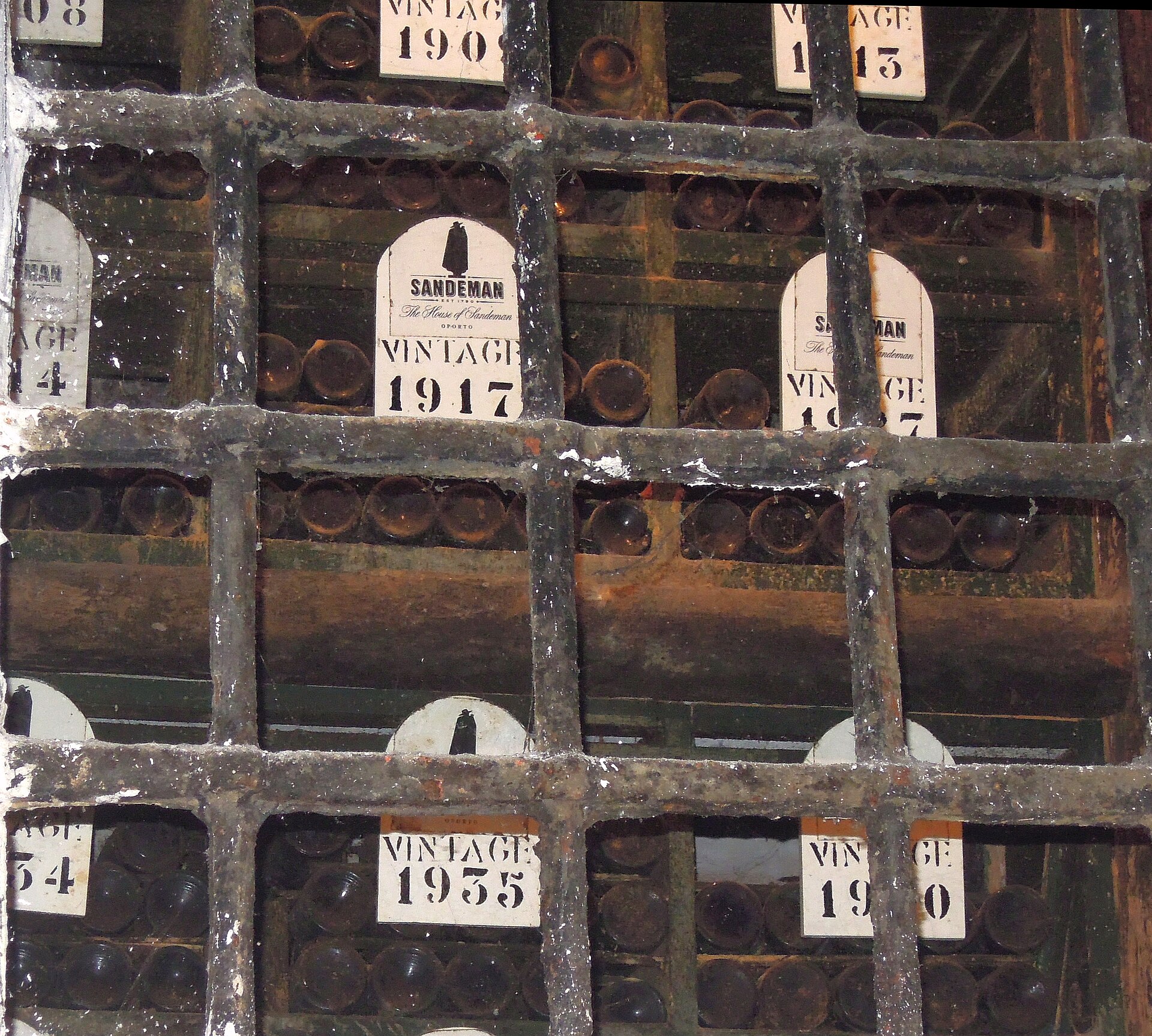
In the rack in Bathmen there are ten bottles with LBV on the label and thirty-one with the word vintage, with harvest years from 1979 to 2022. They look the same, they stand side by side, and both carry a single year.
Yet they are two different things, and you only notice the practical consequence once the bottle is on the table. One needs to be stood upright a day in advance and decanted. The other you simply pour.
Vintage: one year, and only if that year was good enough
A vintage port comes from a single harvest, and that harvest has to be exceptional. In the second year after the picking, a house decides whether to declare the year, which is called declaring. If that does not happen, the wine goes into other bottles. Such a declaration rarely happens more than three times in ten years.
The wine then spends only two winters in cask and is bottled in the second or third year after the harvest. Unfiltered, because the house specifically wants the solids to stay in. That is the source of the development such a bottle goes through over another thirty or forty years.
The result is a bottle that is not yet finished at purchase. A vintage often needs fifteen years or more before it becomes approachable, and then keeps going for decades.
LBV: a single year, four to six years longer in wood
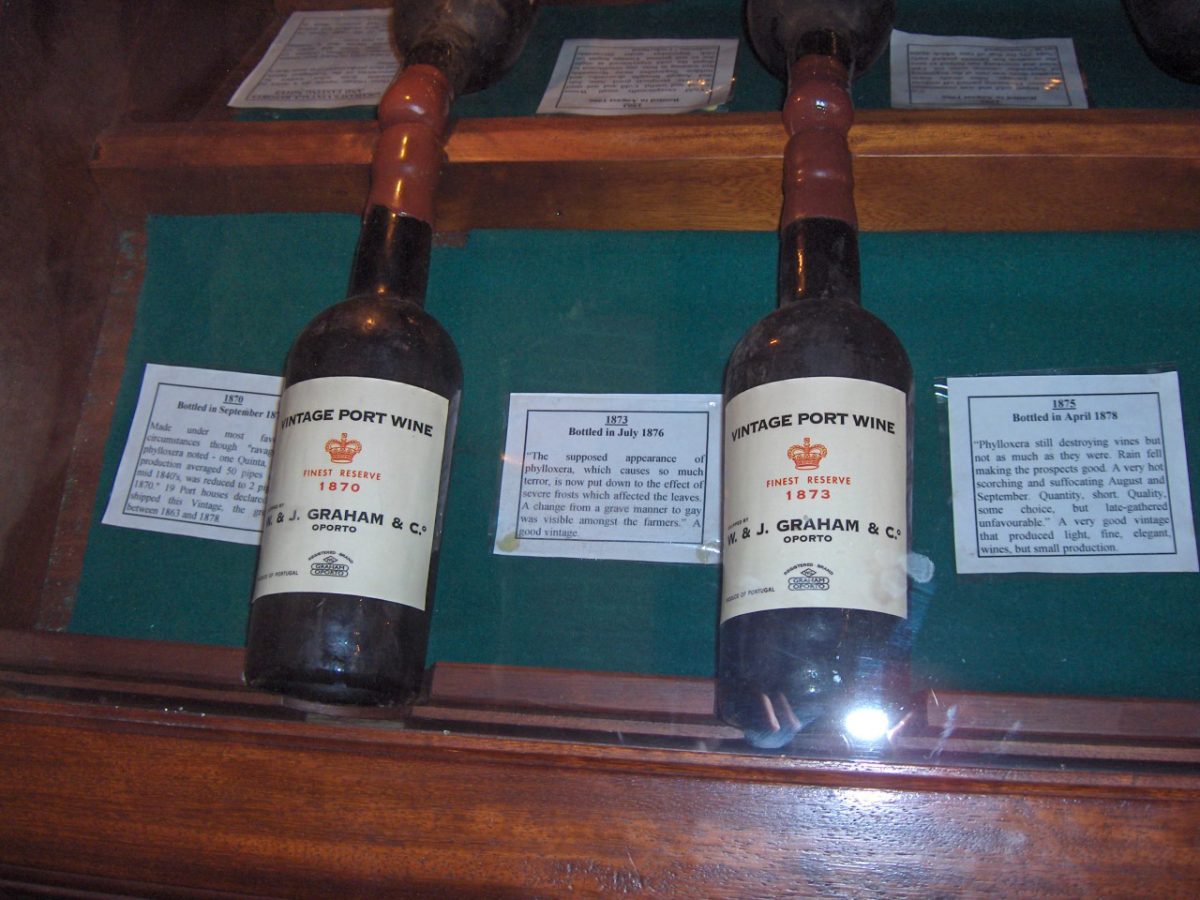
Late bottled vintage also comes from a single harvest. The difference lies in what happens afterwards: the wine stays in cask for four to six years before it is bottled. Hence the name, late bottled.
Those years in wood do two things. The wine deposits its solids in the cask instead of in the bottle, and it has become used to oxygen. What is then bottled is a finished wine. You do not have to wait fifteen years for it.
That makes the LBV in practice the bottle for weekdays and the vintage the one for an occasion. Not because one is better than the other, but because one demands patience and the other does not.
Why vintage does need the decanter and LBV usually does not
This is where most people go wrong, because it is often said that port should always be decanted. That is not the case.
A vintage is never filtered and over the years deposits a thick layer of sediment against the bottom of the bottle. If you pour it out as it is, the last guest gets a glass with grit. With a vintage, decanting is therefore not a ritual but a necessity.
By far most LBV is filtered and stabilised before bottling. There is no sediment in it and none will form. Such a bottle does not need to go through a decanter; opening it and pouring is enough.
There is one exception, and it is on the label. An LBV that has been bottled unfiltered carries the words traditional or bottle matured, in Portuguese envelhecido em garrafa. That one does throw a sediment and you treat it as a vintage.
How to tell from the bottle what you are holding
First look at the words. If it says only vintage and a year, you have a vintage. If it says late bottled vintage or LBV, check whether traditional or bottle matured is also there.
Then look at the closure. A vintage and an unfiltered LBV get a long natural cork that you remove with a corkscrew. A filtered LBV usually has a stopper with a top on it, which you push back in by hand. That is not a law, but it holds true more often than not.
And finally, hold it up to the light. If you see a rim of sediment on the bottom or the side of the bottle, the bottle should be stood upright regardless.
Decanting in brief
Stand the bottle upright at least a day in advance, so that all the sediment sinks to the bottom. After that, move it as little as possible.
Open it and pour it into a decanter in one calm, continuous movement, with a small lamp or candle under the shoulder of the bottle. As soon as you see the first thread of dark sediment entering the neck, stop. Throw away the last little bit or use it in the kitchen.
An old vintage then does not need to breathe for hours. With such bottles the decanter is there to leave the sediment behind, not to open up the wine.
The in-between styles: single quinta and crusted
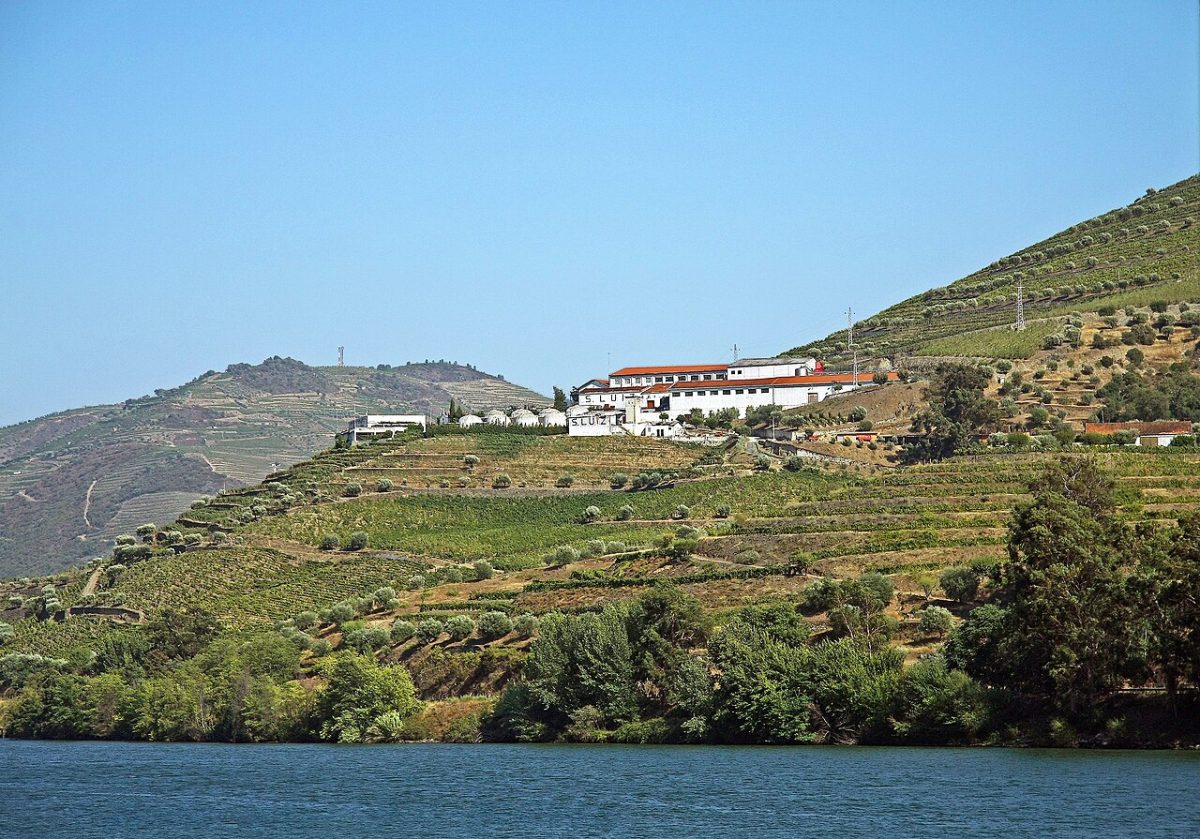
Between the vintage and the LBV there are two more categories you will find with us. The single quinta vintage is a vintage from one estate, often from a year that a house did not declare as a whole. Kopke does this with Quinta São Luiz, Ferreira with Quinta do Porto.
Crusted is a different case. It is not made from a single harvest but from two or three, and the year on the label is the year of bottling, not the vintage. It goes into the bottle unfiltered, must by law remain there for at least three years, and forms the deposit to which it owes its name. Decanting is therefore a must. We have one in stock, from Fonseca.
Where to start
If you want to know where the difference lies without opening a thirty-year-old bottle, take an LBV and a young vintage from the same house. The LBV tastes rounder and smoother, the vintage tighter and firmer, with tannin that is not yet ready.
If you are looking for a bottle for a particular year, or are unsure whether that bottle in the cabinet needs decanting, drop in or call +31 570 541 278. We check for each bottle what the house says about how it was bottled.
Keep browsing
The whole port range is on our port page, and with the search engine of the wine & spirits shop you can go through everything. Houses we stock include Kopke, Ferreira, Fonseca, Ramos Pinto and Cockburn’s.
Why one port stays on wood for a very long time is explained in ruby or tawny port. How long an opened vintage remains drinkable, you can read in how long port stays good after opening.