
Mendoza
Mendoza is the province in the west of Argentina where most of the Argentine malbec grows. According to the Instituto Nacional de Vitivinicultura, in 2019 85.1 percent of all malbec in the country was in Mendoza, together 37,754 hectares. The grape originally comes from Cahors in southwest France. In the shop on the Brink in Bathmen there are currently 11 bottles from Mendoza.
- 11bottles in the shop
- 12–14,5%alcohol
Why is malbec so closely tied to Mendoza?
Because Mendoza by far has the most malbec in Argentina. The Instituto Nacional de Vitivinicultura (INV) counted 44,387 hectares of malbec across Argentina in 2019, 20.6 percent of all vineyard in the country. Of that, 37,754 hectares lay in Mendoza, or 85.1 percent.
Within the province itself, malbec is also the main grape: in 2019 malbec covered 24.9 percent of Mendoza's total vineyard area. Between 2010 and 2019 the malbec acreage in Mendoza grew by 41.6 percent, and in all of Argentina by 43 percent. Anyone who reads Mendoza and malbec together on a label is therefore looking at the most common combination in Argentine winegrowing.
Where does malbec in Argentina come from?
From south-west France, from the region around Cahors, where the grape has been grown since Roman times and was called Côt. After the phylloxera plague at the end of the nineteenth century, the grape largely disappeared from view there.
Malbec came to Argentina in 1853 with the French agronomist Michel Aimé Pouget, who had been appointed by Domingo Faustino Sarmiento. On 17 April 1853, with the support of governor Pedro Pascual Segura, the plan for an agricultural school and experimental farm, the Quinta Normal, was submitted to the provincial parliament of Mendoza. That date is the reason Malbec World Day falls on 17 April every year.
Mendoza at ’t Bockje
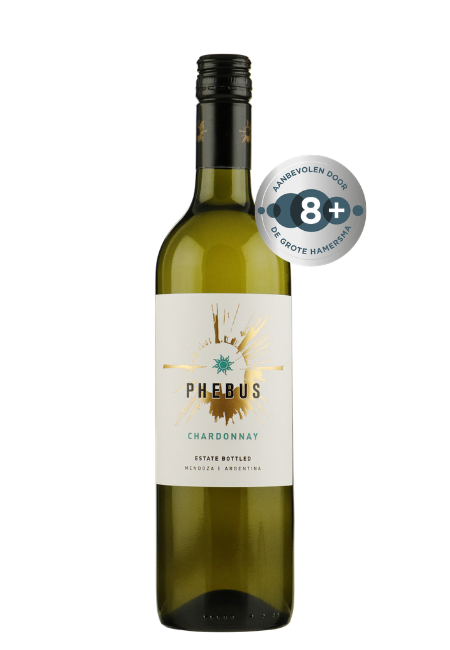
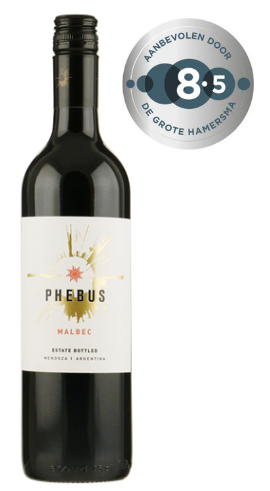
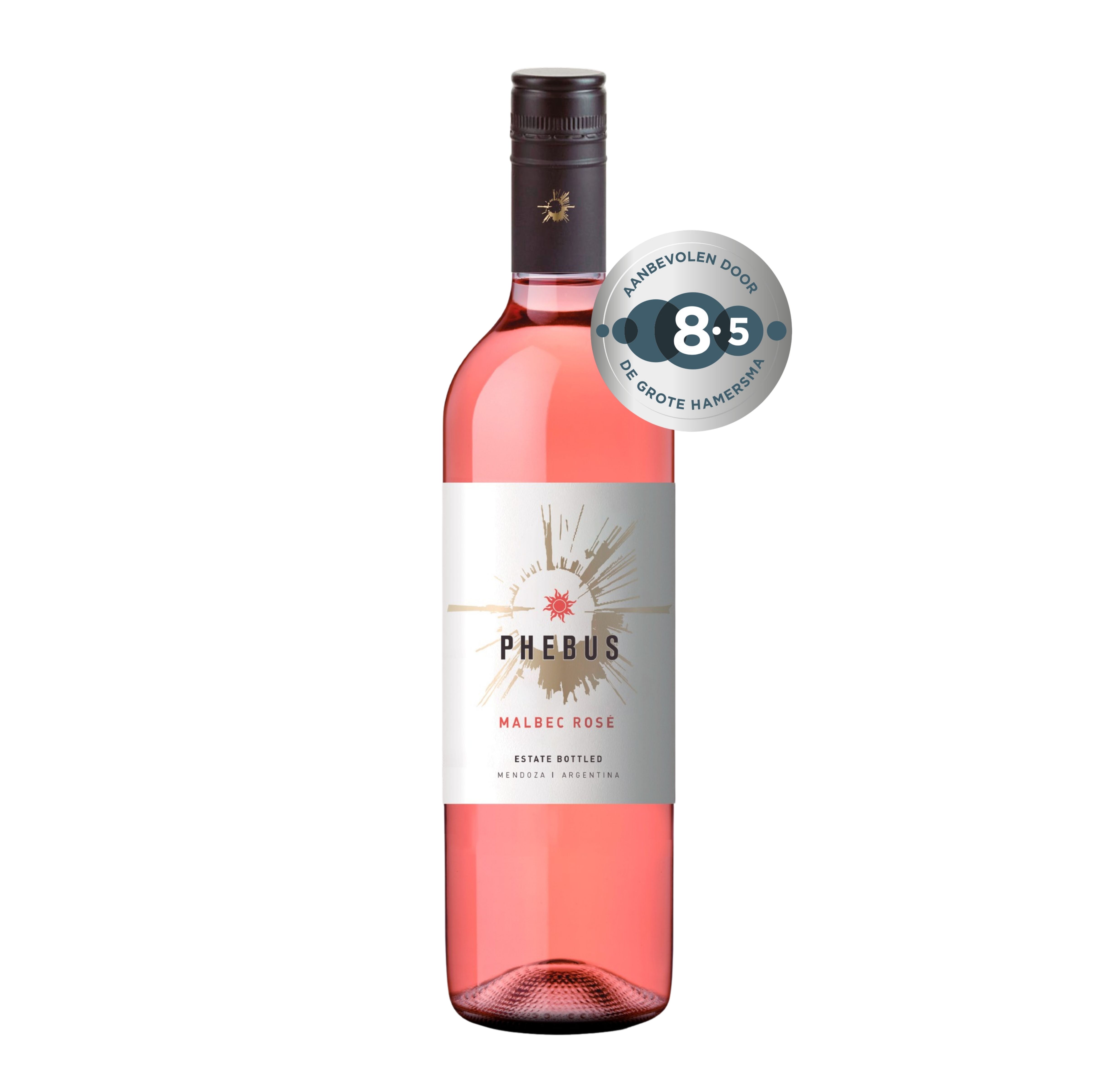
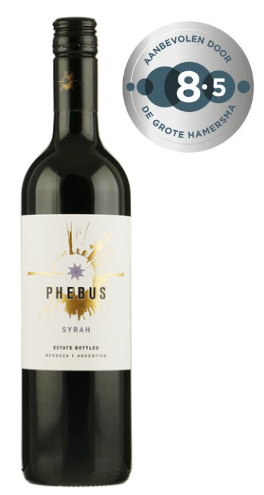
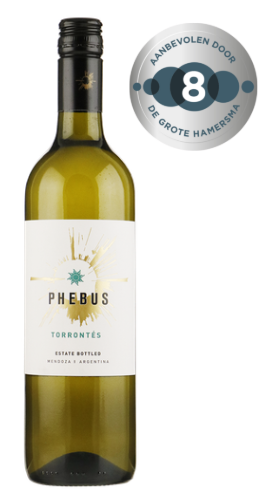
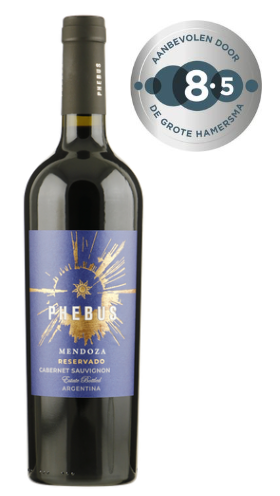
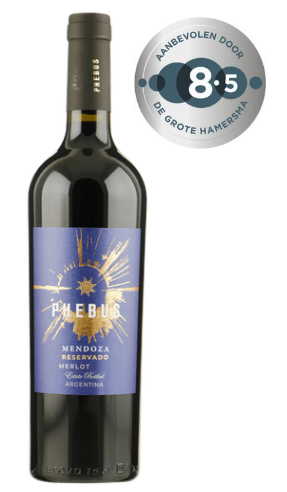
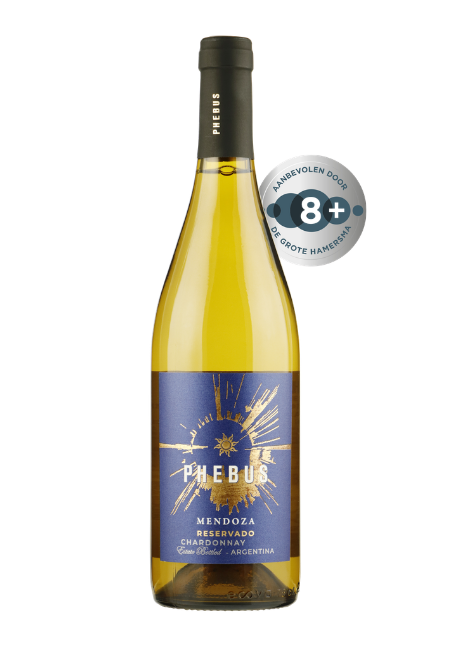
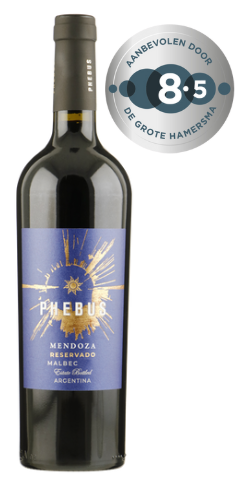
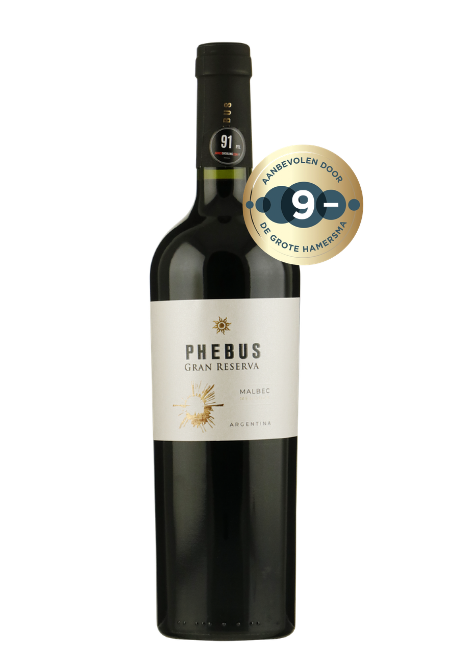
A selection from the 11 bottles now in the shop on the Brink.

In brief
| Province | Mendoza, West Argentina |
|---|---|
| Malbec in Mendoza (2019) | 37,754 hectares, 85.1 percent of all Argentine malbec |
| Share in the vineyard of Mendoza | 24.9 percent malbec (2019) |
| Largest malbec department | Luján de Cuyo, 8,765 hectares (2019) |
| Origin of the grape | Cahors, southwest France, called Côt there |
| Arrival in Argentina | 1853, with Michel Aimé Pouget |
| DOC Luján de Cuyo | Recognised by the OIV in 1991, minimum 18 months of ageing |
| In the shop | 11 bottles |
Which parts of Mendoza have the most malbec?
Luján de Cuyo is at the top. According to the INV figures for 2019, it had 8,765 hectares of malbec, 23.2 percent of the provincial total. It is followed by San Carlos with 5,649 hectares, Tunuyán with 5,185 hectares, Tupungato with 4,471 hectares and Maipú with 4,011 hectares.
Together these five departments account for almost three quarters of the Malbec in Mendoza. A label often shows only the province of Mendoza, but on wines with a narrower origin you will see the name of such a department or a smaller area within it. That says something about where the grapes grew, not about the style of the wine: that is decided by the producer.
What is the DOC Luján de Cuyo?
A protected designation of origin with its own rules for vineyard and winemaking. In 1989 a group of producers in Luján de Cuyo decided to focus on the distinctiveness of their area. In 1991 the designation was recognised by the International Organisation of Vine and Wine (OIV). According to the newspaper Los Andes, it was the first DOC of the American continent.
The rules are concrete: the vines must be at least 10 years old, there must be at least 5,000 plants per hectare, the yield may not exceed 10,000 kilos per hectare and the grapes are picked at at least 13.5 percent potential alcohol. The wine matures for at least 18 months, with a role for oak casks.
Which wines from Mendoza does ’t Bockje have?
Currently 11 bottles, all from Phebus in Argentina. Malbec is well represented: the Malbec, the Reservado Malbec, the Gran Reservado Malbec and the Malbec Rosé. This way you can see on one shelf how the same grape ends up on the bottle as a red wine in different ranges and as a rosé.
There are also other red grapes from the same producer: the Reservado Cabernet Sauvignon, the Reservado Merlot and the Syrah. For white there are the Chardonnay, the Reservado Chardonnay, the Reservado Sauvignon Blanc and the Torrontés. Would you like to know which bottle suits your meal or occasion? Just give us a call or drop by at Brink 2 in Bathmen.
What customers also ask
When is Malbec World Day?
Every year on 17 April, since 2011, on the initiative of Wines of Argentina.
How much malbec is planted in Argentina?
According to the INV, 44,387 hectares in 2019, 20.6 percent of all vineyards in the country.
Is malbec an Argentinian grape?
No, the grape comes from Cahors in southwest France and came to Argentina in 1853.
Does Mendoza also make white wine?
Yes. In the shop you will find, among others, chardonnay, sauvignon blanc and torrontés from Argentina.
How much wine from Mendoza is in the shop?
At the moment 11 bottles, all from Phebus.
Keep browsing
Sources
- Informe Malbec 2019, Instituto Nacional de Vitivinicultura (INV), argentina.gob.ar/sites/default/files/malbec_2019.pdf (accessed 7 October 2026)
- Malbec World Day, Ministry of Foreign Affairs of Argentina (Cancillería), edina.cancilleria.gob.ar/en/node/82913 (accessed 7 October 2026)
- Roberto de la Mota: tener una DOC habla de la madurez de un país vitivinícola, Los Andes, losandes.com.ar/economia/roberto-de-la-mota-tener-una-doc-habla-de-la-madurez-de-un-pais-vitivinicola/ (accessed 7 October 2026)
The shop is at Brink 2 in Bathmen. Open Tuesday to Friday from 09.00 to 18.00 and Saturday from 09.00 to 17.00. For advice, call 0570 541 278 or email info@bockje.nl.
Wij verkopen geen alcohol aan personen onder de 18 jaar. NIX18.