The short answer to this question is on the question page What is non-alcoholic gin?. Below you can read the full story behind it.
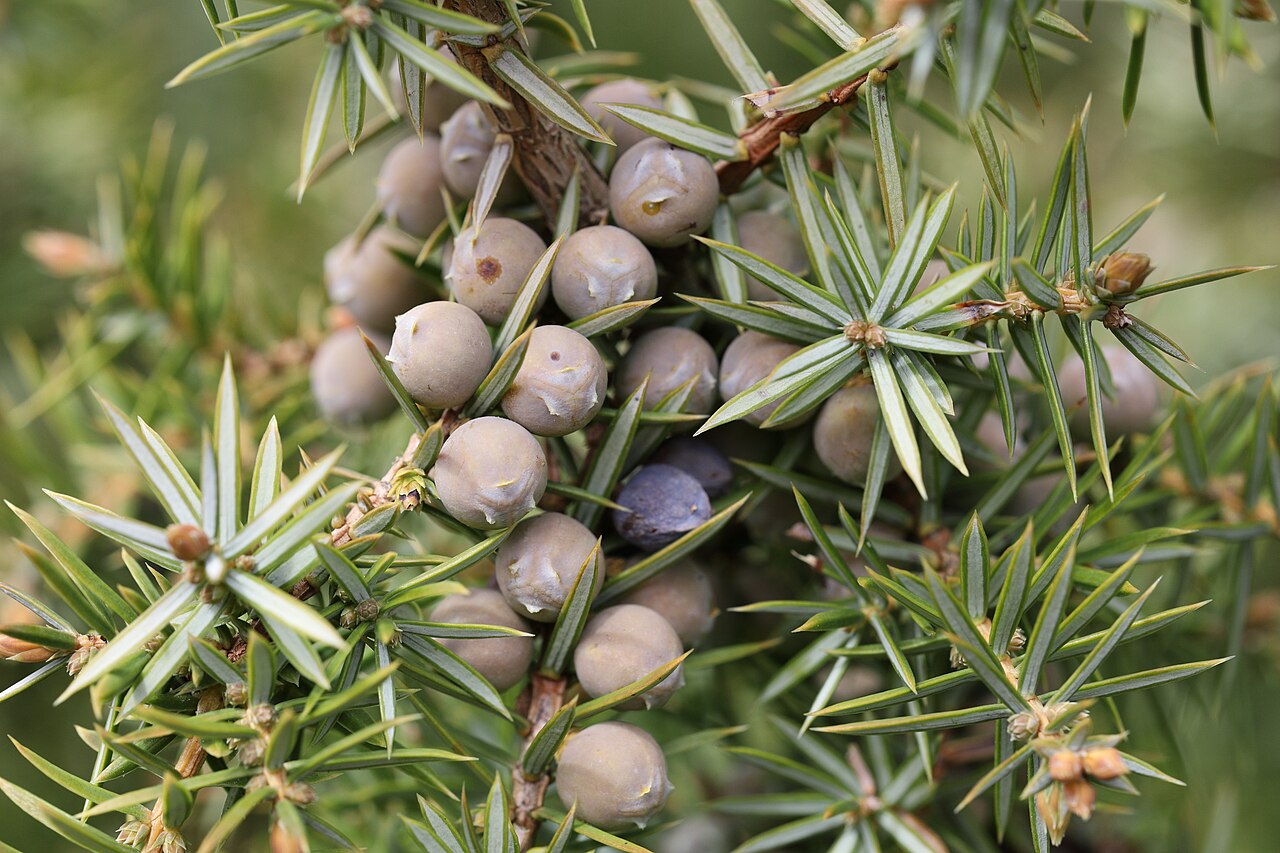
At our place in Bathmen there are 110 alcohol-free bottles on the shelf. By far the most of them are beer or wine. Five are something else: a clear bottle with juniper, coriander and citrus peel in it and zero percent alcohol. Three of those five aim at gin.
It is the category that gets the most questions at the counter, and that makes sense. Gin is by definition a spirit. What is left, then, when you take the alcohol out, and how do you get that flavour in at all without alcohol?
To begin with: it may not be called gin
The European regulation on spirit drinks, number 2019/787, sets out for each category what a name means. Gin must have at least 37.5 percent alcohol by volume. The same minimum applies to distilled gin and London gin. A juniper-flavoured spirit drink is allowed from 30 percent. Liqueur starts at 15 percent.
Article 10 of that same regulation makes short work of it: a legal name may not be used for something that does not meet the requirements, not even with a word such as type, style or imitation alongside it. A bottle at zero percent therefore cannot be called gin, nor gin-style.
What is printed there differs per producer. Alcohol-free alternative. Non-alcoholic spirit. Alcohol-free herbal drink. In shop lists, ours too, that is often shortened to gin 0.0, because people search for that. On the label itself it is worded differently.
Route one: distil first, then remove the alcohol
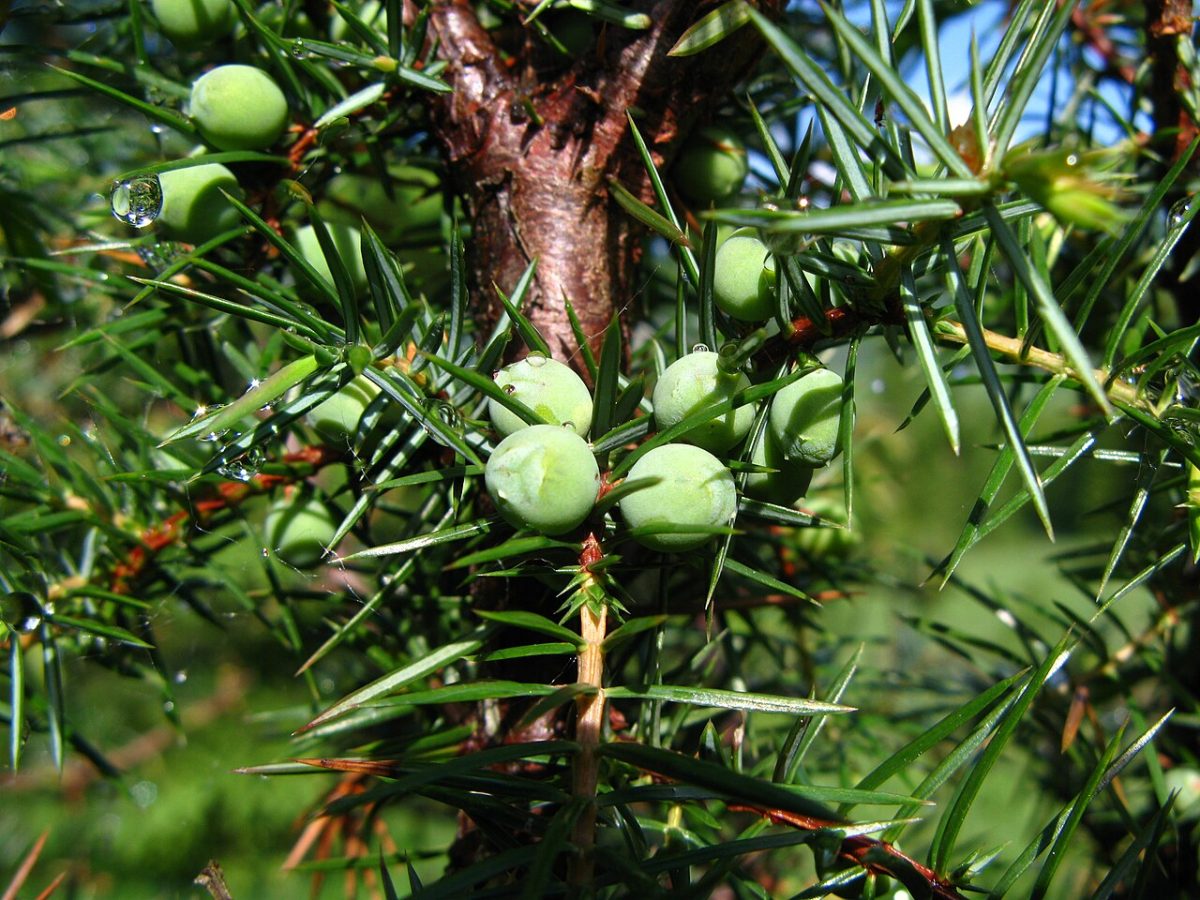
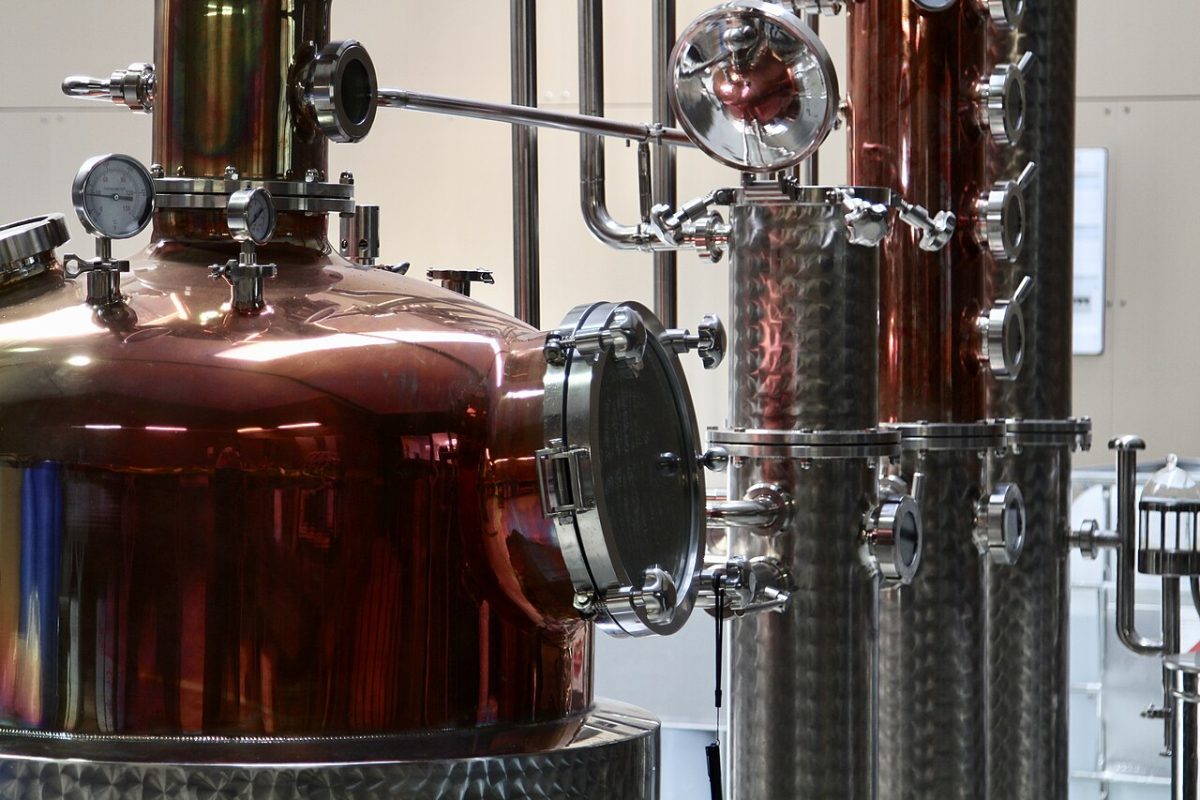
The first method is the easiest to understand. You simply make gin. Juniper, coriander, angelica root, citrus peel and whatever else the distillery wants to add, in neutral alcohol, and then through the still. Afterwards you take the alcohol out again.
The latter can be done in two ways. With vacuum distillation, you lower the pressure in the equipment. At normal air pressure alcohol boils at just over 78 degrees, but at a tenth of that pressure it boils at around 35 degrees. The alcohol therefore evaporates without the drink being boiled, and the volatile aromas largely stay in place.
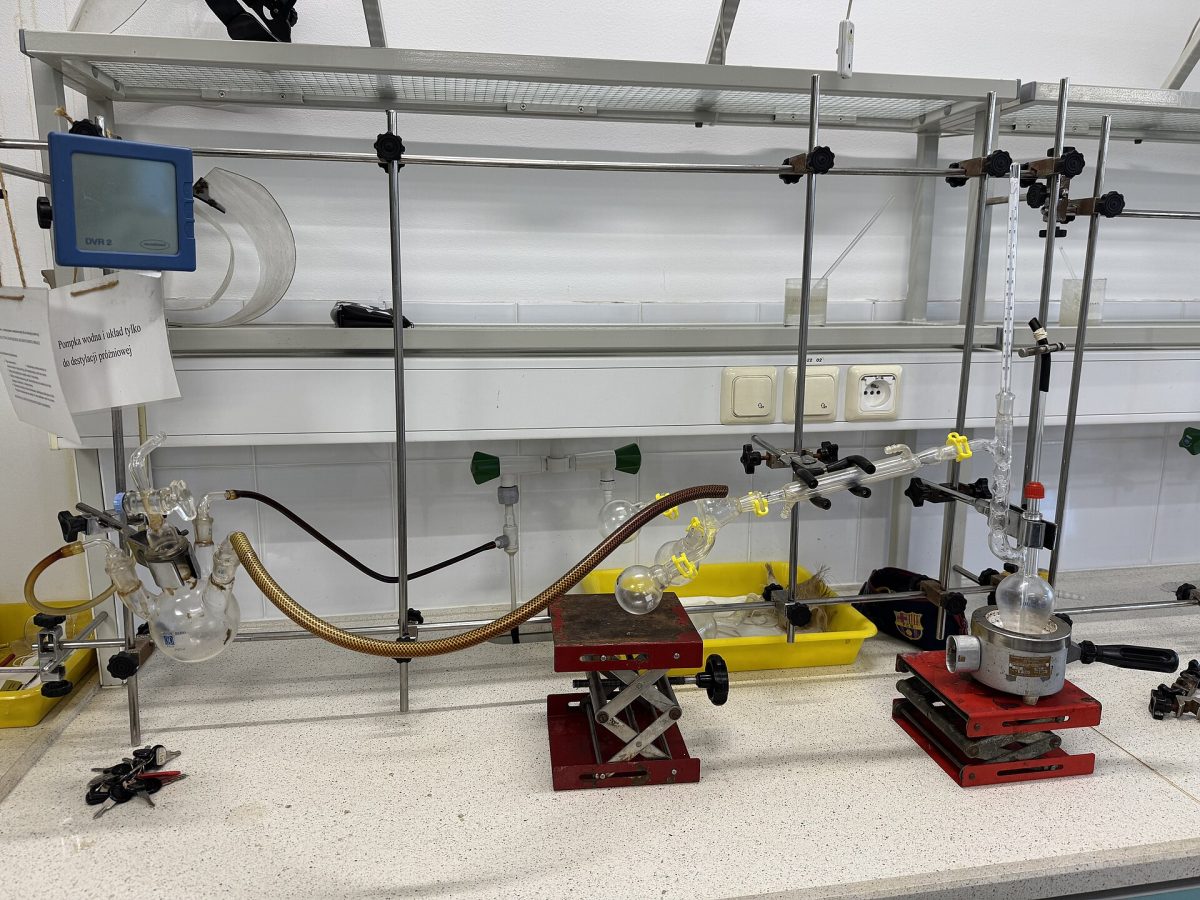
The second method is reverse osmosis. The drink is pressed under high pressure along a membrane that lets water and alcohol through but holds back the larger aroma molecules. What passes through goes through a column where the alcohol is removed, and the water is returned to the concentrated part.
Route two: never alcohol nearby
The second route skips the gin. The botanicals go into water, not into alcohol. That can be done with steam distillation, in which hot steam passes through a basket of berries and herbs and carries the aromas with it. It can also be done cold, by leaving the herbs in water for days and then concentrating that liquid under vacuum.
This route is more laborious, and that comes down to one physical problem. The aroma compounds you want to extract from juniper, pinene and limonene first of all, dissolve poorly in water and well in alcohol. Without alcohol you have to work harder for less result: longer steeping, more material, or an extraction with carbon dioxide under pressure.
What you lose when the alcohol is taken out
Alcohol does four things at once in a bottle of gin. It is the solvent that holds the aromatic compounds. It carries those compounds to your nose as soon as it evaporates from the glass. It gives the drink body in the mouth and a slightly sweet impression without any sugar in it. And it keeps the bottle in good condition for years.
Take the alcohol away and all four collapse at once. That is why an alcohol-free bottle does not simply taste like gin without the bite. It is not a layer that is missing, it is the carrier.
Why something has to be added
That is why the ingredient list of such a bottle is longer than that of gin. Glycerine or sugar for the body. Acid for length. Often something sharp for the warmth the alcohol no longer gives: ginger, black pepper, Szechuan pepper, sometimes a chilli pepper extract.
That is immediately the most useful thing to say about this category. Above 1.2 percent alcohol by volume, European labelling rules do not require a drink to carry an ingredients list. Below it, they do. So a bottle of gin tells you nothing about its composition, while an alcohol-free bottle tells you everything. Turn it over and read along.
Why an open bottle like this belongs in the fridge
Another consequence of the same rule. At 37.5 per cent alcohol nothing grows. An opened bottle of gin will still be waiting two years from now. At zero per cent that is over: it is then a herbal infusion with sugar in it, and that spoils.
Producers solve that with pasteurisation or with a preservative, usually potassium sorbate or sodium benzoate. But on almost every bottle it also says: keep chilled after opening and finish within a number of weeks. That advice is not a vague caution, it is the heart of the product.
Where to start
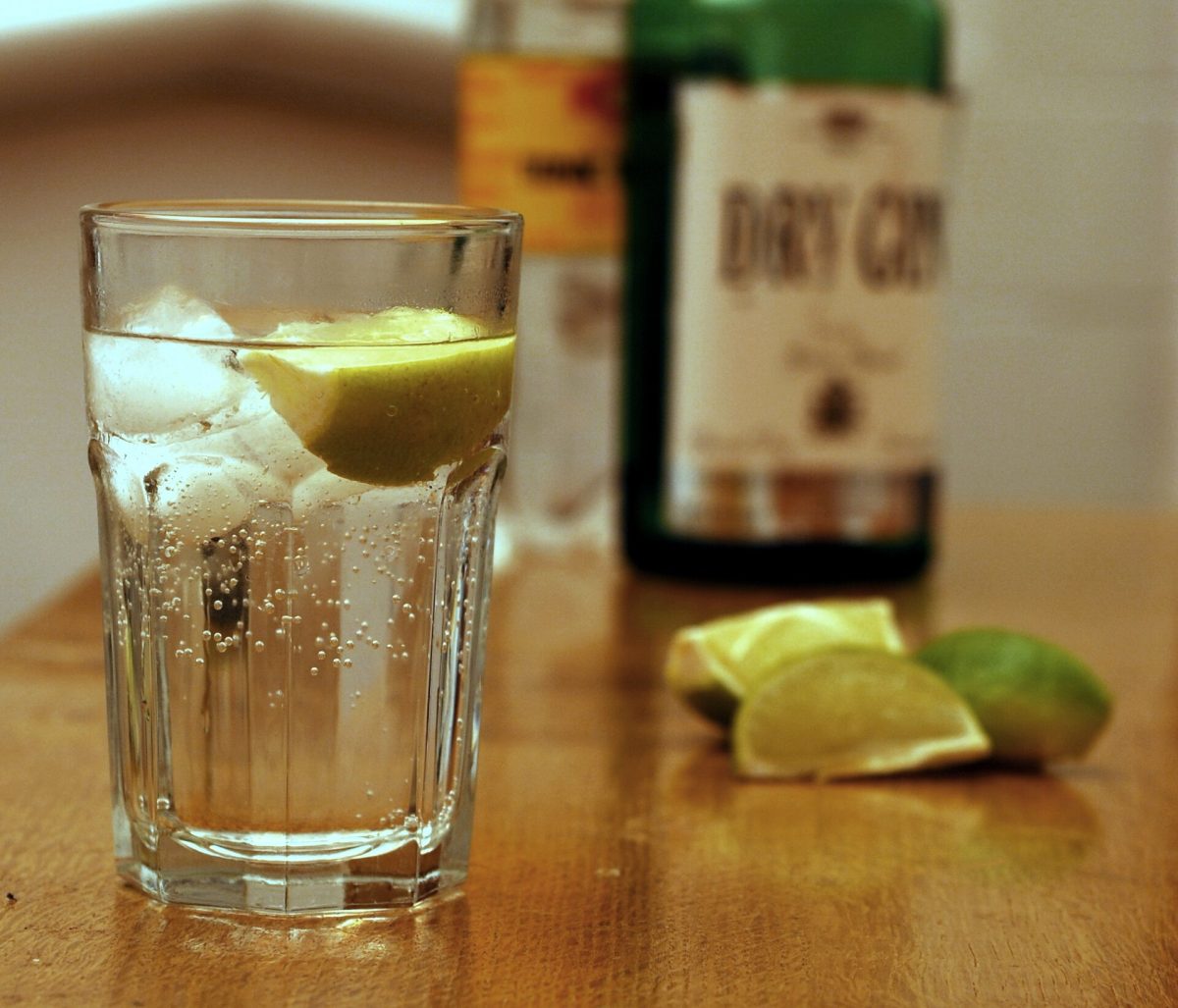
Never pour such a bottle neat. It is made to be diluted, just like gin. Take the ratio you are used to from a gin and tonic, but do not be stingy with the ice: drinking it cold helps, because warm the bitterness comes out hard.
Also choose a tonic that is not too sweet. An alcohol-free base has already been given sugar for body, and with a sweet tonic added the whole becomes sticky. We wrote a separate piece earlier about which tonic suits which style.
Below are four alcohol-free bottles from our own shelves that, like an alcohol-free alternative to gin, rely on bitterness and spice. And do not expect a copy. An alcohol-free bottle is a drink in its own right with its own intentions, not a gin with something left out.
Read more
- The whole alcohol-free shelf is on our page with alcohol-free drinks.
- About the drink this is an alternative to: our gin page and what London Dry legally means.
- Same technique, different drink: alcohol-free beer and alcohol-free wine.
- Search the entire range: alcohol-free at ’t Bockje.