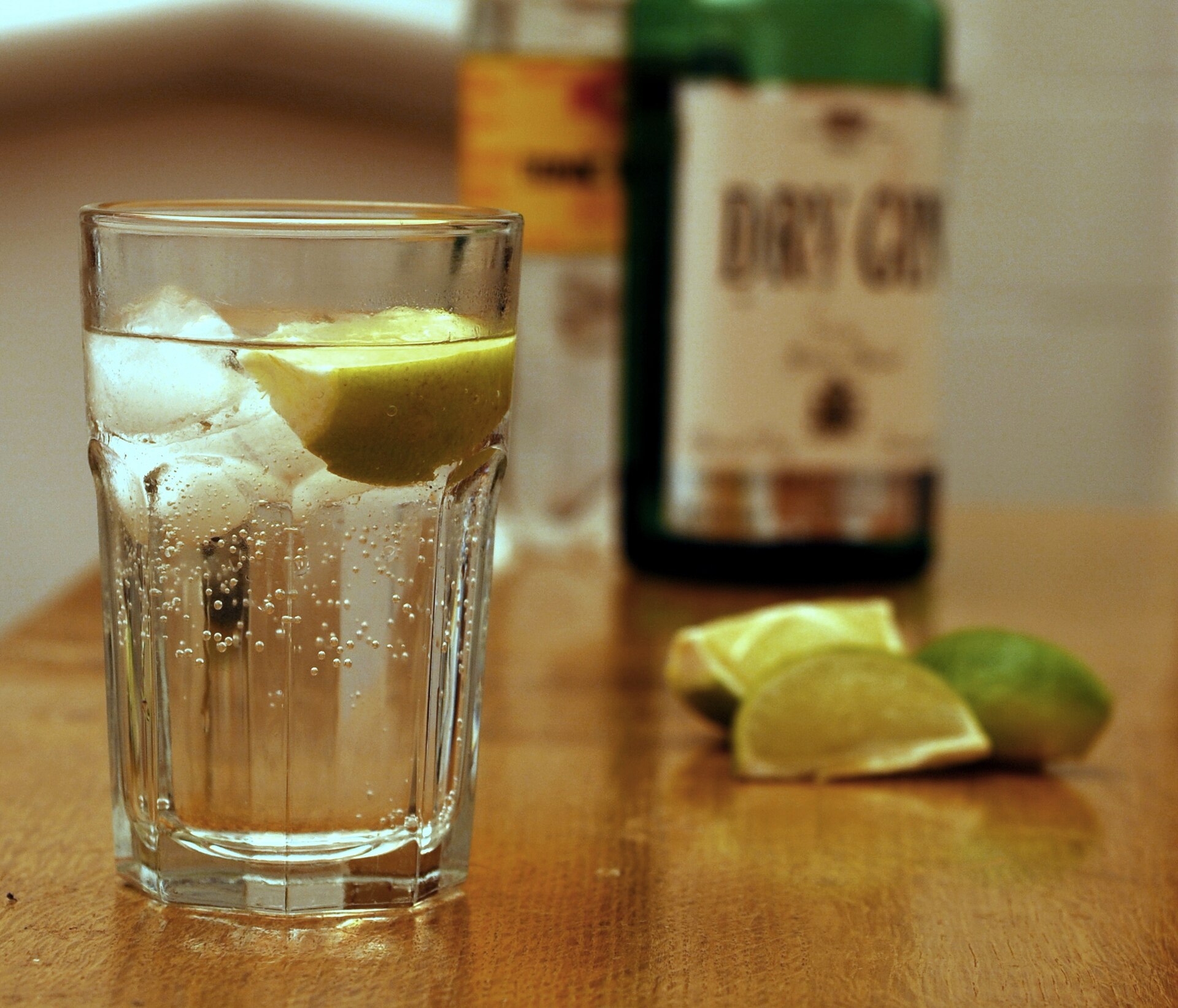
The short answer to this question is on the question page Which tonic goes with which gin?. Below you can read the full story behind it.
In Bathmen there are 482 gins from seventeen countries. Anyone who picks one and at home pours the first tonic that comes to hand with it throws away part of that choice. In a gin and tonic the tonic is usually the largest part of the glass. If the bottle of gin supplies forty millilitres and the tonic a hundred and fifty, then you mainly taste tonic.
There is no conclusive scheme for which combination is right. There are, however, a few things that are certain about what tonic is, what the differences between tonics are, and which direction to take with which type of gin.

What tonic is
Tonic is carbonated water with quinine in it, plus acid and usually sweetness. The quinine provides the bitterness. Without quinine it is not tonic but bitter lemon or flavoured sparkling water.
Quinine comes from the bark of the cinchona tree, originally from the Andes in Peru, Bolivia and Ecuador. The tree was later planted on a large scale on Java, which for a long time was the world’s main supplier.
How much quinine may be added is limited in the European Union to a maximum of 100 milligrams per litre. In the United States the limit is 83 milligrams. That is little, and that is the intention: in a modern tonic, quinine is a flavouring and nothing more.

The four types of tonic you come across
Indian tonic. The standard. Clearly sweet, clearly bitter, otherwise little flavour of its own. This is the tonic most gins are designed for and the one to fall back on when in doubt.
Light or slimline. Same set-up, less sugar. The bitterness therefore comes through more sharply and the drink becomes drier. That does not always work out well: with a gin that is already sharp, it quickly turns harsh.
Mediterranean. Less quinine, more herbs and flowers. Softer and rounder. This one is often recommended for gins that already bring a lot themselves, but it can also overpower a fine botanical mix.
Aromatic and fruit tonics. Elderflower, rosemary, citrus, red fruit. Here flavour is stacked on flavour, and that only works if the gin and the tonic do not push in the same direction.
The rule that yields the most
Choose the tonic for what the gin is not.
With a gin that leans mainly on juniper and coriander, like most London Dry, the tonic can simply be a neutral Indian. The gin needs room, not company. A spicy or floral tonic picks a fight here with something that is already complete.
With a gin with many botanicals the opposite is true. Monkey 47 puts the number in its name. With a bottle like that, a neutral or rather a light, soft tonic is wiser than a tonic that adds herbs of its own on top.
With a citrus gin, and we have about ten of those with orange, lemon, lime or grapefruit in the name, the citrus is already in there. A tonic with even more citrus makes it flat. A neutral tonic or one with herbs provides a counterweight.
The same applies to a pink or fruit gin, and we have ten of those. The fruit is in the bottle. The tonic only needs to lengthen it.
Navy strength and aged gin
Two types call for a different approach.
Of the four navy strength gins we stock, none is below fifty percent. With such a bottle the ratio shifts: the same amount of gin brings considerably more alcohol into the glass, and the flavours come in correspondingly stronger. More tonic or less gin is then not thrift but technique.
Of the eight gins labelled aged, barrel or cask, half are Dutch. These bottles have rested on oak and bring vanilla and wood with them. That clashes with a pronounced herbal tonic. A neutral tonic leaves the wood intact, and some people leave out the tonic here altogether.
The things that matter more than the tonic
Here we will be honest: the choice between two good tonics matters less than three other things.
Cold. Tonic from a lukewarm bottle loses its fizz immediately. Put the tonic in the fridge, not just the gin.
Plenty of ice. That sounds contradictory, but it is true. A glass with little ice melts away faster and dilutes more than a glass filled to the top. Large blocks melt more slowly than crushed ice.
A small bottle. An opened litre bottle of tonic is no longer what it was the next day. Two-decilitre bottles cost more per litre, but nothing goes to waste.
And the garnish: it is there to add aroma, not flavour. Squeezing a peel over the glass does more than putting a slice in the drink.
What we are not going to do
We do not put up a list stating which tonic is right for each bottle. Those lists exist, they look convincing, and they were largely invented by the tonic manufacturer.
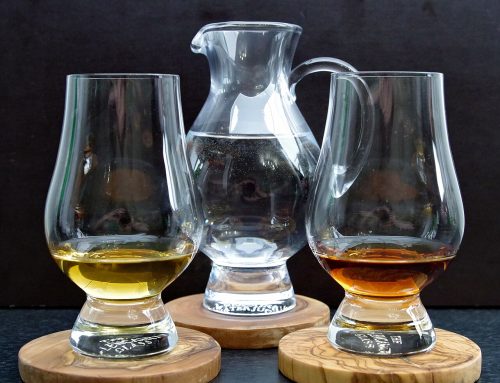
What you can do is buy a bottle of gin and set two different tonics next to it. Two glasses, the same gin, the same amount of ice. Then you taste the difference within a few minutes, and you know straight away what you like yourself rather than what somebody else likes.
Where to start
Four bottles that clearly go in different directions, so that with a neutral tonic you can immediately tell what the gin is doing. A classic English London Dry, a Scottish one with its own botanical mix, a German one with a long list of botanicals, and a Mediterranean one.
Keep browsing
All 482 bottles are on the gin page, with separate overviews for Dutch, English and Scottish gin. If you are searching by alcohol percentage, country or volume, you will get further with the wine & spirits shop search engine.
If you are torn between two bottles, just give us a call. That can be sorted out over the phone in two minutes.