
The wine shelves on the Brink in Bathmen hold 1,078 wines from 407 wine houses in 21 countries. With numbers like these, sooner or later you will come across a bottle that is not right. Usually it is cork taint: there is nothing wrong with the wine itself, but the stopper has passed something on to it.
At the counter we get a question about it almost every week, and usually the same one: a bit of cork was floating in my glass, is that cork taint? No. The two have nothing to do with each other. Below you can read what cork taint actually is, what to smell for, and what to do with such a bottle.
You smell cork taint; you hardly taste it
The name is actually wrong. Cork taint is first of all a smell, and what you notice on the tongue is mainly that nothing happens any more. The culprit has an unpronounceable name: 2,4,6-trichloroanisole, abbreviated in the wine world to TCA.
With heavy contamination it is impossible to miss. The wine smells like a cellar that has been closed for too long, like wet newspaper, like a cardboard box that has stood in the rain. With light contamination you actually smell nothing unpleasant, and that makes it treacherous: the wine then no longer smells of anything. The fruit is gone, the finish is short, and you are more likely to think the bottle is disappointing than that something is wrong with it.
It is not harmful. In these quantities TCA is harmless, so there is no need for alarm if you have already taken a sip. The wine is simply no longer what the maker intended.
Where the taint comes from
Cork is bark, and bark is a natural product in which fungi can live. If those fungi come into contact with chlorine-containing substances, they can convert them into TCA. In the past, corks were bleached with chlorine, which greatly increased the chance. That stopped happening long ago.
It can also happen without the cork. Wooden pallets, cardboard boxes and beams in a cellar can release the same substance, and then it is not a single bottle that is contaminated but an entire batch. That is why winemakers prefer to speak of contamination rather than of cork alone.
What makes it so tricky is how little it takes. A person can smell TCA at just a few nanograms per litre, so at a few billionths of a gram in an entire bottle. No other wine fault is noticeable that far below that threshold.

How to smell a suspicious bottle
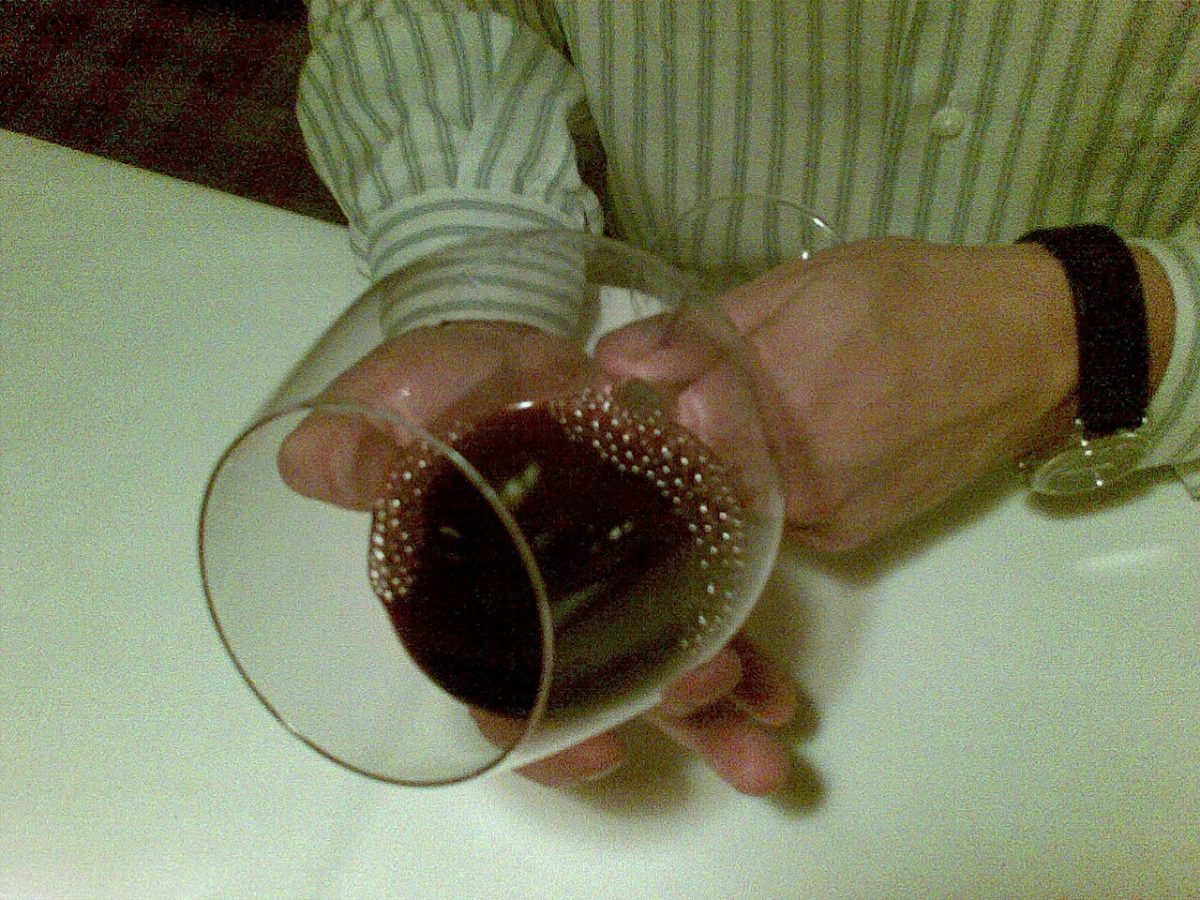
Pour a little into a glass with a bowl and let it stand for a moment. Then sniff briefly twice rather than deeply once: your nose quickly gets used to a smell, and the first impression is the most honest. Swirl the glass and smell again.
The test lies in what happens next. A healthy wine opens up in the glass: fruit is added, or flowers and herbs. A corked wine goes the other way. It becomes duller and mustier as it warms, and that never reverses. If you are in doubt, set the glass aside for ten minutes and smell again.
You get less from the cork itself than you think. A cork that smells musty may have delivered a clean wine, and a cork that smells of nothing tells you just as little. The wine in the glass decides.
What is not cork taint
A few things are routinely confused with it, and none of them is a reason to put the bottle aside.
Cork bits in the glass are the best-known misunderstanding. They are pieces that broke off when the bottle was uncorked. Fish them out or pour the wine through a small strainer; they do nothing to the taste. Crystals on the underside of the cork or on the bottom of the bottle are tartrate, a natural deposit that mainly forms in wine stored cold.
If the wine smells sharp and vinegary, it is volatile acidity, a completely different fault. If it smells of apple sauce or sherry and the colour has shifted towards brown, it is oxidised, usually from being stored too warm or from age. And a wine that smells of matches for a moment when opened and recovers after a vigorous swirl was only closed, not broken.
What to do with such a bottle
Bring it back, and do not pour it out first. We need the bottle, the cork and a little leftover wine to take the matter up with the supplier. The sooner after opening, the easier that is.
In a restaurant, the tasting moment is intended for exactly this. If you smell something that is not right, say so right away and ask whether the host smells it too. That is not criticism of the house; it is the reason the tasting takes place.
Repairing at home is not possible. There is a trick with cling film that draws part of the TCA out of the wine, but it also removes part of the aroma. You are then left with a cleaner and at the same time much flatter wine. Decanting, filtering or chilling does nothing.
That is why you see a screw cap more and more often
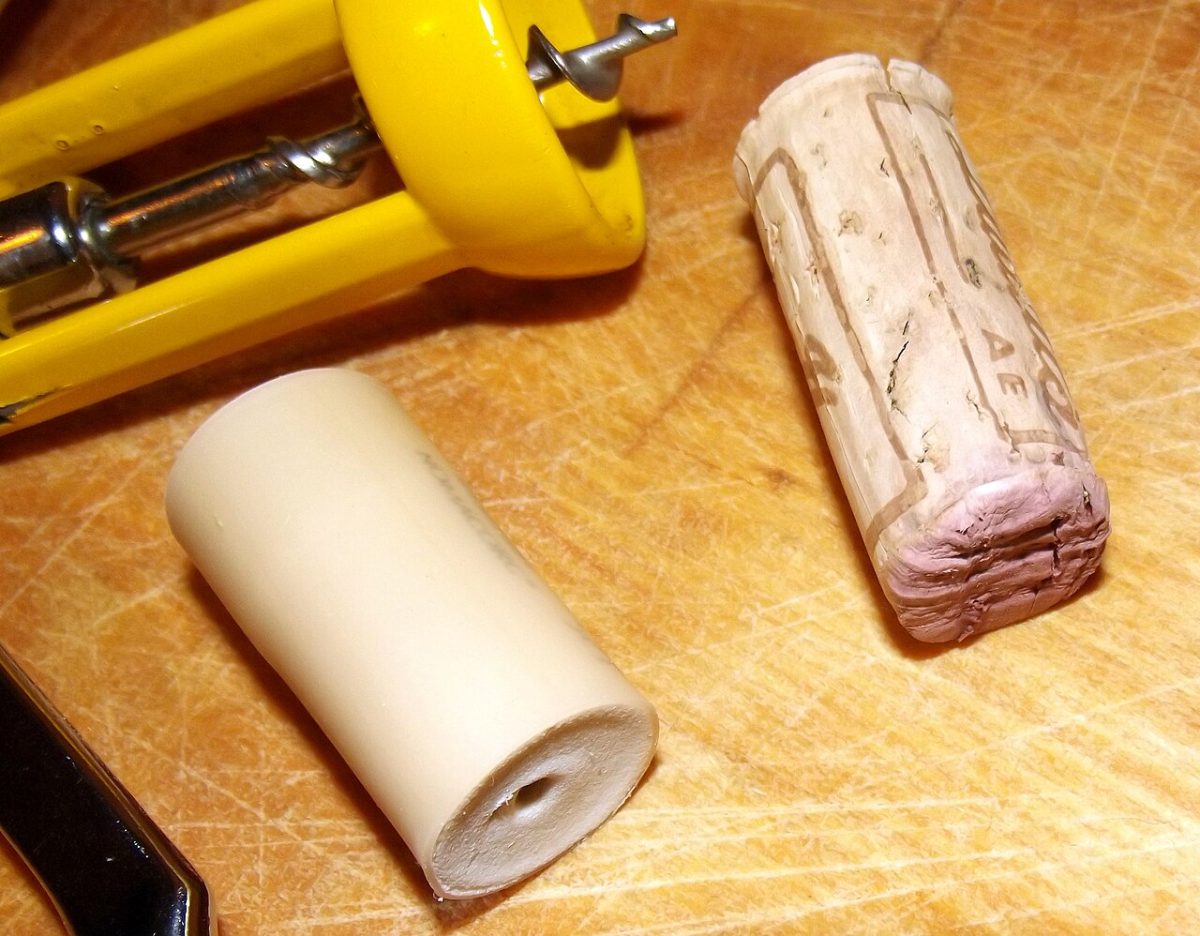
The closure is the only thing that truly rules out the cork route. A screw cap, a glass stopper or a plastic stopper cannot by definition give cork taint. In New Zealand and Australia the screw cap has been the most ordinary thing for years, even on bottles that are kept for a long time, so it says nothing about the contents.
The cork industry has not been idle in the meantime. Bark is steamed and rinsed to remove TCA, and the better suppliers test stopper by stopper. This has made the problem smaller, but it has not gone away. On our wine page you can see where each bottle comes from; which closure it has you will only see once the bottle is in front of you, and you are welcome to ask about it.
Where to start
The best thing you can do is build your own reference point. Smell every bottle you open deliberately, even when nothing is wrong. Anyone who knows how a healthy wine smells recognises the exception immediately. Below are four bottles from four houses and four countries to practise with, from a Gigondas from the Rhône to a Sicilian red from Donnafugata.
Search further
The full wine range is in the wine & spirits search engine, where you can filter by colour, country and region, and you will find the details for each bottle in the wine database. If you would like to read more about what happens in the bottle, start with red wine or white wine. And if you are unsure about a bottle you have just opened, simply give us a call: +31 570 541 278.