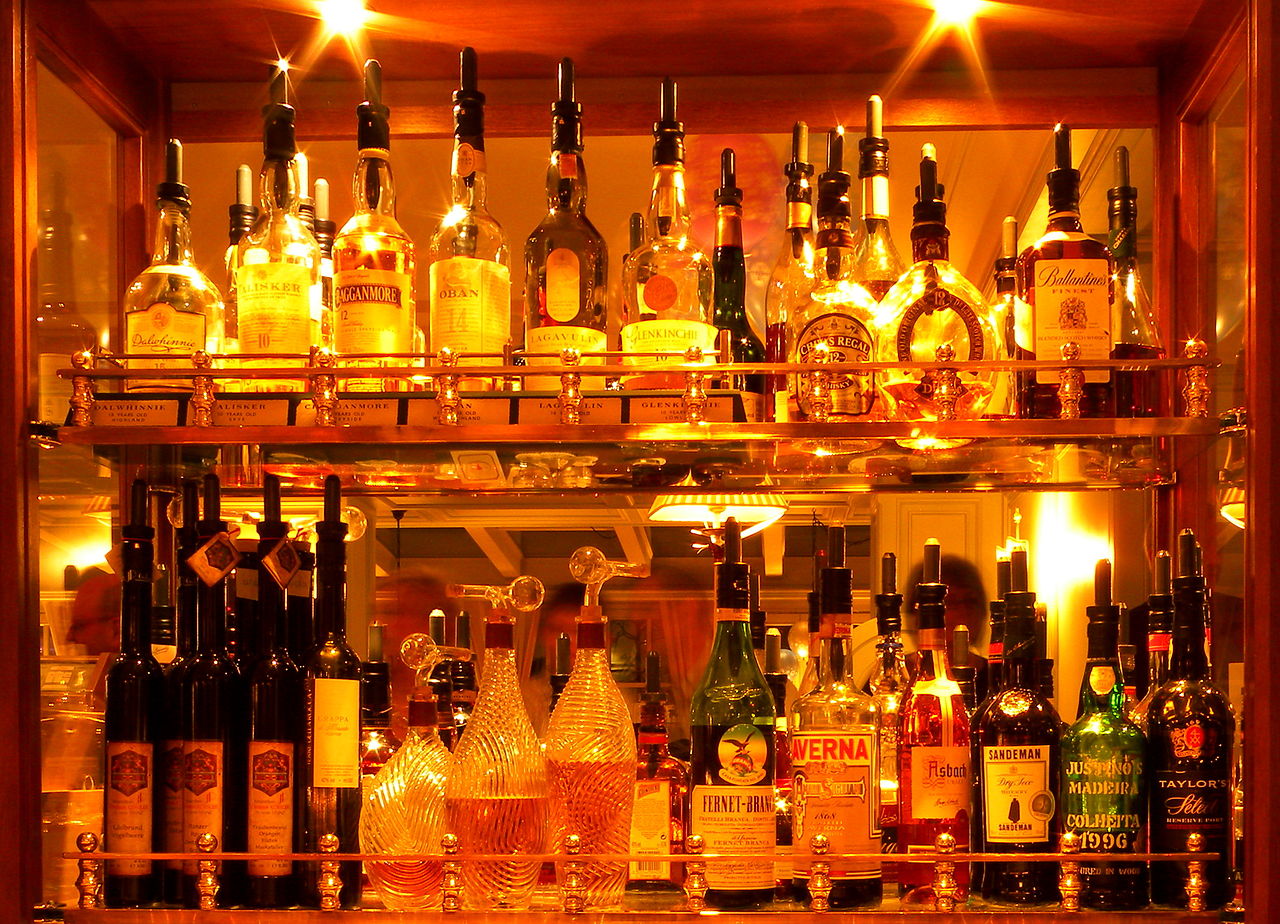
The bitters shelf on the Brink in Bathmen holds 114 bitters from 57 brands from 11 countries. Sixty-three of them come from the Netherlands: beerenburg from Friesland, jachtbitter, and regional bitters that are barely known outside their own village. In addition there are twenty German bottles and fifteen Italian ones.
We get the question that goes with it almost every week at the counter. Should that bottle be cold or not? There is no rule, and the custom differs by region. But what you do with the temperature, the glass and the moment really does change what you smell and taste. Below you can read what happens, and why one glass reveals so much more than another.
Where the bitterness comes from
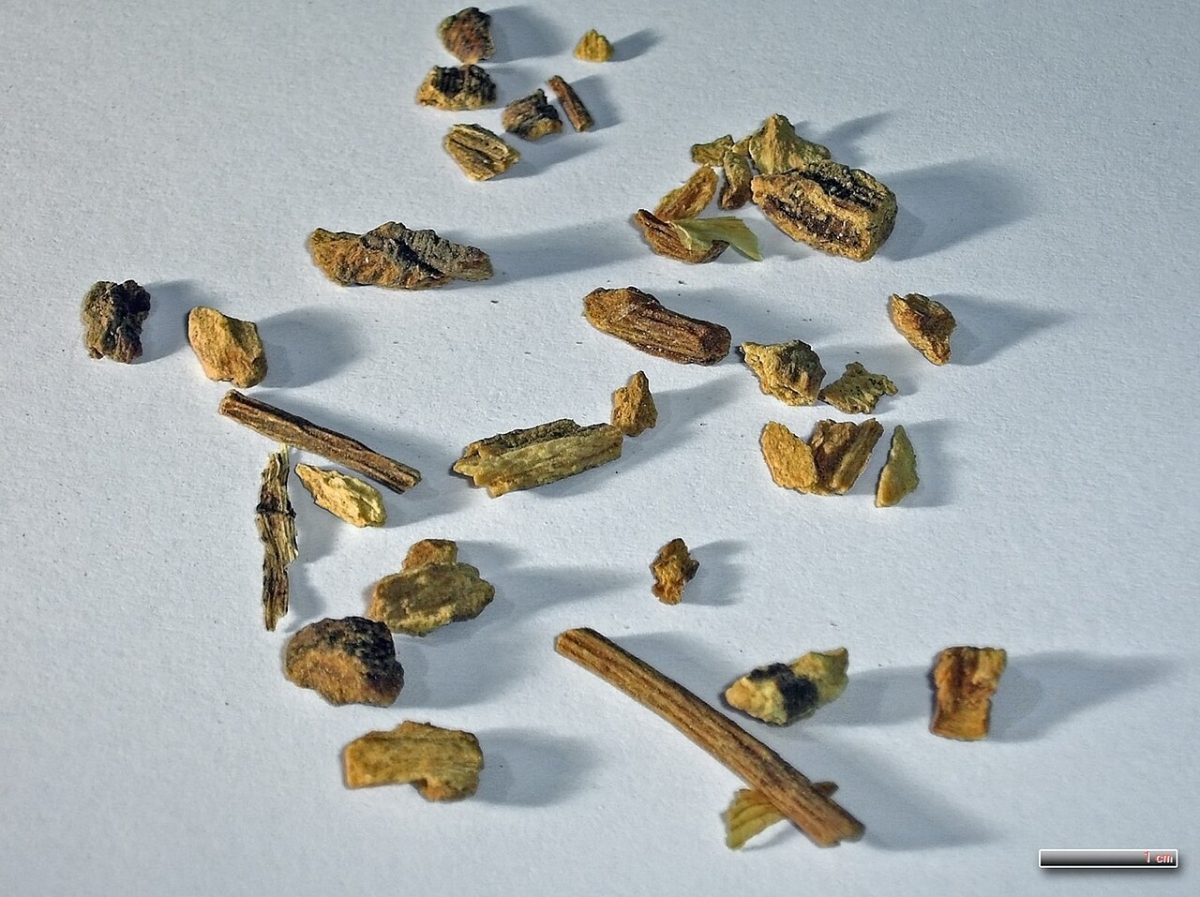
A bitter is made by letting herbs, roots, bark, seeds or citrus peel steep in alcohol and then diluting that extract. The bitterness does not come from a single plant, but from a handful of fixed building blocks. Yellow gentian root is the best known. In addition, makers work with wormwood, quinine bark, bitter orange peel and calamus. The last even appears in the name of Hooghoudt's Kalmoes Beerenburg.
Every maker keeps their own recipe to themselves. The label states the sales name and the alcohol percentage, almost never the composition. In Regulation (EU) 2019/787, bitter falls under category 30 of the forty-four categories of spirit drinks. Beerenburg has its own number in the same annex, 43, and liqueur is number 33. That immediately explains the confusion on the shelf: a German bottle often bears the word Kräuterlikör while in our shop it simply stands with the bitters.
Cold, at room temperature or from the freezer
Cold dampens. The colder the drink, the less rises from the glass and the shorter the bitter aftertaste lingers. That is precisely why beerenburg in the Netherlands so often comes out of the freezer. The drink becomes syrupy, the sharp edge disappears, and what remains is mostly cold and a vague spiciness.
That is a choice, not a rule. If you want to find the herbs again, put the bottle in the fridge instead of the freezer, or serve it at cellar temperature. From the same beerenburg you will smell considerably more at about ten degrees than at minus eighteen.
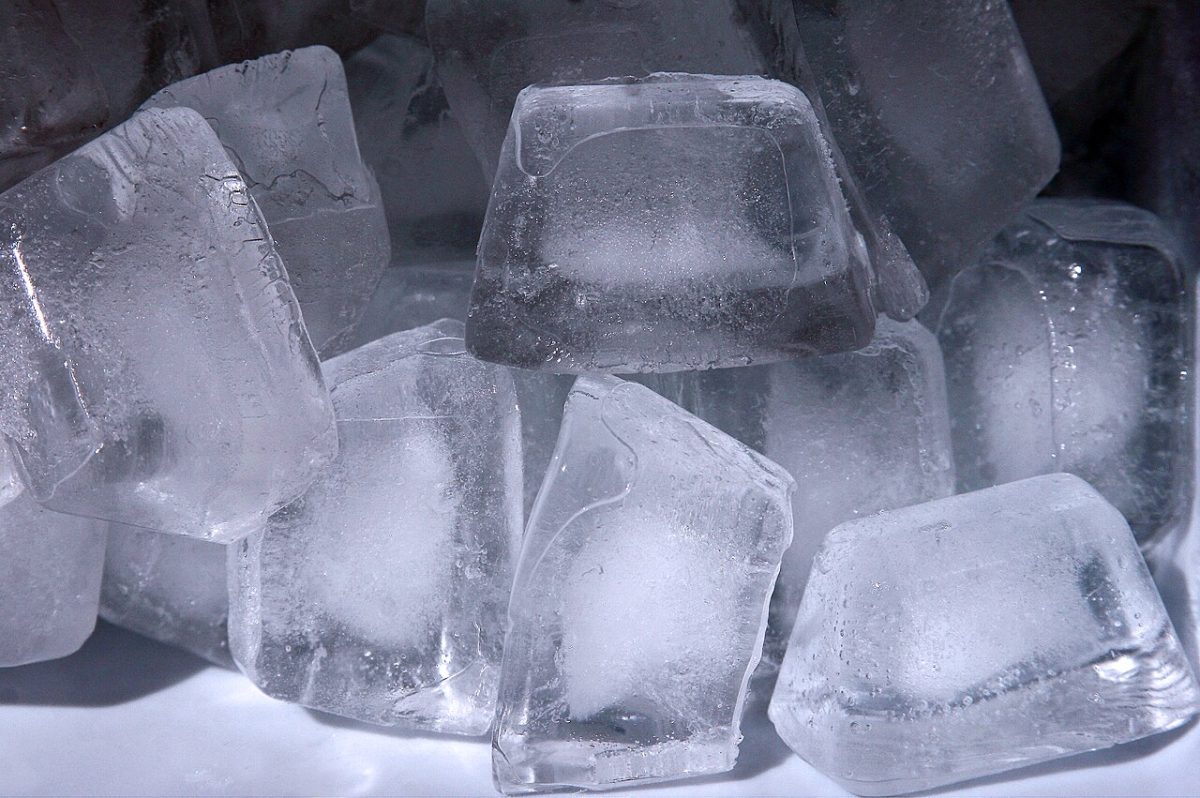
Italian amari go the other way. Averna, Montenegro and Fernet-Branca are served at room temperature, or with a single cube of ice. One cube is something different from a full glass of ice. The more ice, the faster it melts, and an amaro that gets watered down halfway loses its whole middle.
If you want to know what you like, pour two small glasses from the same bottle, put one in the fridge for half an hour and taste them side by side. That tells you more than any advice.
Which glass, and how much goes in it
A bitter is poured small. A shot glass of two to three centilitres is the custom, and the makers count on that themselves. Underberg puts its bitter in bottles of exactly 2 cl, and we have Jägermeister minis of 2 and 4 cl.
How much goes in also depends on the strength. Averna is 29 percent, Jägermeister 35 and Underberg 44. The same amount hits twice as hard with the last one, and that is reason enough to start with a small splash of an unfamiliar, strong bitter.
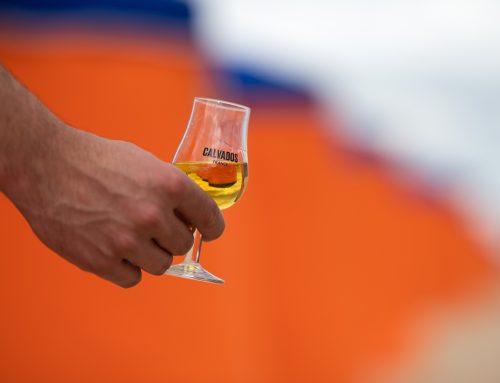
For beerenburg and the German herbal bitters, a straight shot glass is enough. The drink is cold, you drink it in two or three sips, and the aroma plays a minor part. For an amaro, a small glass that narrows towards the top is worthwhile, a tulip or a small copita. It keeps the aroma together instead of letting it drift away, and for a drink that depends on herbs that makes a big difference.
Neat, with tonic or with coffee
Neat is the main rule, but by no means the only way. An amaro with tonic or sparkling water and a slice of orange is perfectly normal in Italy, and it makes a heavy bottle a good deal more approachable. The red aperitif bitters are in fact made for mixing; how the two differ is explained in our piece on Aperol and Campari.
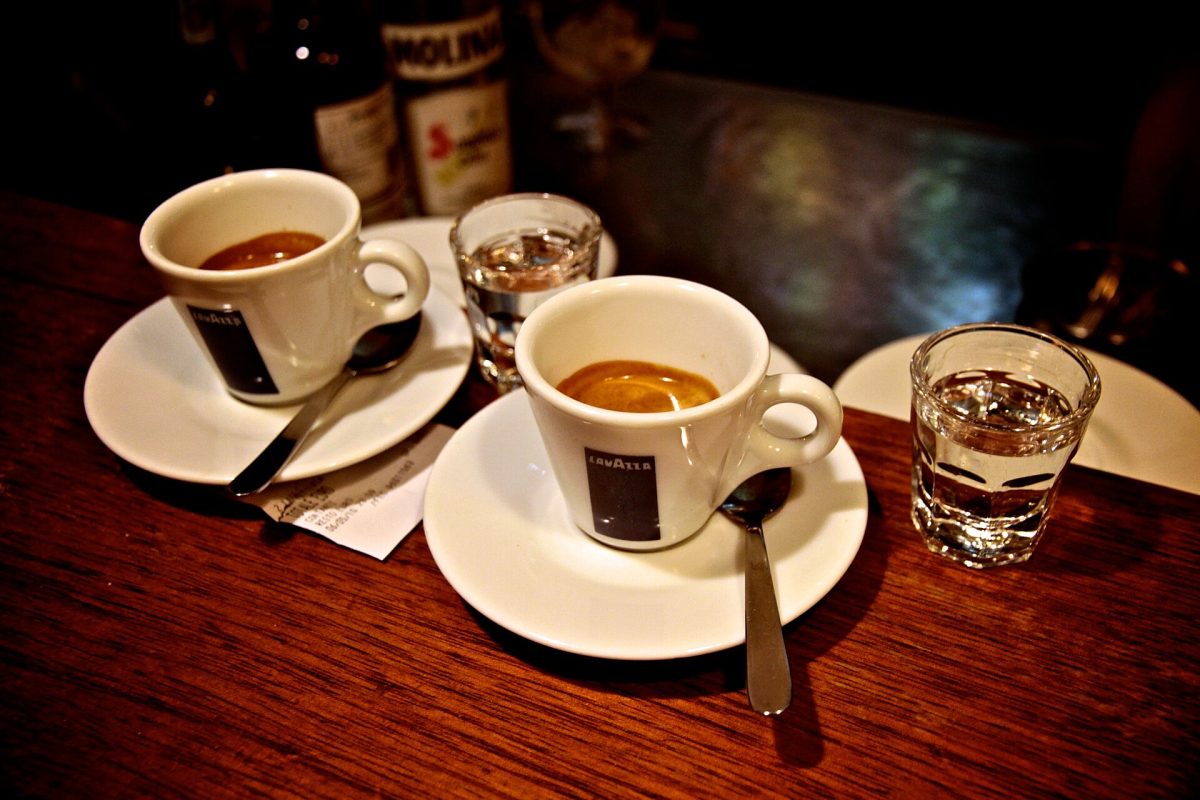
Then coffee. A dash of bitter with or in an espresso is an old habit, and it works because coffee itself is bitter: the two bitternesses do not clash but layer on top of each other. Vieux, grappa and sambuca are used in the same way.
What works less well is hiding a bitter in a long drink with lots of sweet soft drink. Little of the herbs then remains, and you mainly taste the lemonade.
What a bitter does not do
Bitters carry an old reputation with them. Names like maagbitter (stomach bitter), and the fixed place the little glass has acquired after a meal, suggest an effect. We make no claims about that. What a bitter does to your body is not on the label, and it does not belong in a sales story.
What is certain is the custom. In the Netherlands beerenburg goes with coffee or with drinks, in Italy the amaro comes after the meal, and in Germany the little bottle goes around the table. That is culture, and you may follow it for the simple reason that you like it.
One more honest point: bitter is a taste you have to get used to. The first encounter is often disappointing, and that is rarely down to the bottle. Start with a softer, sweeter bitter and work towards the dry ones, because the other way round, by the second bottle you only taste sugar.
Where to start
Anyone who wants to get to know the field should set three traditions side by side: a Frisian beerenburg, a German herbal bitter and an Italian amaro. Then within one evening you learn what those words mean. Below are four bottles from four houses and four countries, from the German Jägermeister to the Hungarian Unicum from Zwack.
Search further
The whole bitters shelf is in the wine & spirits shop's search engine, where you can filter by country, type and brand, and you will find all brands at a glance on the bitters page. If you first want to know what exactly you are holding, read what a herbal bitter is, or delve into amaro and beerenburg. And if you are unsure in front of the shelf, feel free to call: 0570 541 278.