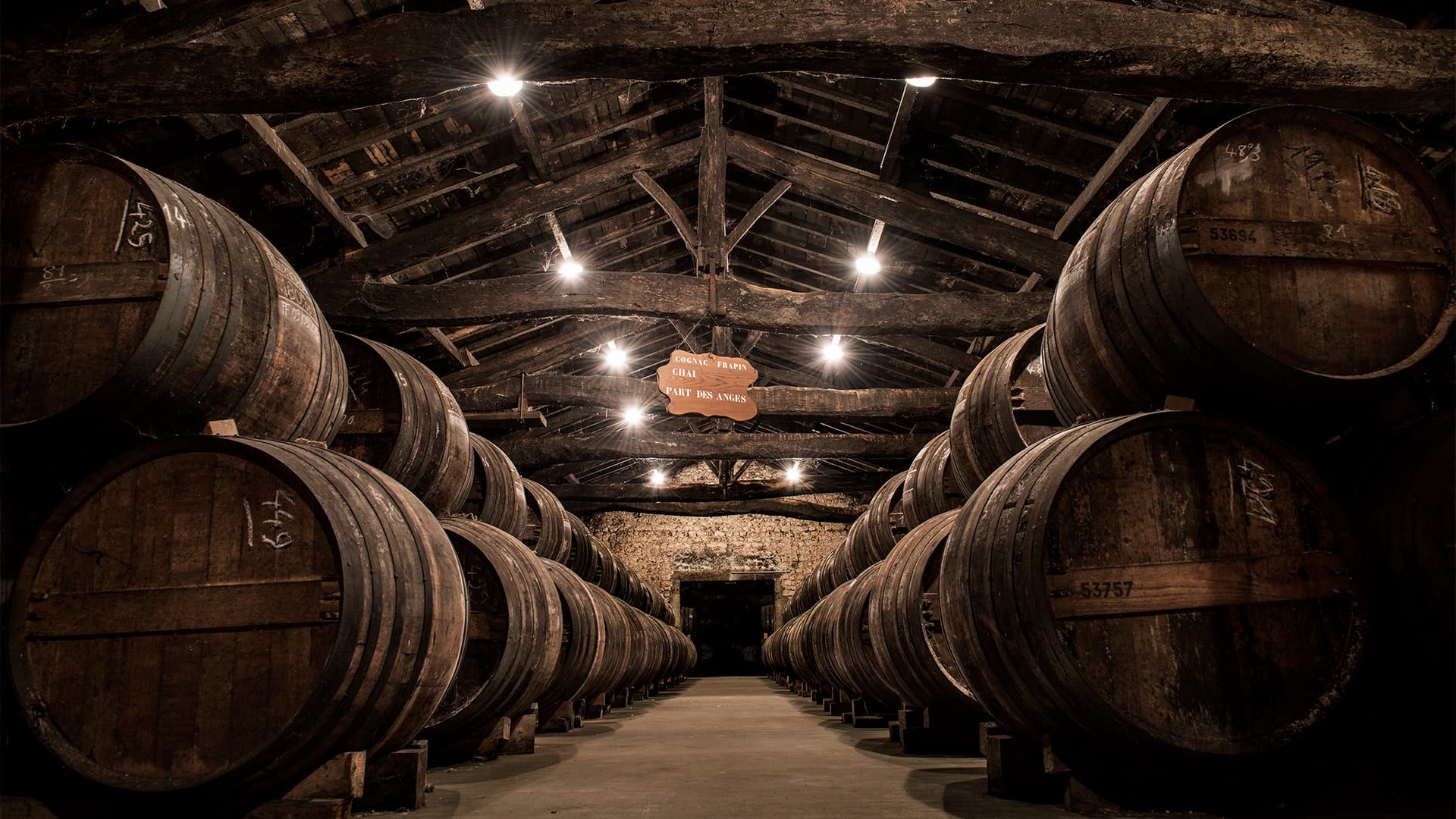
The short answer to this question is on the question page What do VS, VSOP and XO mean on a bottle of cognac?. Below you can read the whole story behind it.
On the cognac shelf in Bathmen there are 126 bottles from 33 houses. If you sort them by the letters on the label, they fall into three piles: thirty times VS, twenty-six times VSOP and twenty-four times XO. Two bottles say Napoléon, three say Extra. The rest say none of these.
Those letters look like a school grade, but they are not. They say exactly one thing: the minimum age of the youngest eau-de-vie in the bottle. Anyone who knows how that count works can read a cognac label in ten seconds.
The letters refer to the youngest drop, not to the average
Almost every cognac is a blend. The bottle contains eau-de-vie from several harvest years, often from several crus, blended by the cellar master into one house style. The designation on the label applies not to the average and not to the oldest component, but to the youngest.
If it says VSOP, then there is nothing in the bottle that is younger than the VSOP limit. There may well be something of twenty-five years in it. That is allowed, and it does happen, but it is stated nowhere.
That immediately explains why two bottles with the same letters can be so far apart. The designation sets a floor. What a house does above it is a free choice.
The count begins on 1 April, not at harvest
The official unit of account is called the compte, the age count kept by the Bureau National Interprofessionnel du Cognac. That count does not run by calendar year and does not start on the day the grapes come in.
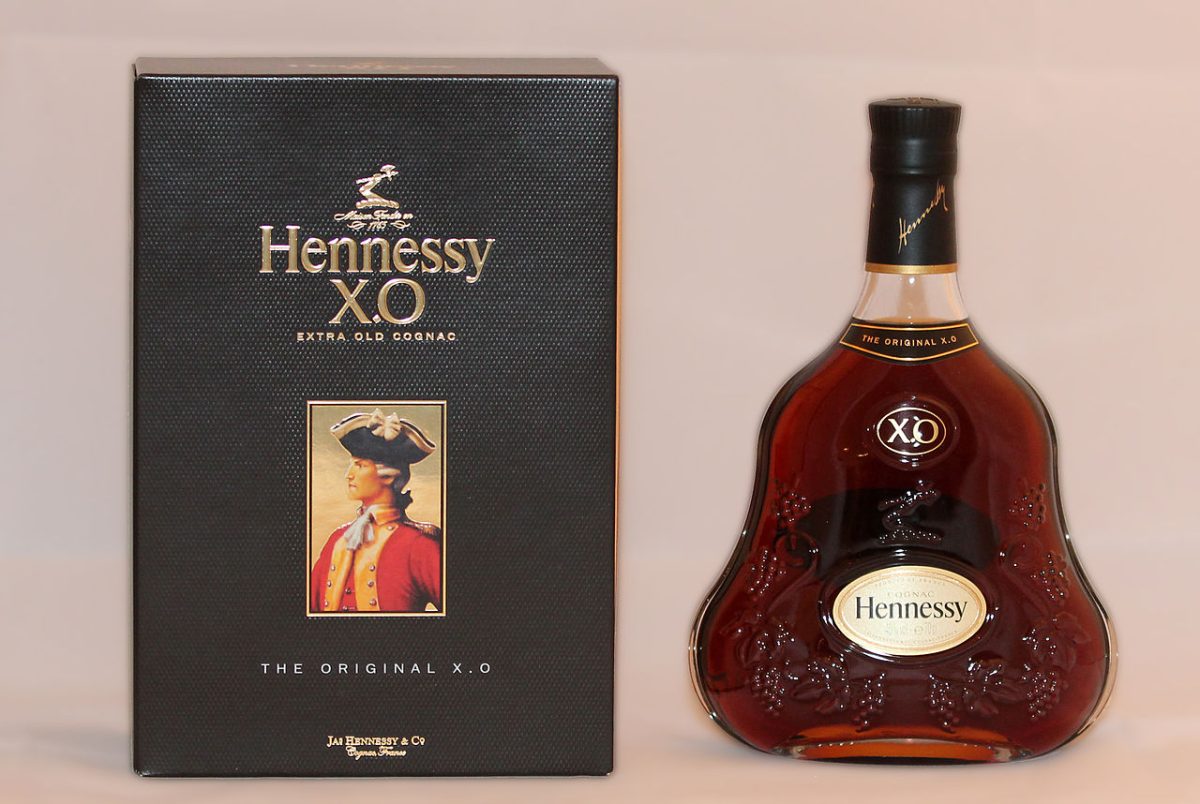
The grapes are harvested in autumn and fermented into wine. Distilling may then continue throughout the winter, but on 31 March the stills are switched off: all wine from that harvest must have been distilled by then. On the following 1 April the clock starts running.
Until that moment the new eau-de-vie is called compte 00. From 1 April it is compte 0. A year later compte 1, and so on. An eau-de-vie distilled in November therefore only reaches zero more than four months later.
That is not accounting nitpicking. It means that a cognac that has just been allowed to be called VS is in practice often closer to two and a half years than to two. Anyone who works it out themselves and starts from the harvest date comes up half a year short.
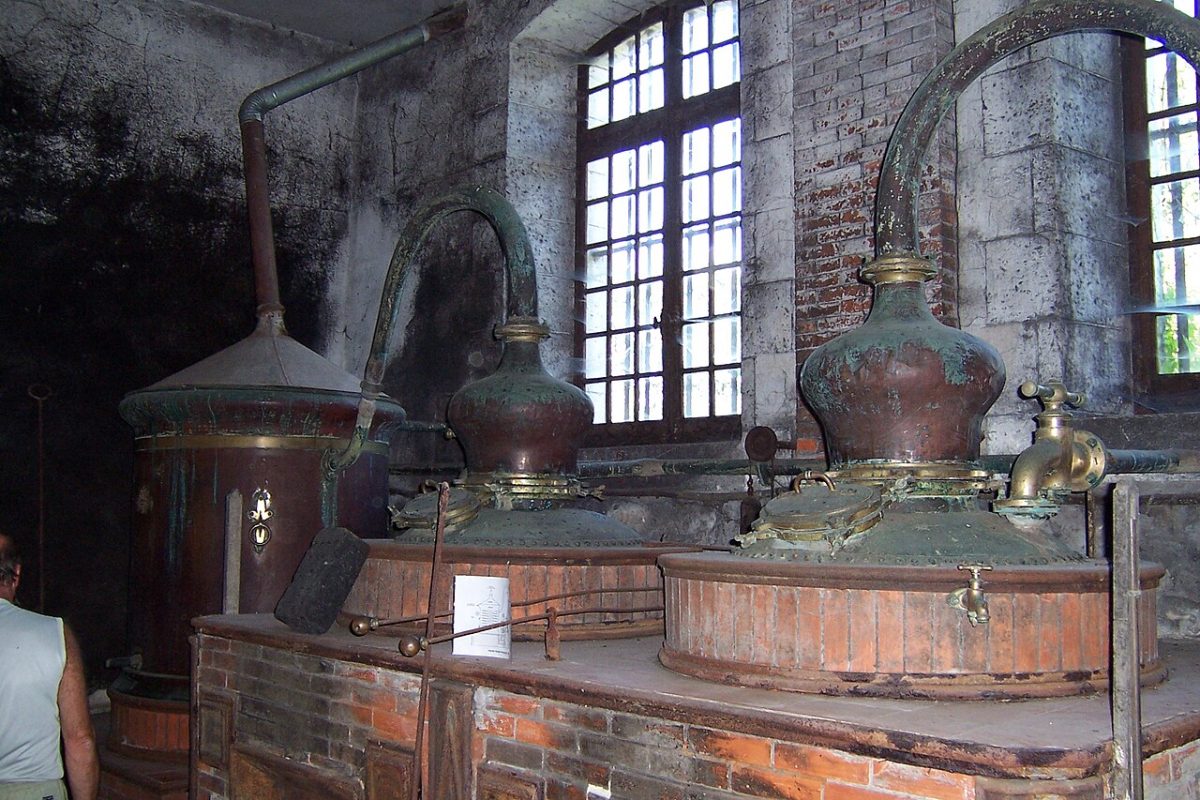
VS, VSOP and Napoléon: two, four and six years
VS stands for Very Special. The youngest component is at least compte 2. On older or French labels you will find the same level as three stars or as the Luxe.
VSOP stands for Very Superior Old Pale, a term that comes from the nineteenth-century British trade. Here the lower limit is compte 4. Réserve and Vieux are on the same step.
Napoléon sits above that, at compte 6 or higher. The word used to be applied loosely to anything older than VSOP; since the rules were revised it has become a fixed step.
On the shelf in Bathmen, Napoléon is rare, with two bottles. That is no coincidence: most houses skip the step and put their older blends straight under XO.
XO has been a minimum of ten years since 2018
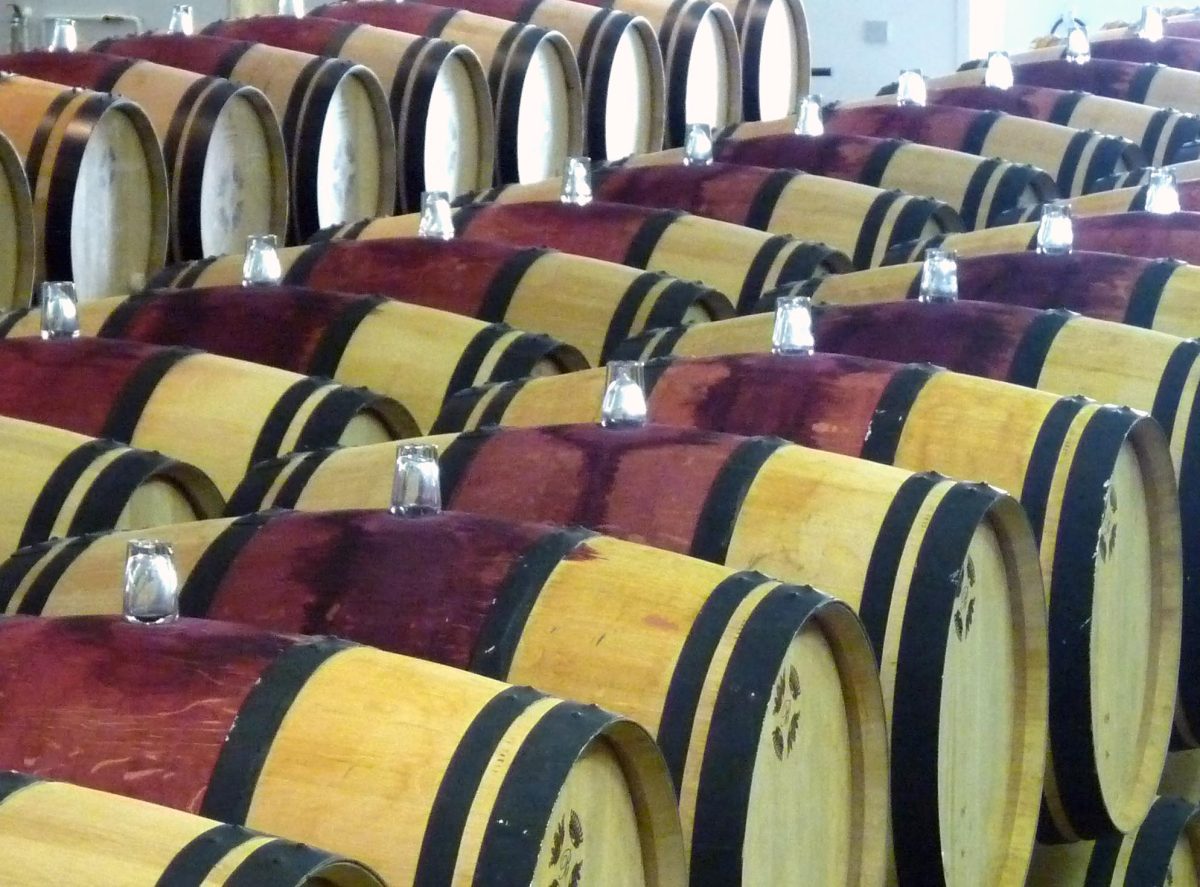
This is the most important change of recent years, and it is rarely explained. Until 1 April 2018, XO was on the same level as Napoléon: compte 6. Since that date the lower limit is compte 10.
The decision was taken years earlier and was postponed a few times, so that the houses had time to build up stock. The result: a bottle of XO from the years before and a bottle of XO from today do not make the same promise, even though the label says the same.
The same revision added a step. XXO, Extra Extra Old, requires at least compte 14. Hors d’age is officially not a higher level but sits at XO level; houses use it for blends that go far beyond it. Names such as Extra, Paradis or Cordon Bleu are not legal designations at all but house names.
What is not listed
There are three things you will look for in vain on a cognac label.
The cru is usually not stated. Where the juice comes from, from the chalk of the Grande Champagne or from the sandy soil on the coast, does not have to be stated, and on most bottles it is not.
The ratio is not stated. An XO with a tiny bit of very old eau-de-vie in it and an XO that consists largely of old eau-de-vie cannot be told apart on the label.
And the adjustments are not listed. Water to bring it down to strength is normal: of our 126 bottles, 106 are at exactly 40 percent, the legal minimum for cognac. In addition, a house may, within set limits, add caramel for colour and boisé, an infusion of oak wood. This does not have to be stated.
Where to start
The quickest way to understand what the letters do is to put two bottles from the same house side by side. Same cellar, same style, only a different lower limit. Then you see what happens between compte 2 and compte 4 without the difference between houses getting in the way.
If you are not sure which tier suits you, drop in or call +31 570 541 278. We know for every bottle on the shelf which designation it carries and what the house means by it.
Keep browsing
All cognac together is on our cognac page, and with the search engine of the wine & spirits shop you can browse the whole stock. Per house you will find what we carry, for example Hennessy, Rémy Martin, Château Montifaud and Naud.
Where the spirit comes from, and why that is stated on some bottles, is explained in the crus of cognac. How the eau-de-vie is made, we explain in how cognac is made. That a percentage on a bottle can also mean something different from here, you can read in overproof and navy strength.