The short answer to this question is on the question page What is overproof rum?. Below you can read the full story behind it.
Of the 423 rums in Bathmen, 141 are at exactly 40 percent and 86 below 40. At the other end of the scale, 44 are at 57.5 percent or higher and 33 at 60 percent or more. The highest on our shelf is Mariënburg rum 81 from Suriname, at 81 percent.
That number on the label raises many questions, certainly when words like overproof or navy strength are next to it. Those words come from a time when alcohol was still measured with gunpowder, and they still mean something specific.
Where the percentage comes from
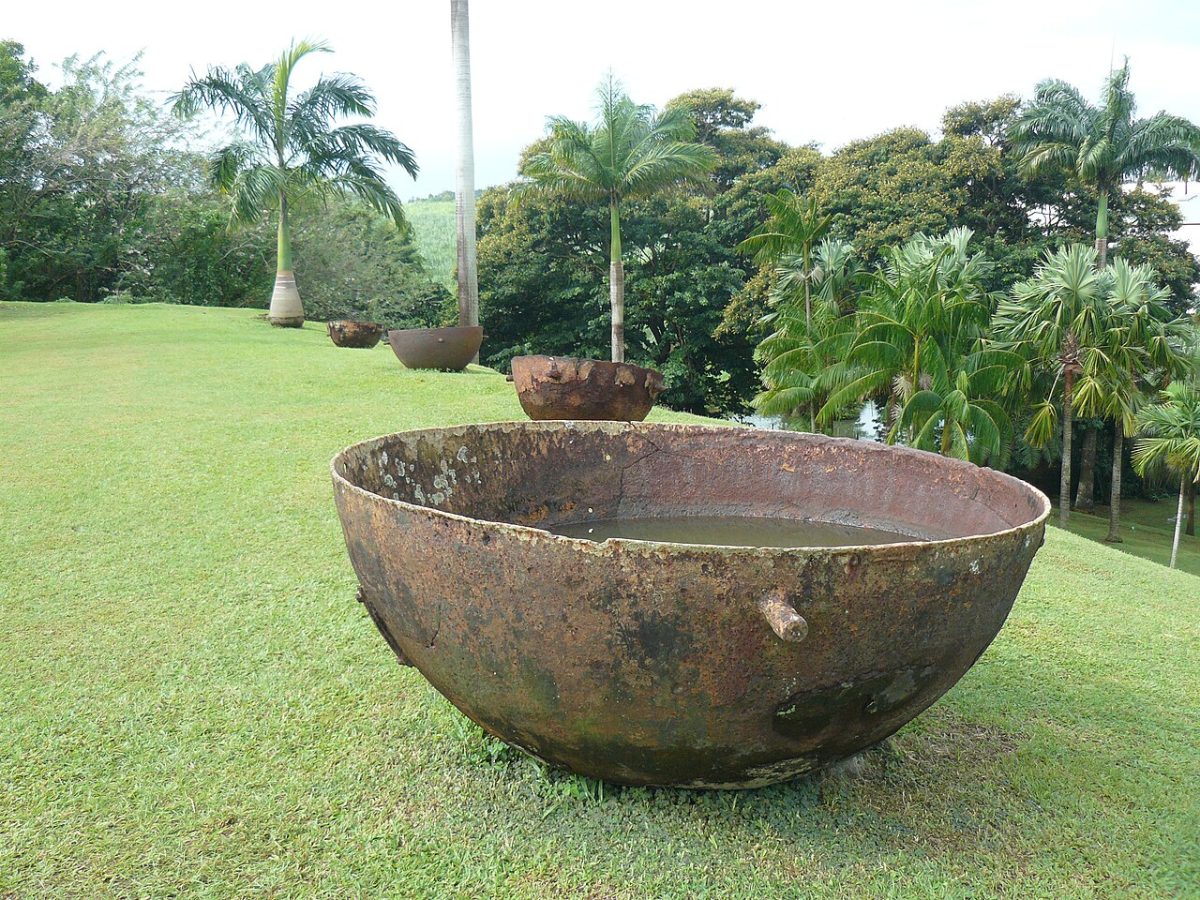
A rum starts from a fermented mixture of molasses or cane juice of somewhere between five and nine per cent. The yeast cannot get further: at a higher percentage it dies in its own alcohol.
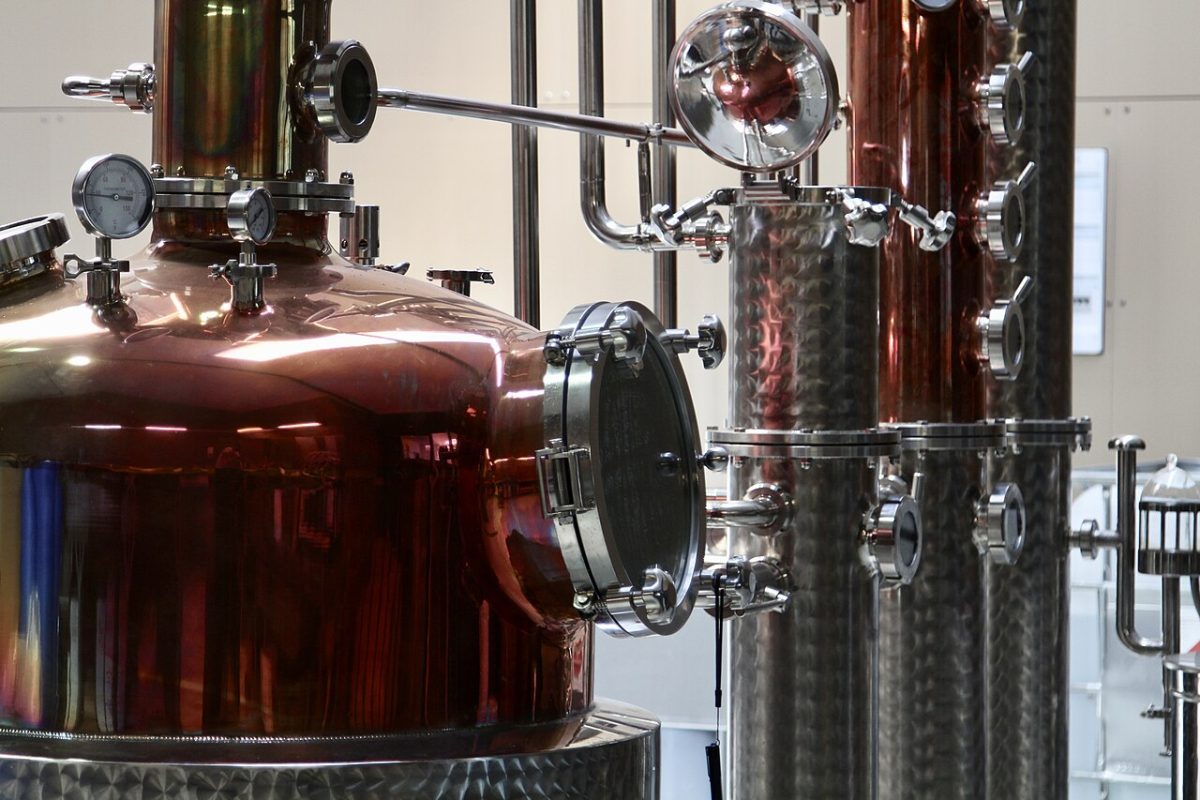
Then comes the still. A pot still brings that mixture to roughly 70 to 85 per cent, a modern column still to well above 90. What comes out of the still is therefore always much stronger than what eventually goes into the bottle.
Between the still and the bottle lies a human choice. The distillate is diluted with water, usually before it goes into the cask and again before bottling. Where the distiller stops adding water determines the number on the label.
Why forty percent became the standard
The fact that 40 is the most common figure has to do with tax and trade, not with taste. Countries set a lower limit below which a drink could no longer be called a spirit, and in many places that limit was set at around forty. In the European Union, 37.5 percent is the legal minimum for rum.
Anyone who bottles exactly at that lower limit sells more water and less alcohol per bottle. Anyone who bottles higher does the opposite. That is the whole economics behind it.
Proof: two systems, two numbers
Before alcohol meters existed, the British tax authority had to be able to establish whether a cask of spirits was strong enough. The test was crude: mix the spirit with gunpowder and set it alight. If the powder still burned, the proof was there and the spirit was called proof.
That proof was later formally laid down. One hundred degrees British proof equals about 57.1 percent alcohol. Everything above was called overproof, everything below underproof.
The Americans chose a simpler system: proof there is exactly double the alcohol percentage. A bottle of 151 proof is therefore 75.5 percent. If you see a number in the hundreds, first look at which system is used.
Navy strength: where that comes from
For centuries the Royal Navy issued a daily ration of rum to the crew. That ration had to have a fixed strength, because a sailor who was fobbed off with water instead of rum was a problem on board. The rum was therefore tested before issue, and the gunpowder test was the tool for that.
That issue stopped on 31 July 1970. The term stuck as a trade name. Navy strength is not laid down by law, but in practice it means around 57 percent, so at or just above one hundred degrees British proof.

Overproof: a word without law
Overproof literally means above proof strength, so above 57.1 percent. In practice it has become a loose term that houses use for anything clearly stronger than their own standard bottle.
In Jamaica, overproof is an ordinary shop category, mostly around 60 to 63 percent. Austria has its own tradition: Stroh is bottled there in various strengths, up to 80 percent, and was originally made for the kitchen and for hot drinks.
Of our 423 rums, 33 are at 60 percent or higher. Four of them exceed 69 percent.
Cask strength: no water at all
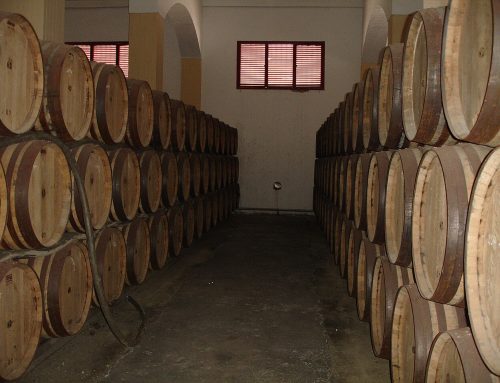
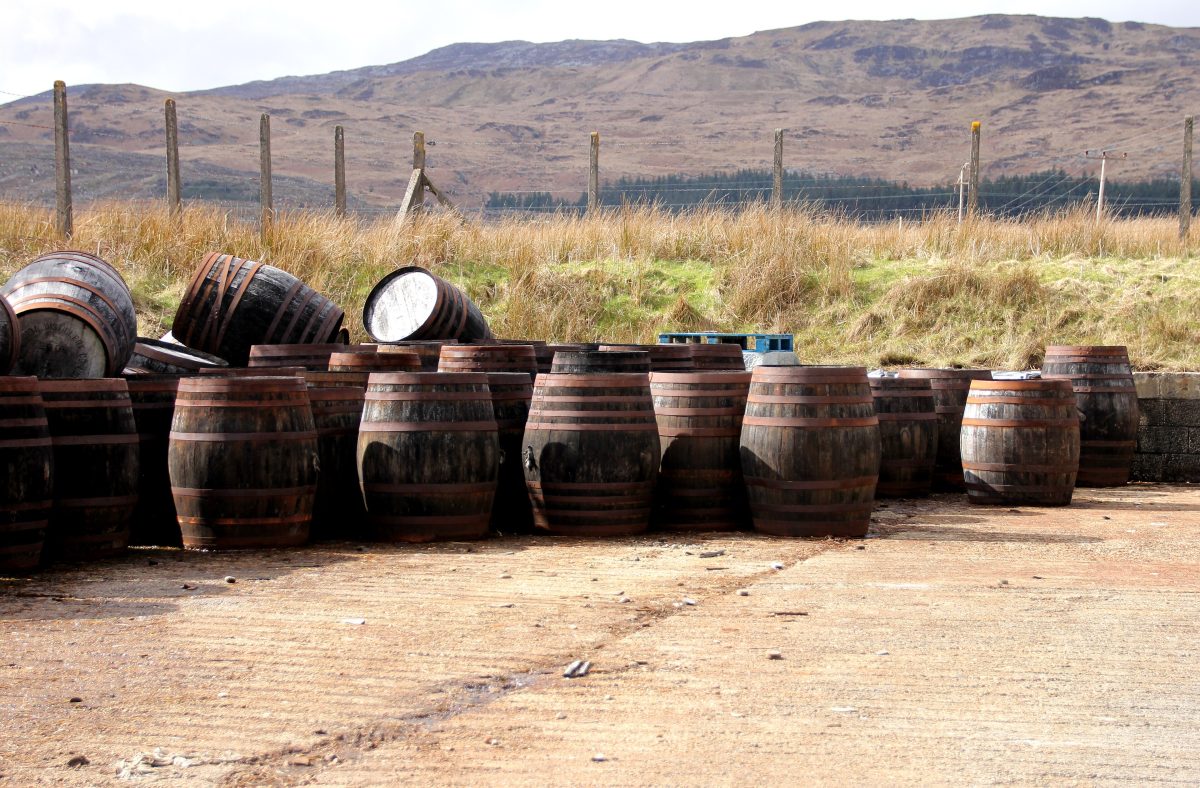
Cask-strength rum, also known as full proof, forms a separate group. No water has been added after maturation: the percentage on the bottle is the percentage left after years in the cask.
That number is rarely round. You see 61.4 or 58.4 percent, because that is simply what the meter showed. In the tropics the strength in the cask often drops less sharply than in Europe, because more water than alcohol disappears through the wood. Cask strength from the Caribbean is therefore regularly higher than cask strength from a Scottish warehouse.
What you should do with it in practice
A higher percentage is not a seal of quality and says nothing about quality. It only means there is less water in it. It does change how you handle the bottle.
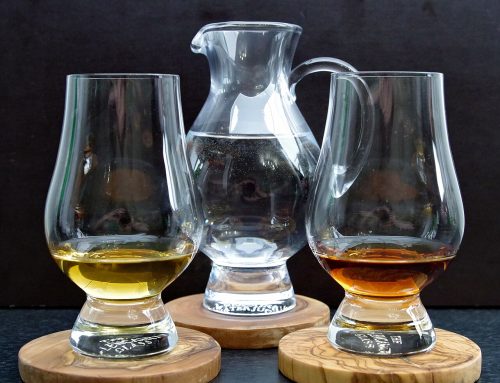
Rum at 60 per cent or more is usually poured with a dash of water in the glass; that opens up the aroma. In cocktails, overproof is used precisely because ice and juice are added, which bring the strength back down. And the amount you pour should move with the percentage: an ordinary measure from a 70 per cent bottle is almost twice as much alcohol as the same measure from a 40 per cent bottle.
Where to start
If you want to know what strength does to a rum, the fairest test is to compare the same rum at two strengths, or to open up a cask-strength rum with a few drops of water. We are happy to help you choose a suitable bottle. Drop by or call +31 570 541 278.
Keep browsing
The entire stock is on our rum page and in the search engine of the wine & spirits shop. Per house you will find what we carry, for example Mariënburg, Planteray, Hampden Estate and Stroh.
How the percentage relates to the style of a rum is explained in the article on the types of rum. How a rum comes about, from cane to cask, we explain in what rum is made from.