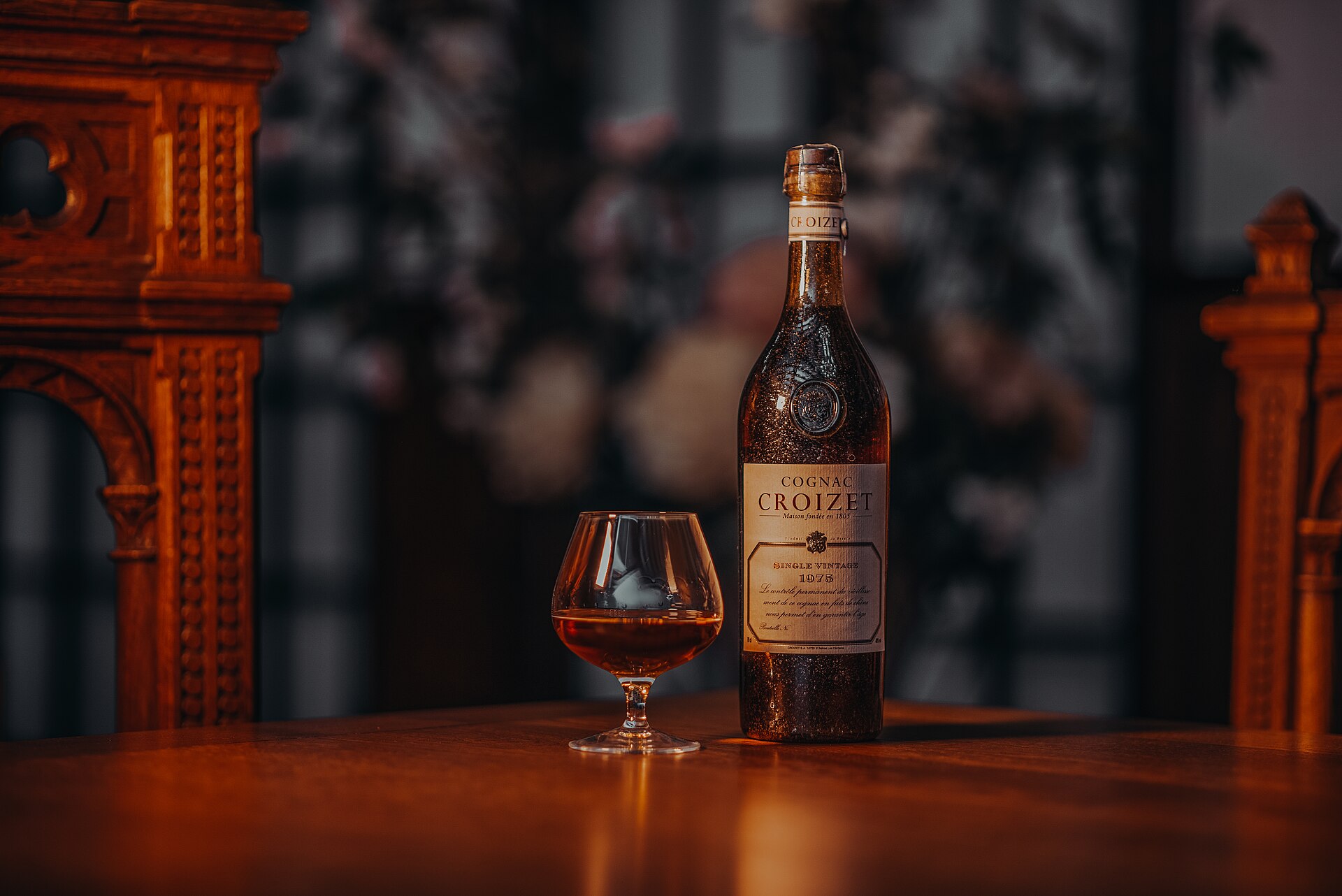
For most people, a bottle of cognac lasts a long time. Of the 126 cognacs we stock in Bathmen, the vast majority come in seventy-centilitre bottles, which is about twenty-five small glasses. Anyone who has one now and then can easily take a year over it.
That is exactly where the question we are asked most often at the counter begins: will it keep that long? The short answer is yes, but not unchanged, and what changes depends mainly on how much air there is above the spirit.
Cognac does not continue to mature in the bottle
This is the first misunderstanding that has to go. Cognac matures in the cask, not in the bottle. As soon as the eau-de-vie is in glass, the maturation stops. There is no more wood giving anything off and no wooden wall through which oxygen enters at a controlled pace.
An XO that you put away for twenty years will not be an XXO in twenty years’ time. It is still exactly as old as on the day it was bottled. What does happen is that the bottle itself slowly changes, and that is a different story from maturing.
For an unopened bottle that story is short. Stored upright, dark and cool, it keeps for decades without anything noteworthy changing. With such an old bottle the closure is usually the weakest part, not the contents.
The volume of air above the spirit sets the pace
Once the bottle has been opened, only one thing really counts: how much air is in the bottle. Professionals call it the headspace; we simply call it the air volume.
Oxygen reacts slowly with the aroma compounds in the cognac. The alcohol itself does not break down and the drink does not become dangerous, but the esters and aldehydes responsible for the aroma are gradually converted. The result is an aroma that becomes flatter and woodier, and this happens so slowly that you only notice it when you put a new bottle next to it.
The pace is directly proportional to the amount of oxygen. A bottle that is still ninety percent full has little air and hardly changes. A bottle with only a drop left in the bottom is full of air and changes noticeably within a few months.
There is a simple solution for that. If a quarter is still left and you know it will be a while, pour it into a smaller bottle that you fill to the brim. A clean, tightly closing glass bottle is enough. You remove the air, and with it the cause.
Incidentally, the same applies to liqueur, although sugar and sometimes dairy also play a role there. We wrote a separate piece about that earlier.
Store upright, always
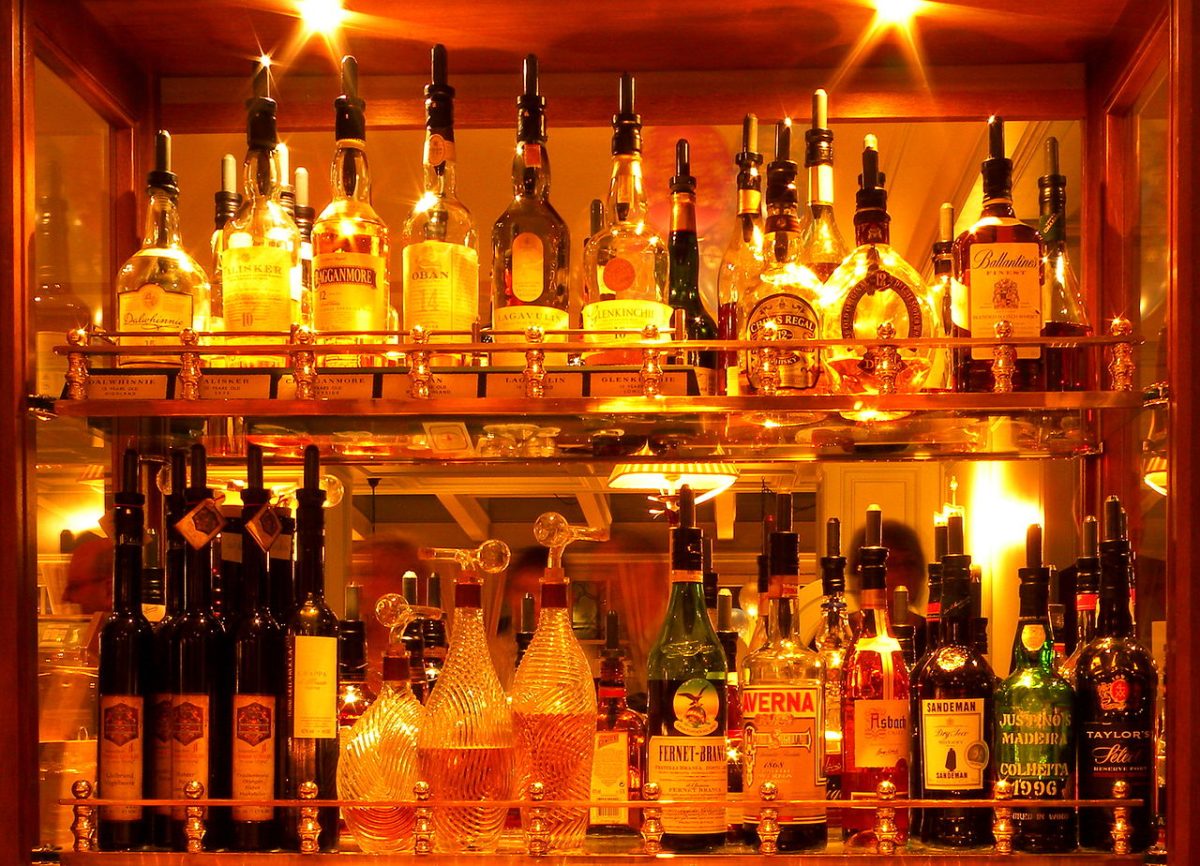
Wine you lay down, spirits you stand upright. That is not habit but necessity, and the reason lies in the alcohol percentage.
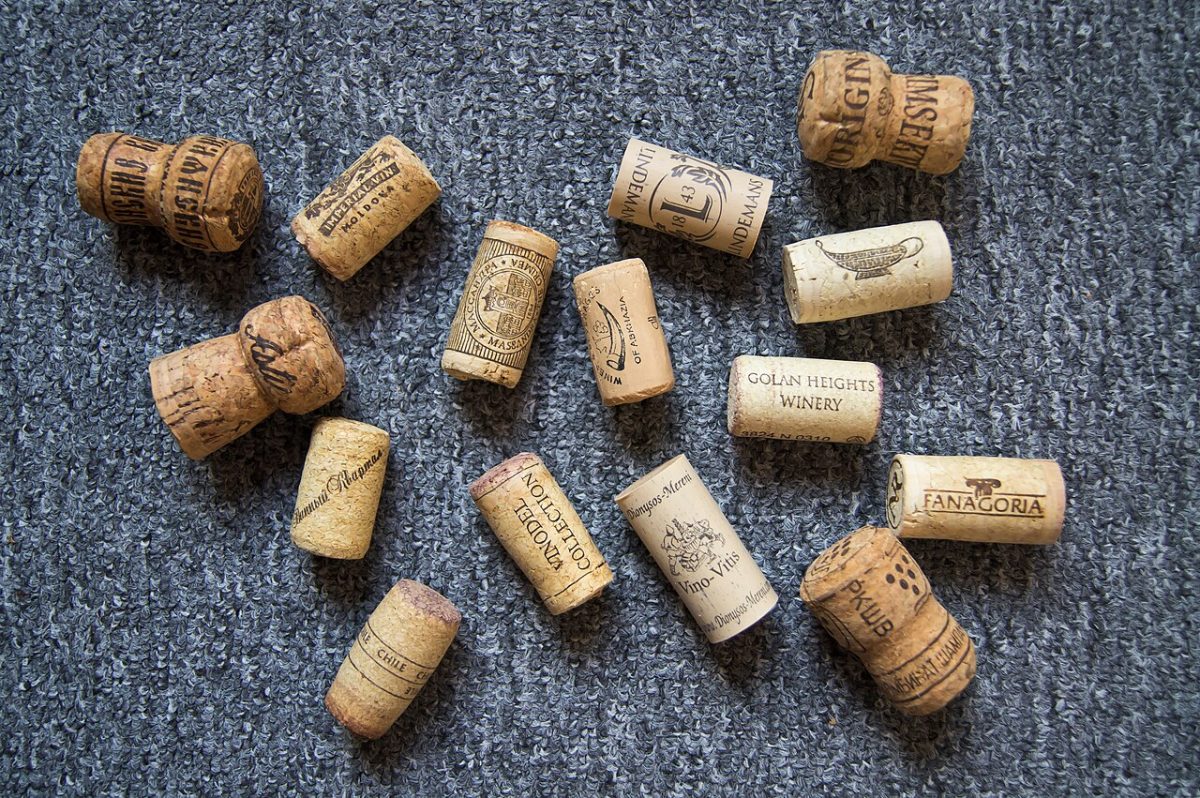
A wine cork must stay moist, otherwise it shrinks and lets air through. At twelve percent alcohol the wine does the cork no harm, so storing it lying down is actually good there.
At 40 percent, that changes completely. Alcohol of that strength is a solvent. If it stays in contact with the cork, it draws out the plasticisers and the wax, after which the cork dries out and becomes brittle. When opened, it then crumbles, or worse: cork taint ends up in the bottle. With bottles that have a plastic or metal cap, the risk is smaller, but the adhesive layer under the cap can certainly be affected.
So upright, with the cork in the air. If a bottle has accidentally been lying on its side for months, stand it upright and check the cork before you pour.
Light and heat do the rest
Ultraviolet light breaks down aroma compounds and discolours the contents. Cognac is often in clear or lightly tinted glass, which looks nice on the shelf but offers little protection. A bottle that stands in the sun on a windowsill for years visibly fades.
Heat speeds up every reaction that is already taking place, and fluctuations are worse than a constant temperature. The bottle expands and contracts with it, and each time a little air is pushed past the cork, in and out. On top of the fridge, next to the stove or in an attic cupboard under a tiled roof are the three worst places in the house.
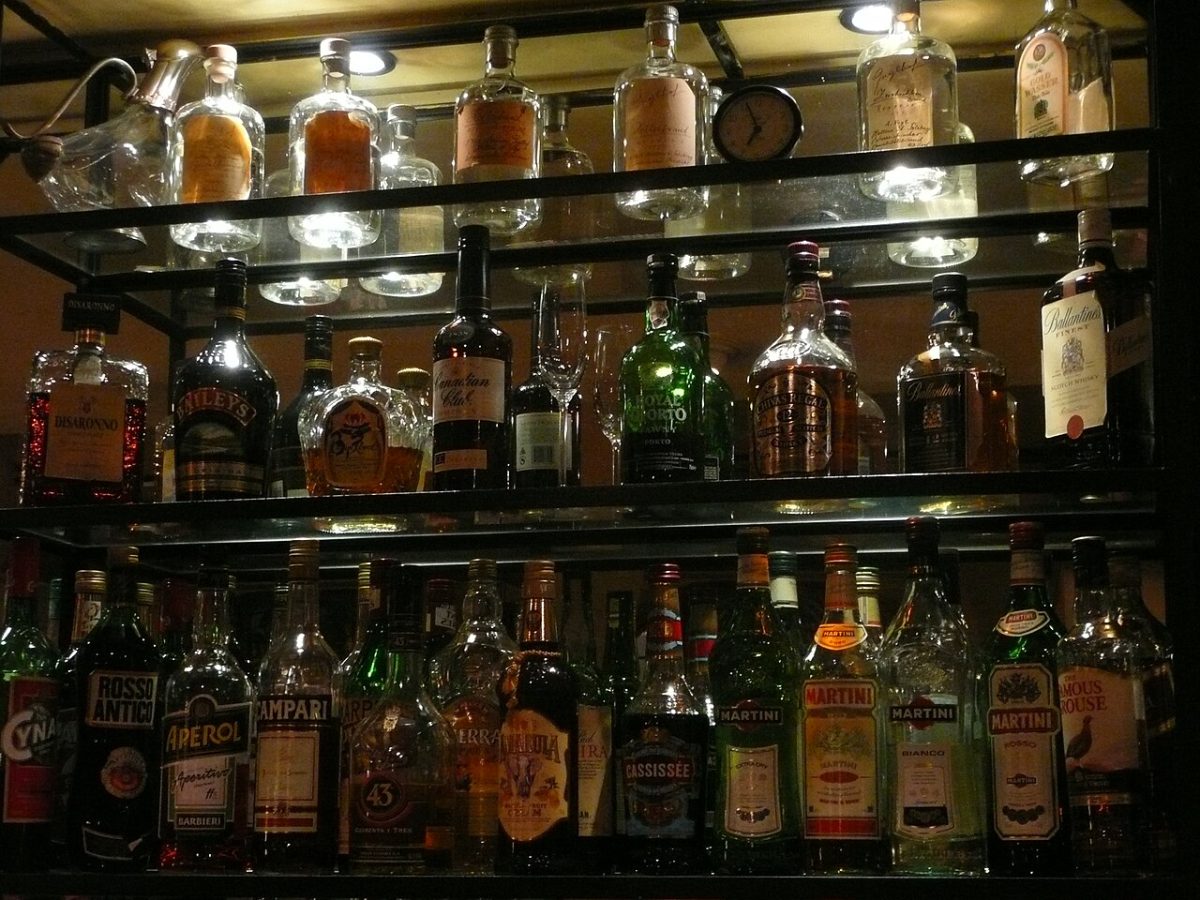
What does work: an ordinary cupboard downstairs, out of the sun, at a temperature not far from fifteen to twenty degrees. A cellar is fine, a fridge is unnecessary.
How long is long?
Firm shelf-life dates do not exist, and anyone who quotes them is making them up. What can be said is roughly what the course looks like.
A bottle that is more than two-thirds full hardly changes in a year. Between half and two-thirds it goes slowly, and after a year or two you notice something. Below half the pace picks up. If a quarter is left, half a year to a year is a reasonable period before you notice a difference.
It does not spoil. A bottle that has stood at a quarter for three years is not unhealthy or unusable; it is just flatter than it was. For the kitchen or a long drink there is nothing wrong with it.
The decanter looks better than it keeps
Pouring cognac into a cut-glass decanter is an old custom, and it looks good. It is not practical.
A cut-glass stopper rarely seals airtight. There is a small gap, and alcohol slowly escapes through it. Anyone who leaves a decanter standing for years ends up with less spirit at a lower strength. With an old bottle, that is a shame.
Use the decanter for the evening itself and pour the rest back into the bottle. If you do want to fill it permanently, choose a decanter with a stopper that has a rubber or cork ring.
Where to start
Take a look at what is in your cabinet and how full each bottle is. Anything below half and open for a while can go into a smaller bottle today. That is the only maintenance a bottle of cognac ever needs.
If you are unsure about a bottle that has been open for a long time, feel free to bring it to the shop. Walk in or call 0570 541 278, and we will take a look together.
Keep browsing
The full cognac stock is on our cognac page, and with the wine & spirits search engine you can browse everything. Houses we carry include Hennessy, Meukow, Joseph Guy and Bache Gabrielsen.
For liqueur it is slightly different; that is covered in how long an opened bottle of liqueur keeps. How best to serve the bottle afterwards is in drinking cognac. And why ageing only happens in the cask is explained in how cognac is made.