On our shelves there are two hundred and thirty-five bottles that all fall into the same category. A hundred and seven of them carry the word vodka, three carry wodka, and the remaining one hundred and twenty-five carry neither. On the price tag below, we invariably write wodka.
Two spellings for the same stuff, and both correct. Where that comes from, and when you will come across which, is a story about sounds and about borders.
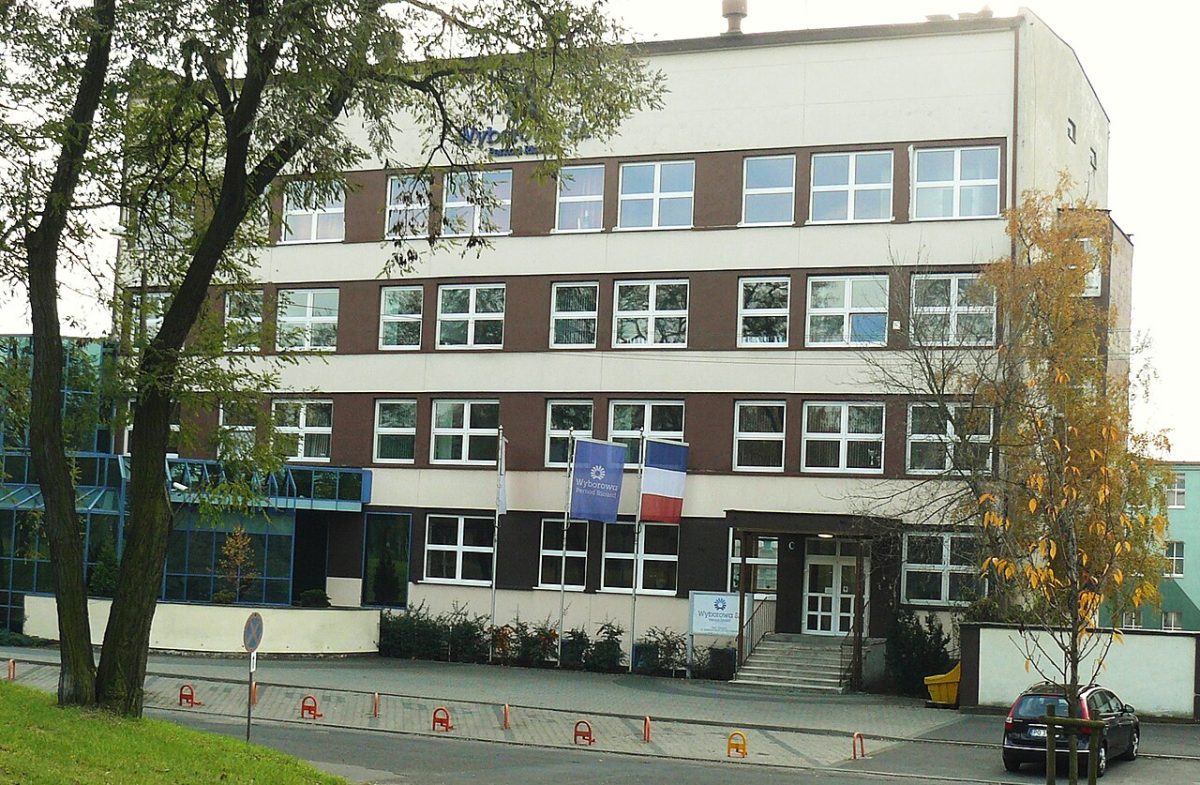
The word means little water
The Polish wodka and the Russian vodka are both diminutives of the word for water: woda in Polish, voda in Russian. Literally it therefore says something like little water or small water.
That sounds endearing, but it is exactly what you would expect. In the late Middle Ages, distilled spirits all over Europe were referred to with words for water: aqua vitae in Latin, eau de vie in French, akvavit in Scandinavia, uisge beatha in Scotland. Water of life, every one of them.
The oldest known written mention of the word vodka is in Polish court documents from 1405, from the court records of the Sandomierz land. It was not yet a drink as we know it: the word then referred to distillates used as medicine and as a cosmetic.
Why Dutch writes a w
The sound at the start of the word is the same in Polish and Russian: the v of vase. The difference lies in the alphabet with which you write down that sound.
Polish writes that sound as w. In German the letter w does exactly the same, and in Dutch it comes close enough. For German and Dutch eyes the Polish spelling was thus immediately usable, and it was adopted: Wodka.
English got it via Russian. Russian is written in Cyrillic script, and when that is transliterated into the Latin alphabet the sound becomes a v, because the English w is a very different sound. So in English it became vodka, and via English also in French, Spanish and Italian.
In Dutch, wodka is the form found in the dictionaries. Vodka is not wrong and you see it everywhere, but it is the English spelling of the same word.
Why the labels say vodka
On the bottle itself the English spelling almost always wins, and that has a practical reason. A brand sold in dozens of countries would rather print one label than twenty. English is then the obvious choice, because that word is understood everywhere.
Polish brands sometimes do both. Bottles aimed at the Polish market say wodka, the export versions say vodka, and some show them side by side. For that reason the protected designation for Polish vodka is also registered twice: Polska Wodka / Polish Vodka.
You can see that in our own cabinet. One hundred and seven of our bottles carry the English word in the product name, three the Polish or Dutch one, and one hundred and twenty-five show only a brand name without a type designation.
What the category legally is
Spelling aside, there is only one category. The European regulation on spirit drinks defines vodka as a numbered category, with a description that is the same for every member state.
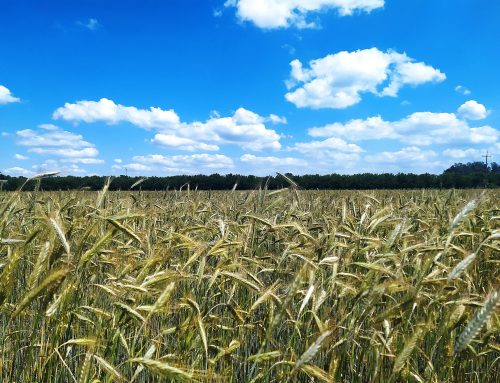
That definition states that vodka is made from ethyl alcohol of agricultural origin, obtained by fermentation with yeast of potatoes and/or grain or other agricultural raw materials, and distilled so that the characteristics of the raw material are selectively reduced. Treatment with activated charcoal is permitted. The minimum is 37.5 percent alcohol. If the raw material is something other than grain or potatoes, that must be stated on the label.
Nowhere in those rules does it say how you spell the word. Nor does it say anything about where it has to be made: vodka is not a regional designation as jenever or cognac are. That is why our two hundred and thirty-five bottles come from twenty-one different countries.

Where the bottles come from
Poland tops our shelf with sixty-six bottles, more than a quarter of the whole range. Then follow the Netherlands with thirty-two, France with twenty-three, Sweden with twenty-one, and then the United States and Germany with eighteen each. Ukraine supplies thirteen, Finland eight.
Russia, where the other spelling comes from, is represented in our shop by a single bottle. The image of vodka as first and foremost a Russian drink therefore does not match what is on the shelf in Bathmen.
What is true: the centre of gravity lies in the region where the word comes from. Poland and Ukraine together account for seventy-nine bottles, about a third of the total.
Where to start
The spelling on the label says nothing about the contents, only something about the market the bottle is intended for. If you want to choose by origin rather than by spelling, look at the country and the house. Visit us or call +31 570 541 278, and we will go through the shelf with you.
Keep browsing
All the bottles are together on our page vodka. The brands from this article can be found here: Zubrowka, Soplica, Nemiroff, Pravda and Wyborowa. Searching by country is possible in the search engine of the wine & spirits shop.
For what else is on the label, see five-times distilled and filtered three times, and for the raw material potato vodka and grain vodka. How vodka relates to the neighbouring categories you can read in vodka, gin and jenever, and about serving in vodka in the freezer. Another label word with a legal meaning is covered in liqueur or likorette.