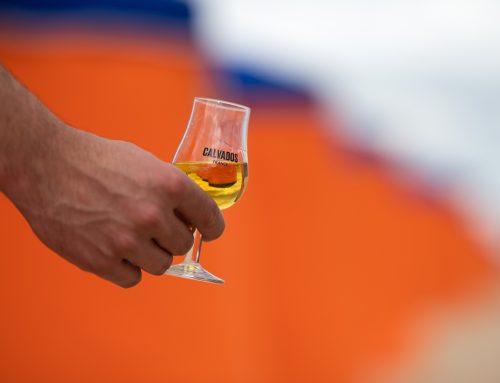
On the cognac shelf at the Brink there are 144 bottles from 33 houses. A little further along there are 36 from 13 houses, and those say armagnac on the label. Both come from France, both are distilled wines, and both carry VS, VSOP and XO. Still, they are not the same, and the difference lies in places where you would not look right away.
Anyone who asks at the counter what the difference is often hears that armagnac is supposedly rougher. That is a judgement of taste, and we do not start there. We start with the still, the grape and the cask, because those are the three things laid down in the rules.
Two regions, a few hundred kilometres apart
Cognac comes from the Charente and the Charente-Maritime, north of Bordeaux. Armagnac comes from the Gascogne, south of it. Both regions received their appellation d’origine contrôlée in 1936, and in both cases that appellation determines where the grapes may grow, how distillation may be carried out and how long the spirit must be aged.
Cognac is divided into six crus, with Grande Champagne and Petite Champagne the best known. Armagnac has three: Bas-Armagnac, Ténarèze and Haut-Armagnac. The split is not even. Bas-Armagnac supplies roughly 62 percent of armagnac, Ténarèze some 37 percent, and Haut-Armagnac stays at about 1 percent. You can see this reflected in our own bottles: where a region is stated, it is almost always Bas-Armagnac.
Distilling twice, or in a single run
This is where the real difference lies, and it is the only one you cannot taste without knowing it.
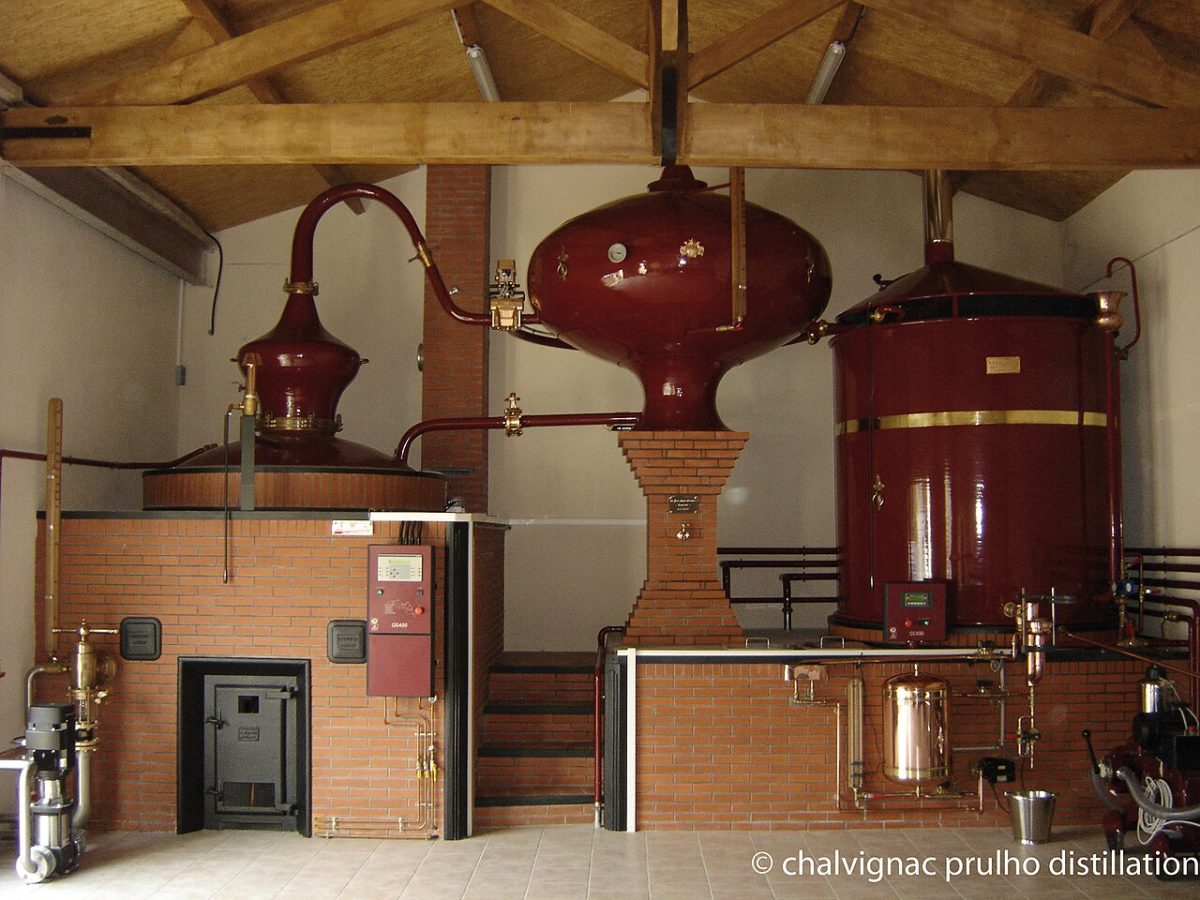
Cognac must pass twice through a copper still, the alambic charentais. The first run yields a cloudy, weak distillate; the second run brings it up to strength and cuts off the heads and tails. It is slow work and the distiller is there for both runs.
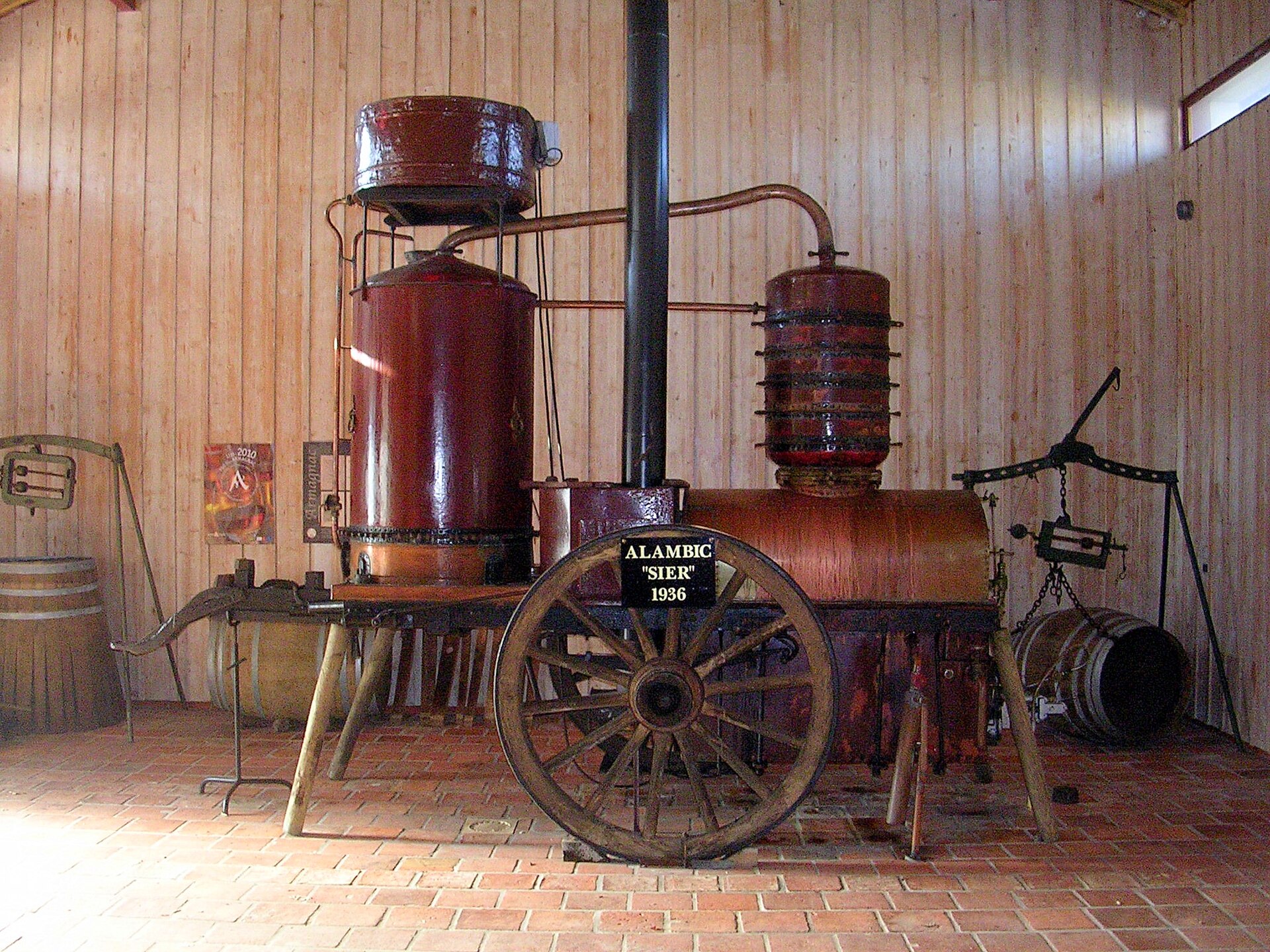
Armagnac mostly goes in a single run through the alambic armagnacais, a continuous column still. The wine runs in at the top, the vapour rises through a series of plates, and at the bottom the distillate comes out. The law allows a maximum of fifteen plates; most distillers work with five to eight. About 95 percent of all armagnac is made this way. The distillate comes out between 52 and 60 percent, considerably lower than with cognac, and the lower it comes out, the more of the wine remains in it.
The same deadline applies to both: on 31 March after the harvest the still must be switched off.
The grape: ugni blanc, and for armagnac also baco
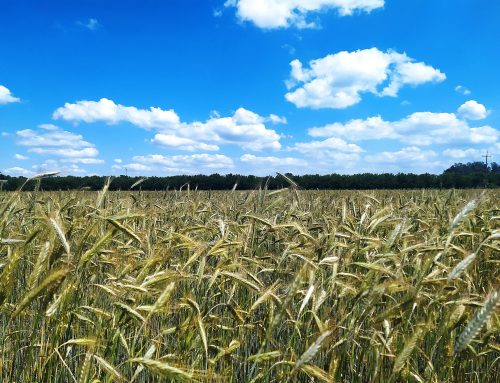
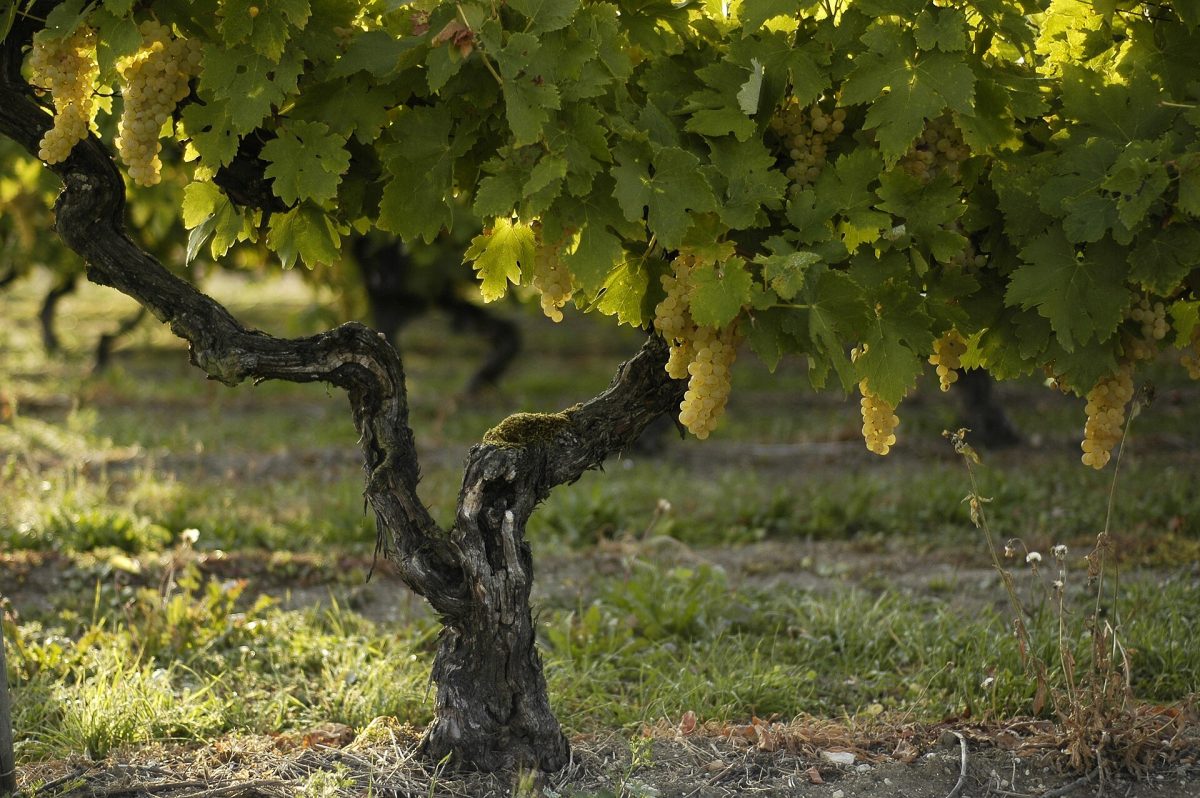
Cognac relies almost entirely on ugni blanc, supplemented with folle blanche and colombard. For a cru cognac at least 90 percent must come from those three.
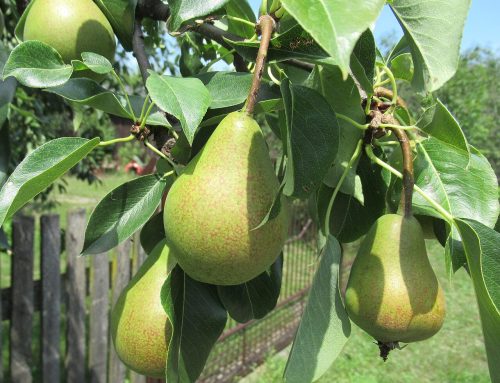
Armagnac may be made from ten grape varieties, but in practice there are four: ugni blanc, baco 22A, folle blanche and colombard. That baco is the nicest detail of the whole story. It is a cross, not a pure vine, and nowhere else in France is it permitted for an appellation. Only in Gascony, and only for distilling. Armagnac is thus the only French appellation where a hybrid may simply end up in the bottle.
The cask, and what the years mean
Cognac matures in French oak from Limousin or Tronçais. Armagnac traditionally goes into 400-litre casks of local Gascon oak, the so-called black oak, with a wider grain; Limousin is also used there.
The designations look the same, but the requirements differ. For cognac, VS means at least two years, VSOP four, Napoléon six, XO ten and XXO fourteen. For armagnac, VS is permitted from as little as one year, VSOP from four, and XO and hors d’âge from ten. For both, the ten years for XO has only been the rule since April 2018; before that, six years was enough.
Armagnac has two things that cognac does not have in the same way. The first is the millésime: an armagnac from a single harvest year, which must age for at least ten years. The second is Blanche Armagnac, since 2005 a separate appellation for armagnac that never goes into wood and rests in a neutral tank for at least three months after distillation.
What the label doesn't say
An age statement always refers to the youngest eau-de-vie in the bottle. An XO is therefore at least ten years old, but can consist largely of much older stock. Conversely, Napoléon says nothing about a brand or a style; it is simply an age class.
And sometimes there is nothing at all. Of our 36 armagnacs, seven have XO on the label, seven VSOP, six VS and three a vintage. For eight bottles the designation is not in our records. In that case we check the bottle itself before telling you, rather than guessing.
Why we stock four times as much cognac
Armagnac is small. The whole region produces about three million bottles a year, and much of it comes from family estates that distil and bottle themselves. Cognac is a market of global brands with houses you know from advertising.
That difference shows on the shelf: 144 cognacs from 33 houses versus 36 armagnacs from 13 houses. It does not mean that one is better than the other. It means that with armagnac you are more likely to hold a bottle from a single estate and a single vintage, and with cognac more likely a blended house style that is meant to taste the same every year.
Where to start
If you want to compare the difference yourself, take a VSOP of each. That is the same age category and therefore the fairest comparison. A Janneau VSOP from the webshop is a common starting point for that.
The whole shelf is on the category pages cognac and armagnac, and you can also browse directly through all cognacs or all armagnacs. If you cannot work it out, give us a call; we are standing here among the bottles.
Read more
- What VS, VSOP, Napoléon and XO mean on a cognac bottle
- How cognac is made: double-distilled in the alambic charentais
- The crus of cognac: Grande Champagne, Petite Champagne, Borderies and the Bois
- Bas-Armagnac, Ténarèze and Haut-Armagnac: the three regions of Gascony
- Vintage Armagnac: what a millésime means
- Brandy and cognac: all cognac is brandy, but not the other way round
Sources for the rules and the figures in this article: the appellation rules for cognac and armagnac as described on Wikipedia (entries Cognac and Armagnac) and the production description of armagnac on Alcademics. The numbers of bottles, houses and designations come from our own shop data.