
Herbal liqueur
Een kruidenlikeur is een gezoete gedistilleerde drank op smaak gebracht met kruiden, wortels, schillen en specerijen. Volgens de Europese regels heeft een likeur minimaal 15 procent alcohol en meestal minimaal 100 gram suiker per liter. Bekende voorbeelden zijn Chartreuse van de Kartuizer monniken, Bénédictine uit Fécamp en Drambuie uit Schotland. In de winkel aan de Brink in Bathmen staan nu 36 kruidenlikeuren uit Nederland, Frankrijk, Spanje, Italië en verder.
- 36bottles in the shop
- 26brands
- 9countries
- 14,9–55%alcohol
What exactly is a herbal liqueur?
An herbal liqueur is a liqueur whose flavor comes mainly from plants: herbs, roots, flowers, seeds, peels and spices. European Regulation 2019/787 defines what a liqueur is. It is a spirit drink made from agricultural alcohol or a distillate, which is sweetened and to which flavorings or products of agricultural origin have been added.
The alcohol content is at least 15 percent. The sugar content, expressed as invert sugar, is in most cases at least 100 grams per litre. For liqueurs made only with gentian, a similar plant or wormwood, the limit is 80 grams. Because a liqueur always has a minimum of sugar, ‘dry’ on the label of a liqueur does not, according to the regulation, mean that the drink is unsweetened.
What are monastery liqueurs such as Chartreuse and Bénédictine?
Monastery liqueurs are herbal liqueurs with a history in a monastery. Chartreuse is still made by the Carthusian monks. According to the makers, Marshal François-Annibal d’Estrées gave the Carthusians in Paris a manuscript in 1605 containing the recipe for an herbal elixir. From that came the elixir and later the green and yellow liqueur.
130 plants go into Chartreuse, and only two monks know the full recipe. Since 2018 distilling has been done at the Aiguenoire distillery, in the Chartreuse mountains.
Bénédictine has a different background. The recipe is attributed to a Benedictine monk and is said to go back to 1510. Wine merchant Alexandre Le Grand from Fécamp brought the liqueur to market and built the Palais Bénédictine there, where it is still made from 27 plants and spices.
Herbal liqueur at ’t Bockje
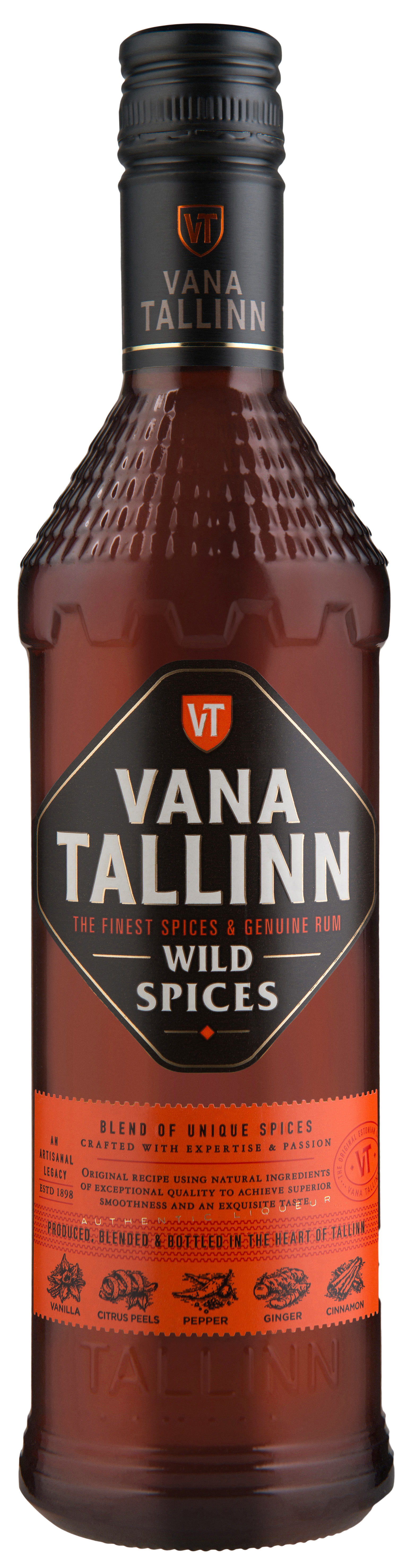
Een greep uit de 36 flessen die nu in de winkel aan de Brink staan.




In brief
| Minimum alcohol content | 15 percent vol |
|---|---|
| Minimum sugar content | 100 grams per litre (80 grams for gentian or wormwood only) |
| Legal basis | Regulation (EU) 2019/787, category 33 liqueur |
| German term | Herbal liqueur |
| Protected hierbas | Hierbas de Mallorca and Hierbas Ibicencas |
| Chartreuse | 130 plants, made by Carthusian monks |
| Bénédictine | 27 plants and spices, made in Fécamp |
| In the shop | 36 bottles |
What is the difference between Frisian herbal liqueur and berenburg?
The difference is in the sugar. Berenburg, the best-known Frisian herbal drink, is a herbal bitter. For a bitter, European regulations do prescribe a minimum of 15 percent alcohol, but no minimum sugar content. A herbal liqueur, on the other hand, must as a rule contain at least 100 grams of sugar per litre.
Herbal liqueurs are also made in Friesland. Claerkampster is a brand of Boomsma, the family distillery that Dirk Boomsma started in Leeuwarden in 1883. Boomsma has traditionally made jenever, Beerenburger and liqueurs, still following the original recipes. Anyone looking for a Frisian herbal drink therefore first chooses between a bitter and a sweeter liqueur.
What are Spanish hierbas and German herbal liqueur?
Hierbas are herbal drinks from the Balearic Islands with a protected geographical indication in the EU. Hierbas de Mallorca must be made and bottled on Mallorca, with lemon verbena, chamomile, orange, lemon, rosemary, lemon balm and fennel from the island, among other things. There are three kinds: seca, mezcladas and dulce, from dry to sweet.
Hierbas Ibicencas come from Ibiza and Formentera, with between 24 and 38 percent alcohol and plants such as fennel, thyme, rosemary and sage. Legally both fall under the spirit drinks with an aniseed flavour.
In Germany herbal liqueur is called Kräuterlikör. The same European rules apply there: German food control refers for Kräuterlikör to the liqueur category from Regulation 2019/787, with at least 15 percent alcohol and 100 grams of sugar per litre.
Which herbal liqueurs does ’t Bockje have?
The shop stocks herbal liqueurs from, among others, Schrobbelèr, Van Wees, Bols, Claerkampster, Battumse, Izarra, Licor 43, Galliano and Gurktaler. Schrobbelèr originated in the 1970s in the home bar of Jan Wassing in Tilburg and is made with 43 herbs.
Of the monastery liqueurs, Chartreuse and Bénédictine are on the shelf, alongside the hierbas of Mallorca and Ibiza and Drambuie from Scotland, made from Scotch whisky, heather honey, herbs and spices. The bottles come from the Netherlands, France, Spain, Italy, Germany, Scotland, Austria and Portugal.
Are you torn between a monastery liqueur and a hierbas, or looking for a bottle for a cocktail? Call the shop or drop by at the Brink 2 in Bathmen.
Brands in this selection
- Schrobbelèr 4
- Hierbas 2
- Izarra 2
- Licor 2
- Licor 43 2
- Van Wees 2
- Battumse 1
- Bols 1
- Claerkampster 1
- Dom 1
- Drambuie 1
- Galliano 1
- Gurktaler 1
- Henri 1
- Italicus 1
- Kalkwijck 1
- Kimera 1
- Krugmann Rhein Spritzer 1
- Liquore 1
- Nobeltje 1
- Ossenkämper 1
- Rutte 1
- Stoer 1
- Suze 1
- Vana 1
- Zuidam 1
What customers also ask
Is berenburg a herbal liqueur?
No, berenburg is a herbal bitter. No minimum sugar content applies to a bitter, whereas for a liqueur it is as a rule 100 grams per litre.
Is Bénédictine made by monks?
No. The recipe is attributed to a Benedictine monk, but the liqueur is made in the Palais Bénédictine in Fécamp, which the wine merchant Alexandre Le Grand had built.
How much alcohol is in herbal liqueur?
At least 15 percent, as set by the European regulation.
How many herbal liqueurs are in the shop?
Op dit moment 36, uit onder meer Nederland, Frankrijk, Spanje, Italië en Schotland.
Keep browsing
Sources
- Verordening (EU) 2019/787, bijlage I (tekst zoals vastgesteld), legislation.gov.uk, legislation.gov.uk/eur/2019/787/annex/I/adopted (accessed 9 October 2026)
- Verordening (EU) 2019/787 betreffende gedistilleerde dranken, EUR-Lex, Europese Unie, eur-lex.europa.eu/legal-content/NL/TXT/HTML/?uri=CELEX:32019R0787 (accessed 9 October 2026)
- Technisch dossier Hierbas Ibicencas (PGI-ES-01973), Europese Commissie, eAmbrosia, webgate.ec.europa.eu/eambrosia-api/api/v1/attachments/55634 (accessed 9 October 2026)
- Hierbas de Mallorca, technisch dossier geografische aanduiding, GOV.UK, assets.publishing.service.gov.uk/media/6682c9b5aec8650b10090216/Hierbas_de_Mallorca_IG_20.pdf (accessed 9 October 2026)
- Hierbas Ibicencas, technisch dossier geografische aanduiding, GOV.UK, assets.publishing.service.gov.uk/media/6682ca1b7d26b2be17a4b532/Hierbas_Ibicencas_IG_20.pdf (accessed 9 October 2026)
- Inverkehrbringen von Kräuterlikör, Veterinär- und Lebensmittelüberwachungsamt Burgenlandkreis, burgenlandkreis.de/de/datei/anzeigen/id/88134.1069/inverkehrbringen+von+kraeuterlikoer_2022.pdf (accessed 9 October 2026)
- History of Chartreuse, Chartreuse, chartreuse.fr/?p=802 (accessed 9 October 2026)
- Bénédictine, Bénédictine, benedictinedom.com/ (accessed 9 October 2026)
- Palais Bénédictine, Normandie Tourisme, en.normandie-tourisme.fr/?p=154339 (accessed 9 October 2026)
- Drambuie, Drambuie, drambuie.com/ (accessed 9 October 2026)
- Boomsma Distilleerderij-Wijnkoperij, Wine Paris, wineparis.com/newfront/exhibitor/boomsma-distilleerderijwijnkoperij-bv (accessed 9 October 2026)
- Boomsma Cloosterbitter, Punch, punchdrink.com/articles/boosma-cloosterbitter-green-chartreuse-herbal-liqueur/ (accessed 9 October 2026)
- Local specialities, Visit Leeuwarden, visitleeuwarden.com/en/blogs/local-specialities (accessed 9 October 2026)
- Over de geschiedenis van Schrobbelèr, Omroep Brabant, omroepbrabant.nl/nieuws/3981139/schrobbeler-hoe-kruik-met-urine-uitgroeide-tot-wereldberoemd-drankje (accessed 9 October 2026)
The shop is at Brink 2 in Bathmen. Open Tuesday to Friday from 09.00 to 18.00 and Saturday from 09.00 to 17.00. For advice, call 0570 541 278 or email info@bockje.nl.
Wij verkopen geen alcohol aan personen onder de 18 jaar. NIX18.