
Nut liqueur
Hazelnut liqueur is a liqueur that gets its aroma mainly from hazelnuts. According to European rules, every liqueur has at least 15 percent alcohol and at least 100 grams of sugar per litre. Besides hazelnut, there are liqueurs made from almond (amaretto), unripe walnut (nocino), chestnut and macadamia. Nocino has its own legal category with at least 30 percent alcohol. In the shop on the Brink in Bathmen there are now 24 bottles of nut liqueur from Italy, the Netherlands, Germany, Portugal and France.
- 24bottles in the shop
- 18brands
- 5countries
- 17–40%alcohol
What is nut liqueur according to the law?
Nut liqueur falls within the European category of liqueur. Regulation (EU) 2019/787 defines liqueur as a spirit drink based on agricultural alcohol, a distillate or other spirit drinks, that has been sweetened and to which flavourings, agricultural products or foodstuffs have been added. The alcohol content is at least 15 percent.
For sweeteners, a minimum of 100 grams per liter applies, expressed as invert sugar. Only cherry liqueur based on cherry eau-de-vie (70 grams) and liqueur flavored exclusively with gentian or wormwood (80 grams) may be lower. A hazelnut, almond or chestnut liqueur therefore falls under the general rule of 100 grams per liter. The regulation also allows the predominant flavor to be named in the name, such as hazelnut or almond.
What types of nut liqueur are there?
Most nut liqueurs are named after the nut. Hazelnut liqueur is called liquore di nocciola or crema di nocciola in Italy. You know almond liqueur mainly as amaretto, but also as almond liqueur from the Netherlands or as amêndoá amarga, Portuguese for bitter almond. Walnut liqueur made from unripe nuts is called nocino.
In addition there are liqueurs made from chestnut, in French châtaigne, and from macadamia. For most of these types there is no legal definition of their own; they follow the general rules for liqueur. Nocino is the exception: it has its own category in the European regulation with stricter requirements. On the label you can see which nut plays the leading role and how much alcohol the bottle contains.
Nut liqueur at ’t Bockje
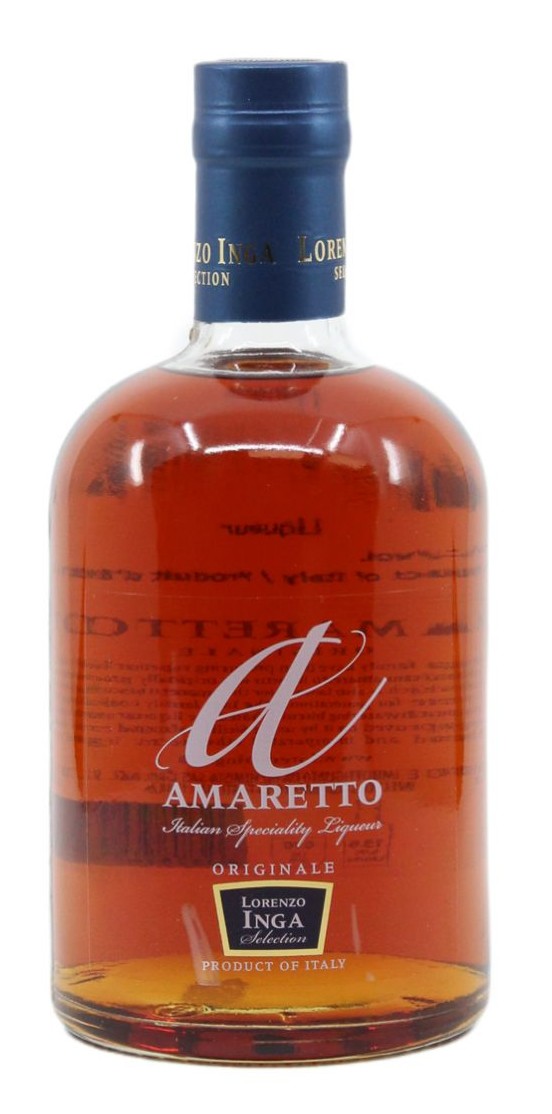
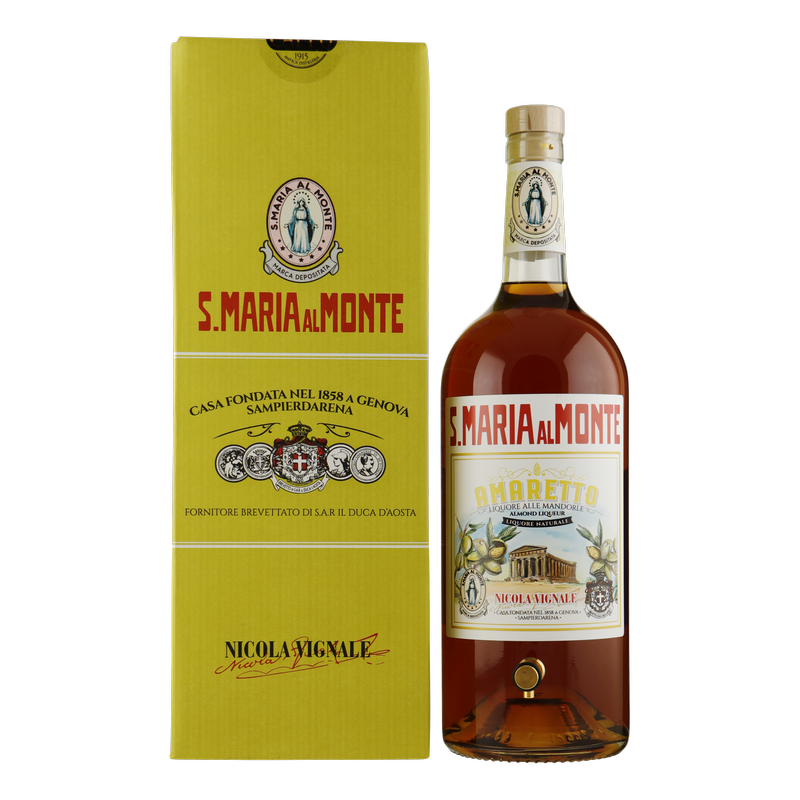
A selection from the 24 bottles now in the shop at the Brink.



In brief
| Liqueur (EU) | At least 15 percent alcohol (Regulation (EU) 2019/787) |
|---|---|
| Sugar | At least 100 grams per litre, expressed as invert sugar |
| Nocino | Own category: unripe walnuts, at least 30 percent alcohol |
| Nocino picking tradition | 24 June, feast of John the Baptist (Modena) |
| Nocciola Piemonte IGP | Protected since 1996, variety Tonda Gentile Trilobata |
| Types | Hazelnut, almond, walnut, chestnut, macadamia |
| In the shop | 24 bottles |
What is nocino and when are the walnuts picked?
Nocino is a liqueur flavoured mainly by maceration, or maceration and distillation, of whole unripe walnuts. Regulation (EU) 2019/787 gives nocino a category of its own: at least 30 percent alcohol and at least 100 grams of sweeteners per litre. The name may be supplemented with the word liqueur.
In the province of Modena, nocino is a tradition. According to the technical file that the Italian industry federation Federvini submitted to the European Commission in 2016 for the geographical indication Nocino di Modena, the nuts are traditionally picked on 24 June, the day of John the Baptist, when the husk is still green and soft. That file specifies at least 250 grams of walnut per litre, at least four months of maceration, at least six months of ageing and a final product of 38 to 43 percent alcohol.
Why is Piedmontese hazelnut so well known?
The hazelnut from Piedmont has been a protected geographical indication since 1996: Nocciola Piemonte IGP. According to the product specification, it is the fruit of the Tonda Gentile Trilobata variety, grown in municipalities in the Piedmontese provinces of Alessandria, Asti, Biella, Cuneo, Novara, Turin and Vercelli. The Consorzio Tutela Nocciola Piemonte safeguards the name.
If a producer wants to put that name on a processed product, such as a liqueur, rules apply. The product file only allows this if the protected hazelnut is the characteristic ingredient. According to the consortium, a producer who uses the name in the product name or the presentation needs permission to do so; a mention in the ingredients list alone falls outside this.
How do you read the label of a nut liqueur?
The label tells you which nut defines the aroma and how much alcohol the bottle contains. European regulation allows the producer to put the dominant aroma in the name, such as hazelnut, almond or chestnut. If it says nocino, it is a liqueur made from whole unripe walnuts with at least 30 percent alcohol; for an ordinary liqueur the minimum is 15 percent.
For hazelnut from Piedmont, the protected name Nocciola Piemonte IGP is an indication. It may only appear in the product name or presentation if the protected hazelnut is the characteristic ingredient and the producer has permission for it. For amaretto and other liqueurs without their own definition, the ingredient list tells you which raw materials the producer uses. If in doubt, bring the bottle to the counter.
Which nut liqueurs are in the shop?
The shop currently has 24 bottles of nut liqueur from Italy, the Netherlands, Germany, Portugal and France. For hazelnut there are, among others, Frangelico, the Battumse Hazelnoot likeur, the Bellini Liquore Crema Nocciola and the Noselar Liquore di Nocciola. Walnut you will find in the F.Lli Vena Liquore Nocino.
For almond there are CASONI Amaretto, Disaronno, Amaretto di Venezia, Amendoa Amarga and the Kalkwijck Amandellikeur. Chestnut comes from France with the Francois Peyrot Châtaigne & Cognac Liqueur, and for macadamia there is O'Donnell Moonshine Macadamia. You will also see bottles from Toschi, Zuidam, Absacker, Lorenzo Inga and Santa, among others. Looking for a particular nut or want to know what is on a label? Feel free to call or drop by ’t Bockje at the Brink 2 in Bathmen.
Brands in this selection
- Santa 3
- Battumse 2
- O'Donnell Moonshine 2
- Toschi 2
- Zuidam 2
- Absacker 1
- Amaretto 1
- Amendoa 1
- Bellini Liquore Crema 1
- CASONI 1
- Disaronno 1
- F.Lli 1
- Francois Peyrot 1
- Frangelico 1
- Kalkwijck 1
- Lorenzo Inga 1
- Noselar 1
- Rutte 1
What customers also ask
How much alcohol is in hazelnut liqueur?
At least 15 percent, because that is the European minimum for liqueur; the exact content is on the label.
Is amaretto a nut liqueur?
Amaretto is an Italian liqueur usually associated with almond; which ingredients go into it is stated in the ingredients list.
What is the difference between nocino and other walnut liqueurs?
Nocino is made from whole unripe walnuts and by law has at least 30 percent alcohol, compared with 15 percent for ordinary liqueur.
When are the walnuts for nocino picked?
In Modena traditionally on 24 June, when the husk is still green and soft.
How many nut liqueurs are in the shop?
At the moment 24 bottles, from Italy, the Netherlands, Germany, Portugal and France.
Keep browsing
Sources
- Verordening (EU) 2019/787, bijlage I, categorieën 33 en 38, European Union (EUR-Lex), eur-lex.europa.eu/legal-content/NL/TXT/HTML/?uri=CELEX:32019R0787 (accessed 10 October 2026)
- Scheda tecnica: indicazione geografica Nocino di Modena, European Commission (eAmbrosia), submitted by Federvini, webgate.ec.europa.eu/eambrosia-api/api/v1/attachments/52982 (accessed 10 October 2026)
- Disciplinare di produzione Nocciola Piemonte IGP, Consorzio Tutela Nocciola Piemonte IGP, nocciolapiemonte.it/disciplinare/ (accessed 10 October 2026)
- Prodotti trasformati, Consorzio Tutela Nocciola Piemonte IGP, nocciolapiemonte.it/prodotti-trasformati/ (accessed 10 October 2026)
The shop is at Brink 2 in Bathmen. Open Tuesday to Friday from 09.00 to 18.00 and Saturday from 09.00 to 17.00. For advice, call 0570 541 278 or email info@bockje.nl.
Wij verkopen geen alcohol aan personen onder de 18 jaar. NIX18.