
From the shelf
Everything we have from Clynelish
Click on a bottle for the rest of the details.
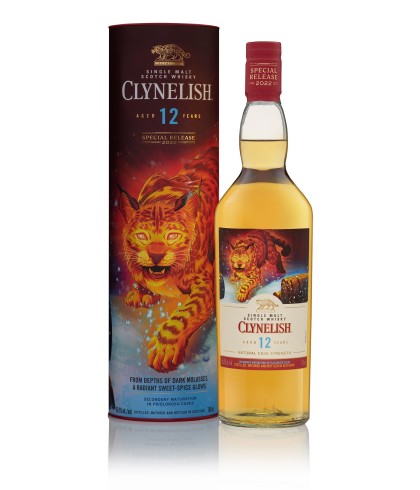
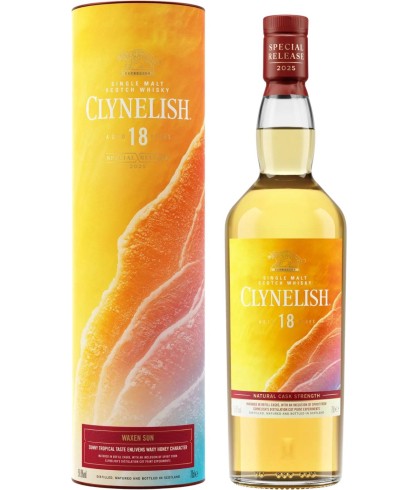
Four bottles that each show a different face
Clynelish rarely comes to market in large numbers, and that is exactly why this small range is appealing: the core fourteen-year-old as an introduction, a ten-year-old at 57.1 percent from Signatory, a Special Release from the Diageo series, and a thirty-year-old from 1993 of which we have exactly one left.
If you want to get to know the waxy style of this house, start with the fourteen-year-old. Not sure which one you need? Give us a call. That is what we are here for.
The four bottles we have are located
From 52 to well over 1,300 euros, and from 44 to 57 percent.
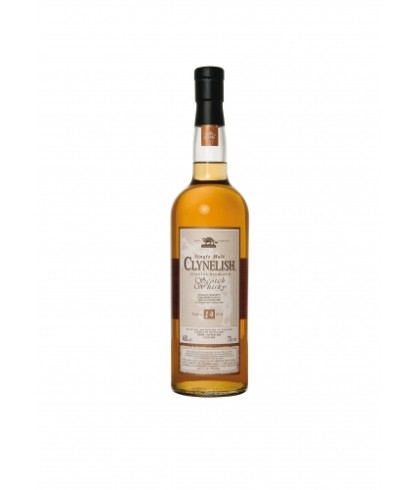
Clynelish 14 Years Old
The house's core fourteen-year-old, 46%. The bottle where the waxy style comes through most clearly.
€ 51,99
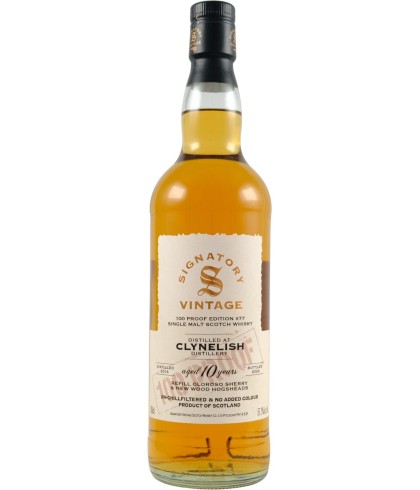
Signatory Clynelish 10 Years Old 2016 100 Proof
Ten years, cask #77. Always at 57.1 percent.
€ 54,99
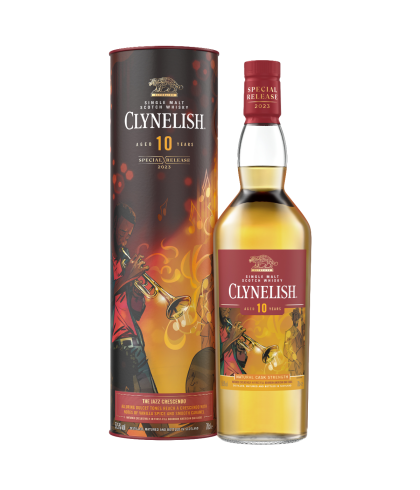
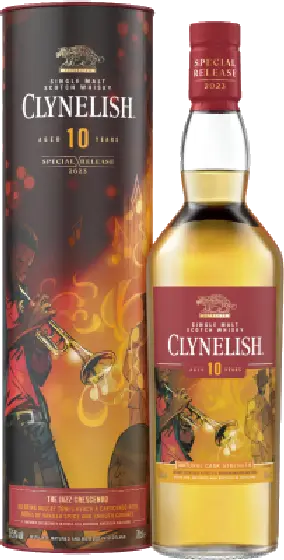
Clynelish 10 Years The Jazz Crescendo
Ten years, from the 2022 Special Releases range. 57.5%.
€ 168,99
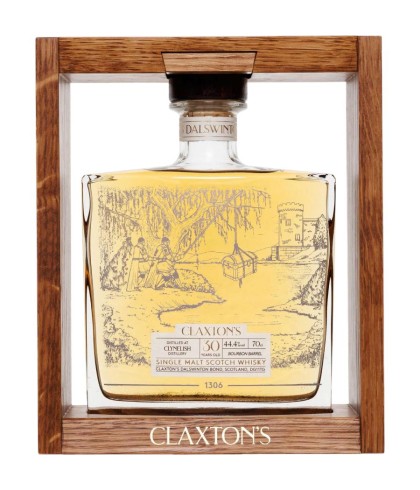
Claxton’s Dalswinton Clynelish 30 Years Old 1993
Vintage 1993, from the Dalswinton series by Claxton’s. 44.4%.
€ 1.349,00
Two distilleries, one name, and a painful history
- The distillery in five moments
- 1819The Marquess of Stafford founds Clynelish near the village of Brora.
- 1967A new, much larger distillery is coming next door, with the same name.
- 1968The old distillery closes down.
- 1969It reopens under the name Brora and will distil heavily peated spirit.
- 1983Brora closes; Clynelish continues alone.
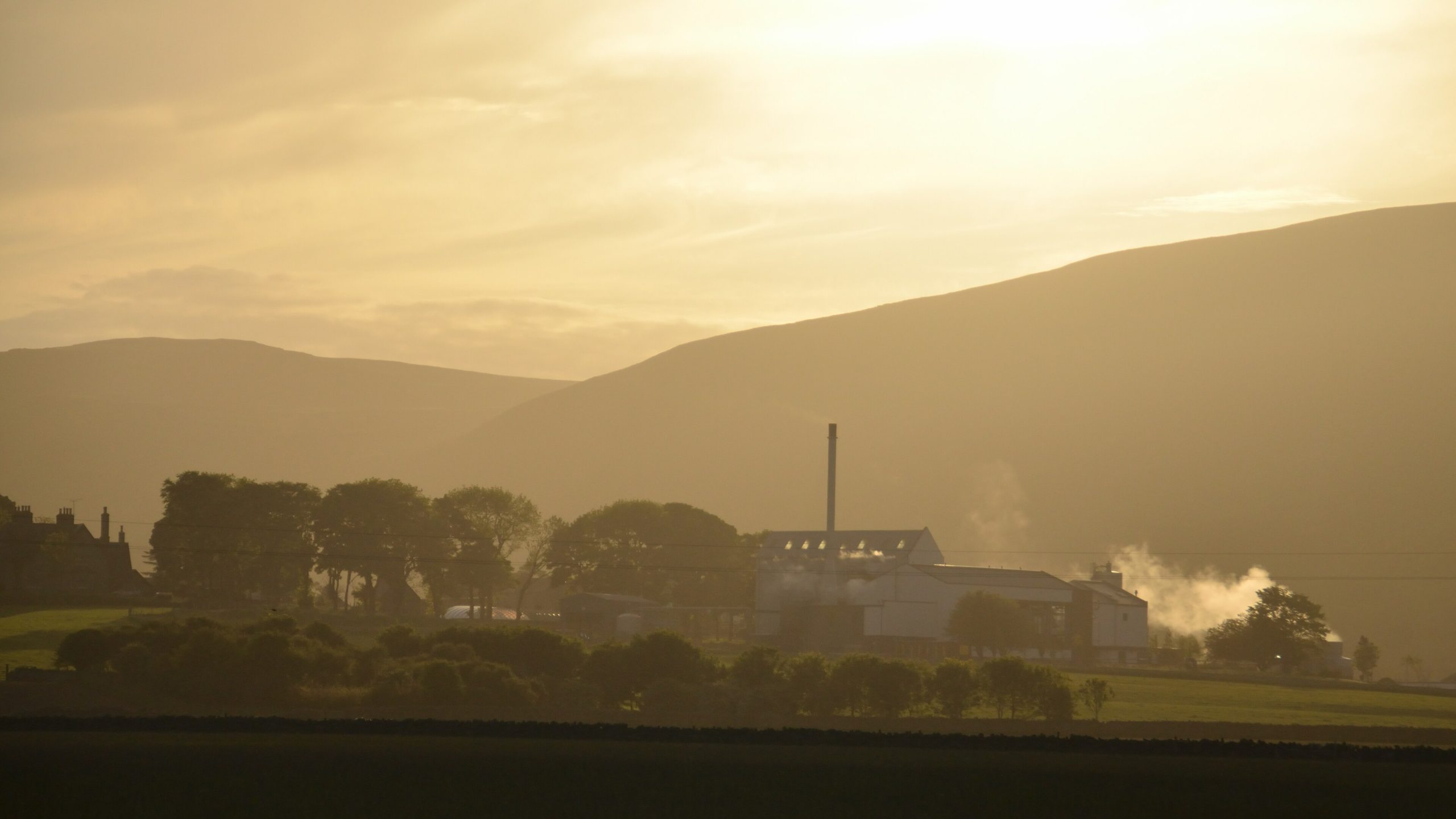
Clynelish stands by the village of Brora on the east coast of Sutherland, halfway between Inverness and John o’Groats. The name goes back to 1819, when the Marquess of Stafford, later the Duke of Sutherland, had a distillery built there. In those same years, the same man drove thousands of tenants off his land to keep sheep; the distillery had to provide an outlet for the barley of the farmers who stayed, and to out-compete the illegal distillers of the area.
In 1967 a new, much larger distillery was built right next door, also called Clynelish: an almost exact copy of Caol Ila on Islay. A year later the old one closed, and in 1969 it reopened under the name Brora, where heavily peated whisky was distilled. Brora closed in 1983 and has since reopened; those bottles are now highly sought after by collectors.
The water comes from the Clynemilton Burn, a stream that according to tradition contains particles of gold. What makes the whisky famous is its waxy structure: an oily, candle-like texture with tropical fruit and honey around it. This is said to come from the short condensers and the way the spirit stills are run at a lower temperature.
About ninety-five percent goes into Johnnie Walker, especially Gold Label Reserve. What remains as single malt is therefore a fraction.
Clynelish or Brora?
Two distilleries on one site. Everything bottled as Clynelish before 1968 comes from the building that is now called Brora. Everything after that comes from the new distillery. If you are looking for old Clynelish, bear in mind that you are effectively looking at Brora, and that you will pay a hefty price for it.
View all Clynelish in the Online shop
Four bottles, with the current price and stock.
Frequently asked questions about Clynelish
How many Clynelish does ’t Bockje have in stock?
Four bottles, all immediately available: the standard fourteen-year-old, two ten-year-olds and a thirty-year-old from 1993 of which we have exactly one left.
Which Clynelish should you try first?
The 14 Years Old. That is the standard bottle and the clearest introduction to the waxy style this house is known for.
What does ‘waxy’ mean in whisky?
A fatty, almost waxy structure in the mouth, with tropical fruit and honey around it. Clynelish is the textbook example of this; it is said to come from the short condensers and the lower temperature at which the stills run.
What is the difference between Clynelish and Brora?
Two distilleries on the same site. Until 1968 the old building was called Clynelish; after that it was named Brora and heavily peated spirit was distilled there. The new distillery from 1967 has carried the name Clynelish ever since.
Why is so little Clynelish for sale?
Because about ninety-five percent of production goes into Johnnie Walker, especially Gold Label Reserve. What remains as single malt is a small part of what is distilled.
Does ’t Bockje also ship Clynelish abroad?
Yes. We ship to around forty countries. Email info@bockje.nl if you want to know whether your country is included.
Order, collect or drop by
- In stock in our shop at Brink 2 in Bathmen
- Available to order online and have delivered, including abroad
- Order online or collect in Bathmen
- Personal advice via 0570 541 278 or info@bockje.nl
- Opening hours: Tuesday to Friday 09.00–18.00, Saturday 09.00–17.00. Closed Monday and Sunday
Wij verkopen geen alcohol aan personen onder de 18 jaar. NIX18.
All 3 bottles at a glance
Each bottle shows the details from the label.
Keep browsing
- Our complete whisky rangeMore than 3,986 different bottles
- All whisky brands we stockFrom Aberfeldy to Yamazaki
- Caol IlaThe building Clynelish was copied from
- CardhuAlso a pillar of Johnnie Walker
- Claxton’sThe bottler of the thirty-year-old above
- ConnemaraIreland, the rare smoky Irishman
- ChichibuJapan: small, old-fashioned and always sold out
- About our wine and spirits shopBrink 2, Bathmen
Photo of the distillery: Andrew Tryon (CC BY-SA 2.0), via Wikimedia Commons. Bottle images: own online shop.
Brink 2, Bathmen
All our stock is in the shop, not in a warehouse somewhere else. If you walk in with a name you couldn't find anywhere, it is often simply here on the shelf. You can also call: 0570 541 278.
Wij verkopen geen alcohol aan personen onder de 18 jaar. NIX18
- Tuesday to Friday 09.00 – 18.00
- Saturday 09.00 – 17.00
- Monday and Sunday closed