
Wine from Germany, Austria and the Netherlands
78 wines from 36 houses in the northern wine countries. Germany, Austria, the Netherlands, Belgium and England: cool regions that produce fresh wines with plenty of acidity, and where Riesling feels most at home.
- 78wines in stock
- 36various houses
- 5countries
- 14Dutch houses
Cool climate, fresh wine
The further north the vineyard, the more slowly the grape ripens and the more acidity it retains. That produces fresh, lively wines. Riesling is known for that, and that is why serious wine is now also made in the Netherlands and England.
Among others we stock Ellermann-Spiegel, Markus Molitor and Dopff au Moulin. If you are not sure which one to get, give us a call. That is what we are here for.
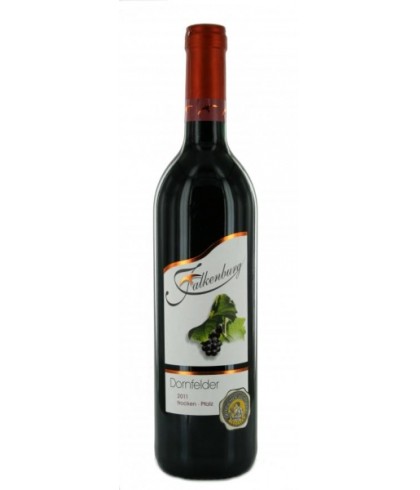
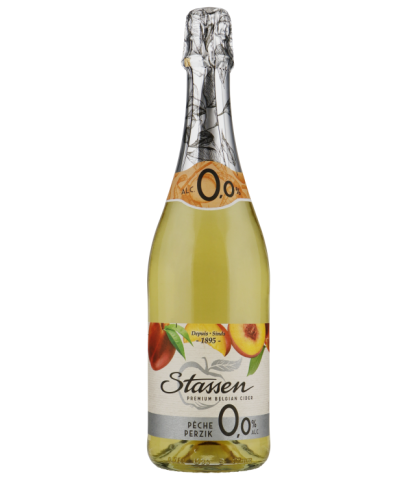
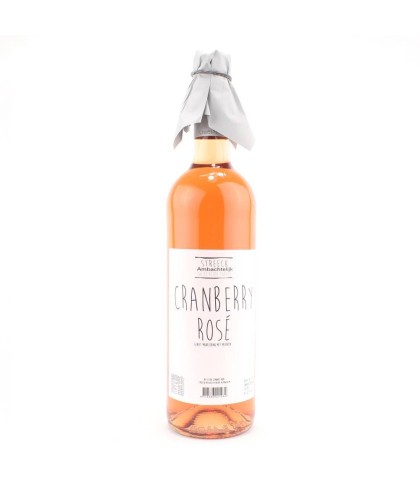
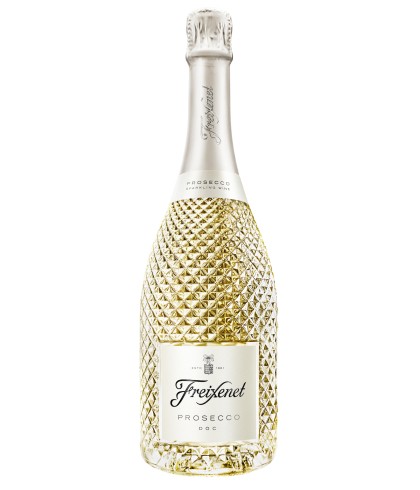
A cross-section of the shelf
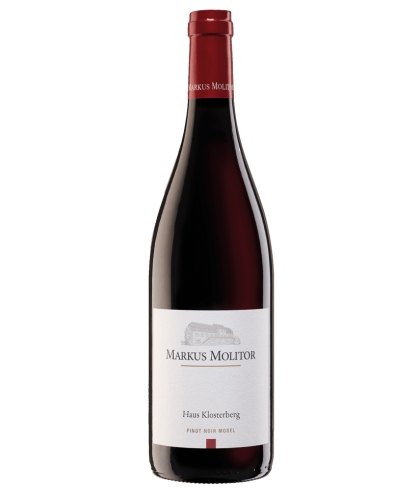
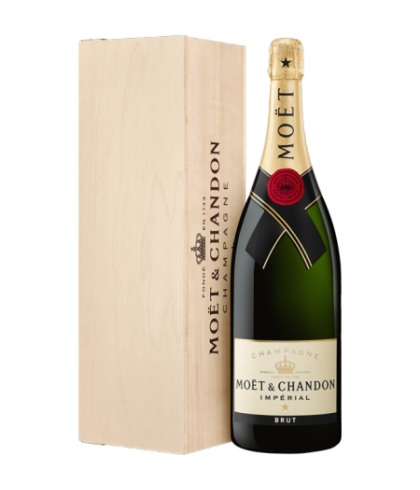
A selection of what we have in stock here.
Reading German and Dutch labels
- Words you will come across
- DryDry.
- Medium dry / feinherbMedium dry.
- GrauburgunderPinot gris. Weißburgunder is pinot blanc.
- SpätburgunderPinot noir.
German wine in the Netherlands still has the image of the sweet bottle from the eighties. That has not been true for decades: by far most of what Germany makes today is dry, and it says so on the label: trocken.
The grape names look complicated but are often simply translations. Everything with Burgunder belongs to the pinot family. Anyone who knows they like pinot gris can therefore search for grauburgunder.
Dutch wine has by now also become a serious category. Thanks to the warmer climate and new, fungus-resistant grape varieties, it is working out better and better here. And for a bottle from your own country, that is a nice talking point at the table.
Trocken means dry. With that one word, the biggest misunderstanding about German wine falls away.
All 36 houses at a glance
The number next to a house is the number of its wines that we have in stock. Click through to the online shop for price and stock.
- Ambrosia1
- Amora1
- Apostelhoeve2
- Boscowa2
- ChocoVine1
- Eisberg1
- Ellerman1
- Ellermann-Spiegel6
- Falkenburg1
- Forster1
- Freixenet8
- Grüner1
- Hambledon Vineyard2
- Haus Klosterberg2
- Henkell2
- J.Förster3
- Johann1
- Käfer1
- Markus Molitor5
- Michel Schneider1
- Moët & Chandon9
- Muskavino1
- P. Mertes2
- Peter Meyer1
- Pikeurtje1
- Rooise Heide2
- Rotwild2
- Siebrand4
- Stassen2
- Steininger2
- Sternthaler1
- Streeck1
- Vierlinghof2
- Weinzierl2
- WINE ESTATE1
- Wijngoed Gelders Laren2
Need advice?
Call 0570 541 278 or walk in at Brink 2 in Bathmen. Tell us what you will be drinking the wine with, and we will help you choose.
Frequently asked questions about Wine from Germany, Austria and the Netherlands
How many wines from these countries does ’t Bockje have?
Almost eighty, from thirty-six different houses.
Is German wine sweet?
That image dates from the eighties. By far most of what Germany makes now is dry, and the label says so: trocken.
What does grauburgunder mean?
Pinot gris. Weißburgunder is pinot blanc and Spätburgunder is pinot noir; everything with Burgunder belongs to the pinot family.
Is wine seriously made in the Netherlands?
Yes. Thanks to the warmer climate and new, mildew-resistant grape varieties that is working better and better. We stock wine from fourteen Dutch houses.
Why are wines from cool regions fresher?
Because the grapes ripen more slowly and therefore retain more acidity. That gives lively wines that go well with food.
Does ’t Bockje ship wine abroad?
Yes, to about forty countries. Email info@bockje.nl if you would like to know whether your country is included.
Order, collect or drop by
- In stock in our shop at Brink 2 in Bathmen
- Available to order online and have delivered, including abroad
- Order online or collect in Bathmen
- Personal advice via 0570 541 278 or info@bockje.nl
- Opening hours: Tuesday to Friday 09.00–18.00, Saturday 09.00–17.00. Closed Monday and Sunday
Wij verkopen geen alcohol aan personen onder de 18 jaar. NIX18.