The short answer to this question is on the question page What is aquavit?. Below you can read the full story behind it.
The aquavit section in Bathmen holds twelve bottles, spread across five houses. Next to the 3,784 whiskies a few metres further on, that is a small corner. But it is the corner that needs the most explanation, because most people standing in front of it do not know exactly what is in such a bottle.
That is a pity, because aquavit is one of the few spirits for which the law prescribes what may go into it and also which flavour must come first.
Caraway or dill must carry the flavour
The name itself is Latin: aqua vitae, water of life. The same two words lie behind the French eau-de-vie and the Irish uisce beatha, from which the word whisky grew. On labels you see three spellings side by side: akvavit in Denmark and Sweden, akevitt in Norway, and aquavit in Germany and the Netherlands. It is the same drink.
Aquavit has its own category in European Regulation 2019/787. The requirement there is unusually specific: the flavour of the drink must come largely from a distillate of caraway seed, of dill seed, or of both. Other natural flavourings may be added, but they may not overpower those two.
It comes with a ban you rarely find elsewhere in drinks law: essential oils may not be used. So the maker really has to distil the herbs and may not stir ready-made oil into the alcohol.
The rest of the requirements are brief. At least 37.5 per cent alcohol by volume. The base is agricultural ethanol. Sweetening and colouring are allowed, but the dry matter may not exceed one and a half grams per hundred millilitres, and bitterness may not clearly dominate the flavour.
Caraway is not the same as cumin
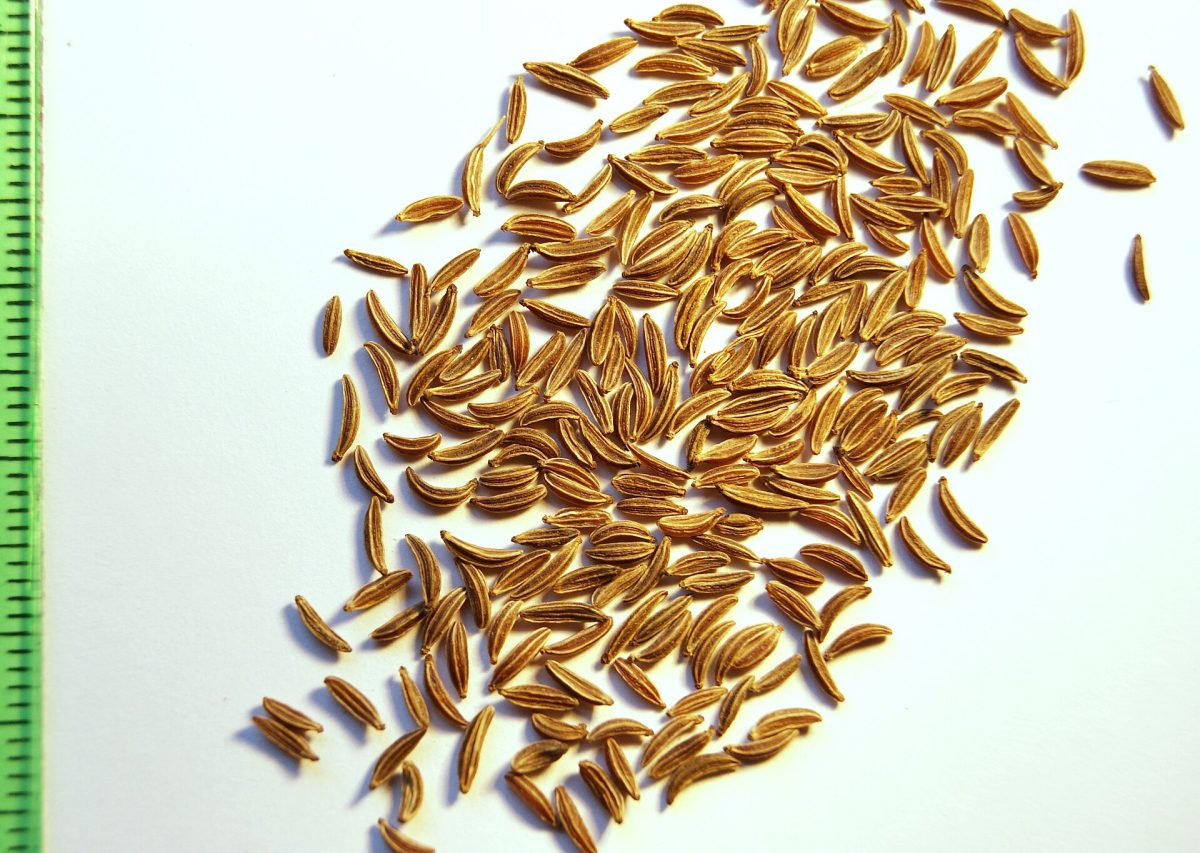
This is where things most often go wrong in the shop and in the kitchen. Caraway is Carum carvi, a biennial umbellifer that grows in northern and central Europe. Cumin is Cuminum cyminum, an annual plant from a warmer climate. The seeds look alike and the names get mixed up.
German makes the distinction sharp and confusing at the same time: caraway is called Kümmel there, cumin is called Kreuzkümmel. In Dutch you also come across caraway as kummel, and then it is the same plant. Anyone who opens an aquavit expecting cumin will be disappointed.
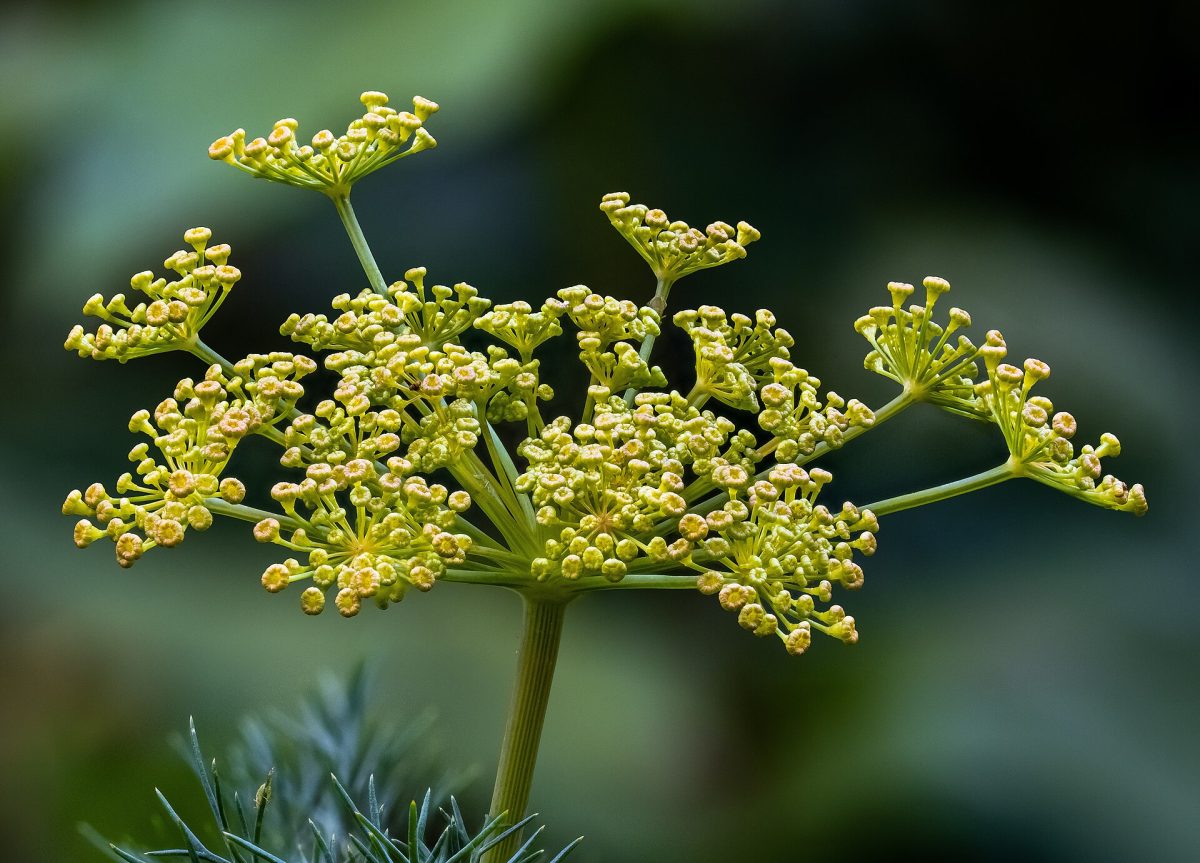
Dill, the other permitted main flavour, is Anethum graveolens. For aquavit it is about the seed, not the green fronds that go with salmon.
Danish, Norwegian and Swedish differ on three points
The law is the same for all three countries. What differs is custom.
Danish aquavit is usually clear, spends little or no time in wood and puts caraway first. It goes on the table ice-cold, with herring and with the cold buffet. Aalborg, the house of which we stock six bottles, also makes a version in which dill plays the lead instead of caraway. The same category, a different plant.
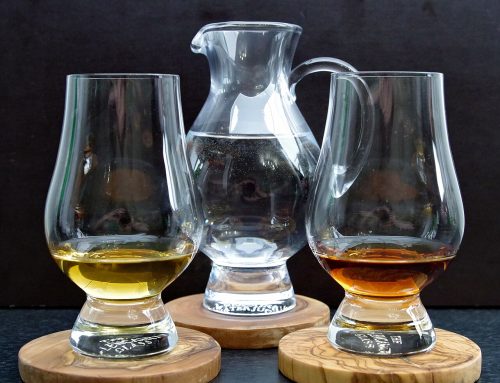
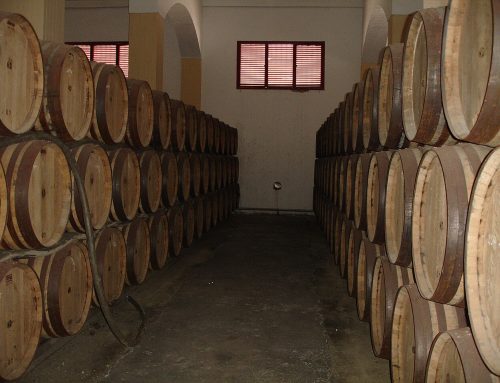
Norwegian akevitt does go into casks. Most brands leave it in oak for at least six months and sometimes years, and you can see that in the colour: golden brown instead of clear. In Norway it is also not served from the freezer but at room temperature, in a small tulip-shaped glass.
Swedish aquavit sits in between. It is usually clear and drunk cold, but the recipe often includes fennel and anise alongside caraway. That makes its aroma rounder than the Danish.
Linie: across the equator twice
The best-known example of the Norwegian cask custom is Linie, and that brand goes further than ageing alone. The casks go on board a ship, sail to Australia and back, crossing the equator twice. That is where the name comes from: linie is the old word for the equator.
The voyage takes about four months. On the way the aquavit lies in oloroso sherry casks, and the swell and temperature changes on board bring the drink into more contact with the wood than in a still cellar.
The custom goes back a long way. In 1805 the Norwegian Lysholm family sent casks of spirit along to the East Indies. Since 1927 the shipping company Wilhelmsen has carried the casks, and it still does.
What is in our section
Twelve bottles, five houses. Aalborg supplies six, Linie three, and there is one each from Angelburger, Bommerlunder and Nusbaumer.
That immediately means the section is not only Scandinavian. Angelburger and Bommerlunder come from Germany, where aquavit has a tradition of its own in the north. Nusbaumer distils in Alsace. We have nothing Swedish in stock at the moment, and we will say so honestly.
The percentages range from 38 to 45. All of that is above the legal minimum of 37,5, but it says little about how heavy a bottle tastes. That is determined by how much caraway or dill distillate goes in and whether the drink has spent time in wood.
Where to start
If you want to know what caraway does, put a clear Danish caraway aquavit next to the dill version from the same house. Then only one thing changes, and that makes the difference stand out.
If you want to know what the cask does, put a clear one next to an aged one. Drop in at Bathmen or call 0570 541 278 and we will set them out for you.
Keep browsing
All twelve bottles are together on our aquavit page, and with the wine and spirits shop's search engine you can go through them one by one. By house you will find what we stock: Aalborg, Linie, Bommerlunder, Angelburger and Nusbaumer.
The Dutch counterpart of this corner, where another plant has to carry the flavour, is under jenever. What the word jong means there, we explain in Jonge jenever: what jong on the label means. And how three drinks on the same neutral base still diverge is covered in Vodka, gin and jenever.