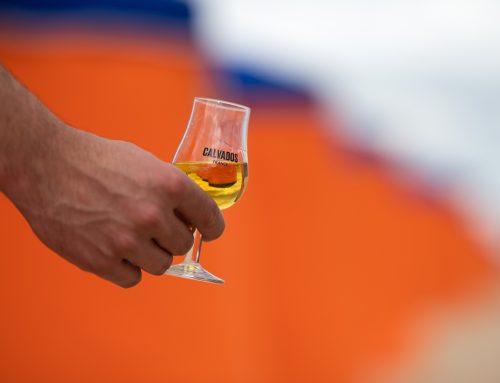
Calvados is the only one of the great French brandies that comes not from grapes but from apples. In the shop on the Brink there are forty-one, from thirteen houses, and all forty-one come from France.
What happens between the orchard and the bottle is rarely on the label. There are four steps: pressing the apples, fermenting the juice into cider, distilling that cider, and leaving the distillate in oak for years. Below, step by step, is what is legally required and what the maker may choose.
Which apples go in
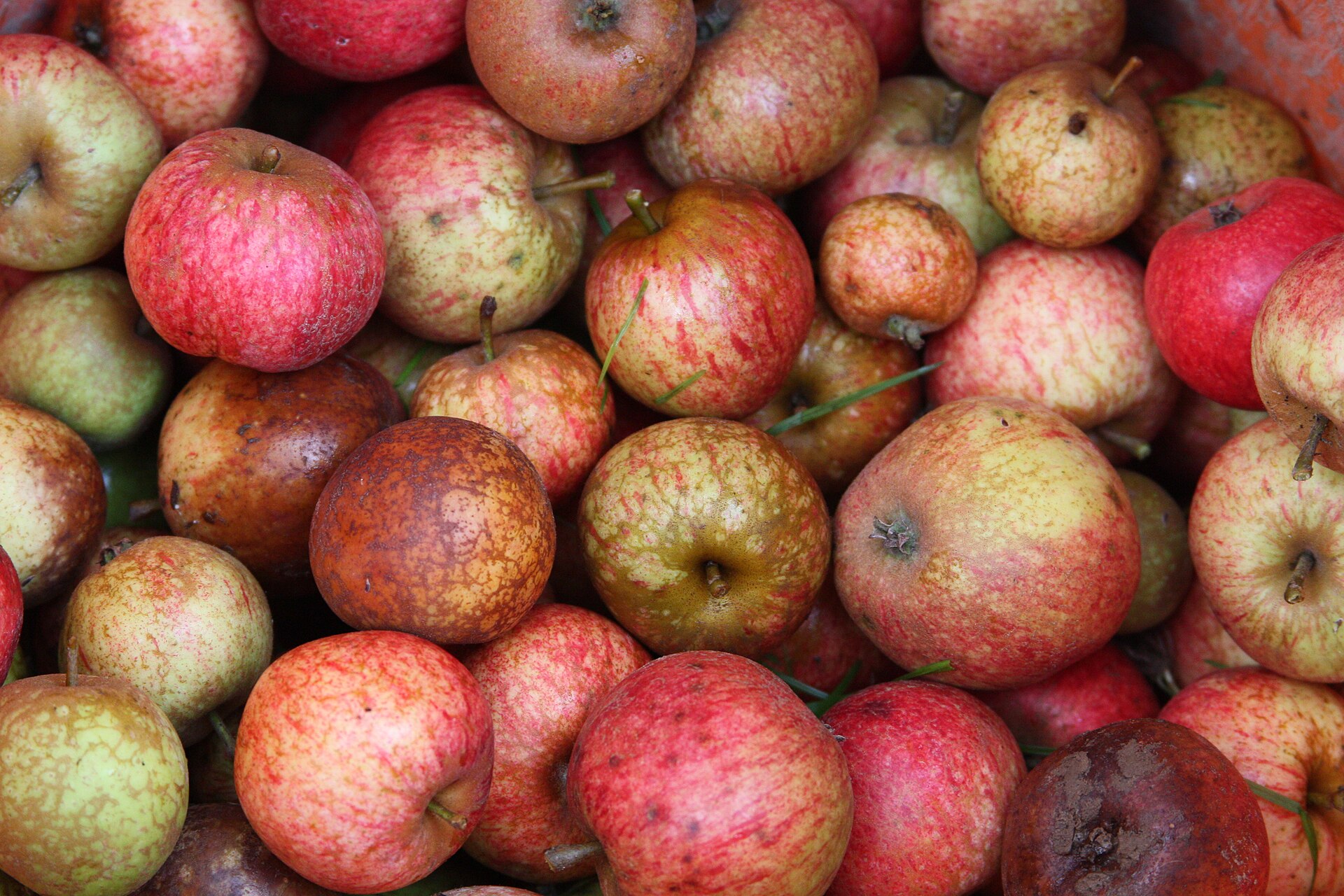
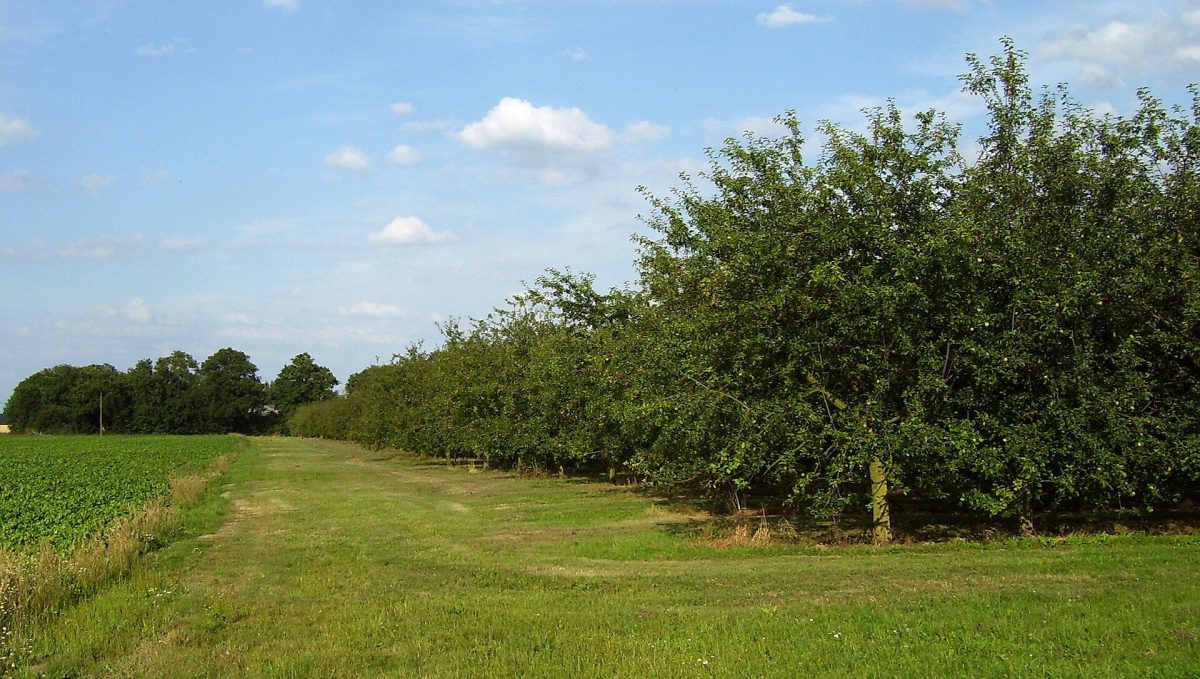
Not the apples from the fruit bowl. For cider intended for distillation, Normandy uses varieties grouped into four families: sharp, bittersharp, sweet and bittersweet. The bitter and bittersweet ones provide the tannin, the sharp ones the freshness, the sweet ones the fermentable sugar.
That ratio is not free. For the Calvados appellation at least seventy per cent of the fruit must come from phenolic varieties, that is, the bitter and bittersweet ones. The same appellation also requires at least thirty-five per cent of the fruit to come from high-stem orchards. For Calvados Pays d'Auge that is forty-five per cent, for Calvados Domfrontais eighty.
More fruit goes into a bottle than you might think. The trade organisation reckons with about eighteen kilos of apples for thirteen litres of cider at five per cent, and after distillation those thirteen litres yield one litre of calvados at seventy per cent.
Cider first, then distillation
This is the step that sets calvados apart from almost every other brandy. For cognac and armagnac, grape juice is fermented into wine and that wine is distilled. Here apple juice is fermented into cider, and that cider goes into the still. The cider comes out at roughly five per cent and at that point is simply drinkable cider.
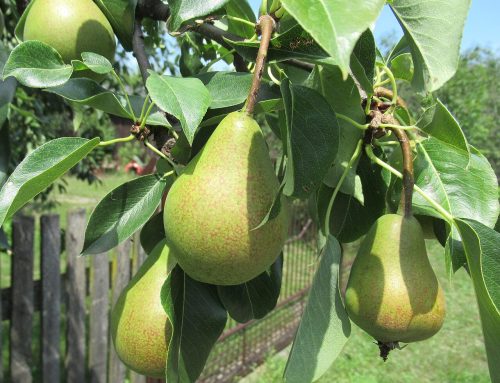
Pears may be added, and for one of the three appellations they must be. Calvados Domfrontais requires at least thirty per cent perry in what is distilled, and at least a quarter of the trees in the orchard must be pear trees. For Calvados Pays d'Auge exactly the opposite ceiling applies: there at most thirty per cent of the cider to be distilled may come from pears.
Column still or alambic
There are two ways to distil that cider. The continuous still, the alambic à colonne, does it in a single run. The pot still, the alambic à repasse, distils twice and is the same kind of still used in the Charente for cognac.
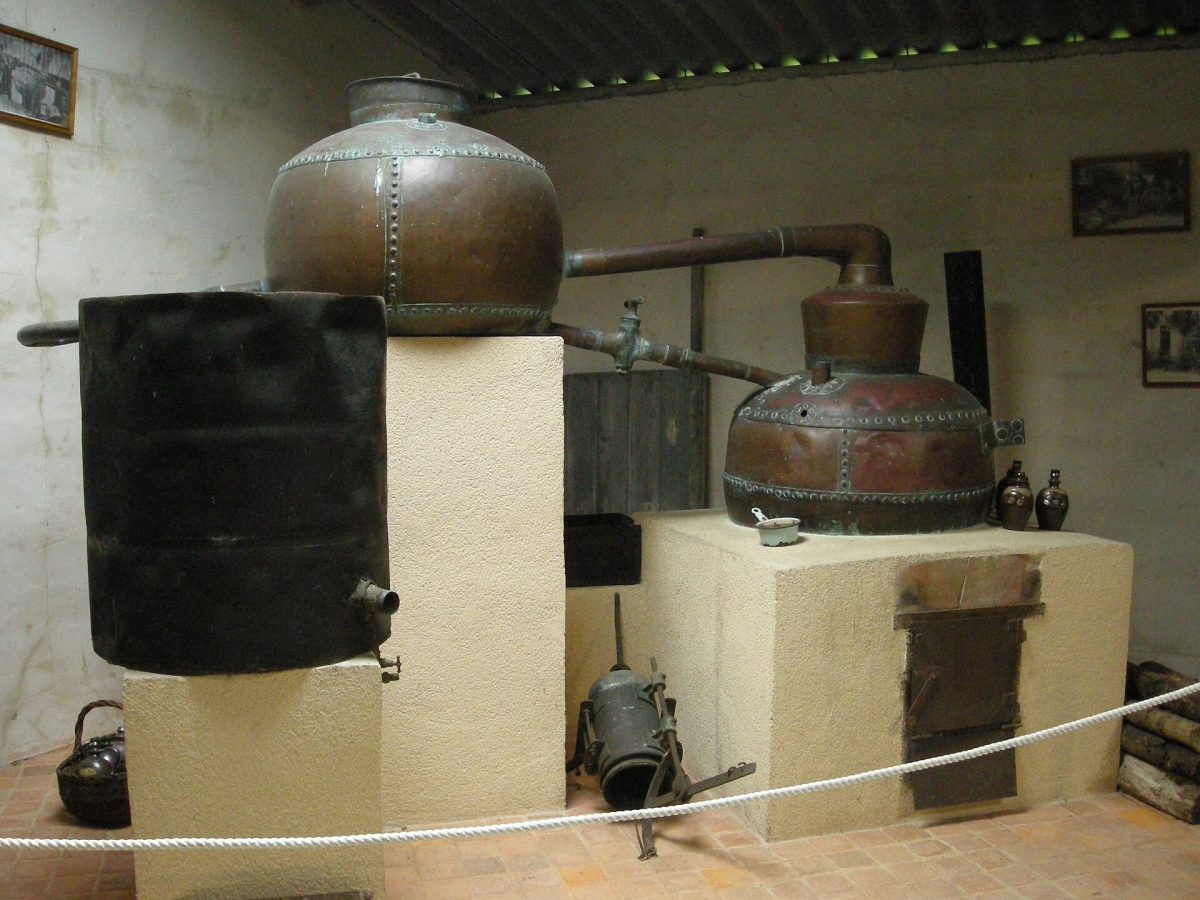
Which still is allowed depends on the appellation. For Calvados Pays d'Auge the pot still is prescribed. For Calvados Domfrontais it is the column still. For the broad Calvados appellation the specification prescribes no method; in practice the column is mainly used there. We wrote a separate piece on Calvados, Pays d'Auge and Domfrontais earlier about what else separates those three appellations.
Two years in oak, and that is the minimum
A colourless distillate comes out of the still. The colour, the tannin and everything people later call round or smooth comes from the cask. For Calvados and Calvados Pays d'Auge the minimum is two years in oak, for Calvados Domfrontais three years.
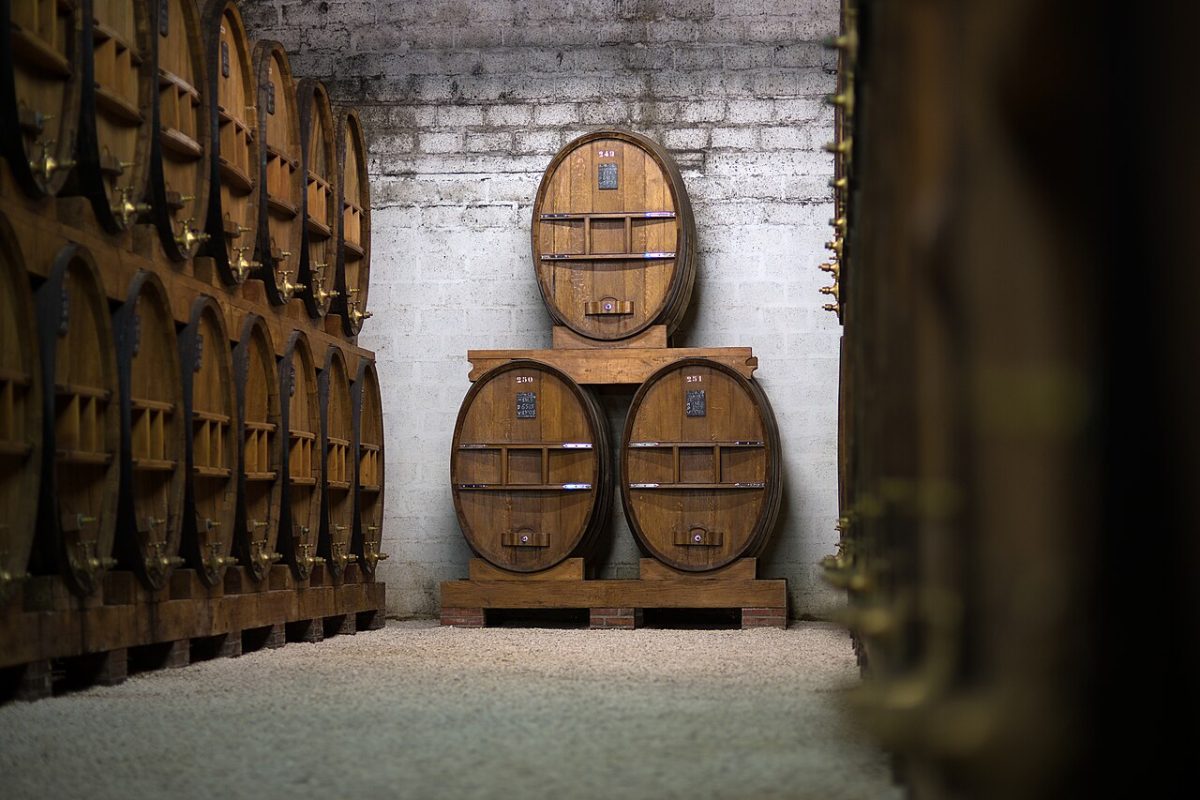
Many houses go well above that minimum. In Bathmen there are bottles with eight, twelve, fifteen, seventeen, eighteen and twenty years on the label. At bottling there must be at least forty per cent in the bottle; thirty-one of our forty-one bottles are at exactly forty per cent and the other ten higher.
What Fine, VSOP and XO do and do not say
The age statements are fixed. Three stars, three apples or VS means at least two years. Vieux and Reserve stand for three years. VO, VSOP and Vieille Reserve for four years. XO, Hors d'Age, Extra, Napoleon and Tres Vieille Reserve for six years.
What is not stated is just as important. An age statement always refers to the youngest eau-de-vie in the bottle. An XO may therefore contain much older calvados than those six years, and you cannot read that from the bottle. A house that puts twelve years on it tells you the age of the youngest component and nothing about the rest.
If there is a year on it instead of an age, a millésime, everything in the bottle comes from a single distillation year. In that case also look at the bottling year, because calvados does not continue to mature in the bottle. A millésime from 1985 bottled in 1995 is ten years old, not forty.
Where to start
If you do not know calvados yet, start with a Fine or a VSOP from a house that appeals to you: then you know how apple tastes on wood without the cask drowning out the rest. If you like it, the step to a Hors d'Age or a twelve-year-old Pays d'Auge is the logical next one. The Christian Drouin VSOP is a popular bottle for this. Below are four bottles from four different houses, from entry level to the two appellation sides.
Keep browsing
The whole shelf is on the calvados overview page, with the number of bottles per house. You can search by name or house in the wine and spirits search engine. By house: Chateau du Breuil, Christian Drouin, Busnel, Pere Magloire and Boulard. For calvados's neighbours: cognac, armagnac and brandy, and the articles on the difference between brandy and cognac and on what a millésime on an armagnac bottle means. If you cannot decide, just give us a call: 0570 541 278.
Sources: Calvados France, the trade body of the three appellations (drinkcalvados.com), for the appellation rules, the fruit ratios, the minimum ageing periods, the forty per cent minimum and the age statements; blog.pourdebon.com for the double distillation in the alambic à repasse; ’t Bockje's own range data, reference date 11 September 2026.