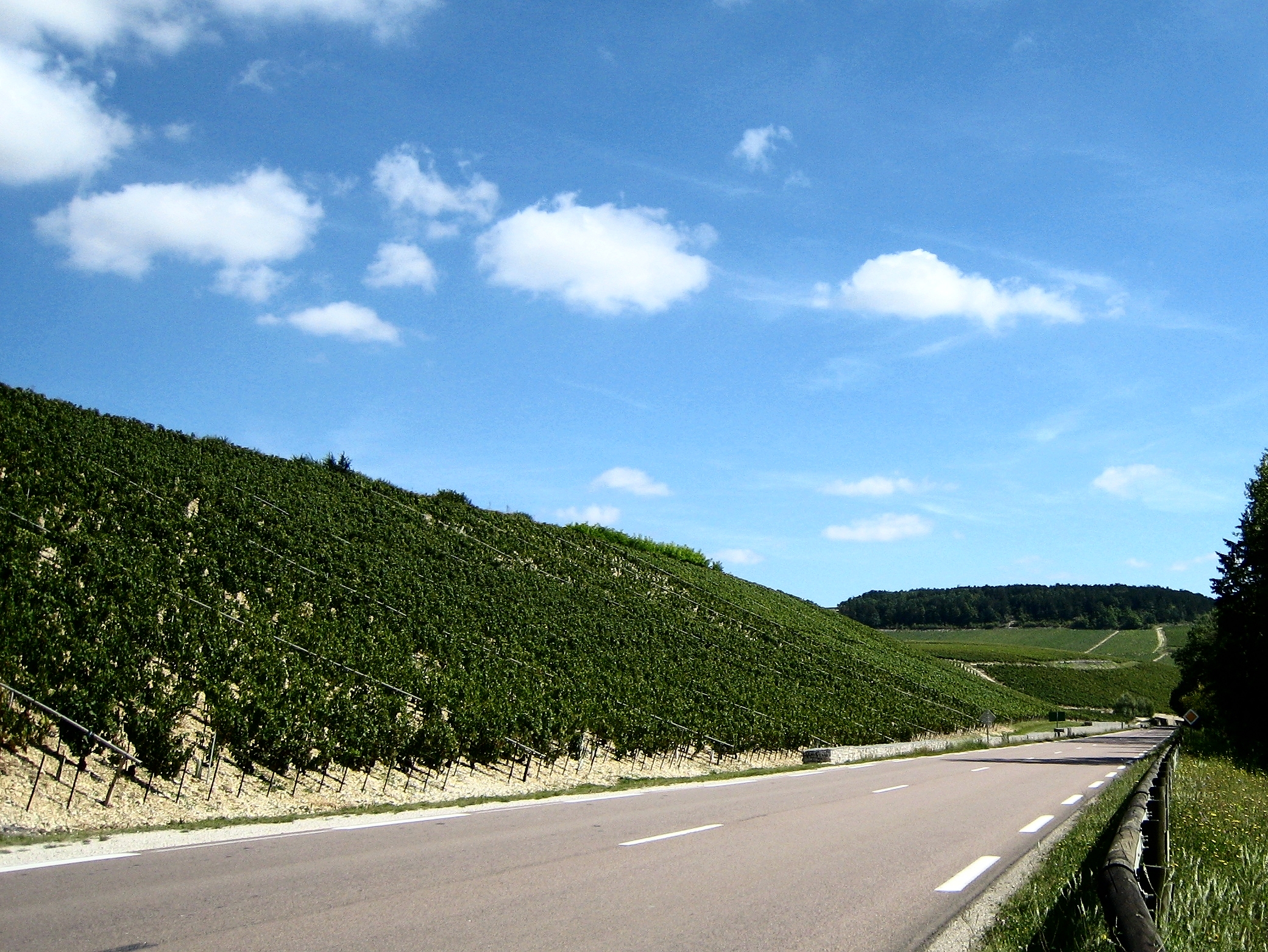
Of the 1,015 wines we stock in Bathmen, ninety are made from chardonnay. No other grape appears on our labels as often. They come from eight countries: 41 bottles from France, thirteen from Chile, eleven from Argentina, nine from Italy, eight from South Africa and the rest from Australia, the United States and Spain.
That is precisely what makes this grape interesting. It is always the same plant, and yet a Chablis has little in common with a chardonnay from Mendoza. That difference lies only partly in the soil it grows in. It lies mainly in what happens afterwards in the cellar.
Why chardonnay grows everywhere
Chardonnay comes from Burgundy and is a cross between pinot and gouais blanc, an old variety that once grew everywhere in eastern France and has since almost disappeared. This was established by DNA research in the nineteen-nineties. The same two parents turn out to be behind a whole series of French grapes, including gamay and aligoté.
What makes chardonnay so versatile is that it brings little character of its own. A riesling or a sauvignon blanc leaves a mark on the wine that is hard to get around. Chardonnay does not. It buds early, ripens reliably, gives a decent yield and tolerates both cool and warm climates. And it takes on whatever you give it: the soil, the yeast, the wood, the time.
That is both a blessing and a pitfall, because it means the maker is more visible in the glass than the grape.
Chablis: limestone, and usually no oak
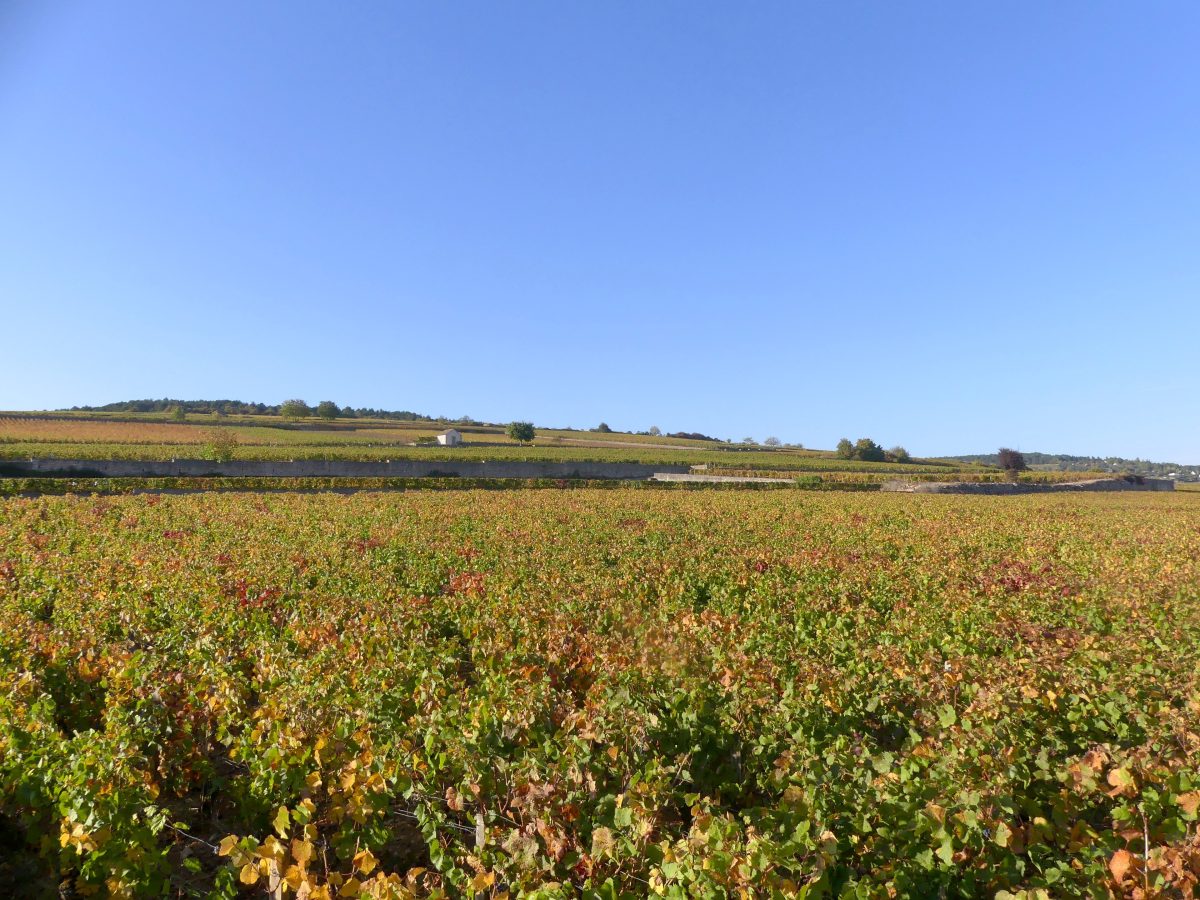
Chablis lies apart from the rest of Burgundy, more than a hundred kilometres north-west of the Côte d’Or, closer to Champagne than to Beaune. It is colder there, and spring frost is a recurring problem. The grapes come in with more acidity than further south.
The subsoil is called Kimmeridgian: a limestone layer from the Jurassic period full of fossil shells of an extinct oyster-like creature. The same layer runs all the way to England, where it comes to the surface near the coastal village of Kimmeridge, from which it takes its name. The grands crus and most premiers crus of Chablis lie on this layer.
In Chablis, traditionally little is added in the cellar. Many houses ferment and age in stainless steel or concrete, without new oak, precisely because the acidity and the saline impression then remain intact. Some producers do put their grand cru in barrels, but in older barrels that give off little. Five of our wines carry Chablis in their name.
The Côte de Beaune, Meursault and the Mâconnais
A hundred kilometres further south lies the Côte de Beaune, the southern half of the Côte d’Or. There exactly the opposite happens. Meursault, Puligny-Montrachet and Chassagne-Montrachet are the villages where the white chapter of Burgundy is written, and oak is part of it.
The classic method is for the must to go straight into the barrel and ferment there, rather than first in a tank. The wine then rests for months on its own lees, in that same barrel. New oak is used sparingly: some new barrels, some a year old, some older.
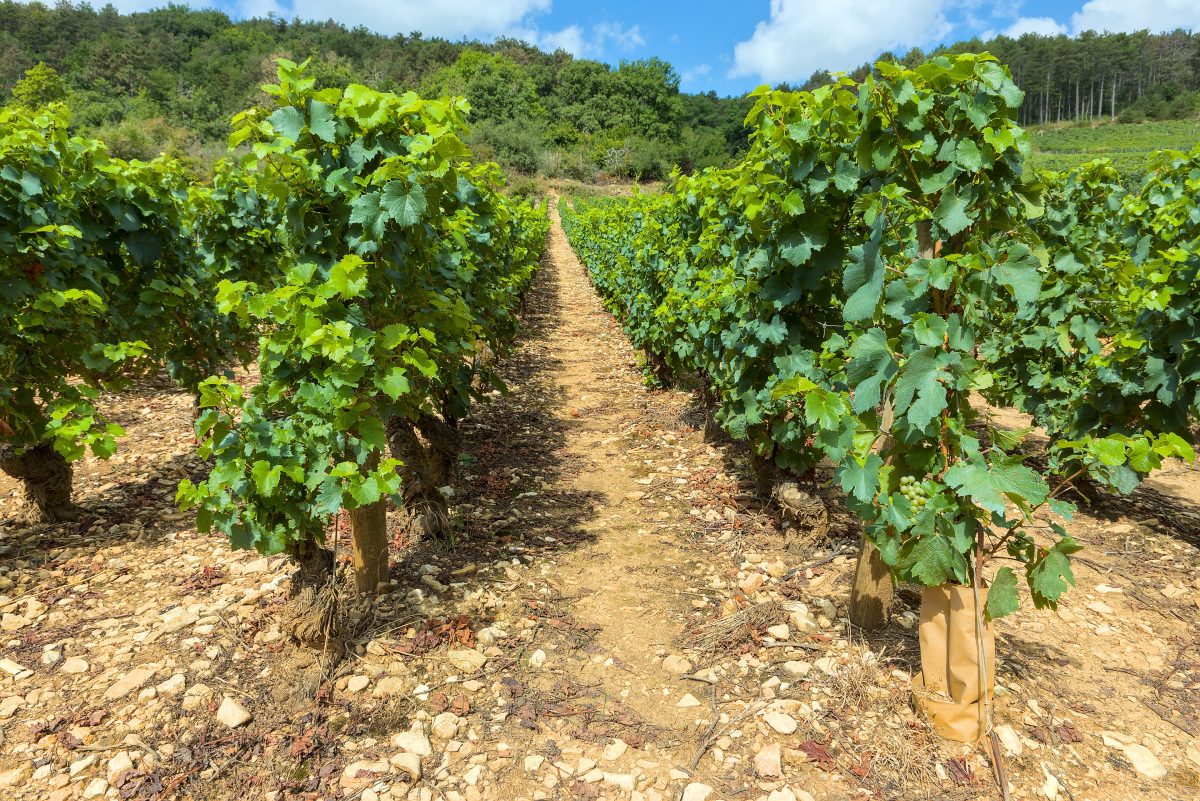
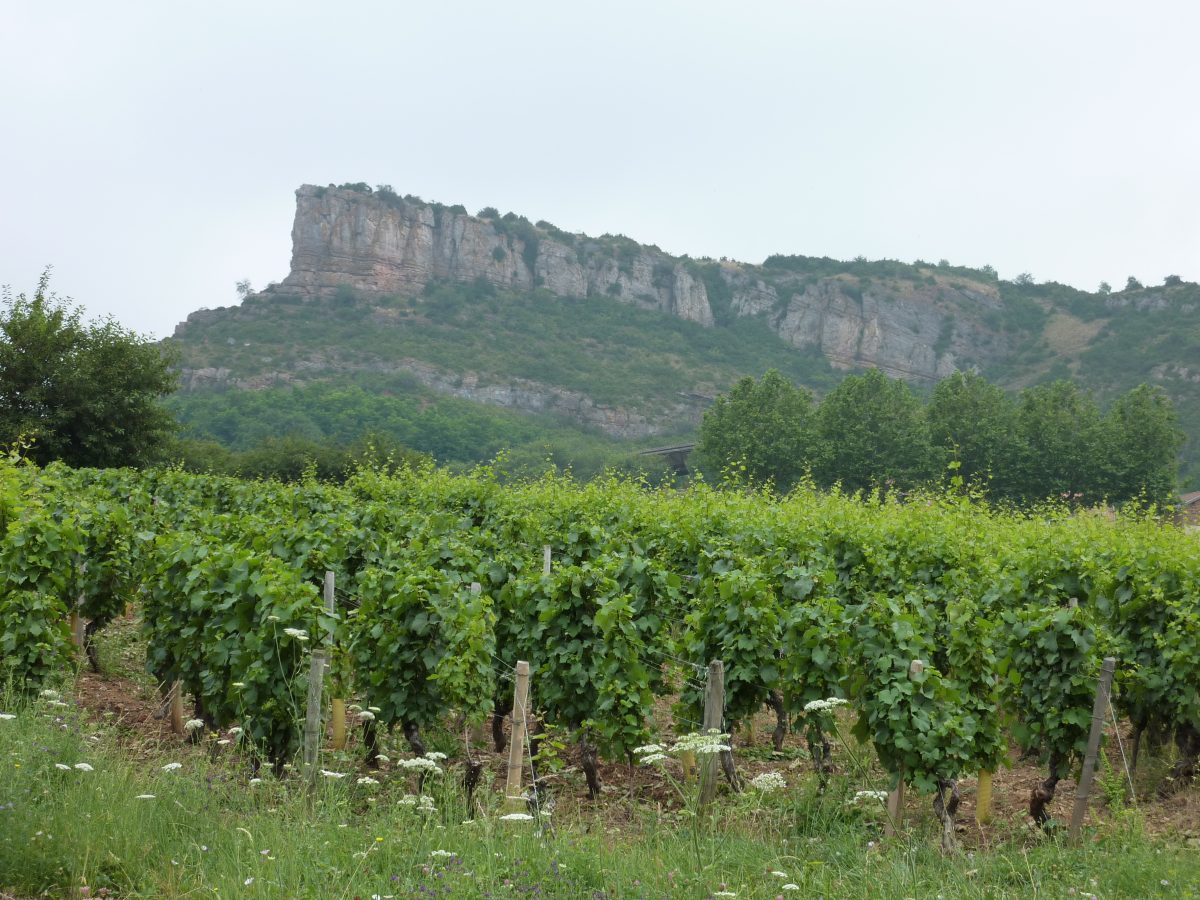
Further south still lies the Mâconnais, where the hills are lower and the limestone gives way in places to clay and sandstone. Pouilly-Fuissé is the best-known name there, Mâcon-Villages the broadest. The wines are rounder and less taut than in the north, and oak is usually used with a lighter hand.
What wood, malolactic conversion and bâtonnage do
Three interventions explain most of the difference between two chardonnays from the same place. None of them is on the label.
Wood. An oak barrel does two things at once. It releases compounds into the wine, including vanillin and the substance reminiscent of coconut, and how much depends on how often the barrel has been used and how heavily the cooper has toasted it. In addition, the barrel slowly lets some oxygen through, making the wine rounder. A stainless steel tank does neither.
Malolactic conversion. After fermentation, lactic acid bacteria can convert the malic acid in the wine into lactic acid. Malic acid is the sharp acid of a green apple, lactic acid the softer acid of yoghurt. The conversion therefore takes away the sharpness, and along the way produces a small amount of diacetyl, the substance reminiscent of butter. In Bourgogne the conversion is usually simply allowed to happen in white wines. In warmer regions it is often deliberately prevented, because acidity there is already low.
Bâtonnage. If the wine stays on its dead yeast cells after fermentation, the cellar can stir up those lees with a stick. That is bâtonnage, from bâton, stick. It gives the wine more body in the mouth and protects it against oxygen. Doing it too often produces a heavy wine that has lost its freshness.
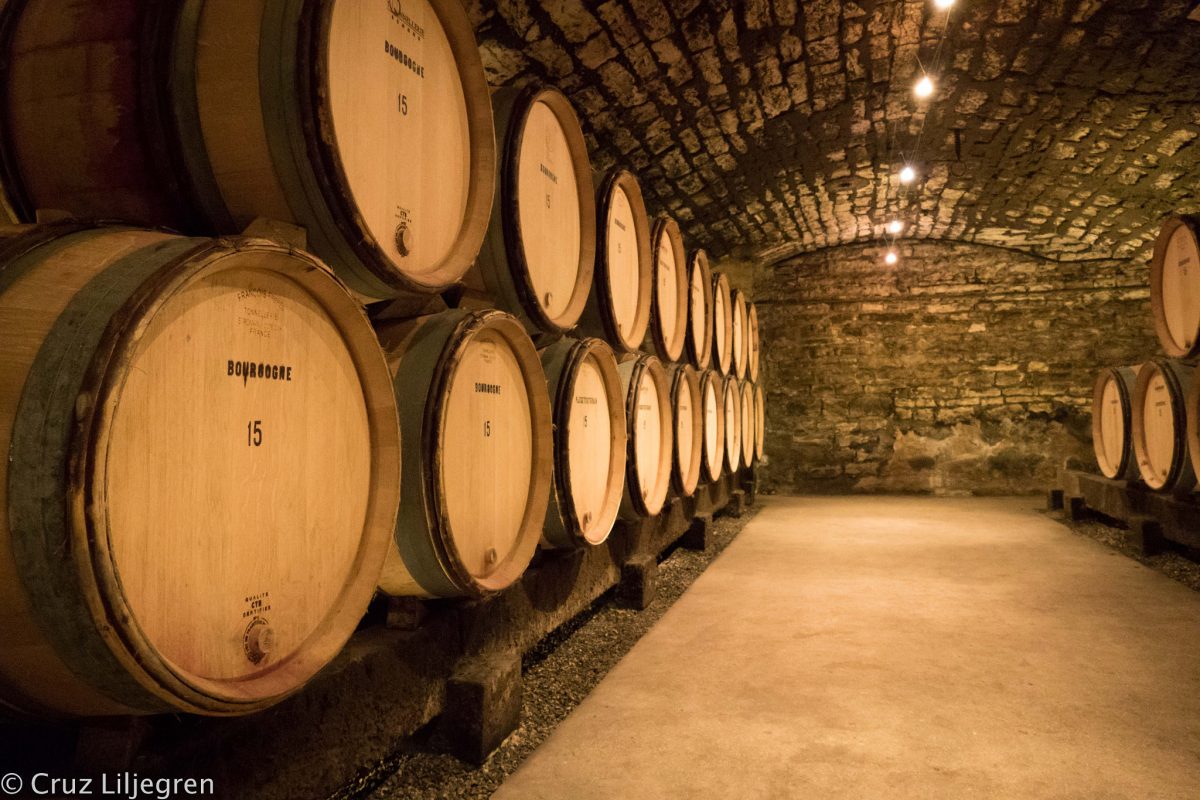
If a label says unoaked, that only concerns the first of the three. It says nothing about the other two.
Champagne, the New World and the counter-movement
In Champagne, chardonnay is not a goal but a building block. Of the three main grapes there, it is the only white one, as pinot noir and pinot meunier are black. Chardonnay brings acidity and wine that ages well. If a bottle of champagne says blanc de blancs, it is made exclusively from white grapes, and in practice that is almost always chardonnay. Sixteen of our ninety chardonnays are sparkling.
Outside Europe, the grape spread across the world in the 1980s and 1990s. California, Australia, Chile, Argentina and South Africa planted it on a large scale, and the style that resulted was broad, ripe and heavily oaked. This became so dominant that a counter-movement arose, with a slogan that amounted to drinking anything but chardonnay.
We have to be honest here: that reaction was not about the grape, but about a choice made in the cellar. Anyone who has written off chardonnay has probably had a handful of heavily oaked bottles from those years. In almost all of those countries, things have since been adjusted, with less new oak, earlier picking and cooler vineyard plots. It pays to take another look.
Where to start
The easiest way to get to know chardonnay is not to choose one, but two: an unoaked bottle next to an oaked one, both of roughly the same age. Then you taste what the cask does, without the grape, the vintage and the country also getting in the way. A Chablis next to a white Burgundy from the south works well for this.
What suits you next depends on what you are used to drinking and what you serve it with. Drop by in Bathmen or call +31 570 541 278, and we will help you choose.
Keep browsing
All the wines we stock are in the wine database. Useful starting points for this article are chardonnay, Burgundy, Champagne, France and white wine. For individual producers, see the wine houses page, and the broad outline is in our wine guide.
If you would first like to know how white wine is made at all, read White wine: from press to bottle, and why it stays fresh. If you want a region where the label records everything, read Rioja: the three subregions.