The shelves on the Brink hold two hundred and forty-five vodkas, from fifty-eight brands and twenty-one countries. No country is as heavily represented as Poland. That is no purchasing coincidence: Poland has been distilling vodka for centuries, and it is the only country that has had it laid down when a bottle may call itself Polish vodka.
That protection is stricter than most people suspect, and it certainly does not apply to everything that comes from Poland. Below you can read what lies behind the designation Polska Wódka, why rye plays such a large part in it, and where that blade of grass in the bottle of Zubrowka comes from.
What Polska Wódka means on a label
Polska Wódka is a protected geographical indication, entered in the European register. Only two names may be used for it: Polska Wódka in Polish, and Polish Vodka in English. If either of those two is on the bottle, the maker has to comply with three conditions.
The first is about the raw material. Only rye, wheat, barley, oats, triticale or potatoes are allowed, and these must have been grown on Polish territory. The second is about the place: every step of the making must take place in Poland. The third is about what may be added. For an ordinary vodka that is only water. For a flavoured vodka it is different, because it contains a flavour that departs from the raw material.
That is considerably narrower than the European rule for vodka in general. That rule allows almost any agricultural raw material, from anywhere, as long as the label states what the vodka is made from if it is not grain or potato. We previously wrote a separate piece about that difference between the two raw materials: potato vodka and grain vodka.
Rye, the grain Poland ended up with
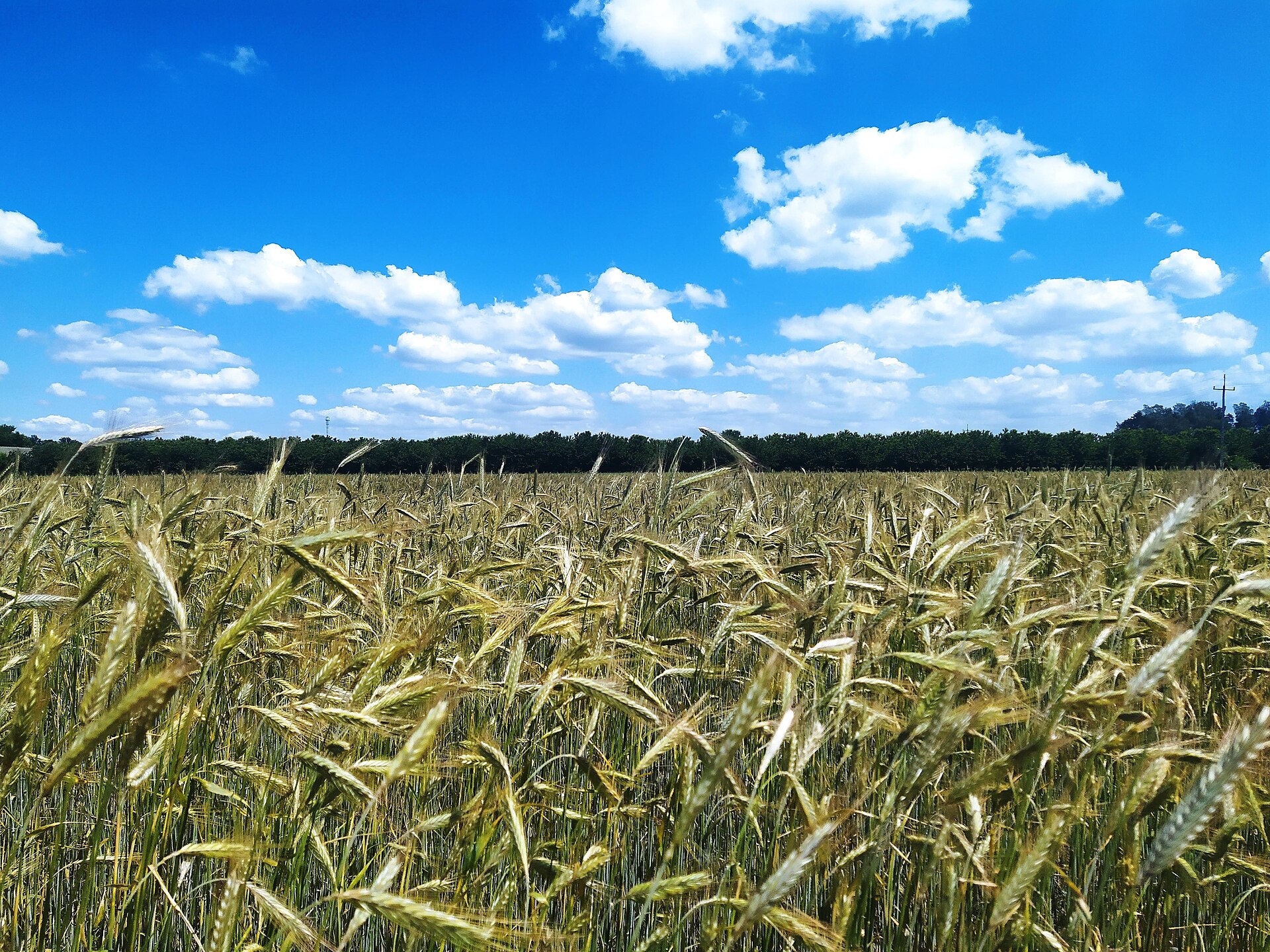
Rye has not become the main raw material in Poland out of nostalgia, but out of agricultural necessity. The grain thrives on sandy, poor and cold soil where wheat fails, and that is precisely the kind of field that covers large parts of the country. Whoever has rye makes drink from it.
On our own vodka page you will find the difference as we describe it in the shop: grain gives a round, slightly sweet impression, rye a peppery touch, potato a fuller structure. Not much of it remains after distillation, because vodka is distilled to a high strength and then brought down with water. But little is not the same as nothing.
That also means the raw material is not the only thing that counts. How many times it has been distilled and how often it was filtered says less in practice than the labels suggest. We looked into that in five times distilled and filtered three times.
The potato, and why it takes more work
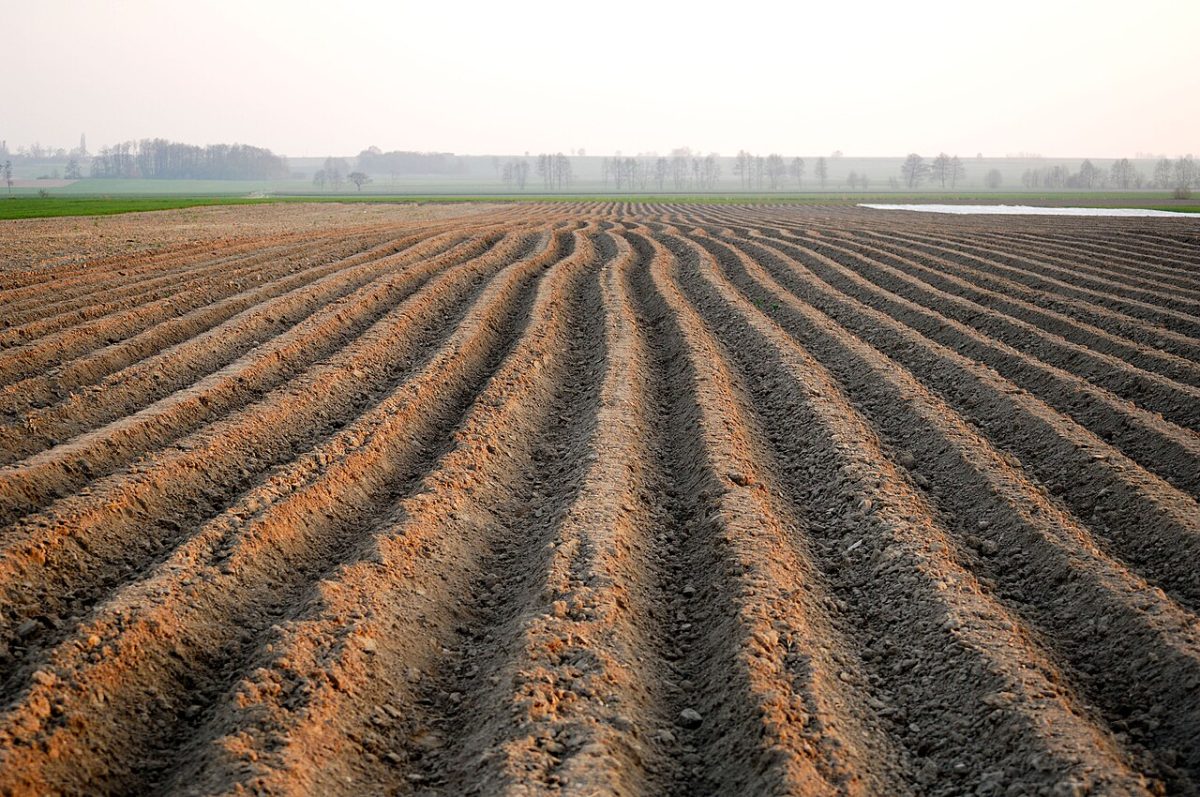
Besides rye, the potato is among the permitted raw materials, and Poland is just as well known for its potato wodka. In practical terms it is the harder of the two. A potato consists mostly of water, so a multiple of kilos goes through before a litre comes out. On top of that, the starch granules first have to be cooked before yeast can do anything with them. That explains why by far most houses stick to grain.
Incidentally, the label of a Polish vodka does not have to state which of the six permitted crops was used. The designation only guarantees that it is one of them, and that it was grown in Poland. If you want to know exactly, the product page or the maker itself is the only reliable source.
Zubrowka and the blade of bison grass
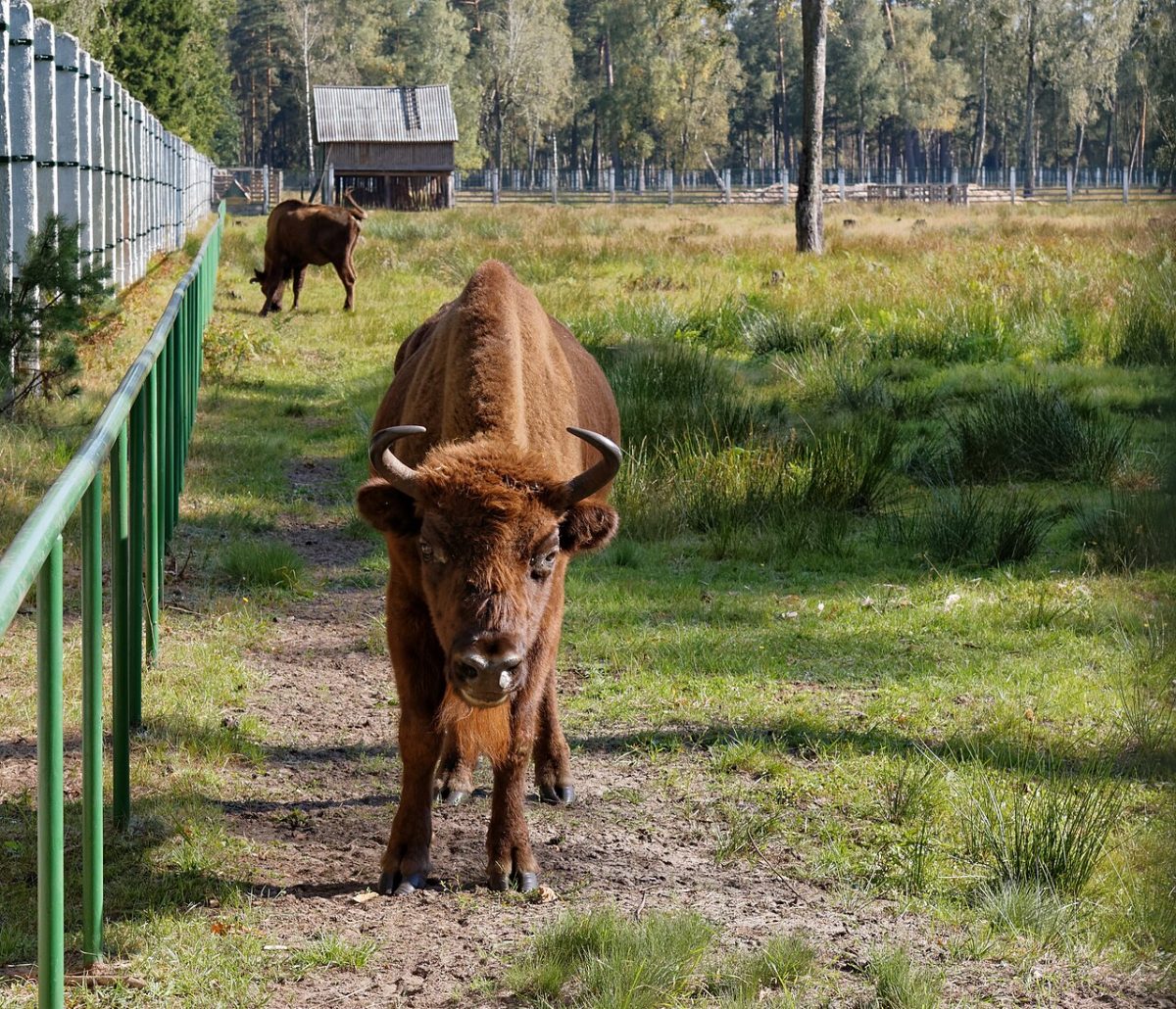
The best-known Polish bottle is probably Zubrowka, recognisable by the blade of grass floating in the bottle. That is bison grass, in Polish turowka wonna, a grass species from the primeval forest of Bialowieza in the northeast of the country. Zubr is the Polish word for wisent, the European bison that lives in that same forest and eats the grass.
Legally this is not an ordinary vodka but a flavoured one. The European rules allow a vodka to get a taste that goes beyond that of the raw material, provided this is done with natural flavourings. That puts Zubrowka in the same category as the many vodkas with lemon, pear or blackcurrant on the shelf, although the origin of that blade of grass is of a quite different order than a little flavour from a bottle.
Not every vodka from Poland is Polish vodka
Here lies the catch that no online shop page explains. A vodka can be made in Poland, carry a Polish brand and have a Polish address on the label, and still not be a Polska Wódka. That happens as soon as the alcohol has been bought from outside the country, or the raw material was grown elsewhere.
There is only one way to tell, and that is the designation itself. If it says Polska Wódka or Polish Vodka, the three conditions above apply. If it only says “product of Poland” or “distilled in Poland”, that says something about the factory and nothing about the field. Both are honest bottles; they simply do not promise the same thing.
Where to start
If you want to get to know the Polish side, it is best to put two bottles side by side at room temperature: a rye vodka and a potato vodka. Then the difference is heard where it belongs, in the glass and not on the label. All the Polish bottles are together in the shop’s search engine, where you can filter by country. If you are unsure, drop in at the Brink or call +31 570 541 278.
Keep browsing
The full range is on our vodka page, and you will find all brands at a glance in the register of vodka brands. The Polish houses from this article have a page of their own: Wyborowa, Belvedere, Zubrowka and Soplica.
Further reading: vodka, gin and jenever on the dividing lines between the three categories, and vodka in the freezer on what cold does to a bottle.