The question comes up at the counter almost every week. A bottle is open, a third is left, and will it still be good tomorrow? The answer is yes more often than people think. It only depends on three things: which wine it is, how much air is in the bottle, and where you put it.
We stock 1,078 wines from 407 wine estates, and not one of them stays good forever after opening. There is a big difference, though, between a light white wine and a sturdy red, and between a bottle that stays on the counter and a bottle that goes in the fridge. Below is what happens as soon as the cork is out, and what you can do about it.
Oxygen is the culprit, not time
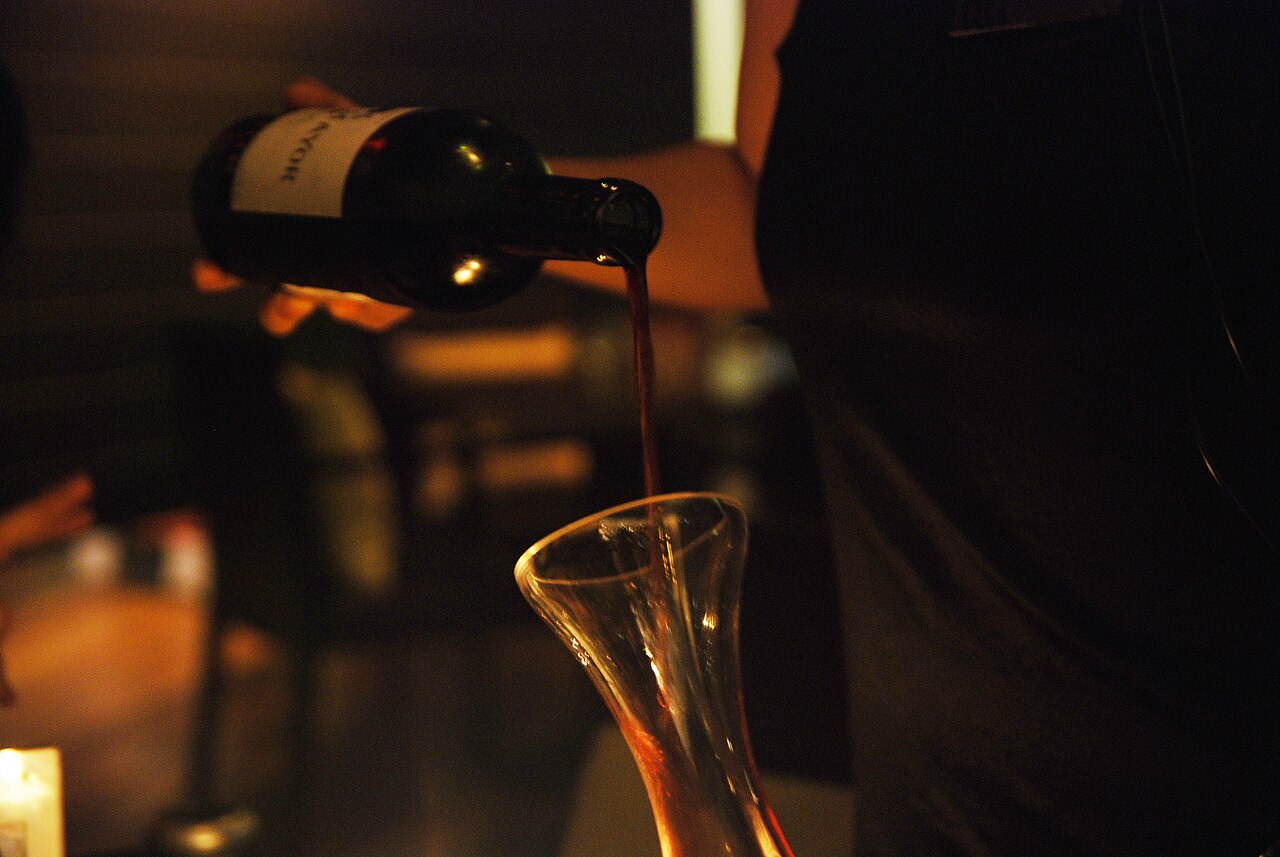
As long as the bottle is closed, virtually no air reaches the wine. From the moment you pull the cork, oxygen starts its work. At first that is beneficial. The aroma opens up, and a firm red wine becomes rounder. That is exactly why people pour wine into a decanter. After a few hours it turns. The fresh, fruity aromas disappear first, then the wine becomes flat, and eventually it smells of apple that has been left too long, or plainly of vinegar.
How fast that goes depends mainly on the amount of air above the wine. A bottle that is still three-quarters full has only a thin layer of air in the neck. A bottle with just a glass left in it is mostly filled with air. That same remainder therefore keeps much longer in a small, filled-up bottle than in the original bottle.
Heat speeds up the whole process. An opened bottle next to the stove goes off sooner than the same bottle at the back of the fridge.
How long does each type of wine keep?
The periods below are rules of thumb from behind the counter, not guarantees. A wine with firm acidity and plenty of tannin lasts longer than a soft, ripe wine, and a bottle that you put away cold straight after pouring reaches the upper end of the period.
- Sparkling wine: one to three days, and mostly for the taste. The bubbles are usually gone before the wine is.
- Light white wine and rosé: three to five days.
- Full-bodied white wine, aged in wood: three to five days, sometimes a little longer.
- Red wine: three to five days. A robust red with plenty of tannin can last a week.
- Fortified wine, such as port, sherry and madeira: weeks to months. The alcohol protects, and with an old tawny or an oloroso, oxygen is actually part of the story.
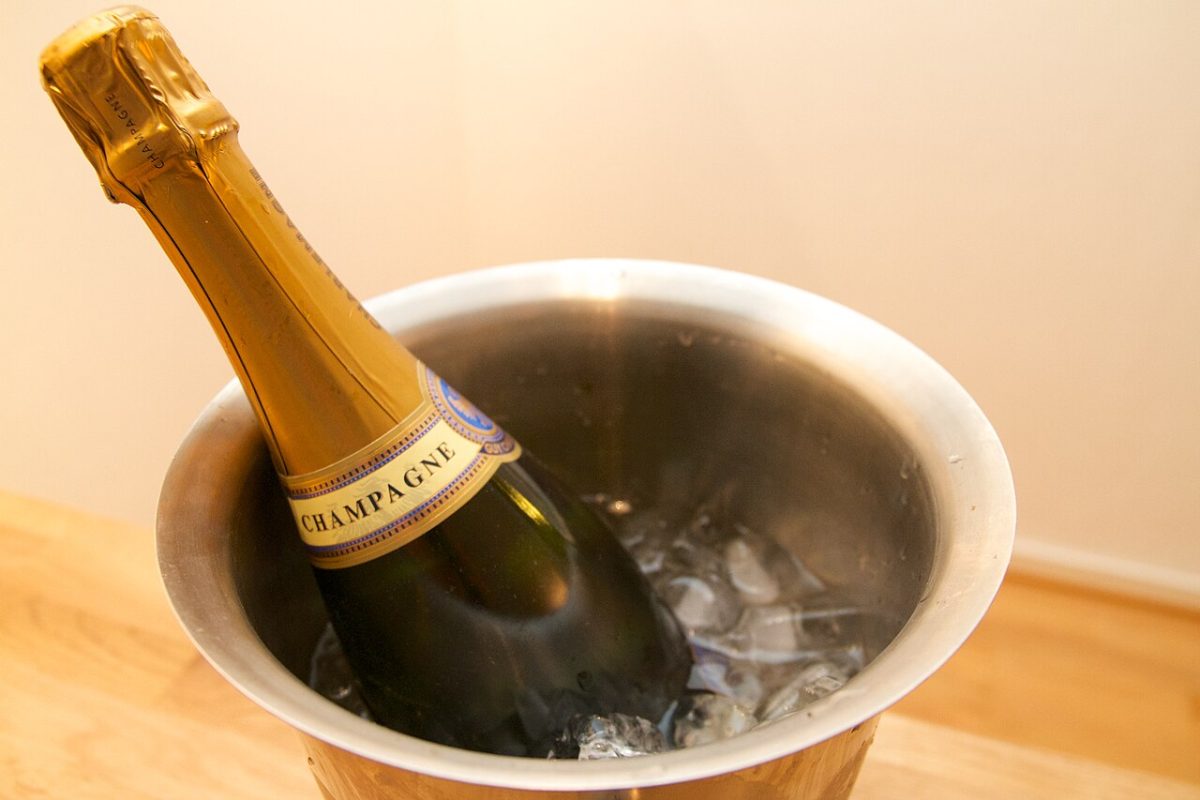
Sparkling wine is the most urgent case. As soon as the cork is out, the carbon dioxide escapes, and it does not come back. How those bubbles get in at all you can read in our article on sparkling wine; for storage we have a separate question page on keeping champagne and sparkling wine. A bottle that may stand open for an evening without having to be poured out straight away is, for example, a cava with some ageing, such as the Vilarnau Cava Brut Reserva in the online shop.
Store it cold and with as little air as possible
The fridge is the best preservation tool you have at home, and that applies to red wine too. That feels wrong, but cold slows down everything that goes wrong in an opened bottle. After pouring, simply put the bottle next to the milk, and take it out again half an hour before the next time. Then it will be at room temperature by the time you pour.
Stand the bottle upright rather than on its side. Upright, the wine touches as little air as possible; lying down, it has a large surface against the air in the bottle. And really push the cork in, clean side down. A cork hanging half crooked in the neck seals nothing.
Opinions differ about the vacuum pump. It removes some of the air from the bottle, but by no means all, and every time you pump, the wine moves again. What works without debate is simpler: pour the remainder into a smaller bottle, fill it to the brim, and screw the cap on. Less air means less oxidation, and an empty small water bottle from the supermarket does the job just as well as an expensive system.
For sparkling wine there is a tool that really does something: a clamp stopper that clamps over the bottle neck. The original cork no longer fits in after opening, and an ordinary stopper does not hold the pressure. A teaspoon in the neck does nothing; that is a persistent story without basis.
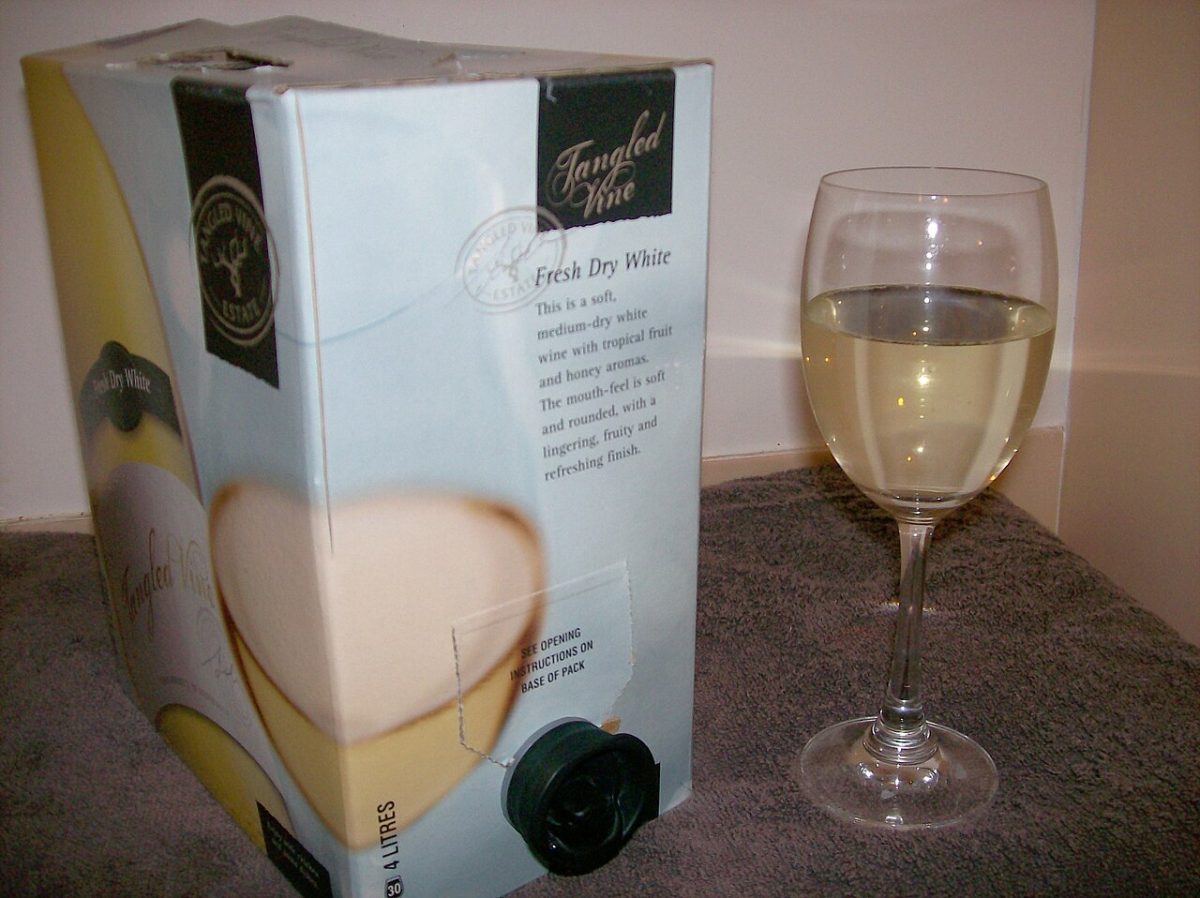
How to tell it is past its best
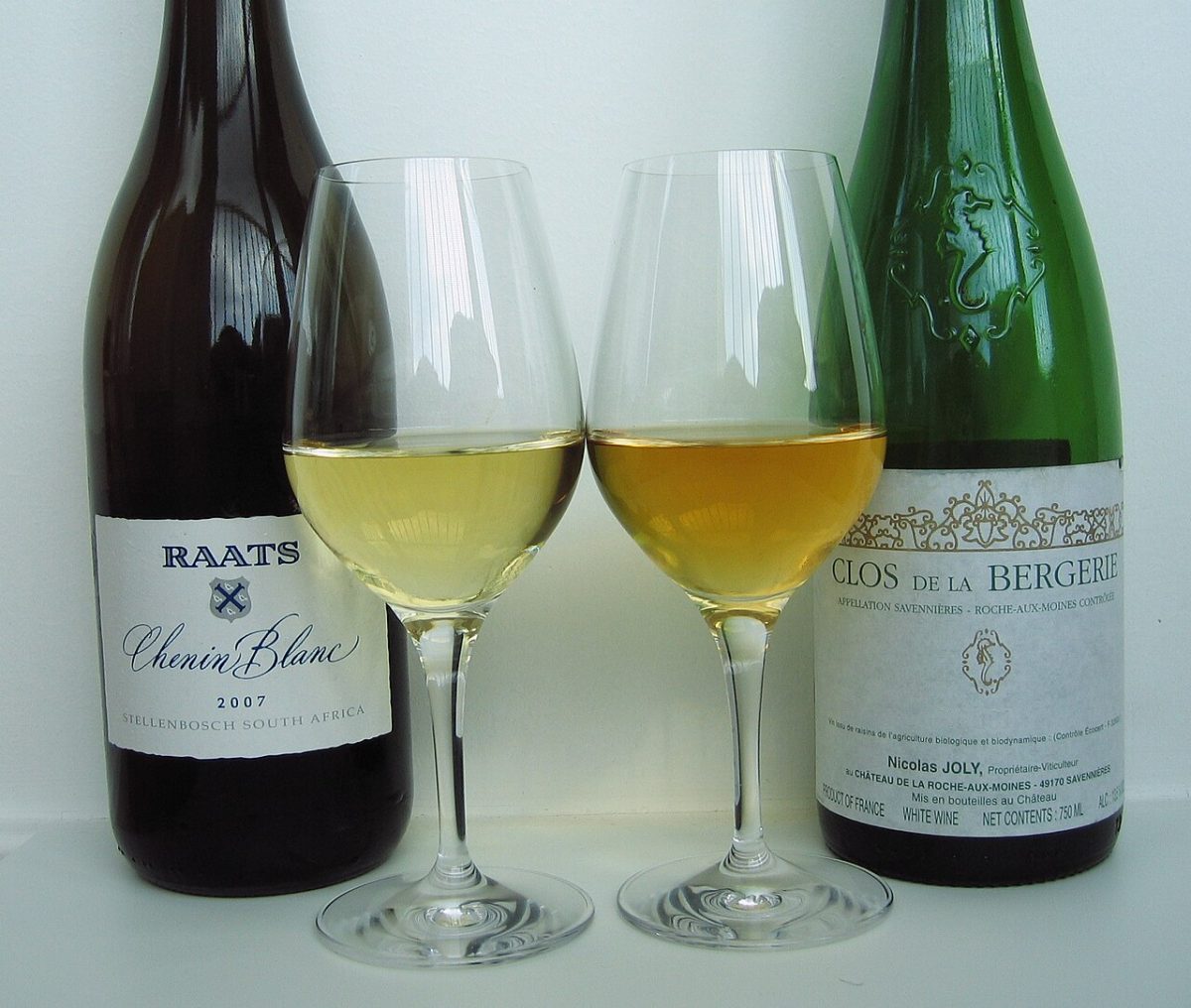
Look first. White wine that has had too much air becomes deeper in colour, towards gold and then brown. Red wine goes the other way and becomes duller, with a brownish rim. Then smell. The fresh fruit is gone, and something of dried apple, nuts or vinegar takes its place. Finally, taste: a wine that is past it does not taste nasty but flat and short.
It is not dangerous. An oxidised wine is at worst a waste. Do not confuse it with cork taint either, which is something quite different and is in the glass from the very first sip. How to tell the two apart is explained in our piece on cork taint in wine.
Don’t throw away a leftover that is just past its best-before date: in a stew, a risotto or a sauce you will no longer notice it.
Where to start
If you are looking for a bottle that will not suffer from being open for two evenings, you end up with wines that have some backbone: fresh acidity in white, firm tannin in red. A sauvignon blanc such as the Bernardus Sauvignon Blanc has that acidity, and a rioja with tannin also holds up well on day three. Below are four bottles from four different houses, from white to sparkling.
Explore the wine cabinet further
Which wines you can lay down for years, and which are better drunk young, is explained on our page about cellaring wine or drinking it young. If you would like to browse the range yourself, you can do so in the Wine & spirits search engine or in the wine database, where all bottles are listed by country, region and grape.
If you are unsure about a bottle that has been open for a few days, just give us a call. We are in Bathmen on the Brink and are happy to think along.