The short answer to this question is on the question page How long does liqueur keep?. Below you can read the full story behind it.
There is a bottle of liqueur in the cupboard that was last poured at Christmas. Is it still all right? It is one of the questions we are asked most often at the counter, and the answer depends entirely on what is in the bottle.
Of the 696 liqueurs we stock, 93 are forty percent alcohol or more, and 34 are cream liqueurs. These are two extremes that behave entirely differently once the bottle is open.
Why most liqueurs carry no date
The European labelling regulation 1169/2011 requires a best-before date for drinks with less than ten percent alcohol by volume. That is the statement that begins with best before.
Above ten percent that obligation does not apply. That is why by far most liqueur bottles carry no date. That is not negligence on the maker’s part, nor a promise that the bottle will last forever. It only means that the legislator did not consider the date meaningful for that group.
For one group the rule is actually stricter. Drinks that are highly perishable from a microbiological point of view, and the regulation explicitly names low-alcohol egg drinks among them, must carry a use-by date. It begins with use by, and it comes with a storage instruction. If that is on your bottle, follow it.
Sugar and alcohol do the same work in the bottle
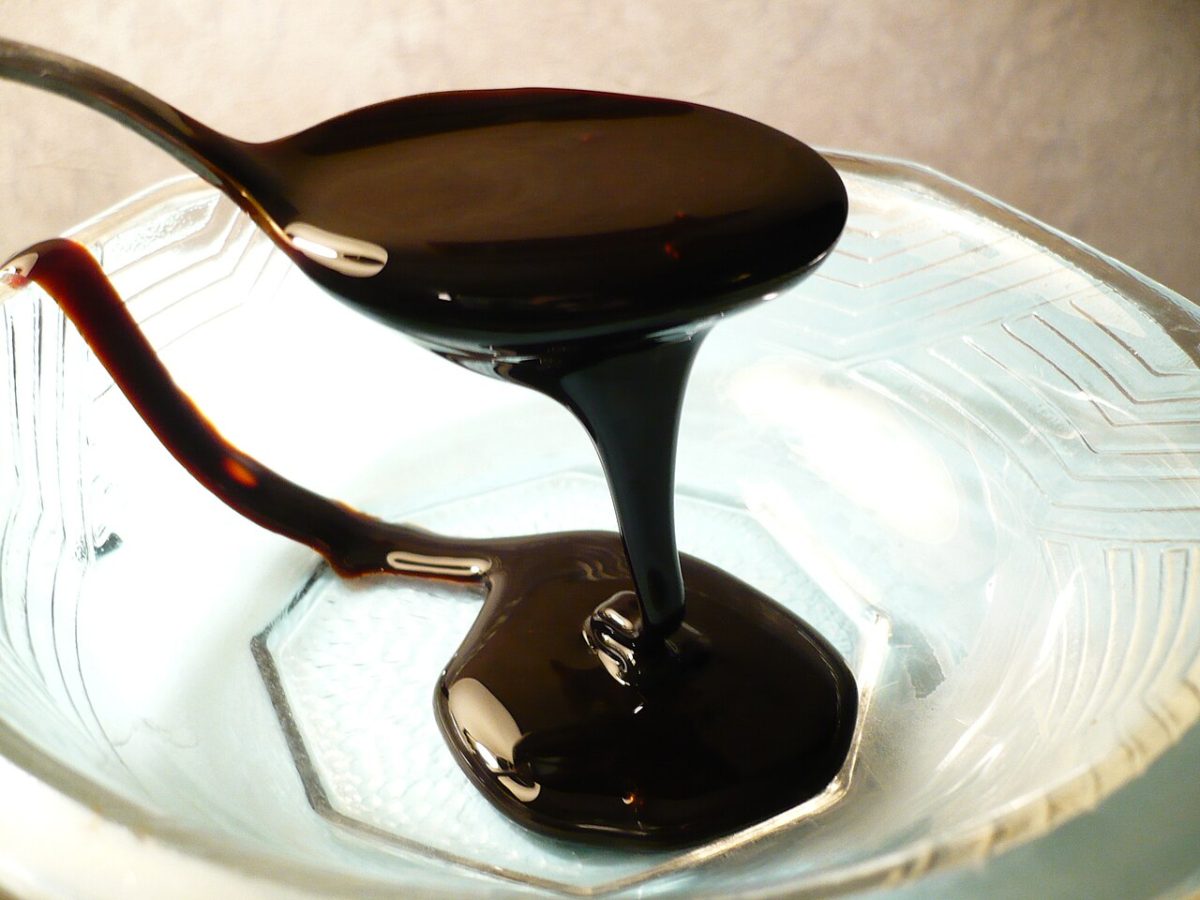
By definition a liqueur contains at least one hundred grams of sugar per litre, and in the sweeter kinds this rises to over four hundred grams. On top of that comes the alcohol, at least fifteen percent.
Both substances bind water. Micro-organisms need free water to grow, and in a concentrated sugar solution in alcohol there is hardly any. A forty percent herbal liqueur is therefore one of the most stable things in your cupboard.
That does not mean nothing happens. It means that what happens is not spoilage but loss of flavour, and that is something different. The bottle becomes flatter, not bad.
Cream and egg are the real exception
Cream liqueur and egg liqueur are a different story. They contain milk components or egg yolk, and those are precisely what is perishable. The alcohol content in this group is also often low, around fourteen to seventeen percent, so the alcohol offers less protection.
That is why such bottles almost always carry a date and storage instructions, even when the percentage is above ten. Manufacturers state themselves how long the bottle stays good after opening and at what temperature it should be kept. That is the only reliable source for your specific bottle, and we do not override it.
In practice, this means you keep an opened cream or egg liqueur cool and follow the instructions on the label. If such a bottle smells or looks different from what you are used to, do not use it.
What does change: air, light and heat
As soon as a bottle is open, air gets in. Oxygen reacts with the aroma compounds, and that happens faster the more air there is in the bottle. A bottle that is still three-quarters full changes more slowly than a last drop left standing for a year.
Light works in the same direction. Fruit liqueurs on a windowsill lose their colour, and with the colour goes the aroma. That is why many liqueurs come in dark glass or in a tube.
Heat speeds everything up. Above the radiator or next to the cooker is the worst place in the house. Fluctuating temperatures are even worse than a constantly high one, because they set the liquid in the bottle in motion.
And then there is the sugar itself. At low temperatures, very sweet liqueurs can deposit sugar around the closure, causing the cap to stick. Holding it briefly under warm water solves that.
How to store an opened bottle
Upright, with the cap tightly closed. Unlike wine, a liqueur gains nothing from lying down: the liquid then rests against the closure, and that helps no one.
Cool and dark, and by that we mean a cupboard or a cellar, not necessarily the fridge. For cream and egg liqueurs it is different; there, follow what the label says.
If only a little is left in a bottle you want to keep for a long time, pour it into a smaller bottle. Less air above the liquid means less oxidation. It is the same trick that also works with whisky and port.
What you can tell from the bottle itself
Loss of colour is the clearest sign that a bottle has stood in the light for a long time. Red and purple fruit liqueurs fade to brown, green herbal liqueurs turn yellowish. The drink has not gone off, but the aroma has usually faded just as far as the colour.
A sediment on the bottom also occurs, especially in liqueurs with a lot of plant material. That is usually just settled aroma that mixes in again after turning the bottle. With cream and egg liqueurs it is different: curdling or a grainy texture that does not go away is, for that group, a reason to leave the bottle alone.
And mind the closure. A cap that no longer closes properly lets air in continuously, and then the process we described above goes a good deal faster. A cork that crumbles you would rather replace with the screw cap from another bottle than push it back in.
Where to start
In short: a herbal, coffee or citrus liqueur at thirty percent or more keeps for years after opening without anything going wrong, although it slowly becomes flatter. A liqueur under fifteen percent, a cream liqueur or an egg liqueur is a very different product and follows the date on the label.
If you are unsure about a bottle you have at home, bring it in or call +31 570 541 278. We are happy to take a look.
Keep browsing
All bottles are together on our liqueur page, with the egg liqueurs separately under advocaat. By house you will find what we carry: Licor 43, Kahlua, Amarula, Baileys and Dooley’s. You can search yourself with the search engine for our range.
Why that fifteen percent limit keeps coming back, you can read in Liqueur or likorette. Why egg liqueur behaves differently from the rest, you can read in Advocaat and egg liqueur: why they are not the same. The sugar standard that makes some liqueurs extra stable is covered in What crème de on a liqueur bottle means.