
Honey liqueur
Honey liqueur is a liqueur in which honey determines the flavour. European regulation 2019/787 requires at least 15 percent alcohol for liqueur and, in most cases, at least 100 grams of sugar per litre. Mead is something else: a fermented drink made from honey, water and yeast. Ronmiel de Canarias, the honey rum of the Canary Islands, is a protected geographical indication with 20 to 30 percent alcohol. In the shop on the Brink in Bathmen there are currently 13 bottles with honey.
- 13bottles in the shop
- 11brands
- 6countries
- 14,7–40%alcohol
What is honey liqueur according to the law?
Honey liqueur falls in the European Union under the liqueur category of Regulation (EU) 2019/787. That regulation lays down for each drink what may appear on the label. A liqueur has at least 15 percent alcohol. The minimum sugar content is 100 grams per litre, with lower limits for cherry liqueur (70 grams) and liqueur flavoured only with gentian or wormwood (80 grams).
Honey itself is listed in Article 4 of the regulation among the sweeteners a producer may use. A liqueur sweetened or flavoured with honey must therefore meet the same rules as any other liqueur. The base can differ: whiskey, rum, brandy or tequila.
What is the difference between honey liqueur and mead?
Mead comes from fermentation, honey liqueur from mixing alcohol with sugar and flavourings. The Beer Judge Certification Program (BJCP), which draws up the style guidelines for judges, describes mead as a drink made mainly from honey, water and yeast.
The BJCP divides mead by strength. A hydromel has 3.5 to 7.5 percent alcohol, a standard mead 7.5 to 14 percent and a sack mead 14 to 18 percent. Sweetness also varies, from dry to sweet, depending on the sugar left in the drink after fermentation. A liqueur never comes in under 15 percent alcohol and is by definition sweetened with at least 100 grams of sugar per litre.
Honey liqueur at ’t Bockje
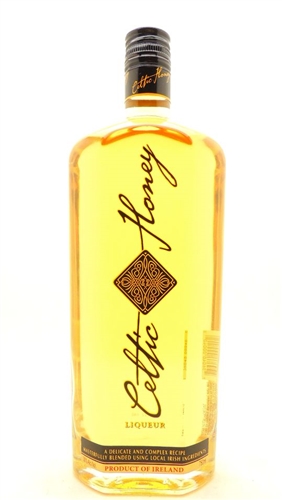
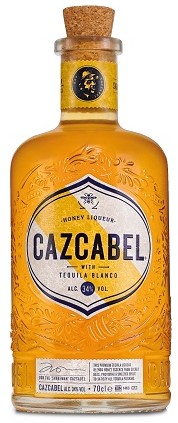
A selection from the 13 bottles currently in the shop on the Brink.





In brief
| Liqueur, alcohol | At least 15 percent (Regulation (EU) 2019/787) |
|---|---|
| Liqueur, sugar | At least 100 grams per litre in most cases |
| Honey nectar | At least 22 percent alcohol, at least 30 percent fermented honey must |
| Honey eau-de-vie | At least 35 percent alcohol |
| Ronmiel de Canarias | 20 to 30 percent alcohol, maximum 350 grams of sugar per litre |
| Mead (BJCP) | 3.5 to 18 percent alcohol, from honey, water and yeast |
| In the shop | 13 bottles |
What are honey nectar and honey eau-de-vie?
The regulation recognises two separate categories of spirits based on honey. Honey nectar, also called mead nectar, is a mixture of fermented honey must and honey distillate that has been flavoured. The mixture contains at least 30 percent fermented honey must and has at least 22 percent alcohol. The honey flavour must dominate, and sweetening is only permitted with honey.
Honey eau-de-vie is made exclusively by fermenting and distilling honey must, distilled to less than 86 percent. The alcohol content is at least 35 percent. Here too only honey may be added to round off the flavour, up to a maximum of 20 grams per litre, expressed as invert sugar.
What is Ronmiel de Canarias?
Ronmiel de Canarias is a protected geographical indication for the honey rum of the Canary Islands. According to the technical file that Spain submitted to the European Commission, the producer first makes a syrup of water and honey, to which sugar and flavourings may be added. Then rum is added up to an alcohol content of at least 20 and at most 30 percent.
The sugar content is at most 350 grams per litre. Above 150 grams the bottle may be called 'dulce', below that 'semidulce'. Only if the rum is made in the Canary Islands and the honey is of Canarian origin may 'selecto' appear on the label. The file classes ronmiel under the residual category 'other spirit drinks'. Ordinary rum must, according to the regulation, have at least 37.5 percent alcohol.
How do producers describe their honey drink?
Tullamore D.E.W. Honey came onto the market in September 2021, trade magazine Just Drinks reported. The magazine calls it a liqueur based on Irish whiskey with 35 percent alcohol. On its own site, Tullamore D.E.W. writes that the three whiskeys from the core range (single malt, single pot still and single grain) are blended with honey from Bohemia, in the Czech Republic.
Bunratty Mead comes from County Clare in Ireland, next to the fifteenth-century Bunratty Castle. The Irish tourist board describes the drink as a liqueur of pure honey, grapes and selected herbs. Wine Spectator wrote that Bunratty blends its mead with white wine.
Which honey liqueur is in the shop?
In the shop there are now 13 bottles with honey, from Spain, Ireland, the Netherlands, Portugal, Mexico and Scotland. Based on Irish whiskey, the Tullamore Dew Honey is on the shelf, along with the Bunratty Mead and the Celtic Honey. From Arehucas there are the Arehucas Guanche Ron Miel and the Ron Miel Arehucas Seleccion Familiar, and also the Ron Miel Indias. With tequila as the base there is the Cazcabel Tequila Honey Liqueur.
You will also find the Black Scanlan Honey, the Brandymel, the Dom Cristina Original, the Elixir Darmorique, the Party Mark Sweet Mark and the Kruipolie Honing-Drop Likeur. Would you like to know how these bottles differ? Feel free to call or drop by ’t Bockje at Brink 2 in Bathmen.
Brands in this selection
- Ron 2
- Arehucas 1
- Black 1
- Brandymel 1
- Bunratty 1
- Celtic 1
- Dom 1
- Elixir 1
- Kruipolie 1
- Party Mark 1
- Tullamore 1
What customers also ask
Is mead the same as honey liqueur?
No. Mead is fermented from honey, water and yeast. Liqueur is sweetened alcohol of at least 15 percent.
Is ronmiel rum?
Ronmiel de Canarias is a protected designation of its own with 20 to 30 percent alcohol. Rum must have at least 37.5 percent.
How much sugar is in a liqueur?
According to the EU at least 100 grams per litre, with a few exceptions.
How many bottles with honey are in the shop?
Currently 13 bottles, from six countries.
Keep browsing
Sources
- Verordening (EU) 2019/787 inzake de definitie, aanduiding, presentatie en etikettering van gedistilleerde dranken, EUR-Lex, Europese Unie, eur-lex.europa.eu/legal-content/NL/TXT/HTML/?uri=CELEX:02019R0787-20240513 (accessed 13 October 2026)
- Regulation (EU) 2019/787, Annex I (adopted version), legislation.gov.uk, legislation.gov.uk/eur/2019/787/annex/I/adopted (accessed 13 October 2026)
- Expediente técnico Ronmiel de Canarias (PGI-ES-01943), Ministerio de Agricultura, Pesca y Alimentación, mapa.gob.es/images/es/ronmiel_de_canarias_2008_02_13_tcm30-635442.pdf (accessed 13 October 2026)
- Introduction to Mead Guidelines, Beer Judge Certification Program, bjcp.org/beer-styles/introduction-to-mead-guidelines/ (accessed 13 October 2026)
- Tullamore D.E.W. Honey, Tullamore D.E.W., tullamoredew.com/en-gb/our-whiskey-range/tullamore-dew-honey (accessed 13 October 2026)
- William Grant & Sons’ Tullamore Dew Honey, Product Launch, Just Drinks, just-drinks.com/news/william-grant-sons-tullamore-dew-honey-product-launch (accessed 13 October 2026)
- Bunratty Winery, Fáilte Ireland, Discover Ireland, discoverireland.ie/clare/bunratty-winery (accessed 13 October 2026)
- Irish Winery Spurs Mead Revival, Wine Spectator, winespectator.com/articles/irish-winery-spurs-mead-revival-59 (accessed 13 October 2026)
The shop is at Brink 2 in Bathmen. Open Tuesday to Friday from 09.00 to 18.00 and Saturday from 09.00 to 17.00. For advice, call 0570 541 278 or email info@bockje.nl.
Wij verkopen geen alcohol aan personen onder de 18 jaar. NIX18.