
Cherry liqueur
Cherry liqueur is a sweetened distilled drink with cherries as flavouring. According to European rules a liqueur has at least 15 percent alcohol and a fixed minimum of sugar. Cherry brandy is a permitted historic name for cherry liqueur. Kirsch is something else: a brandy of fermented cherries, not a liqueur. In the shop at the Brink in Bathmen there are now 17 bottles of cherry liqueur and related cherry drinks, from the Netherlands, Germany, Denmark and Poland, among others.
- 17bottles in the shop
- 11brands
- 5countries
- 14,8–40%alcohol
What is cherry liqueur according to the EU rules?
Cherry liqueur falls under the liqueur category of Regulation (EU) 2019/787, the European regulation for spirit drinks. A liqueur there is a sweetened spirit drink, made with ethyl alcohol of agricultural origin, a distillate of agricultural origin or another spirit drink, to which flavourings, agricultural products or foodstuffs have been added. For cherry liqueur these are cherries or cherry juice.
The minimum alcohol content of a liqueur is 15 percent by volume. The minimum sugar content, expressed as invert sugar, is generally 100 grams per litre. For cherry and morello cherry liqueur whose alcohol consists solely of cherry brandy, the limit is lower: 70 grams per litre.
Why is cherry liqueur sometimes called cherry brandy?
Cherry brandy is a historic name that the regulation expressly permits for liqueurs made in the European Union. The same rule applies to prune brandy, orange brandy and apricot brandy. Despite the word brandy, such a bottle is therefore a liqueur, and not a brandy.
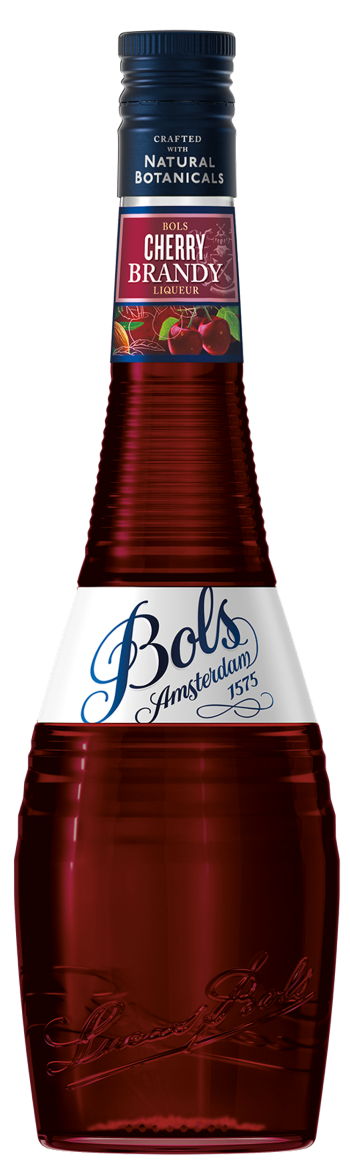
The label is subject to fixed requirements. The compound name appears on one line in the same lettering and colour, with the word liqueur directly beside it, in letters that are no smaller. If the alcohol does not come from the named drink, the label states where the alcohol does come from. Bols Cherry Brandy is a well-known example: according to the producer, this 24 percent liqueur contains cherry juice, crushed cherry stones and a dash of brandy.
Cherry liqueur at ’t Bockje
A selection of the 17 bottles currently in the shop on the Brink.






Battumse Chocolade-kerslikeur Geschenkverpakking met 2 Shotglaasjes
22% · 50 cl · Netherlands
€ 19,99
View the bottle
In brief
| Category | Liqueur (category 33, Regulation (EU) 2019/787) |
|---|---|
| Minimum alcohol content | 15 percent vol |
| Minimum sugar content | 100 grams per litre; 70 grams per litre if the alcohol comes exclusively from cherry brandy |
| Historic name | Cherry brandy, with the word liqueur next to it on the label |
| Related type | Kirsch: fruit brandy made from cherries, at least 37.5 percent ABV |
| Origin in the shop | The Netherlands, Germany, Denmark, Poland and France |
| In the shop | 17 bottles |
What is the difference between cherry liqueur and kirsch?
Kirsch, also called kirschwasser, is not a liqueur but a fruit brandy. The regulation reserves the name kirsch for brandy from sweet cherries (Prunus avium). It is made exclusively by fermenting fresh cherries and then distilling, with or without the stone.
No alcohol may be added to kirsch and the drink may not be flavoured. The minimum alcohol content is 37.5 percent vol. Sweetening is only allowed to round off the taste, up to at most 18 grams per litre. Cherry liqueur, by contrast, must be sweetened, with at least 70 or 100 grams per litre. Anyone looking for a bottle of kirsch is therefore looking for a different drink than cherry liqueur, even though both have the cherry as their base.
Where does cherry liqueur come from?
The bottles in the shop come from the Netherlands, Germany, Denmark, Poland and France. Denmark and Poland each have a tradition of their own. In Copenhagen, Peter F. Heering, a young colonial goods trader in the harbor, began making cherry liqueur in 1818, according to the producer. Heering still says it works to the old family recipe, with real cherries and botanicals.
In Poland, wiśniówka is a traditional drink made from sour cherries. The cherries are steeped in alcohol, such as vodka or neutral alcohol. Homemade versions need only cherries, sugar and alcohol. Factory-made variants such as Soplica Wiśniowa carry the cherry in the name.
Which cherry liqueur does ’t Bockje stock?
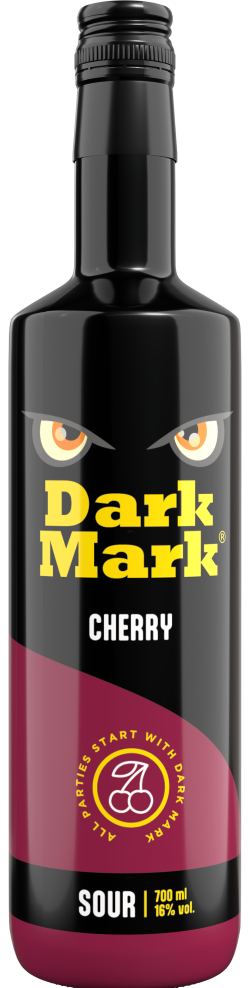
In the shop you will find cherry liqueurs from Bols, De Kuyper, Heering, Berentzen, Kirsberry, Dark Mark, Susser and Zuidam, alongside the Battumse Chocolade-kerslikeur, Mom's Homemade Cherrycello and the Polish Soplica Wiśniowa. Bols Cherry Brandy and Heering Cherry Liqueur stand side by side, so the difference between Dutch and Danish cherry liqueur is easy to see. Berentzen offers the Wildkirsch and the Cherry Banana Cream.
If you are looking for a cherry brandy rather than a liqueur, De Kuyper Kirsch, Pollen kersen brandewijn and Specht Schwarzwälder Kirschwasser are on the same shelf. Torn between a liqueur and a kirsch, or looking for a cherry liqueur for a cocktail? Call the shop or drop by at the Brink 2 in Bathmen.
Brands in this selection
- Battumse 3
- Berentzen 2
- De Kuyper 2
- Bols 1
- Dark Mark 1
- Heering 1
- Kirsberry 1
- Pollen 1
- Specht 1
- Susser 1
- Zuidam 1
What customers also ask
Is cherry brandy a brandy?
No. Cherry brandy is, under EU rules, a permitted historic name for cherry liqueur. On the label the word liqueur must appear directly next to the name.
Is kirsch a cherry liqueur?
No. Kirsch is a fruit brandy made from fermented and distilled cherries, with at least 37.5 percent alcohol and no more than 18 grams of sugar per litre. Cherry liqueur is sweetened and has at least 15 percent alcohol.
What is the minimum amount of sugar in cherry liqueur?
In general at least 100 grams per litre, expressed as invert sugar. If the alcohol consists exclusively of cherry brandy, the minimum is 70 grams per litre.
Since when has Heering existed?
According to the producer, Peter F. Heering began making cherry liqueur in Copenhagen in 1818.
How many cherry liqueurs are in the shop?
Currently 17 bottles, including a few cherry brandies such as kirsch, from brands from the Netherlands, Germany, Denmark, Poland and France.
Keep browsing
Sources
- Verordening (EU) 2019/787 betreffende gedistilleerde dranken, EUR-Lex, Publicatiebureau van de Europese Unie, eur-lex.europa.eu/legal-content/NL/TXT/HTML/?uri=CELEX:32019R0787 (accessed 9 October 2026)
- Regulation (EU) 2019/787, Annex I: category 9 (fruit spirit) and 33 (liqueur), text as established, legislation.gov.uk (The National Archives), legislation.gov.uk/eur/2019/787/annex/I/2020-01-31 (accessed 9 October 2026)
- Heering, Heering (producer), heering.com/ (accessed 9 October 2026)
- Our story, Heering (producer), heering.com/story/ (accessed 9 October 2026)
- Bols Cherry Brandy, Lucas Bols (producer), bols.com/collections/bols-ingredients/products/bols-cherry-brandy-liqueur (accessed 9 October 2026)
- Wiśniówka (liqueur), Wikipedia, en.wikipedia.org/wiki/Wi%C5%9Bni%C3%B3wka_(liqueur) (accessed 9 October 2026)
The shop is at Brink 2 in Bathmen. Open Tuesday to Friday from 09.00 to 18.00 and Saturday from 09.00 to 17.00. For advice, call 0570 541 278 or email info@bockje.nl.
Wij verkopen geen alcohol aan personen onder de 18 jaar. NIX18.