
Moscato and nutmeg
Moscato is the Italian name for muscat, a family of grape varieties. In France the grape is called muscat, in Spain and Portugal moscatel. Well known are the light, lightly sweet Moscato d'Asti and the sparkling Asti from Piemonte, and sweet wines such as Muscat de Beaumes-de-Venise and Samos. At the shop on the Brink in Bathmen there are now 14 bottles of moscato and muscat wine.
- 14bottles in the shop
- 12wine houses
- 6countries
- 5,5–15%alcohol
What is moscato wine?
Moscato wine is wine made from a grape of the muscat family. That family includes several varieties. The most important is moscato bianco, called muscat blanc à petits grains in France and moscatel galego branco in the Douro. There is also muscat d'Alexandrie, known as moscatel de Setúbal in Portugal.
The same grape produces very different wines. In Piedmont it is made into lightly sparkling and sparkling wine with little alcohol. In the south of France, Greece and Portugal, muscat is often fortified with grape spirit, so that part of the natural sugar remains in the wine.
What is the difference between Asti and Moscato d'Asti?
Both come from the same Piedmontese area and are made from at least 97 percent moscato bianco, but Asti is fully sparkling (spumante) and Moscato d'Asti is lightly sparkling (frizzante). Moscato d'Asti may not have more than 2.5 atmospheres of pressure.
The alcohol content differs too. Moscato d'Asti has a minimum of 4.5 and a maximum of 6.5 percent actual alcohol; the rest remains in the wine as grape sugar. Asti has a minimum of 6 percent actual alcohol. Both wines ferment in a closed pressure tank using the Martinotti method. There is also an Asti made by the traditional method, with the second fermentation in the bottle and at least 9 months on the yeast cells.
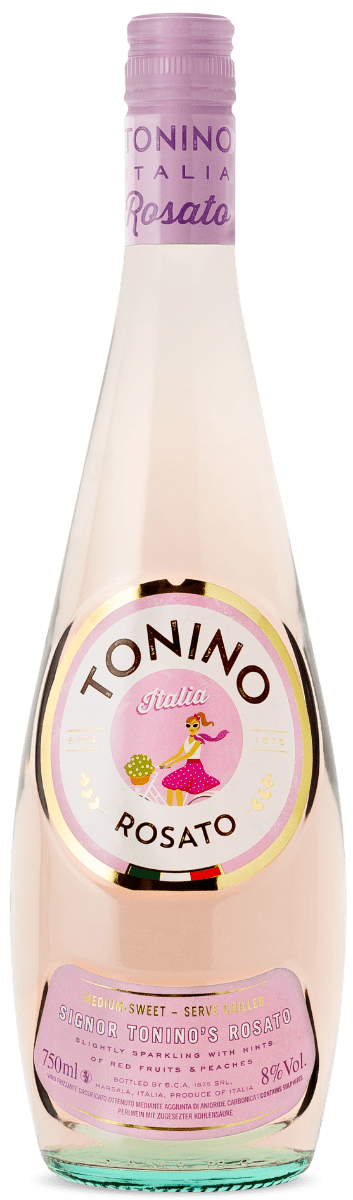
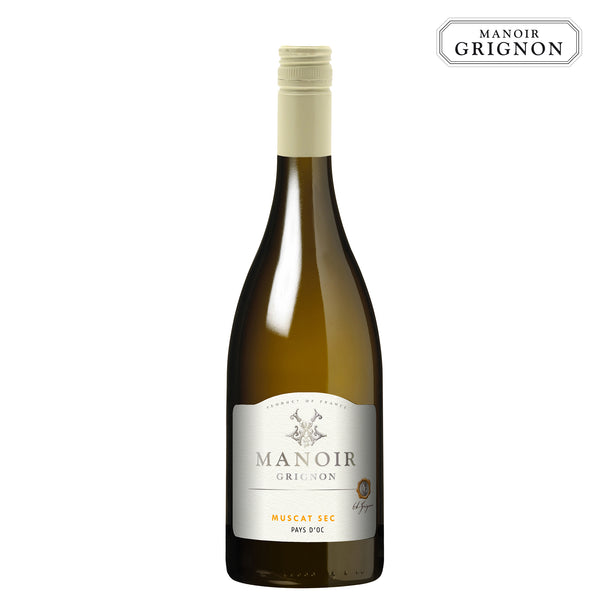
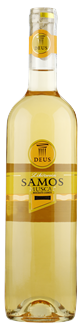
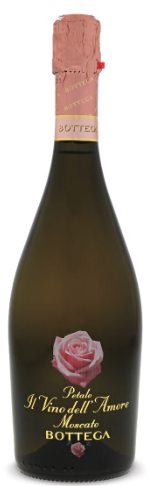
Moscato and Muscat at ’t Bockje
A selection from the 14 bottles now in the shop on the Brink.





In brief
| Grape family | Muscat: moscato bianco (muscat blanc à petits grains) and muscat d'Alexandrie |
|---|---|
| Asti DOCG | DOC since 1967, DOCG since 1993, in Piemonte |
| Moscato d'Asti | 4.5 to 6.5 percent alcohol, maximum 2.5 atmospheres of pressure |
| Asti spumante | At least 6 percent actual alcohol, fermentation in a pressure tank |
| Muscat de Beaumes-de-Venise | Vin doux naturel, AOC since 1945 |
| Samos | Protected origin since 1970, 100 percent white muscat |
| In the shop | 14 bottles |
What does DOCG mean for Asti and Moscato d'Asti?
DOCG is the highest Italian designation of origin. Asti became a DOC in 1967 and received DOCG status in 1993. Both Asti spumante and Moscato d'Asti, both from Piemonte, fall under that one designation.
The rules lay down, among other things, the grape, the alcohol content and the method. For Moscato d'Asti a total potential alcohol content of at least 11 percent applies, or 12 percent for wine from a subzone. A large part of that is not fermented: at least 4.5 percent potential alcohol remains in the wine as sugar, about 80 grams per litre. For Asti spumante the potential alcohol content is at least 11.5 percent.
What are Muscat de Beaumes-de-Venise and Samos?
These are sweet muscat wines from France and Greece. Muscat de Beaumes-de-Venise is a vin doux naturel from the Southern Rhône, from the communes of Beaumes-de-Venise and Aubignan. The wine is made exclusively from muscat à petits grains. During fermentation pure grape alcohol is added, the mutage, which leaves natural sugar in the wine. The grapes must contain at least 252 grams of sugar per litre. The AOC has existed since 1945.
Samos has been a protected designation of origin since 1970 on the Greek island of the same name, for wine made from 100 percent white muscat. There are three types: vin doux, vin doux naturel and vin naturellement doux from sun-dried grapes.
What is moscatel?
Moscatel is the Spanish and Portuguese name for muscat. In Portugal, Moscatel de Setúbal is the best known. That wine is fortified with grape brandy once the desired sweetness has been reached, then stays on the skins for three months or longer and ages for at least 18 months in large wooden casks. If the grape name is to appear on the label, the wine must consist of at least 85 percent moscatel.
In Spain, moscatel de Alejandría and moscatel de grano menudo are permitted within the DO Valencia. From moscatel de Alejandría they make vino de licor moscatel there, also called mistela de moscatel. The same grapes also yield dry, partly fermented and sparkling wines.
Which moscato does ’t Bockje have?
From Piemonte there are the Moscato d'Asti DOCG from Batasiolo and Asti Spumante DOCG and Moscato Spumante from Filipetti. There are also moscatos from Bottega (Vino dell'Amore) and Zebo. From France come a Muscat de Beaumes-de-Venise and the Canon du Maréchal Blanc, a wine of viognier and muscat.
From Spain there is the P5 Muscat de Gra Petit from Can Bas, from Greece the Samos Muscat from Cavino Deus, and from Hungary the Late Harvest from Royal Tokaji, which contains yellow muscat alongside furmint and hárslevelű. If you are unsure which bottle suits an occasion, call the shop or drop by at Brink 2 in Bathmen.
Wine houses in this selection
- Filipetti 2
- Batasiolo 1
- Bottega 1
- Can Bas 1
- Cavino 1
- Chanson 1
- Le Canon 1
- MUSCAT 1
- Santa Rita Floresta 1
- The Royal Tokaji 1
- Tonino 1
- Zebo 1
What customers also ask
Is moscato always sweet?
Moscato d'Asti, Asti and the fortified muscat wines are sweet, because part of the grape sugar does not ferment. In Spain, moscatel is also used to make dry wine.
What is the difference between moscato and muscat?
None: moscato is the Italian name, muscat the French and moscatel the Spanish and Portuguese name for the same family of grapes.
How much alcohol is there in Moscato d'Asti?
Minimum 4.5 and maximum 6.5 percent. Asti spumante has at least 6 percent.
How much Moscato is there in the shop?
Currently 14 bottles, from Italy, France, Spain, Greece and Hungary.
Keep browsing
Sources
- Asti DOCG, Italian Wine Central, italianwinecentral.com/denomination/asti-docg/ (accessed 2 October 2026)
- D.O. Valencia, Vinos DO (Spaanse herkomstbenamingen), vinosdo.wine/denominaciones/d-o-valencia/ (accessed 2 October 2026)
- AOC vin doux naturel Muscat de Beaumes-de-Venise, Inter Rhône, vins-rhone.com/en/aoc-vin-doux-naturel-muscat-de-beaumes-de-venise (accessed 2 October 2026)
- Moscatel wine, Wines of Portugal (ViniPortugal), winesofportugal.com/en/portuguese-wines/wine-styles/vinho-moscatel/ (accessed 2 October 2026)
The shop is at Brink 2 in Bathmen. Open Tuesday to Friday from 09.00 to 18.00 and Saturday from 09.00 to 17.00. For advice, call 0570 541 278 or email info@bockje.nl.
Wij verkopen geen alcohol aan personen onder de 18 jaar. NIX18.