
New Zealand wine
Marlborough, in the north-east of the South Island, is New Zealand's largest wine region and produces about two thirds of all New Zealand wine. Sauvignon blanc is by far the most important grape there. The country also makes pinot noir, chardonnay and other white varieties in ten wine regions. In the shop on the Brink in Bathmen there are 7 bottles from New Zealand, mainly sauvignon blanc from Marlborough.
- 7bottles in the shop
- 6wine houses
- 12–14%alcohol
Why is Marlborough so well known for sauvignon blanc?
Marlborough is known for sauvignon blanc because the grape covers the largest part of the vineyards there and because the region made its international breakthrough with it in the 1980s. According to New Zealand Winegrowers, Marlborough has well over 22,000 hectares of sauvignon blanc, about three quarters of all sauvignon blanc in the country.
The region has about 31,000 hectares of vineyard in total. The climate is cool, with many hours of sunshine and little rain, on well-drained, moderately fertile soil. The Māori name Kei puta te Wairau means, loosely translated: the place with the hole in the clouds. Alongside sauvignon blanc, pinot noir, chardonnay, pinot gris, riesling and gewürztraminer grow there.
How did winegrowing begin in Marlborough?
Winemaking in Marlborough began in 1873, when David Herd planted the first vines in Fairhall. The modern history starts on 11 August 1973: Montana Wines, led by Frank Yukich, then planted the first commercial vineyard on what later became Brancott Estate.
After that things moved quickly. Hunter's Wines was founded in 1979 and won prizes in London from 1986. Cloudy Bay appeared in 1985, whose sauvignon blanc made its name worldwide via the British market. In that same year a vine-pull scheme paid growers to replace less suitable varieties, after which many vineyards were replanted with sauvignon blanc and chardonnay.
New Zealand wine at ’t Bockje
A selection from the 7 bottles currently in the shop on the Brink.


In brief
| Largest wine region | Marlborough, around 31,000 ha, about two thirds of New Zealand’s production |
|---|---|
| Sauvignon blanc in Marlborough | over 22,000 ha, about three quarters of all sauvignon blanc in the country |
| Subregions of Marlborough | Wairau Valley, Southern Valleys, Awatere Valley |
| First commercial planting | 11 August 1973, Montana Wines (later Brancott Estate) |
| Label line | at least 85% of the named grape, the harvest year and the origin |
| Geographical indication | Marlborough, registered with IPONZ (NZGI 1004) |
| New Zealand wine regions | ten, between 36° and 45° south latitude |
| Most important black grape | pinot noir, especially in Central Otago and Martinborough |
| In the shop | 7 bottles |
Which sub-regions does Marlborough have?
Marlborough has three sub-regions, each with its own soil and location. New Zealand Winegrowers distinguishes them as follows:
- Wairau Valley: old, gravelly river beds, with cooler spots further inland, stony plots that ripen early and coastal plots under the influence of the sea wind.
- Southern Valleys: the valleys of Omaka, Fairhall, Brancott, Ben Morven and Waihopai, with heavier soil containing more clay than in the Wairau, and cooler and drier towards the south.
- Awatere Valley: the most distinct sub-region, higher up, cooler and windier, with lower yields.
On the label you will sometimes see one of these names next to Marlborough.
How do you read a Marlborough wine label?
If Marlborough is on the label, at least 85 percent of the wine must come from Marlborough. That rule of the New Zealand ministry MPI also applies to grape and vintage: anyone who states sauvignon blanc and 2024 must meet 85 percent for each of those details.
Marlborough is also a registered geographical indication for wine in the IPONZ register, in the name of the Marlborough Winegrowers' Association. Since 2018 there has also been the quality mark Appellation Marlborough Wine. Stricter requirements apply to it: 100 percent grapes from Marlborough from sustainably certified vineyards, bottled in New Zealand and independently inspected.
What does New Zealand make besides Marlborough sauvignon blanc?
New Zealand has ten wine regions, spread over 1,600 kilometres between the 36th and 45th parallels, from Northland to Central Otago. The first vines were planted in 1819 by the missionary Samuel Marsden in the Bay of Islands. Sauvignon blanc accounts for well over two thirds of all New Zealand wine and for 85 percent of exports.
Pinot noir is the most important red grape and the second-largest export wine. According to New Zealand Winegrowers it does especially well in Martinborough (Wairarapa) and Central Otago. Hawke's Bay on the North Island is the country's second wine region, with winegrowing since 1851. About 98 percent of the productive vineyard area is certified by Sustainable Winegrowing New Zealand.
Which New Zealand wines does ’t Bockje have?
At ’t Bockje the emphasis is on sauvignon blanc. Among others you will find TOMTIT Sauvignon Blanc Marlborough, Maori Moana Sauvignon Blanc, Ponga Sauvignon Blanc, Stoneburn Sauvignon Blanc and Twin Islands Sauvignon Blanc. That way you can compare different houses side by side.
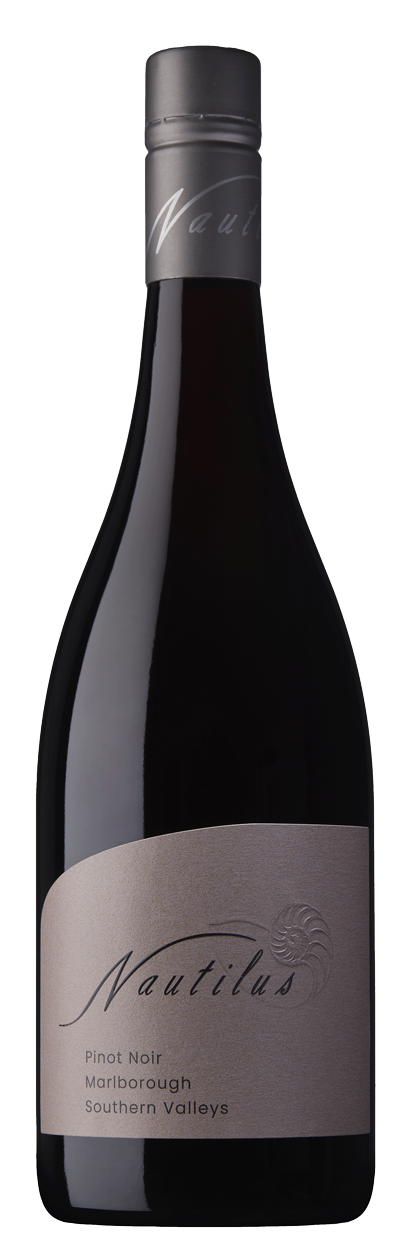
Anyone looking for something other than Sauvignon Blanc will want the Nautilus Pinot Noir or the Stoneburn Gewurztraminer. The label shows which region the grapes come from for each bottle. Would you like to know which bottle suits your occasion? Drop by at Brink 2 in Bathmen or call 0570 541 278.
Wine houses in this selection
- Stoneburn 2
- Maori 1
- Nautilus 1
- Ponga 1
- TOMTIT 1
- Twin 1
What customers also ask
Where is Marlborough in New Zealand?
In the north-east of the South Island, around the Wairau Valley and the Awatere Valley.
Does all sauvignon blanc from New Zealand come from Marlborough?
No, but about three quarters of the plantings are there. Other regions also make sauvignon blanc.
What does Appellation Marlborough Wine on the label mean?
A quality mark since 2018: 100% grapes from Marlborough from sustainable vineyards, bottled in New Zealand and independently audited.
Where does New Zealand pinot noir come from?
Including from Central Otago, Martinborough and Marlborough.
How many New Zealand wines does ’t Bockje have?
The shop at Brink 2 in Bathmen has 7 bottles from New Zealand.
Keep browsing
Sources
- Marlborough wine region, New Zealand Winegrowers, nzwine.com/en/regions/marlborough/ (accessed 2026-10-05)
- New Zealand wine regions, New Zealand Winegrowers, nzwine.com/en/regions/ (accessed 2026-10-05)
- New Zealand wine: An introduction, New Zealand Winegrowers, nzwine.com/en/media/story/intro-to-nz-wine/ (accessed 2026-10-05)
- NZ white wine fast stats & facts, New Zealand Winegrowers, nzwine.com/en/media/story/white-wine-stats/ (accessed 5 October 2026)
- Marlborough's Wine History, Marlborough Winegrowers / Wine Marlborough, marlboroughwinenz.com/press-releases/marlboroughs-wine-history (accessed 2026-10-05)
- Geographical indications register: Marlborough, IPONZ, iponz.govt.nz/about-ip/geographical-indications/register/marlborough (accessed 2026-10-05)
- Appellation Marlborough Wine, Appellation Marlborough Wine, appellationmarlboroughwine.co.nz (accessed 5 October 2026)
- Labelling requirements for alcoholic drinks including wine, Ministry for Primary Industries (MPI), mpi.govt.nz/food-business/labelling-composition-food-drinks/specific-product-labelling/labelling-requirements-alcoholic-drinks-including-wine (accessed 2026-10-05)
The shop is at Brink 2 in Bathmen. Open Tuesday to Friday from 09.00 to 18.00 and Saturday from 09.00 to 17.00. For advice, call 0570 541 278 or email info@bockje.nl.
Wij verkopen geen alcohol aan personen onder de 18 jaar. NIX18.