
Spanish wine
Spanish wine usually bears the name of a protected region of origin: a DO, a DOCa (only Rioja and Priorat) or a Vino de Pago. Words such as Crianza, Reserva and Gran Reserva on the label say how long the wine has aged at minimum. In the shop at the Brink in Bathmen there are 113 bottles from Spain: red, white, sweet, cava and also alcohol-free bubbles.
- 113bottles in the shop
- 50wine houses
- 5,5–20,5%alcohol
Which types of Spanish wine are there by law?
Spain protects its wines through designations of origin. The list of the Spanish Ministry of Agriculture (MAPA, updated in July 2026) contains 106 protected designations of origin (DOP) for wine. Most carry the designation DO (Denominación de Origen).
- DOCa (Denominación de Origen Calificada): the highest level of origin. There are two: Rioja and Priorat. For this an area must have been recognised as a DO for at least ten years, the wine must be bottled within the zone and the suitable plots are mapped out.
- Vino de Pago: wine from a single delimited place with its own soil and microclimate, made exclusively from grapes of that place. MAPA counts fifteen.
Below that come the protected geographical indications (IGP), often shown on the label as Vino de la Tierra.
What do Crianza, Reserva and Gran Reserva mean?
These terms refer to the minimum aging time, not to the area. For red wine in Spain, these minimums apply:
- Crianza: 24 months of ageing, at least 6 months of which in oak barrels of 330 litres at most.
- Reserva: 36 months, of which at least 12 months in oak and the rest in bottle.
- Gran Reserva: 60 months, of which at least 18 months in oak.
For white and rosé wine the limits are lower: 18 months for Crianza, 24 for Reserva and 48 for Gran Reserva. A region may be stricter. In Rioja a red Crianza ages for at least two years, of which one year in 225-litre barriques, and a Gran Reserva for five years, of which two in cask and two in bottle.
Spanish wine at ’t Bockje
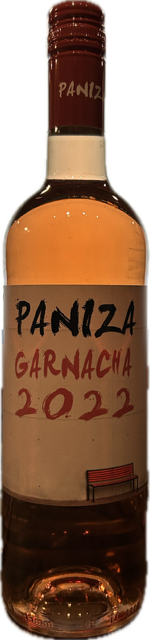
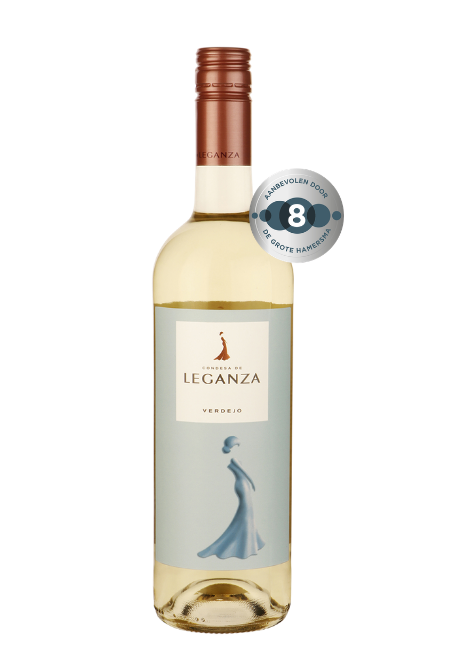
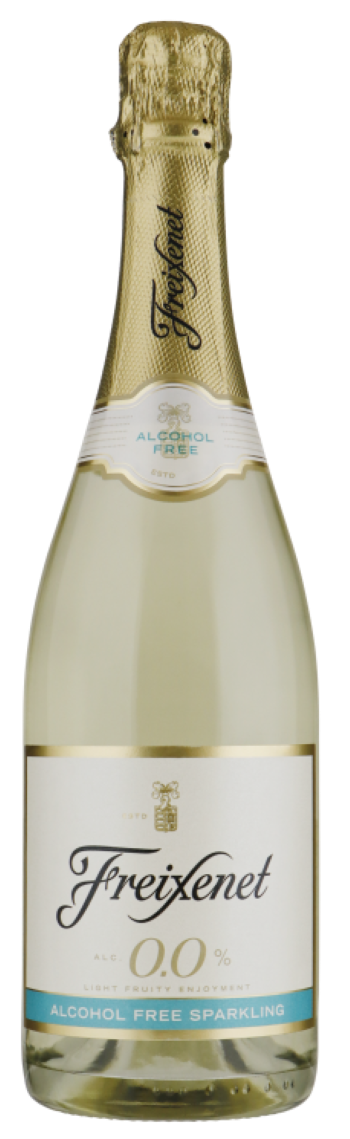
A selection from the 113 bottles currently in the shop on the Brink.




In brief
| Designations of origin (PDO) | 106 (MAPA list, July 2026) |
|---|---|
| DOCa | Rioja and Priorat |
| Vinos de Pago | 15 |
| Crianza red | at least 24 months, of which 6 in oak |
| Gran Reserva red | at least 60 months, of which 18 in oak |
| Main grapes | tempranillo, garnacha, verdejo, albariño |
| Cava | traditional method, at least 9 months on lees |
| In the shop | 113 bottles |
Where does red Spanish wine come from?
The most important red grape is tempranillo, followed by garnacha.
- Rioja became a DO in 1925 and received DOCa status in 1991. The region has three zones: Rioja Alta, Rioja Alavesa and Rioja Oriental. Five red grapes are permitted: tempranillo, garnacha tinta, graciano, mazuelo and maturana tinta. Tempranillo accounts for the largest part of the plantings. We have a separate page about Rioja.
- Ribera del Duero in Castilla y León works mainly with tempranillo, known there as tinto fino or tinta del país. Cabernet sauvignon, merlot, malbec and garnacha are also permitted.
- Navarra calls garnacha its most characteristic grape and sees itself as the cradle of Spanish rosado.
Which white Spanish wine is available?
Two regions shape the picture of Spanish white wine, each with its own grape.
- Rueda became a DO in 1980, the first in Castilla y León. The area lies on the south bank of the Duero and covers 74 municipalities in the provinces of Valladolid, Segovia and Ávila. The verdejo grape dominates the plantings. We have a separate page about verdejo.
- Rías Baixas in Galicia, in the northwest, has been a DO since 1988. It lies largely in the province of Pontevedra and in small part in A Coruña, with five subzones: Val do Salnés, O Rosal, Ribeira do Ulla, Condado do Tea and Soutomaior. Everything here revolves around albariño, about which we also have a separate page.
White may also be made in Rioja, from viura, garnacha blanca and tempranillo blanco, among others.
What is sweet Spanish wine and what about cava?
Sweet Spanish wine often comes from Andalusia. In the DO Jerez-Xérès-Sherry the Consejo Regulador distinguishes three groups. The dry vinos generosos (fino, manzanilla, amontillado, oloroso, palo cortado) have at most 5 grams of residual sugar per litre and mostly come from palomino. The naturally sweet wines, Pedro Ximénez and moscatel, come from overripe or sun-dried grapes. Pale cream, medium and cream are blends of both. Málaga is a DO of its own in Andalusia.
Cava is a DO for sparkling wine made by the traditional method, with a second fermentation in the bottle. The first bottles were made in 1872 in Sant Sadurní d'Anoia. A regular cava spends at least 9 months on the lees, a Reserva more than 18 and a Gran Reserva 30 months. The main grapes are macabeo, xarel·lo and parellada.
Which Spanish wine does ’t Bockje stock?
At ’t Bockje there is a wide selection from Spain. Rioja is well represented, with Ramón Bilbao, Montecillo and Beronia among others, such as the Beronia Rioja Crianza Edición Limitada and the Marqués de Murrieta Rioja Reserva. For garnacha there is the Ramon Bilbao Edicion Limitada Garnacha, and from Navarra Principe de Viana is on the shelf. You will also find TORRES, Portia and Can Bas.
White: the Analivia Verdejo Selección and the Al Mercado Garnacha Blanca. Bubbles: Freixenet, the Anna de Codorniu Brut and the Vilarnau Cava Brut Reserva Rosé. If you want no alcohol, choose the Freixenet Alcoholvrij 0.0 or the Al Mercado Brut Blanco 0.0.
Feel free to drop by at Brink 2 in Bathmen or call 0570 541 278, and together we will find the right bottle.
Wine houses in this selection
- Ramón Bilbao 9
- Principe de Viana 7
- Montecillo 5
- Beronia 4
- Condesa 4
- Freixenet 4
- Portia 4
- Can Bas 3
- Clos Amador 3
- Lolea 3
- Torres 3
- Wine by Nature 3
- Al Mercado 2
- Arrumaco 2
- Bodegas Roda 2
- Clunia 2
- Cruz 2
- El Castilla 2
- Mar 2
- MARQUES DE VARGAS 2
- Ramon 2
- Torres 2
- Vilarnau Cava 2
- Viña Cerrada 2
- Analivia 1
- Anna 1
- Benito 1
- Bodegas La Horra 1
- Bodegas Paniza 1
- Braña 1
What customers also ask
Is a DOCa better than a DO?
DOCa is the highest level of origin with stricter requirements, such as ten years of prior DO recognition and bottling in the zone. Only Rioja and Priorat have it.
Is a Reserva always older than a Crianza?
Yes, the minimum maturation is longer: 36 months for red against 24 months.
Is sherry always sweet?
No. Fino, manzanilla, amontillado, oloroso and palo cortado are dry. Pedro Ximénez and moscatel are naturally sweet.
What is the difference between cava and other Spanish sparkling wines?
Cava is a DO with its own rules: traditional method and at least 9 months on the lees. Alcohol-free sparkling wines fall outside that.
How many Spanish wines does ’t Bockje have?
In the shop at Brink 2 in Bathmen there are 113 bottles from Spain.
Keep browsing
Sources
- Listado de DOP e IGP de vinos registradas en la UE, Ministerio de Agricultura, Pesca y Alimentación (MAPA), mapa.gob.es/es/dam/jcr%3Af9643333-ef75-4a2f-8864-afd1ade63fd1/02_vinos.pdf (accessed 2026-10-05)
- Términos tradicionales protegidos para España, Ministerio de Agricultura, Pesca y Alimentación (MAPA), servicio.mapa.gob.es/fr/alimentacion/temas/calidad-diferenciada/terminostradicionalesvinos_tcm36-432327.pdf (accessed 2026-10-05)
- Rioja: the designation, Consejo Regulador DOCa Rioja, riojawine.com/en/ (accessed 2026-10-05)
- Classification, Consejo Regulador DOCa Rioja, riojawine.com/en-gb/the-designation/classification/ (accessed 2026-10-05)
- Grape varieties, Consejo Regulador DOCa Rioja, riojawine.com/en-gb/the-designation/grape-varieties/ (accessed 5 October 2026)
- Variedades de uva, Consejo Regulador DO Ribera del Duero, riberadelduero.es/en/node/2206 (accessed 2026-10-05)
- About us, Consejo Regulador DO Rías Baixas, doriasbaixas.com/en/about-us/ (accessed 2026-10-05)
- Rueda report 2026: an introduction to the region's landscape and vines, Decanter (in collaboration with DO Rueda), decanter.com/sponsored/rueda-report-2026-an-introduction-to-the-regions-landscape-and-vines/ (accessed 5 October 2026)
- Sherry wine, Consejo Regulador Jerez-Xérès-Sherry, sherry.wine/sherry-wine (accessed 2026-10-05)
- Categories & types, Consejo Regulador DO Cava, cava.wine/en/categories-types/ (accessed 2026-10-05)
- Traditional method (champenoise), Consejo Regulador DO Cava, cava.wine/en/origin-cava/traditional-method-champenoise/ (accessed 2026-10-05)
- DO Navarra, Consejo Regulador DO Navarra, navarrawine.com/en/ (accessed 2026-10-05)
The shop is at Brink 2 in Bathmen. Open Tuesday to Friday from 09.00 to 18.00 and Saturday from 09.00 to 17.00. For advice, call 0570 541 278 or email info@bockje.nl.
Wij verkopen geen alcohol aan personen onder de 18 jaar. NIX18.