
Portuguese wine
Portuguese wine comes from a series of wine regions, from Vinho Verde in the north to the Algarve in the south, plus Madeira and the Azores. According to Wines of Portugal, Portugal has more than 250 native grape varieties, such as touriga nacional, alvarinho and arinto. On the label, DOP or DOC stands for a protected origin, IGP and Vinho Regional for a broader region. In the shop on the Brink in Bathmen there are currently 48 bottles of Portuguese wine and port.
- 48bottles in the shop
- 18wine houses
- 8,5–20%alcohol
Which wine regions does Portugal have?
Portugal has twelve wine regions on the mainland. From north to south they are Vinho Verde, Trás-os-Montes, Porto and Douro, Távora-Varosa, Dão and Lafões, Bairrada, Beira Interior, Lisboa, Tejo, Península de Setúbal, Alentejo and the Algarve. Added to these are the islands of Madeira and the Azores.
Vinho Verde in the northwest has been a demarcated region since 1908, with nine sub-regions and about 16,000 hectares of vineyard. The Douro was demarcated in 1756 and is one of the first demarcated wine regions in the world; UNESCO recognised the valley as a World Heritage Site. The Dão lies between the mountains, with vineyards at 200 to 1,000 metres altitude on granite soil.
Lisboa, north of the capital, has nine designations of origin, including Bucelas, Colares and Alenquer. Tejo was called Ribatejo until 2009. The Alentejo covers almost a third of the mainland and has eight sub-regions, from Portalegre and Borba to Vidigueira and Moura.
What do DOP, DOC, IGP and Vinho Regional on the label mean?
DOP en DOC staan voor een beschermde oorsprongsbenaming, de strengste categorie. Zo’n wijn is verbonden met een bepaalde streek en traditionele productiemethoden, en valt onder strikte controle. De benaming is geregistreerd in het Europese systeem. Voorbeelden zijn Vinho Verde, Douro, Dão en Alentejo.
IGP, also called Vinho Regional in Portugal, is a protected geographical indication for a broader region. At least 85 percent of the grapes then come from that region. Examples are Minho, Lisboa and Alentejano. Wine that falls into neither category is simply called vinho.
Regional commissions inspect and certify the wines. For example, the CVRVV manages the DO Vinho Verde and the IG Minho, and the CVRA has certified the Alentejo DOP and Alentejano IGP since 1989.
Portuguese wine at ’t Bockje
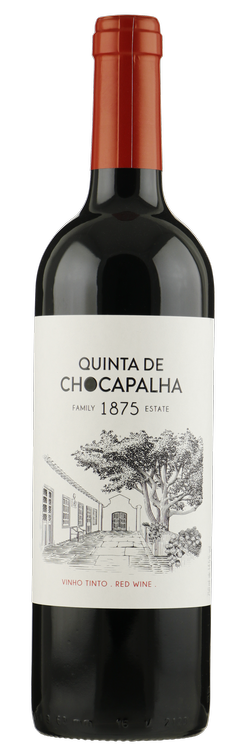
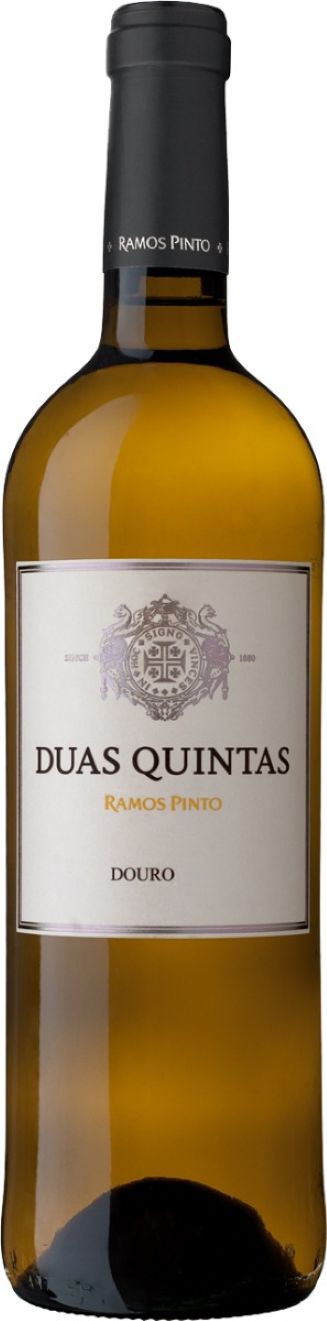
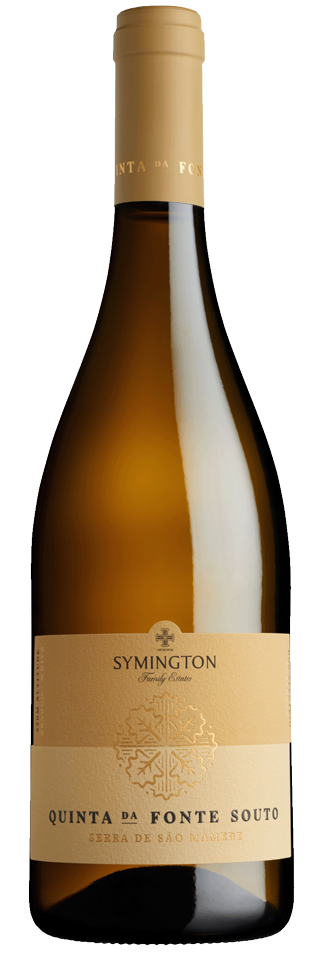
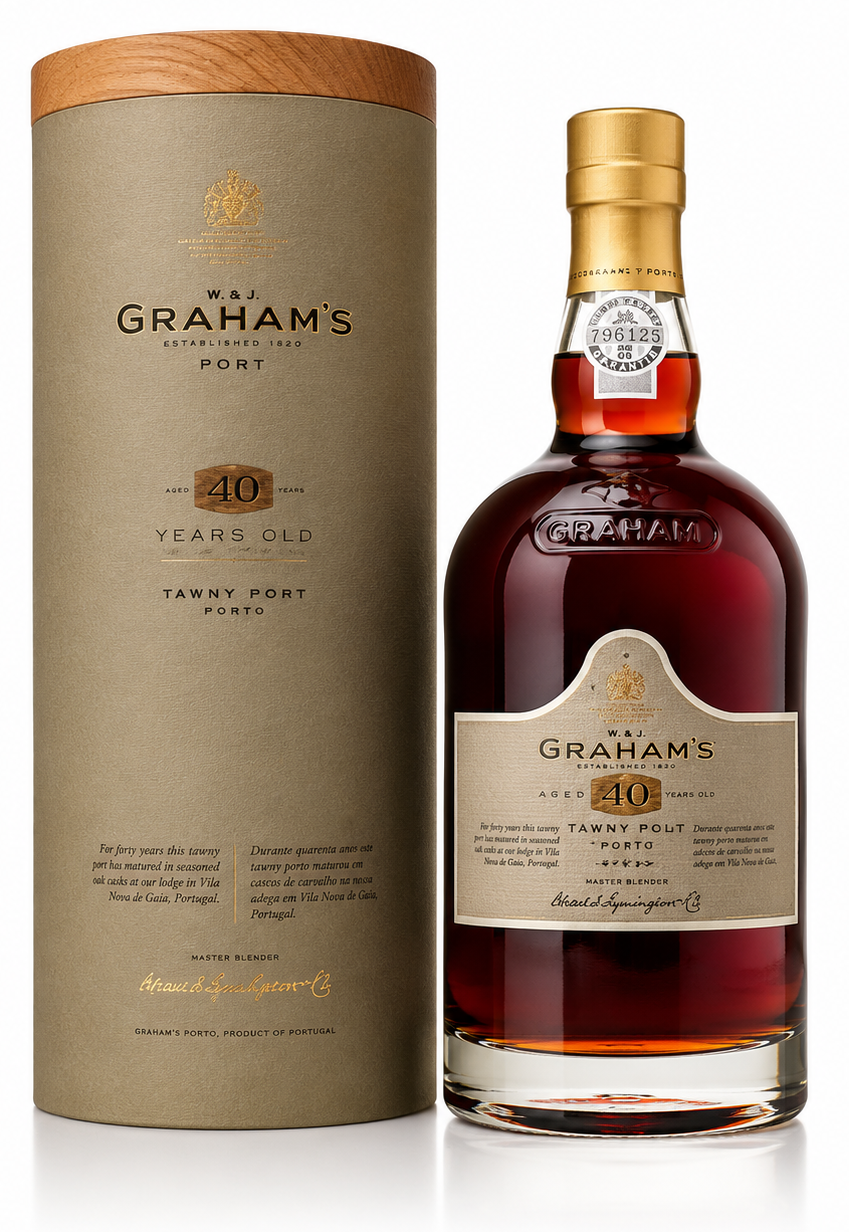
A selection from the 48 bottles now in the shop on the Brink.





In brief
| Wine regions | 12 on the mainland, plus Madeira and the Azores |
|---|---|
| Native grapes | More than 250 varieties |
| DOP / DOC | Beschermde oorsprongsbenaming, strengste categorie |
| IGP / Vinho Regional | At least 85 percent grapes from the stated region |
| Douro | Demarcated in 1756, DOP Porto, Douro and Moscatel do Douro |
| Vinho Verde | Delimited in 1908, nine sub-regions |
| Tawny with age | 10, 20, 30 and 40 years |
| In the shop | 48 bottles |
Which native grapes are the most important?
Portugal works mainly with its own grape varieties, more than 250 of them. Touriga nacional is a blue grape from northern Portugal; both the Dão and the Douro claim its origin. It is now planted in almost the whole country, from the Alentejo to the Azores.
Among the white grapes, Vinho Verde is home to alvarinho and loureiro. Alvarinho grows mainly along the Minho river, with Monção and Melgaço as the best-known sub-regions. Loureiro originally comes from the Lima valley. Arinto, called pedernã in Vinho Verde, is found in most regions and is the main grape of Bucelas.
Castelão is one of the most widely planted black grapes in the south, in Tejo, Lisboa, Setúbal and the Alentejo. Alicante bouschet is among the red grapes of the Alentejo, alongside aragonez and trincadeira, and also in Lisboa.
What is port, and what is Moscatel do Douro?
Port is a fortified wine from the demarcated Douro region. Fermentation is stopped by adding grape spirit, the benefício. Port usually has 19 to 22 percent alcohol. There are red styles such as ruby and tawny, as well as white port and rosé.
Tawny matures in casks. The special category of tawny with an age statement exists at 10, 20, 30 and 40 years; the same four ages apply to white port. A colheita is a tawny from a single harvest year that has spent at least seven years in cask.
Moscatel do Douro is, alongside Porto and Douro, the region’s third protected designation of origin. Moscatel is one of the most important white grapes of the Douro, alongside gouveio, malvasia fina, rabigato and viosinho. Among the black grapes, Wines of Portugal names touriga nacional, touriga franca, tinta roriz, tinta barroca and tinto cão.
Which Portuguese wine does ’t Bockje have?
From the Alentejo we have Terra d’Alter, including Telhas, Reserva, Verdelho, Alfrocheiro, Alicante Bouschet and Alvarinho. From Lisboa comes Quinta de Chocapalha, with Arinto, Castelão, Mar de Lisboa, Tinto and CH by Chocapalha. From Symington we have Bom Malandro, Pequeno Dilema, Quinta da Fonte Souto, Post Scriptum de Chryseia and Prazo de Roriz. Borges supplies Meia Encosta Dão and Tinto, Quinta da Soalheira and Quinta de Simaens Vinho Verde.
In addition Vinho Verde from Anselmo Mendes (Alvarinho Contacto), Mendes & Symington (Contacto Loureiro) and Gavarez, Ramos Pinto Duas Quintas red and white, Kopke Douro Reserva, Mateus Rosé, Mar da Palha Syrah and the sparkling Vértice Cuvée Brut and Brut Rosé from the Douro. For port and muscat there are Kopke White Port, Ferreira Dona Antónia 30 year Tawny, Graham’s 40 Years Old Tawny Port and Vista Alegre Moscatel do Douro, also as a 10 year.
If you would like advice on a bottle, call the shop or drop by at Brink 2 in Bathmen.
Wine houses in this selection
- Symington 7
- Quinta de Chocapalha 6
- Terra d'Alter 6
- Borges 5
- Terra d' 5
- Vista Alegre Moscatel 2
- Vértice Cuvée 2
- Anselmo 1
- CH 1
- Ferreira 1
- Gavarez 1
- Graham's 1
- Kopke 1
- Mateus 1
- Mendes 1
- Post 1
- Prazo 1
- Ramos 1
What customers also ask
What is the difference between DOC and Vinho Regional?
DOC (DOP) is a protected origin with stricter rules. Vinho Regional (IGP) covers a broader region, with at least 85 percent grapes from that region.
Is Vinho Verde a grape?
No, it is a wine region in north-west Portugal. Important grapes there are alvarinho, loureiro and arinto.
What does 30 or 40 years mean on a tawny port?
Het is een speciale categorie tawny met leeftijdsaanduiding, die bestaat in 10, 20, 30 en 40 jaar.
How much Portuguese wine is there in the shop?
At the moment 48 bottles, from Vinho Verde and Alentejo to port and Moscatel do Douro.
Keep browsing
Sources
- Wine regions, Wines of Portugal (ViniPortugal), winesofportugal.com/en/discover/wine-regions (accessed 3 October 2026)
- Certified wines, Wines of Portugal (ViniPortugal), winesofportugal.com/en/portuguese-wines/certified-wines/ (accessed 3 October 2026)
- Grape varieties, Wines of Portugal (ViniPortugal), winesofportugal.com/en/portuguese-wines/grape-varieties/ (accessed 3 October 2026)
- Porto and Douro, Wines of Portugal (ViniPortugal), winesofportugal.com/en/discover/wine-regions/porto-e-douro/ (accessed 3 October 2026)
- Alentejo, Wines of Portugal (ViniPortugal), winesofportugal.com/en/discover/wine-regions/alentejo/ (geraadpleegd 3 oktober 2026)
- Port Wines: introduction, Instituto dos Vinhos do Douro e do Porto (IVDP), ivdp.pt/en/wines/port-wines/introduction/ (accessed 3 October 2026)
- Port Wines: special categories, Instituto dos Vinhos do Douro e do Porto (IVDP), ivdp.pt/en/wines/port-wines/special-categories/ (accessed 3 October 2026)
- History of the region, Comissão de Viticultura da Região dos Vinhos Verdes, vinhoverde.pt/en/history-of-the-region (accessed 3 October 2026)
- CVRA, Comissão Vitivinícola Regional Alentejana, vinhosdoalentejo.pt/en/region/ (geraadpleegd 3 oktober 2026)
The shop is at Brink 2 in Bathmen. Open Tuesday to Friday from 09.00 to 18.00 and Saturday from 09.00 to 17.00. For advice, call 0570 541 278 or email info@bockje.nl.
Wij verkopen geen alcohol aan personen onder de 18 jaar. NIX18.