Herbal bitters
Herbal bitter is a spirit in which the bitter taste dominates, made by flavouring alcohol with herbs, roots and spices. Under European rules, a bitter must contain at least 15 percent alcohol. Well-known examples are the Frisian Beerenburg and German names such as Underberg and Jägermeister. In the shop on the Brink in Bathmen there are currently 29 bottles of herbal bitter, from Dutch borrelbitters to German and Italian classics.
- 29bottles in the shop
- 21brands
- 6countries
- 16,5–60,1%alcohol
What is herbal bitter according to the law?
Herbal bitter falls under European Regulation 2019/787 in the category ‘spirit drink with bitter taste or bitter’. That is a drink with a predominantly bitter taste, made by flavouring ethyl alcohol or a distillate of agricultural origin with aromas. The minimum alcohol content is 15 percent. The label may then simply say ‘bitter’.
If a lot of sugar has been added, the drink counts as a liqueur. A liqueur also has at least 15 percent alcohol, but as a rule at least 100 grams of sugar per litre as well. For liqueurs made only with gentian, a comparable plant or wormwood, that is 80 grams. Under the same regulation such a bitter liqueur may also be called 'bitter'. That is why a German Kräuterlikör in the shop is often simply called herbal bitter.
What is Frisian herbal bitter or Beerenburg?
Frisian herbal bitter is best known as Beerenburg or Berenburg: genever or jenever in which a mixture of herbs has steeped, much like tea. The name comes from Hendrik Beerenburg, an Amsterdam herb and spice merchant. Skippers bought his packets of herbs and let them steep at home in jenever or brandy.
The drink became popular mainly in Friesland, Groningen and Drenthe. In Dokkum, innkeeper Fedde Sonnema made his own version in 1860, with about thirty herbs. In Sneek, Anjenette Joustra started in 1864 under the name Weduwe Joustra. Because ‘Beerenburg’ had traditionally been a brand name, other makers used spellings such as Berenburg. In Friesland the drink is regarded as cultural heritage.
Herbal bitters at ’t Bockje
A selection from the 29 bottles that are now in the shop on the Brink.


In brief
| Legal category | Spirit drink with a bitter taste or bitter (EU 2019/787) |
|---|---|
| Minimum alcohol | 15 percent |
| Herbal liqueur | At least 100 grams of sugar per litre (80 grams for gentian or wormwood) |
| Frisian bitter | Beerenburg or Berenburg: herbs steeped in jenever |
| Underberg | Since 1846, Rheinberg |
| Jägermeister | Recipe from 1934, 56 ingredients, 35 percent |
| In the shop | 29 bottles |
Which herbal bitters come from Germany?
Germany has a long tradition of herbal bitters, also called Kräuterbitter or Kräuterlikör. Underberg is the oldest known name: Hubert Underberg introduced his herbal bitter in Rheinberg in 1846, on the day he founded his company. According to the brand, the herbs come from 43 countries. Since 1949, Underberg has come in the small portion bottles that now go with the brand.
Jägermeister comes from Wolfenbüttel. Curt Mast wrote the recipe in 1934 and a year later the drink went on sale. According to the maker, it contains 56 natural ingredients, which are cold-macerated. The base blend matures for a year in wooden casks. Jägermeister is 35 percent alcohol and is sold as a Kräuterlikör.
How is herbal bitter drunk in the Netherlands?
In the Netherlands, herbal bitters have traditionally been a drink served neat in a small glass. How strong that tradition is shows in Friesland: there they call Beerenburg ‘ús nasjonale slokje’, and in 2026 Fedde Sonnema was given a bust in Dokkum for his berenburg.
Many Dutch bitters are regional drinks, made by a local distillery or wine and spirits shop. Bathmen has one too: Battums, the herbal bitter named after the village. Besides the bitters for sipping, there are bitters used mainly in the bar, such as Angostura and the Italian bitters Campari and Cynar.
Which herbal bitter does ’t Bockje carry?
Most of the herbal bitters in the shop come from the Netherlands, with Germany as the second country. From our own village there is Battums, the Bathmen herbal bitter, in a regular bottle, a mini and a gift pack with shot glasses. There are also bitters from De Monnik, Hooghoudt, Jachtbitter, Jacobabitter, Juttertje and Dubhghlas’s.
From Germany we have Jägermeister in several versions, Underberg and Jagdtraum. Campari and Cynar come from Italy, Appenzeller from Switzerland, and for anyone making cocktails there is Angostura. If you are looking for a bitter for an event or a gift, call the shop or drop in at Brink 2 in Bathmen.
Brands in this selection
- Jägermeister 4
- Battums 3
- De Monnik 2
- Underberg 2
- Angostura 1
- APPENZELLER 1
- Campari 1
- Cynar 1
- Dubhghlas's 1
- Hooghoudt 1
- Jachtbitter 1
- Jagdtraum 1
- Juttertje 1
- Keizerbitter 1
- Leibwachter 1
- Petrus 1
- Picon 1
- SchelvisPekel 1
- Schipperbitter 1
- Schylger 1
- Van Wees 1
What customers also ask
Is herbal bitter the same as herbal liqueur?
Not quite. A herbal liqueur contains at least 100 grams of sugar per litre; a bitter without that sugar falls into the bitter category. Both have at least 15 percent alcohol.
Is Beerenburg a protected name?
Beerenburg was traditionally a brand name. Other makers therefore used spellings such as Berenburg.
Is Jägermeister a herbal bitter?
Jägermeister is sold as Kräuterlikör, a herbal liqueur. In the Netherlands it is in practice counted among the herbal bitters.
How many herbal bitters are in the shop?
Currently 29 bottles, including the Bathmen Battums, Frisian and Dutch bitters and German classics.
Keep browsing
Sources
- Verordening (EU) 2019/787, bijlage I, categorieën 30 en 33, EUR-Lex, Europese Unie, eur-lex.europa.eu/legal-content/EN/TXT/HTML/?uri=CELEX:02019R0787-20240513 (accessed 8 October 2026)
- Beerenburg, what is it?, Plantinga Beerenburg, plantiac.nl/en/products/beerenburg/what-is-it (accessed 8 October 2026)
- Dokkum eert Fedde Sonnema met standbeeld voor ‘zijn’ berenburg, NOS, nos.nl/l/2605057 (accessed 8 October 2026)
- Beerenburg distillery, Gemeente Súdwest-Fryslân / Sneek, sneek.nl/en/routes/beerenburg-distillery (accessed 8 October 2026)
- Familienunternehmen, Semper idem Underberg, semper-idem-underberg.com/underberg-gruppe/familienunternehmen/ (accessed 8 October 2026)
- Underberg herbal digestif, Underberg, tops.underberg.com/us/ (accessed 8 October 2026)
- Jägermeister Original, Mast-Jägermeister, de.jagermeister.com/shop/jaegermeister/jaegermeister (accessed 8 October 2026)
The shop is at Brink 2 in Bathmen. Open Tuesday to Friday from 09.00 to 18.00 and Saturday from 09.00 to 17.00. For advice, call 0570 541 278 or email info@bockje.nl.
Wij verkopen geen alcohol aan personen onder de 18 jaar. NIX18.
 Whisky
 Beer
 Wine
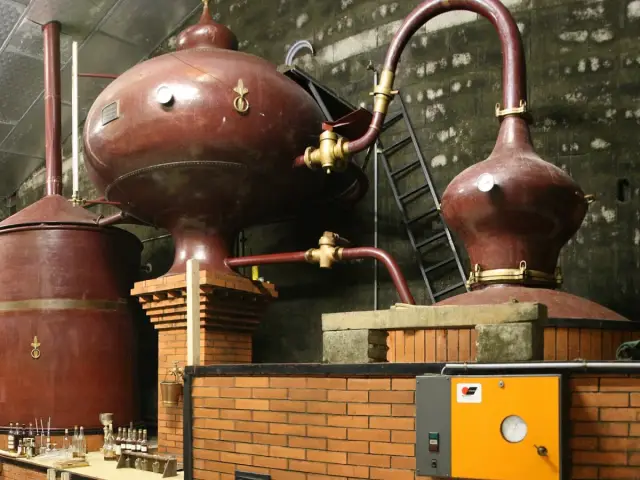 Spirits
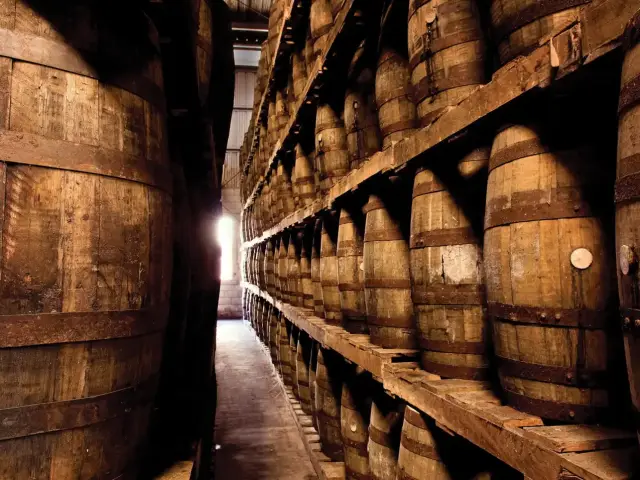 Aperitifs and specialities
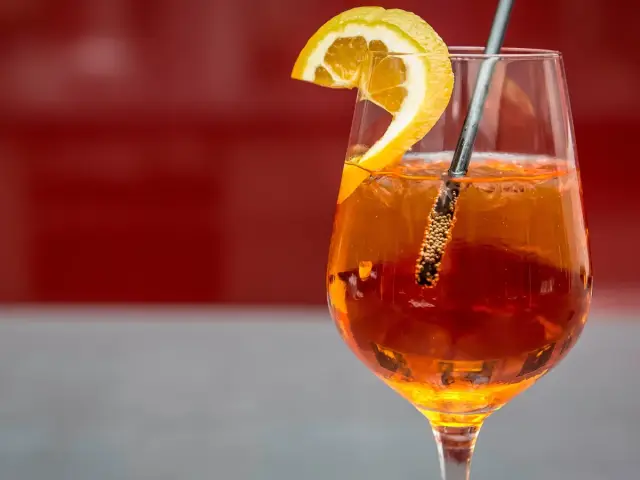 Alcohol-free
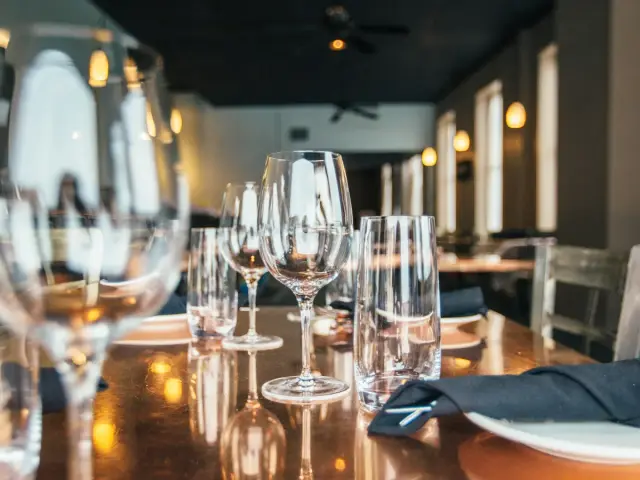 Glasses and more
 Partnerships