The short answer to this question is on the question page What is amaro?. Below you can read the full story behind it.
Of the 105 bitters we stock in Bathmen, fourteen come from Italy. Six of them have the word amaro on the label. In Italian that word means nothing more than bitter, and that is precisely the problem: on its own it says almost nothing about what is in the bottle.
There is definitely a system to it. Amaro is made in a fixed way, and the trade divides the bottles into families that you can recognise by the percentage and the main ingredient.
Amaro is macerated, not distilled
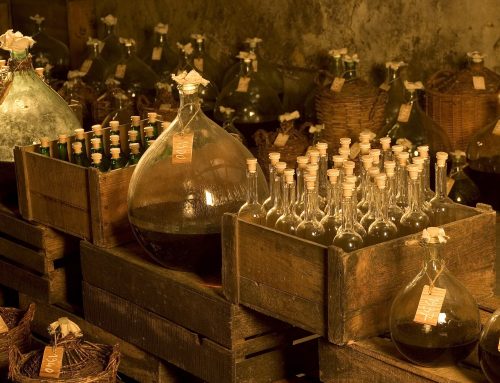
Whereas whisky and cognac come out of a still, amaro comes out of a vessel of alcohol with something steeping in it. That is called macerating. Herbs, roots, flowers, bark, vegetables and citrus peel go into neutral alcohol or wine and stay there until the alcohol has absorbed the bitter compounds and aromas.
The filtrate is then mixed with sugar syrup and the mixture is left to mature, in cask or in bottle. No distillation is involved. That explains why amaro can be so dark in colour and why it is sweet and bitter at the same time: the sugar goes in deliberately.
The alcohol content of amaro lies roughly between 16 and 40 per cent. On our own shelf it runs from 16.5 per cent for Cynar to 39 per cent for Fernet-Branca, and those are exactly the two extremes of the families.
The families at a glance
The classification used by the drinks trade and bartenders has around six families. You will come across four of them most often.
Light. Lighter in colour than the rest, with more pronounced citrus. Nonino from Friuli and Florio from Sicily belong here. This family is not in our bitters cabinet; what we stock from Nonino is grappa, not amaro.
Medium. The largest group, traditionally around 32 per cent, with a balance of bitter, sweet and citrus. Montenegro, Ramazzotti, Averna and Lucano fall into this group.
Fernet. More sharply bitter than the other families, with much less sweetness as a counterweight. Fernet-Branca is the best-known example.
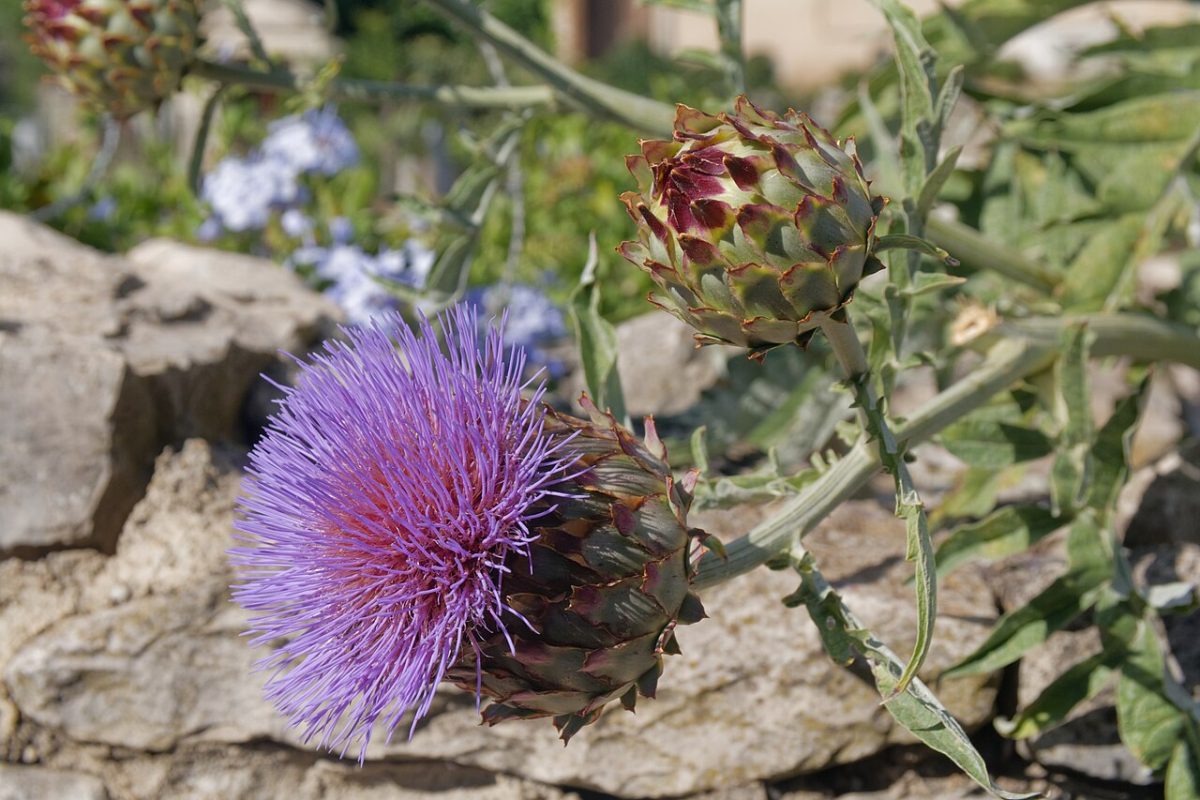
Carciofo. Made with artichoke, usually around 17 per cent. Cynar is the bottle that single-handedly made this family famous.
There are also two smaller corners. Alpino is made with alpine herbs and is also around 17 per cent; Braulio is the textbook example. Rabarbaro revolves around Chinese rhubarb, with Zucca from Milan as the oldest and best-known name.
Where they come from
What is almost never mentioned is that these houses come from very different corners of Italy. The families say something about the style; the region says something about the history.
Averna comes from Caltanissetta, in the middle of Sicily. Salvatore Averna received the recipe in 1859 from the prior of a monastery and started making it himself in 1868. The bottle is now at 29 per cent; it used to be 32.
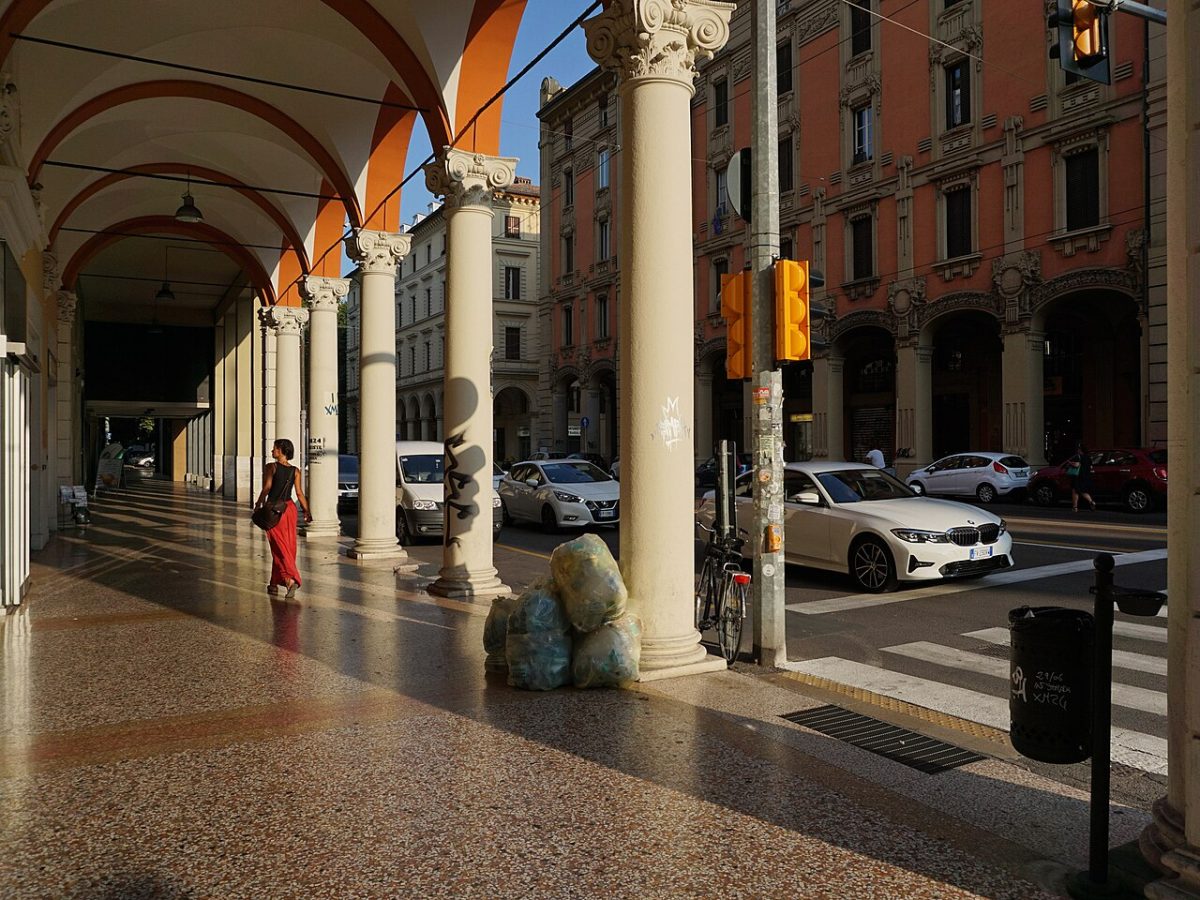
Montenegro comes from Bologna, in Emilia-Romagna. Stanislao Cobianchi launched it in 1885, with a blend of forty botanicals. It is bottled at 23 per cent.
Ramazzotti comes from Milan, where Ausano Ramazzotti made it in 1815 from 33 herbs, spices, flowers and fruits. Among the ingredients the house itself names are Italian sweet orange peel, gentian, rhubarb, turmeric and rosemary. It is bottled at 30 per cent and is now bottled in Canelli in Piedmont.
Fernet-Branca also comes from Milan, where it was created in 1845 by Bernardino Branca. It contains 27 ingredients, including Chinese rhubarb, aloe ferox, saffron, myrrh and chamomile. It spends a year in oak casks and is bottled at 39 per cent.
Vecchio Amaro del Capo comes from Limbadi in Calabria, from the house of Caffo, with 29 botanicals from southern Italy and 35 per cent on the label.
The percentages on our labels are correct
What stands out when you compare the manufacturers' details with our own shelf: the numbers match exactly. Montenegro 23, Cynar 16,5, Ramazzotti 30, Vecchio Amaro del Capo 35, Fernet-Branca 39. That is no coincidence, but it is the reason that with amaro you can already tell from the percentage which family a bottle belongs to.
Averna is the exception that proves the rule. We have two: the litre bottle at 29 per cent and the 70 centilitre Amaro Sicilliano at 32. Over the years the house has lowered the strength from 32 to 29, and on our shelf those two labels simply stand side by side.
Amaro is not a protected name
Here we have to be honest about what the classification is worth. Amaro is not a protected regional name and not a legally defined category, as cognac and jenever are. There is no minimum number of herbs, no prescribed maceration time and no fixed region.
The families are therefore a classification of the trade and the bar, not of the legislator. A house is not obliged to say which family its bottle belongs to, and most do not. What a house often does mention is the number of botanicals, and that figure on its own says nothing about how bitter the bottle is.
That does not make the classification worthless. In practice, the percentage plus the main ingredient gets you a long way: below twenty per cent you are in artichoke or alpine herbs, around thirty in the medium group, and above thirty-five among the fernets.
Where to start
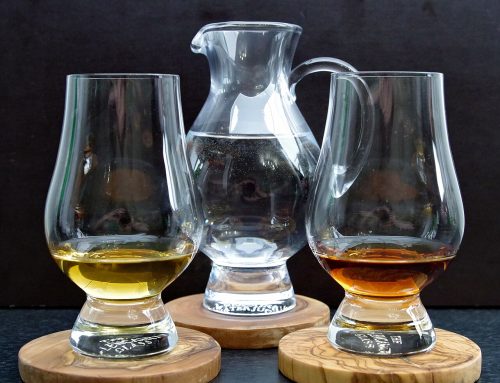
If you want to learn to tell the families apart, it is best to put three bottles side by side that are far apart: a carciofo, a medium and a fernet. Then you can taste what the classification is about, and you will not need a glossary.
Looking for an amaro from a particular region or family? Drop in or call 0570 541 278. We check for each bottle what the house says about its composition, and where it says nothing, we tell you that too.
Keep browsing
Our entire stock of bitters is on our bitters page, and with the wine and spirits shop's search engine you can browse everything. Houses we stock include Averna, Montenegro, Ramazzotti, Fernet-Branca, Cynar and Vecchio.
How the Italian aperitif bitters differ from each other is explained in Aperol or Campari. Why one bottle is called a liqueur and another a bitter, we explain in liqueur or likorette. The full liqueur page is there too.
The Netherlands has its own herbal bitter: beerenburg or berenburg.