The short answer to this question is on the question page What is Beerenburg?. Below you can read the whole story behind it.
Of the 105 bitters on our shelf in Bathmen, 22 are a beerenburg. On nineteen of those labels the name is spelled with a double e, and those nineteen come from twelve different houses. On three it is spelled with one e, and those three all come from the same house: Sonnema.
That is how short the answer is to the question of which spelling is correct. Both are on the shelf, both are in use, and which one a house chooses has a reason that has nothing to do with the contents of the bottle.
The name comes from a man, not a region
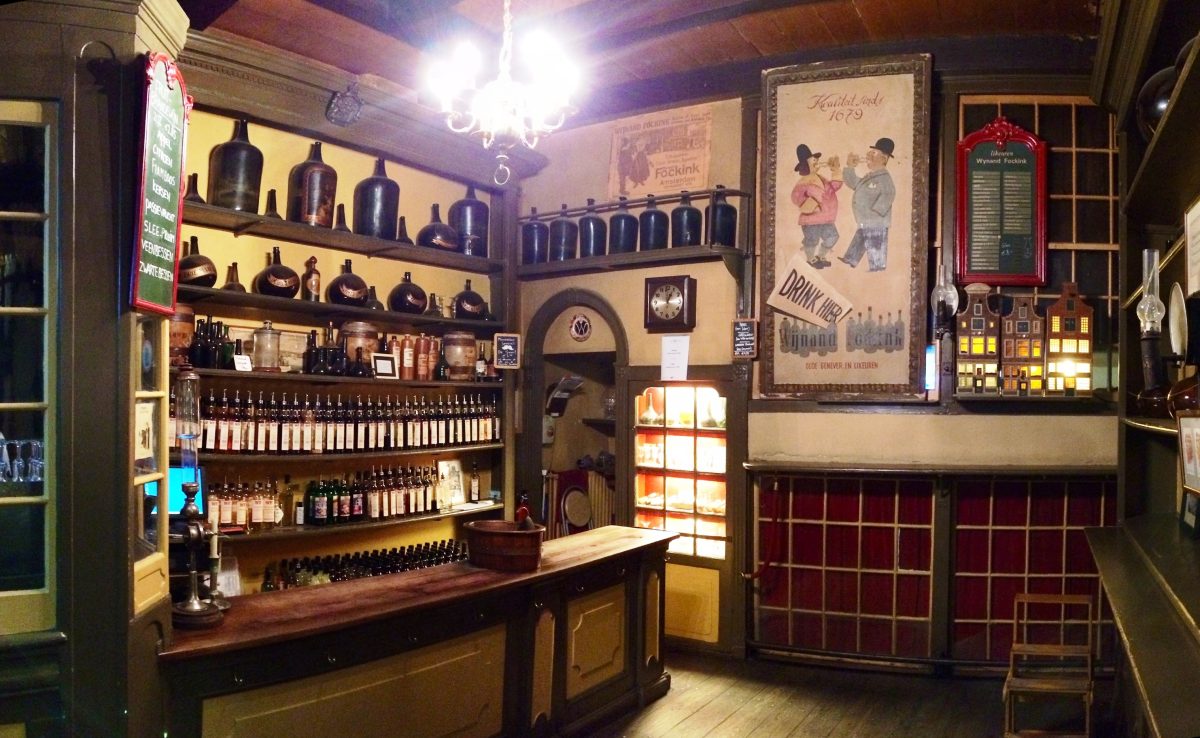
Beerenburg is named after Hendrik Beerenburg, a herb merchant in Amsterdam. In 1724 he opened his own business at Stromarkt 6. Above the door was a depiction of a bear coming out of a castle, a pun on his own surname.
So it is a personal name and not a regional name. That matters, because with drink names such as cognac, champagne or Scotch whisky the name refers to an area the drink must come from. With beerenburg that has never been the case.
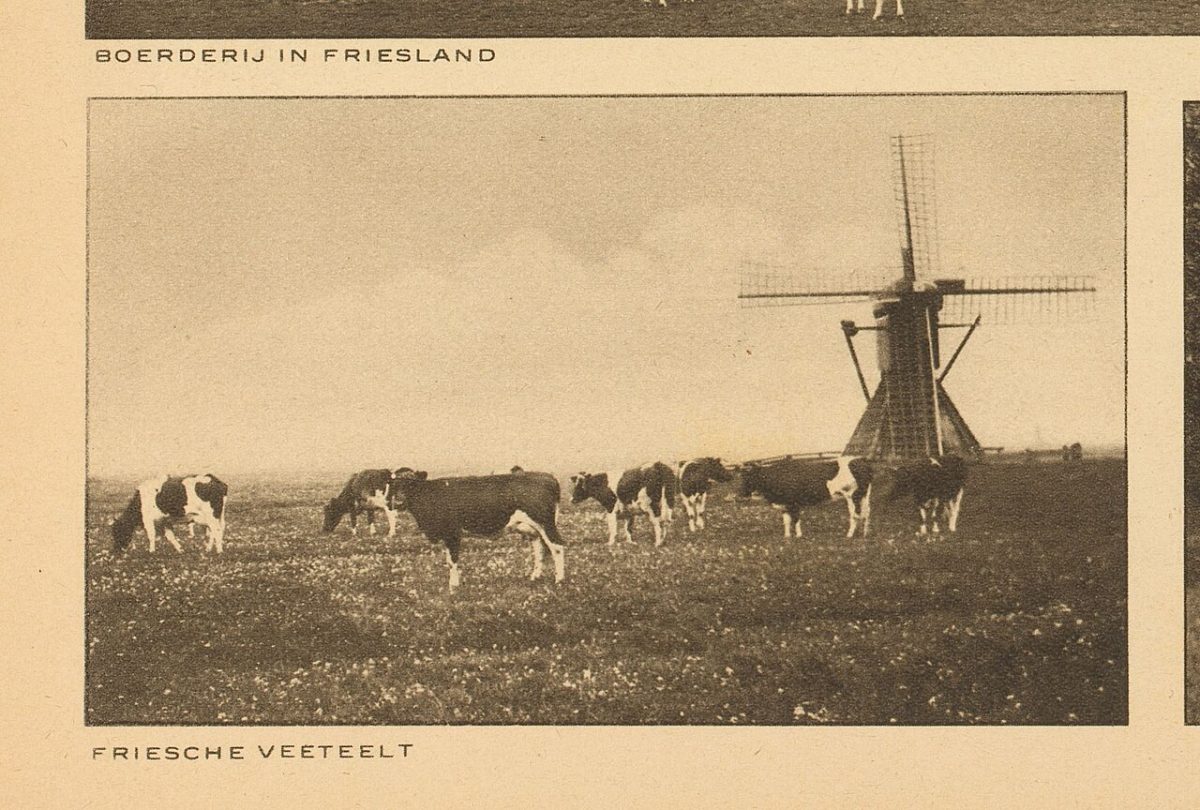
That the drink conquered the north and not Amsterdam is a second matter. Friesland, Groningen and Drenthe became its home territory, and the best-known brands still come from that area today.
Why the second e is there for some and not for others
The answer lies in trademark law. Only drinks made with Hendrik Beerenburg’s herb mixture were allowed to bear the name with the double e.
Distilleries that later made something similar with their own recipe could not simply adopt that name. They wrote Berenburg with one e, or Beerenburgh with an h at the end, and so stayed outside the claim of the Amsterdam firm.
In other words: the difference in spelling arose from a naming issue, not from a difference in recipe, strength or region. Anyone who thinks one spelling indicates a stricter type is looking for a rule that never existed.
What the spelling still says today
Virtually nothing, and you can see that on our own shelf. Sonnema, the only house that uses the single e, also uses the double one itself: next to Sonnema Berenburg at 30 percent stands the Sonnema 1860 Beerenburger at 35 percent. One house, two spellings, two strengths.
And there is a third variant. Van Wees bottles a Kruidenbitter Hendrik van Beerenburgh, with an h at the end, named after the man himself. Three spellings on one category page.
A sober observation belongs here: beerenburg is not a protected regional name and there is no legally defined recipe. There is no prescribed list of herbs, no compulsory region and no minimum number of herbs. Each house decides for itself what goes in.
What goes into it
The base is jenever: grain alcohol with malt wine in it. Herbs are steeped in it cold, so without heating and without a second distillation round. After steeping, the whole is filtered and brought to strength.
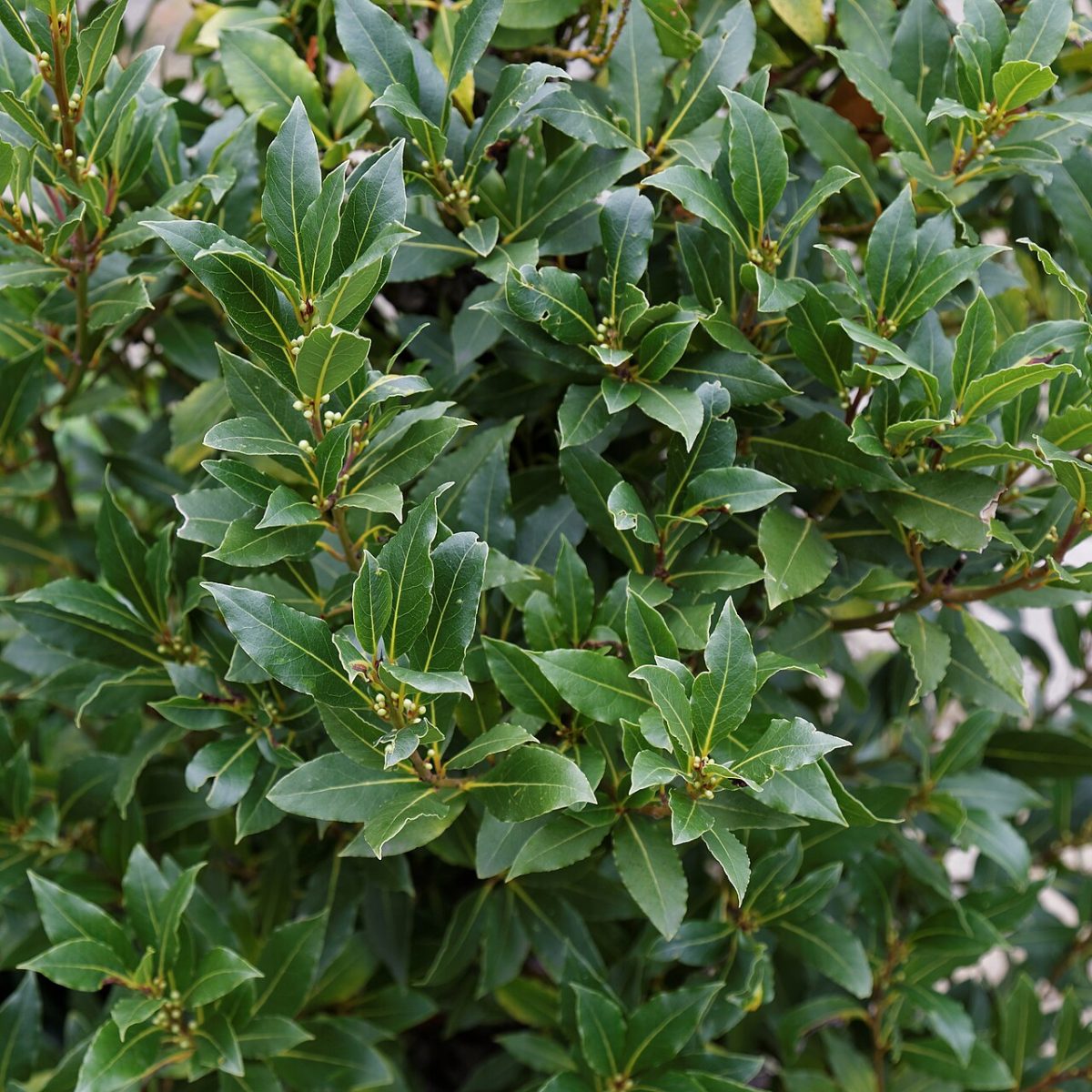
The blends are secret at every house, but some are willing to say something about them. Hooghoudt has made a Kalmoes Beerenburg with 77 herbs since 1973, with calamus root at its core. The house also names bay leaf, gentian root and orange and lemon extract, and says the whole thing steeps for three weeks. “We do not make an ordinary Beerenburg but Kalmoes Beerenburg”, the distillery itself writes.
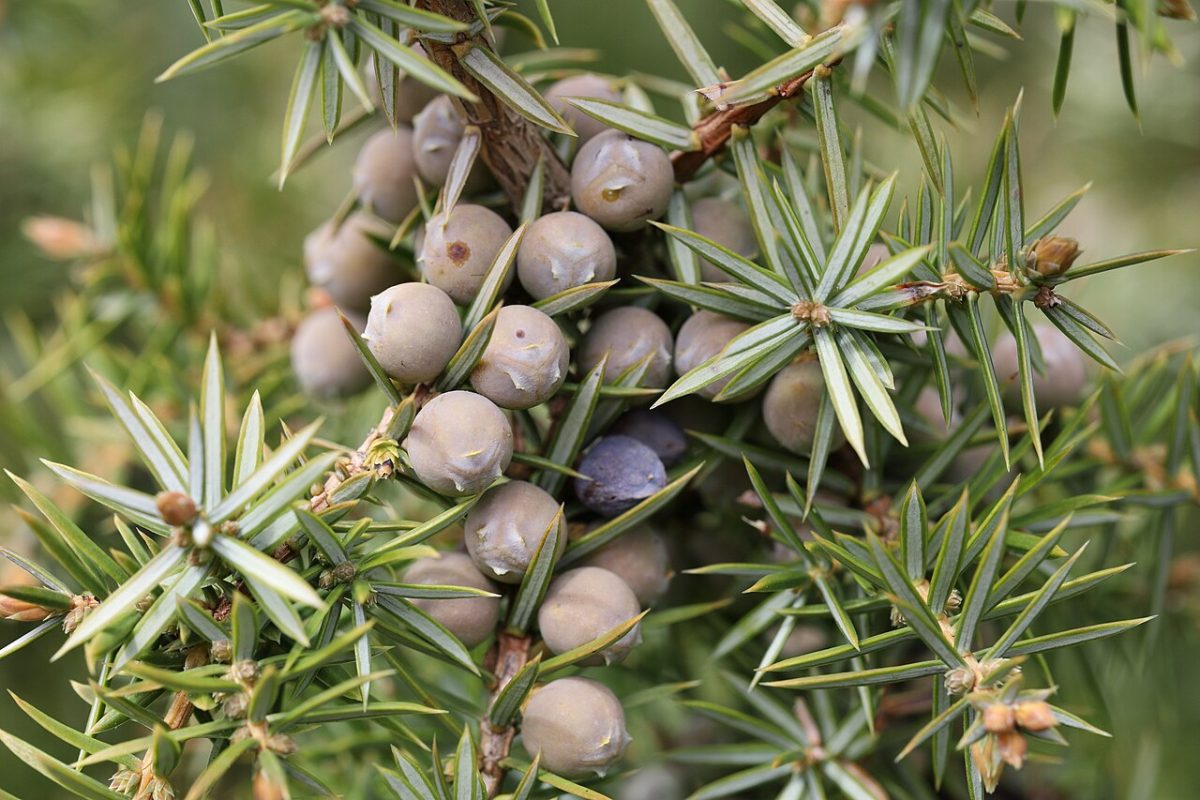
Those three names come back in almost every story about beerenburg: bay leaf, gentian root and juniper. What a house adds besides these, and in what proportion, is exactly the part that nobody reveals.
Not every beerenburg comes from Friesland
Of the twelve houses with the double e on our shelves, at least one does not come from Friesland. Hooghoudt is a Groningen company, started in 1888 in a small cellar on the Oosterstraat in Groningen by Hero Jan and Grietje Hooghoudt, and still in family hands.
Weduwe Joustra is based in Friesland, in Sneek, and has been making beerenburg there for well over a hundred and sixty years. We carry four bottles from that house, in four different strengths.
That is the second misconception, which is linked to the first: the name is not a Frisian regional name, and in practice it does not come exclusively from Friesland either.
The strengths vary more than you think
Thirty percent is the usual strength and the most common figure on our shelf. But it is not a rule.
Woolderink is at 31 percent, Weduwe Joustra at 32 and at 35, the Sonnema 1860 at 35, the two bottles of Joustra Beerenburg at 38, De Sjirurch at 40 and the Weduwe Joustra Jubileum at 43. That is a difference of thirteen percentage points within a single type of drink.
If strength matters to you, you therefore need to check the label of each bottle. The name does not tell you, and the spelling certainly does not.
Where to start
If you want to know how far apart two beerenburgs can be, pick two of the same strength but from different houses. Then you are comparing the herb blends and not the alcohol percentage.
If you are looking for a particular house or a particular strength, drop in or call +31 570 541 278. We check for each bottle what the distillery itself says about its composition, and where nothing is said, we say so too.
Keep browsing
The entire stock of bitters is on our bitters page, and with the search engine of the wine & spirits shop you can browse everything. Houses we carry include Sonnema, Weduwe Joustra, Boomsma, Hooghoudt, Gorter and Van Wees.
Because the base is jenever, the jenever page is the logical next step, and how that jenever is distilled is covered in how jenever is distilled. Why one bottle is called liqueur and another bitter, we explain in liqueur or likorette, and the whole liqueur page is there as well.