The short answer to this question is on the question page What is a cocktail bitter?. Below you can read the whole story behind it.
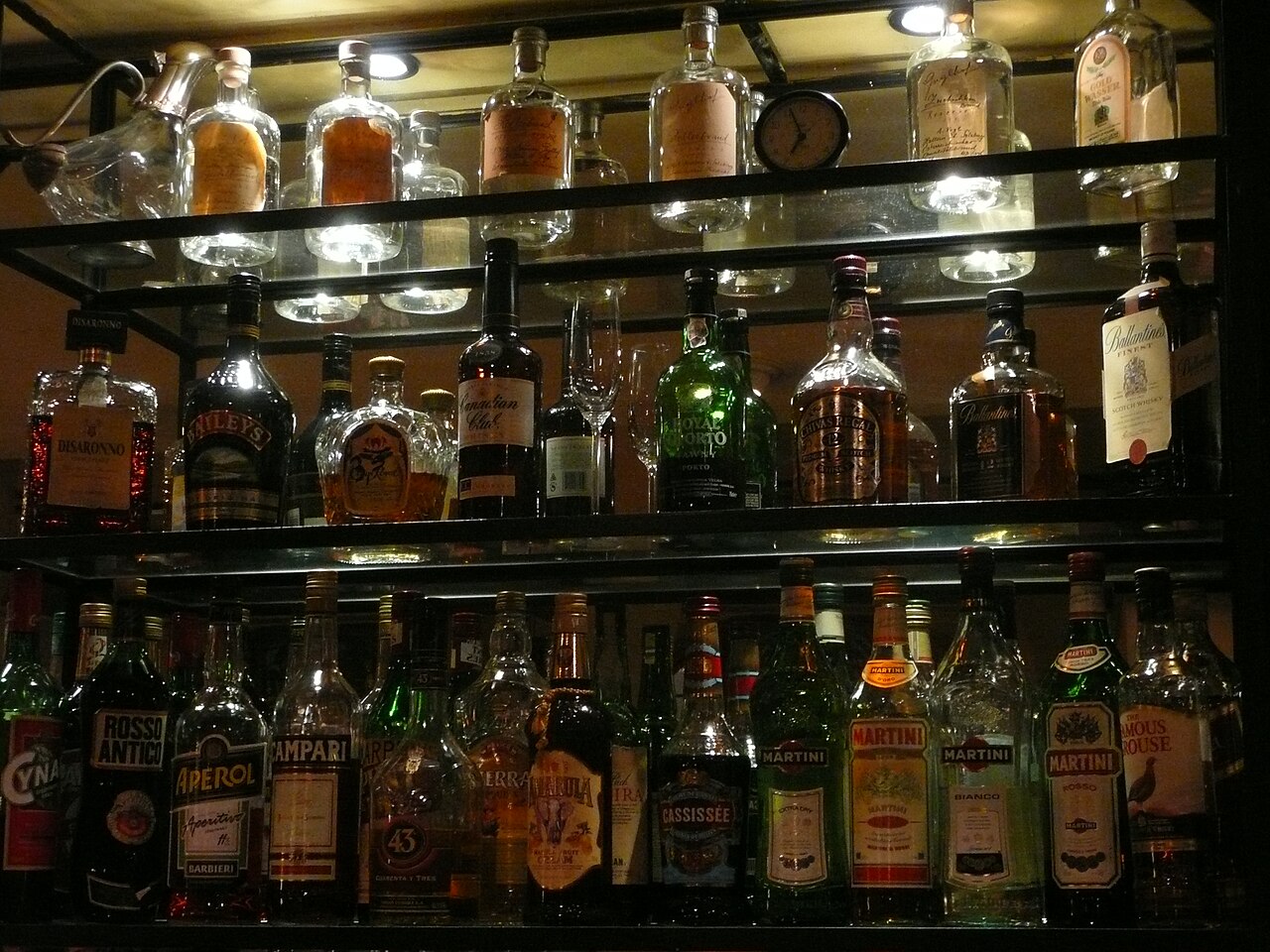
In our bitters cabinet in Bathmen there are 105 bottles from 57 brands. Four of them are not meant to be served as a drink. They are cocktail bitters, and all four come from the same house: Angostura.
That they are in the same category as Jägermeister and beerenburg is not a mistake of the webshop. The word bitter covers two very different things, and the bottle itself reveals which of the two you are dealing with.
The size reveals what the bottle is for
Of our 105 bitters, eleven come in 25 centilitres or less. All the others come in 70 centilitres or one litre, and a few even in three litres.
Four of those eleven small ones are the Angostura bottles: the regular Angostura Bitter at 20 centilitres, the 200 Year Anniversary at 20, the Cocoa Bitter at 10 and the Orange Bitters at 10. A bottle that small is small for a reason. Almost nothing comes out each time.
Dashes versus a small glass
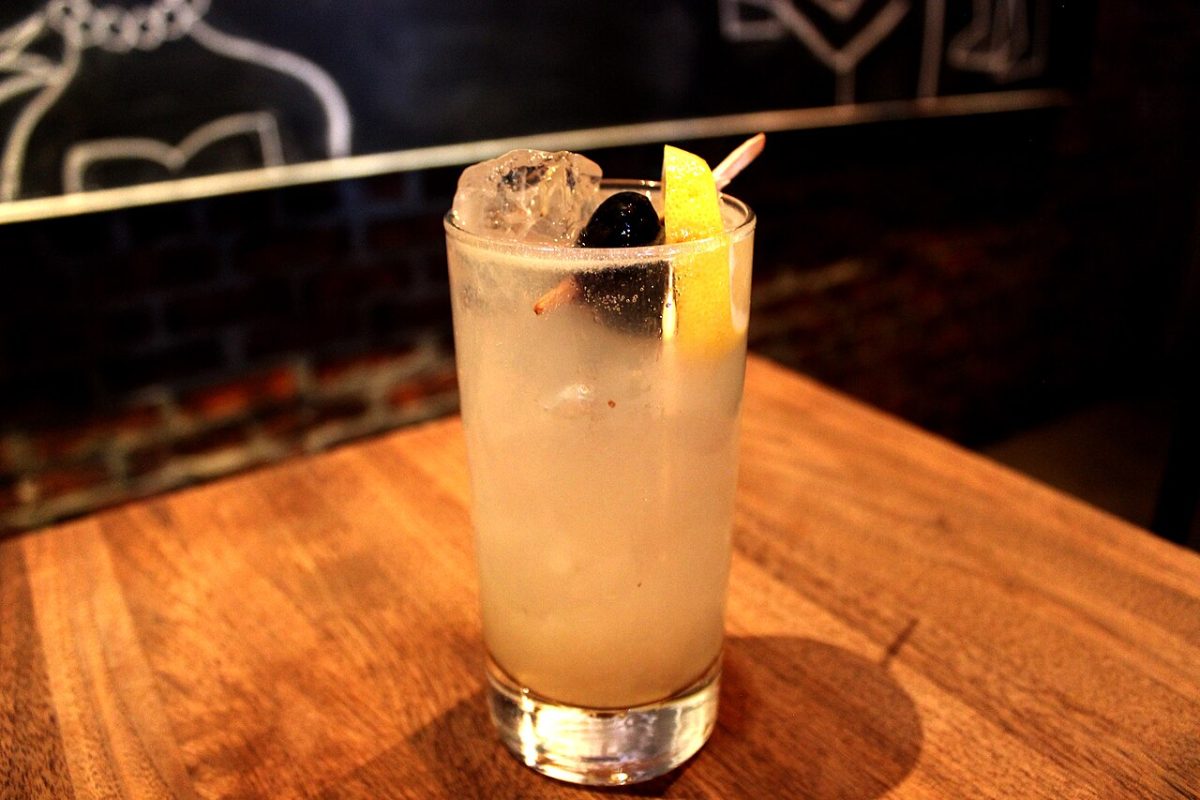
Cocktail bitters go in by the dash. A few drops up to a small dash per drink, and you are already at the upper end. In an old fashioned, a manhattan or a pink gin that is its whole role: the bitter edge that holds the rest together.
They are not meant to be drunk neat. Herbal bitter, on the other hand, is. It goes into a small glass, cold from the cupboard or from the freezer, and is drunk in one go.
That is the whole difference, and it appears on neither label. Anyone not expecting it buys a twenty-centiliter bottle expecting a drink inside.
That also has a practical consequence. A bottle of cocktail bitters lasts a long time, precisely because so little is used each time. A bottle of herbal bitter is an ordinary bottle for drinks that empties just as quickly as a bottle of jenever.
Why 44.7 percent means something different here
Angostura Bitter is at 44.7 percent. That is higher than almost everything else in the cabinet: the median across our 105 bitters is 30 percent.
Yet that figure means something different here. It is on the bottle, not in the glass. A dash goes into a drink, not a glassful, so what ends up in the final drink from that 44.7 percent is a fraction.
In such a bottle, the alcohol mainly has a function: it is the means by which the herbs and bark are extracted and by which the extract keeps. That also explains why the percentage varies within Angostura itself. The Orange Bitters is at 28 percent, while the Cocoa Bitter and the 200 Year Anniversary are both at 48.
Where Angostura comes from, and what is not in it
The recipe is by Johann Gottlieb Benjamin Siegert, a German doctor. He sold it from 1824 and added a distillery in 1830. That happened in the town of Angostura in Venezuela, which is today called Ciudad Bolívar. That is where the name comes from.
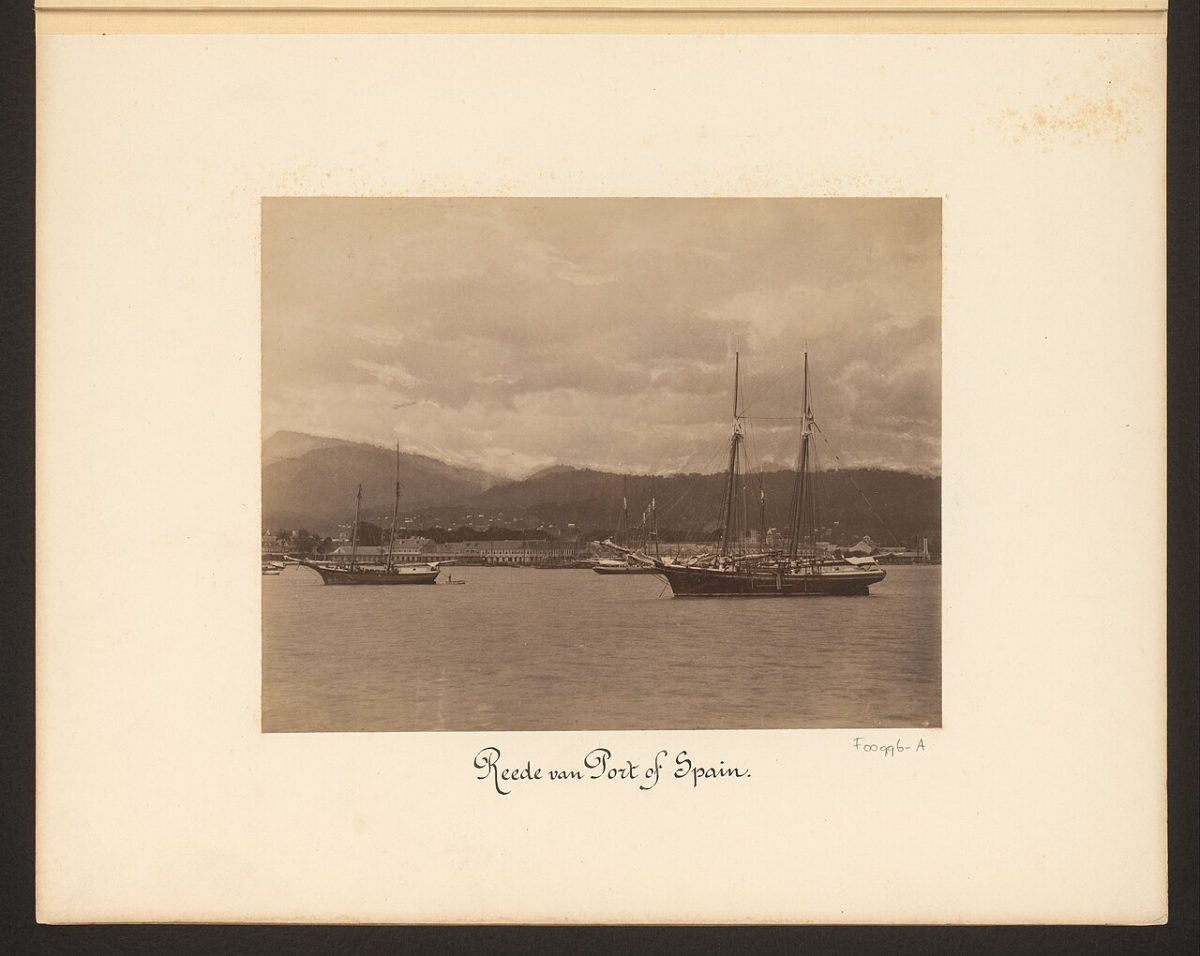
In 1875 his sons moved production to Port of Spain on Trinidad. The house is still there.
And then the point that almost nobody mentions: there is no angostura bark in Angostura. The name refers to the town, not the plant. There are other brands of cocktail bitters that do use that bark, which makes the confusion complete.
Herbal bitter goes into a small glass
The rest of the cabinet is made for whole glasses, and there the percentage climbs neatly: beerenburg around 30 percent, Jägermeister at 35, Fernet-Branca at 39, Underberg at 44 and Petrus Boonekamp at 45.
Underberg is the exception that proves the rule by turning it around. It is sold in 2 centilitre bottles, so in the size of a cocktail bitters, but the bottle is the serving and not the dose. We stock three packs of it: a single bottle, a set of three and a tin of twelve.
So anyone going by size alone gets Underberg wrong. Anyone going by percentage gets Angostura wrong. The question you should ask is simpler: is this bottle going in the glass, or into a drink?
Why they are nevertheless grouped under the same heading
In the Netherlands, bitter has become a collective name. In the shop, cocktail bitters and herbal bitters stand on the same shelf, and in the webshop they are in the same category. That is convenient for looking things up.
But it is also precisely the reason why the confusion persists. There is no designation on the label that says: this goes in per dash. You have to know it, or ask someone.
The difference can also be seen in the cabinet itself, by the way. Our four cocktail bitters together hold sixty centilitres, less than one litre bottle of Jägermeister. Yet they are four separate products for four different uses, and that is simply how this corner of the shelf works.
Where to start
If you have to choose, look at the volume first. Ten or twenty centilitres almost always means the bottle is meant for dosing. Seventy centilitres or a litre means it is for pouring.
If you are unsure about a bottle, drop in or call +31 570 541 278. We check for each bottle what the producer says about it, and where nothing is said, we tell you that too.
Keep browsing
Our whole bitters stock is on our bitters page, and with the wine & spirits shop search engine you can go through everything. Brands we carry include Angostura, Jägermeister, Underberg, Petrus Boonekamp and Fernet-Branca.
How the Italian herbal bitters are classified is explained in amaro and its families, and the difference between the two best-known aperitif bitters in Aperol or Campari. Why one bottle is called a liqueur and another a bitter, we explain in liqueur or likorette. The full liqueur page is there too, and for the gin these dashes often go into there is the gin page.
A bitter with a history of its own is absinthe: what is true about the green fairy.