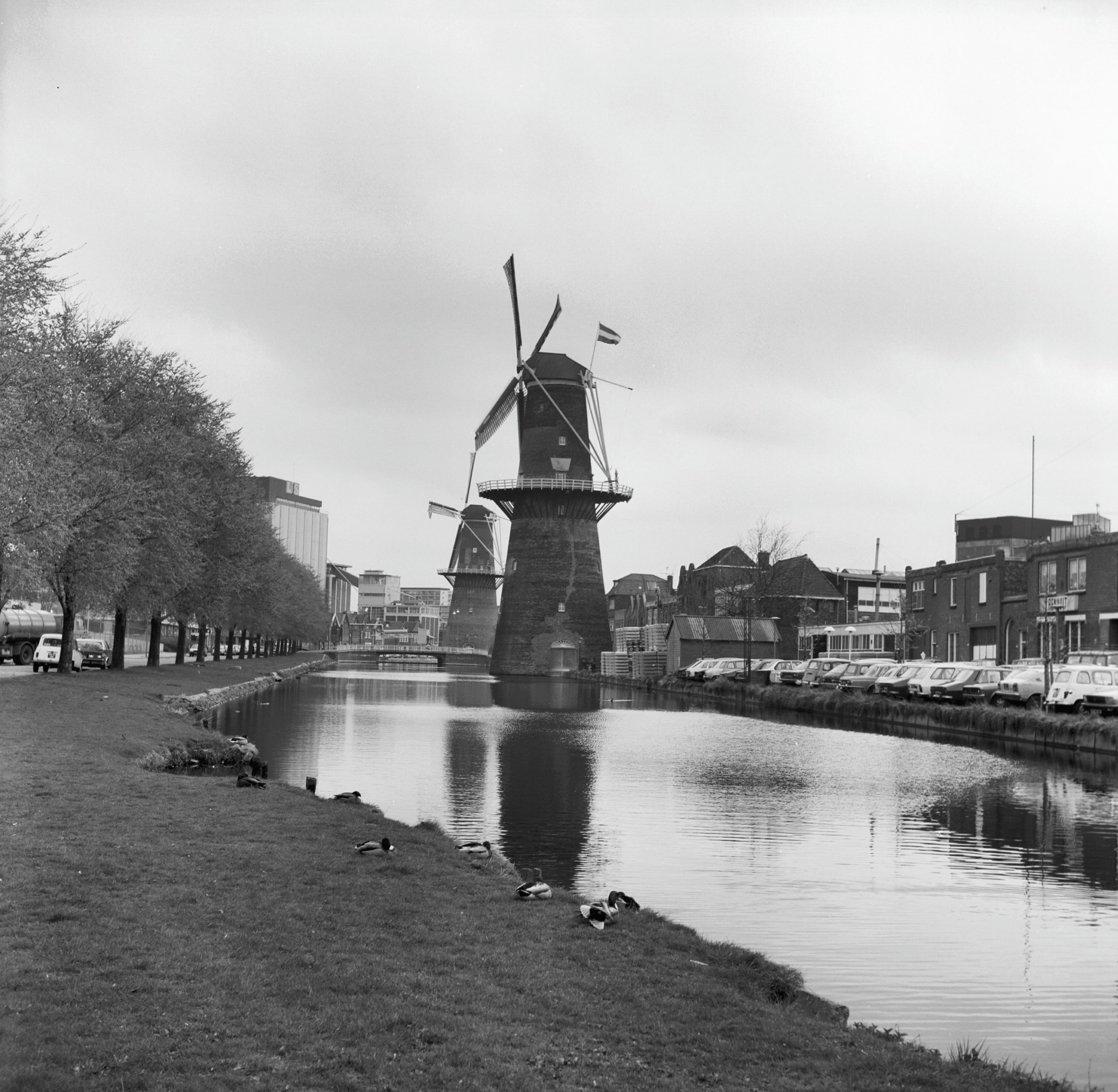
We have one hundred and eighty-eight jenevers, from forty-eight brands. They differ enormously from one another, and yet they all come from the same blueprint. Making jenever is not one process but three tracks that only come together at the end: a grain distillate, a herb distillate and neutral alcohol.
Anyone who has gone through that blueprint once reads every genever label differently afterwards. Below, we go through it step by step.
Step 1: from grain to mash
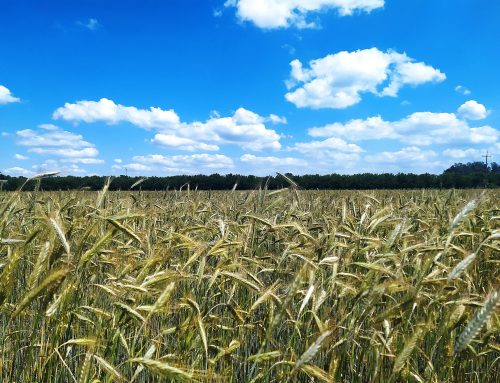
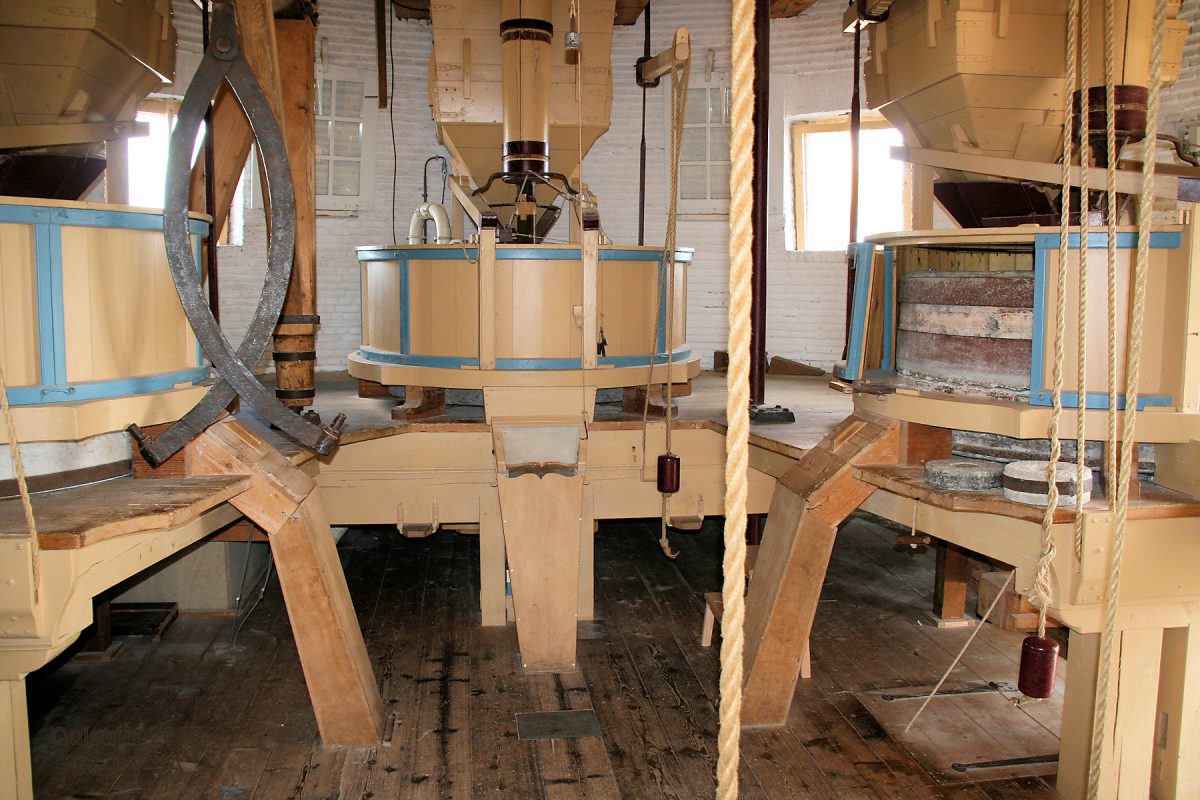
It starts with barley, rye and corn. The barley is malted first: it is moistened and made to germinate, and as soon as that is under way it is dried. That germination releases enzymes that can convert starch into sugar, and without those enzymes there is nothing to ferment.
The malt then goes with water to the unmalted rye and corn. The enzymes from the malt break down the starch of all that grain into sugar. In the nineteenth century potatoes and later sugar beets were also brought in, but for moutwijn grain has remained the norm.
Then the yeast goes in, and it turns the sugar into alcohol. What you are left with is a kind of unhopped beer. That is called wash, and it is the starting point for the still.
Step 2: distilling three times to malt wine
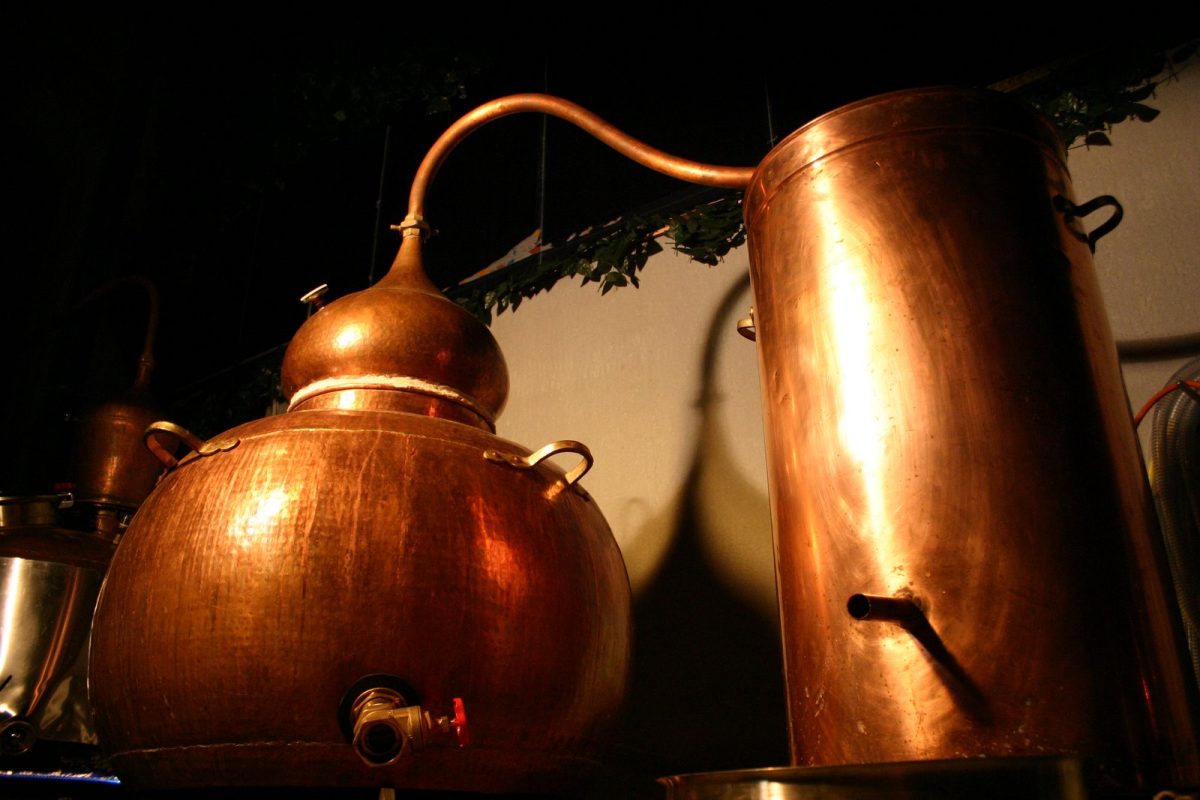
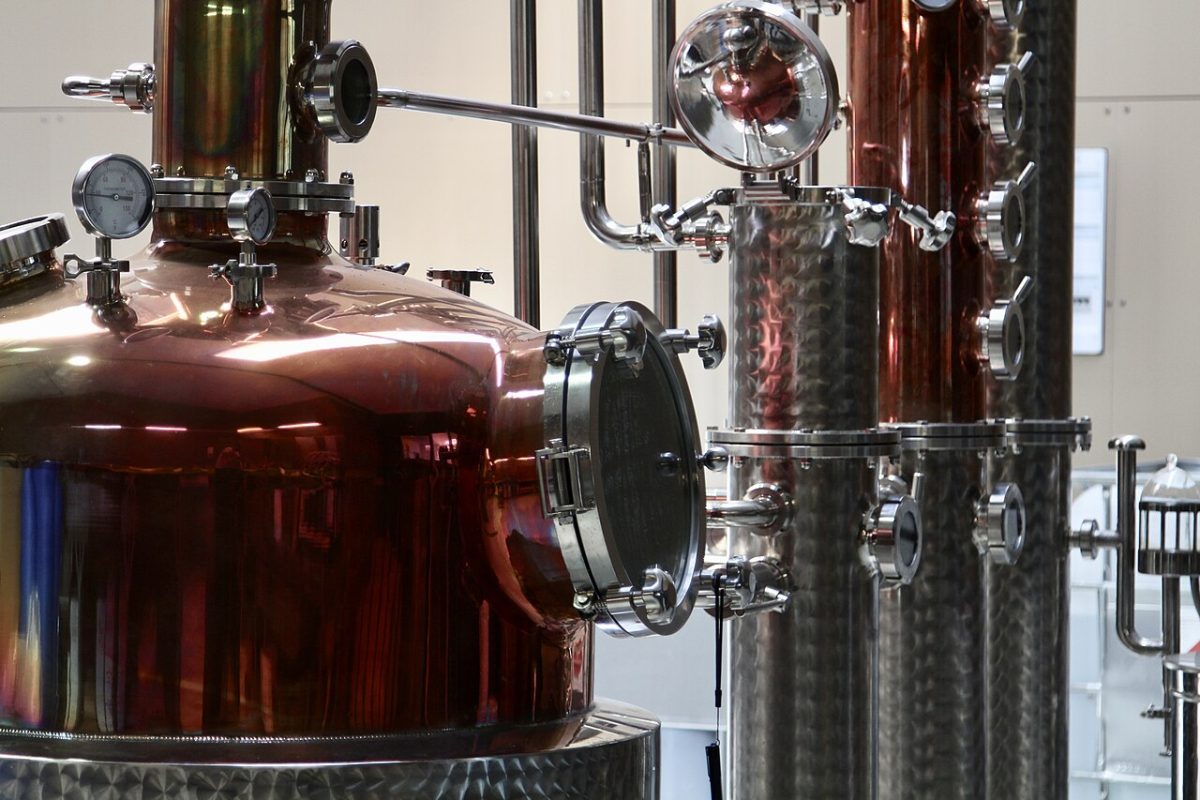
The mash goes into a copper still, and there it is distilled not once but three times. Each round has its own name.
- After the first distillation you have low wines, about twenty percent alcohol.
- After the second you have enkelnat, about thirty per cent.
- After the third you have bestnat, and that is malt wine: forty-six and a half percent.
What remains in the still after the first run is called spoeling, the spent wash. It went to the pigs, and that income kept the distilling of moutwijn affordable for centuries. It was no coincidence that in the Netherlands and Belgium the distillery and the pigsty often stood on the same farmyard.
Malt wine is the heart of the whole story. Everything that sets jenever apart from vodka is in it: the grain, the copper, the three rounds, and the choices the distiller makes about where to cut the heads and tails of the distillate.
Step 3: adding the juniper berry
The juniper berry is not added by throwing it into the bottle. It is distilled along with the rest.
The classic way: you take malt wine, add juniper berries and distil again. What you then get is called gebeide jenever. If you distil malt wine once more without berries, you get distilled malt wine of about seventy-five percent. Those are two semi-finished products that the distiller blends with.
Besides juniper, other botanicals often go into the still. In the recipes you will come across wormwood, coriander, caraway and St John's wort. Every house has its own blend, and that is usually the best-kept secret of the business.
In Belgium that differs from region to region. In Limburg the juniper berry is combined with regional herbs, in Wallonia the juniper flavour is fine and restrained, in East and West Flanders the emphasis is on the pure grain flavour, and Antwerp experimented with overseas spices from its port.
Step 4: the neutral alcohol and the blending
Here comes the step that most people do not expect. In almost every modern genever, neutral alcohol goes in alongside the malt wine. It is not made in a pot still but in a column, continuously instead of batch by batch, and comes out at about ninety-six percent. You cannot get it any further, because at that percentage ethanol holds on to four percent water that will not come out.
That neutral alcohol is virtually tasteless. It is there to dilute and to keep the price down, and since it became available at the end of the nineteenth century it has become the main component of almost all jenever. As a result, between 1890 and 1910 virtually all the classic distilleries disappeared.
The last thing that happens is blending: malt wine, matured jenever, neutral alcohol and water are combined in the desired proportion. That proportion determines what the bottle may be called. Up to fifteen percent malt wine it is young jenever, from fifteen percent old jenever, from fifty-one percent corenwijn.
Branderij, distilleerderij, stokerij
The three words do not mean the same thing, and that explains a lot.
A branderij, or malt wine distillery, makes malt wine. That is where the malt house, the fermentation vats and the stills are, and what comes out is a semi-finished product that is almost never sold as such. A distilleerderij buys in that semi-finished product, redistils it with botanicals, blends and bottles it. A jenever distillery is a business that does both.
That distinction is the reason why two brands can come from the same still. The number of distilling houses is small, the number of distilleries larger. A large part of the malt wine for Dutch brands comes from East Flanders. Those who do distil themselves usually say so on the bottle, and that is one of the few clues you get for free in the shop.
Where to start
If you want to taste what malt wine does, the quickest route is a bottle whose label says something about it. We have a few that claim one hundred percent malt wine, and one that is explicitly made with rye. Put such a bottle next to an ordinary young jenever and the difference is not subtle.
If you are not sure which one, come by in Bathmen or call 0570 541 278. We will then go through the build plan above with you, but with glasses.
Keep browsing
All jenevers are together on our jenever page, and you can search through them in the search engine of our wine & spirits shop. Distilleries that make their own and are in our range: Zuidam, Rutte, Hooghoudt, Filliers, Kalkwijck, Wynand Fockink and Schermer.
What the proportions mean for the name on the bottle is explained in Young jenever, old jenever and corenwijn side by side. The same juniper berry in a different bottle is the subject of Dutch gin: which distillers are making it here.
You can read what the result of that blending does to the label in Young jenever: what young on the label means, Old jenever and malt wine and Corenwijn: the maltiest jenever.