Of the 482 gins on our shelves, 101 come from the Netherlands, spread across 34 brands. That is well over a fifth of the entire gin range. For a country known mainly for jenever, that is more than you might expect.
And it is no coincidence either. The distilleries now making gin here have, in almost all cases, already got a history with spirits. They already had the stills, the licences and the knowledge when gin came back into fashion a few years ago. They only had to change the recipe.
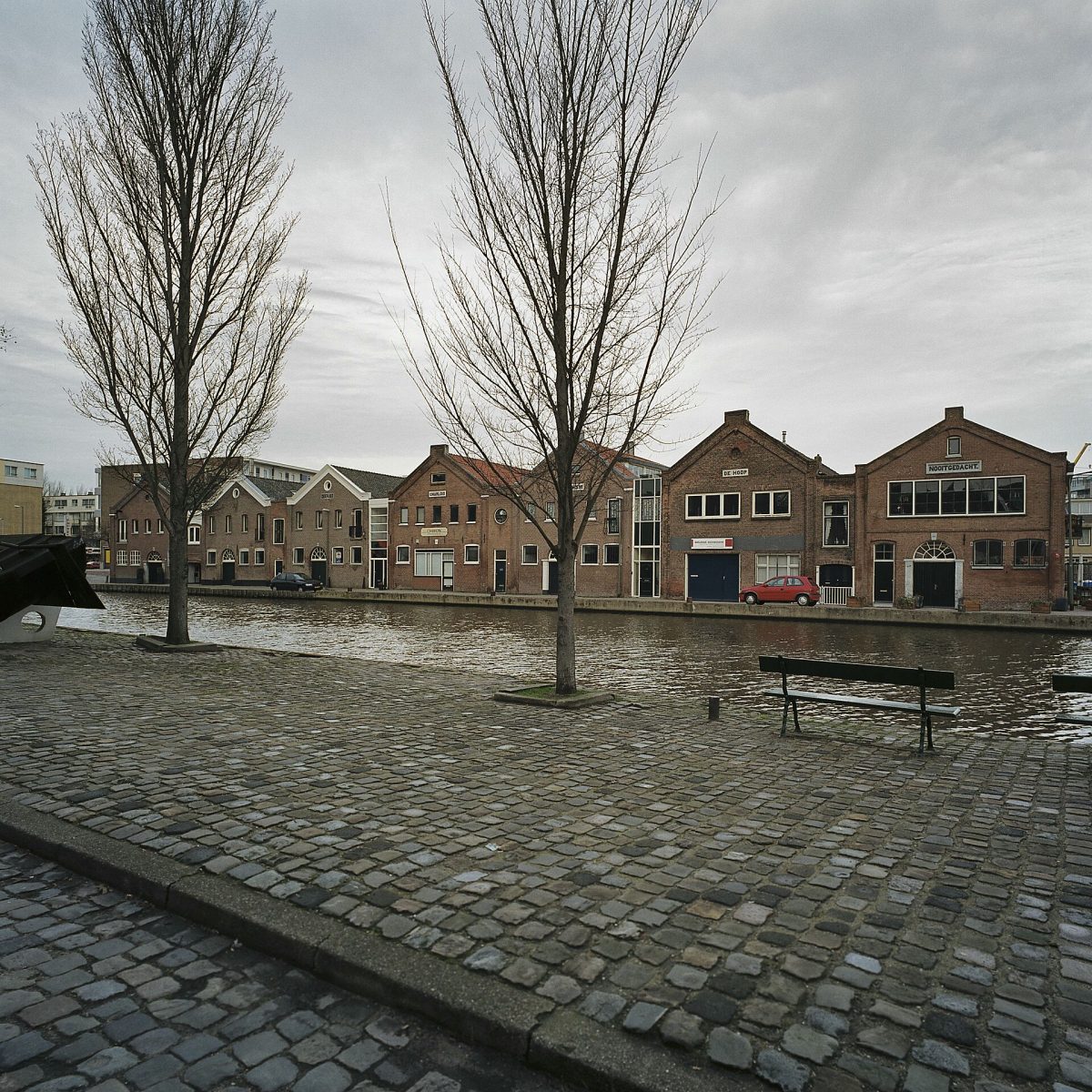
Schiedam, the town where the building still stands
If there is one address the Dutch gin comes from, it is Schiedam. The town lived off distilling for centuries, and it is still visible in the streetscape: warehouses on the water, windmills high enough to rise above the warehouses, and facades with the name of the distillery still in them.
Three of our Dutch gin brands come from there. Bobby’s even puts Schiedam in the product name. Nolet’s is the distillery behind the Noletmolen, which at over forty metres is one of the tallest windmills in the world. And Loopuyt bears a name that belongs to Schiedam’s history.
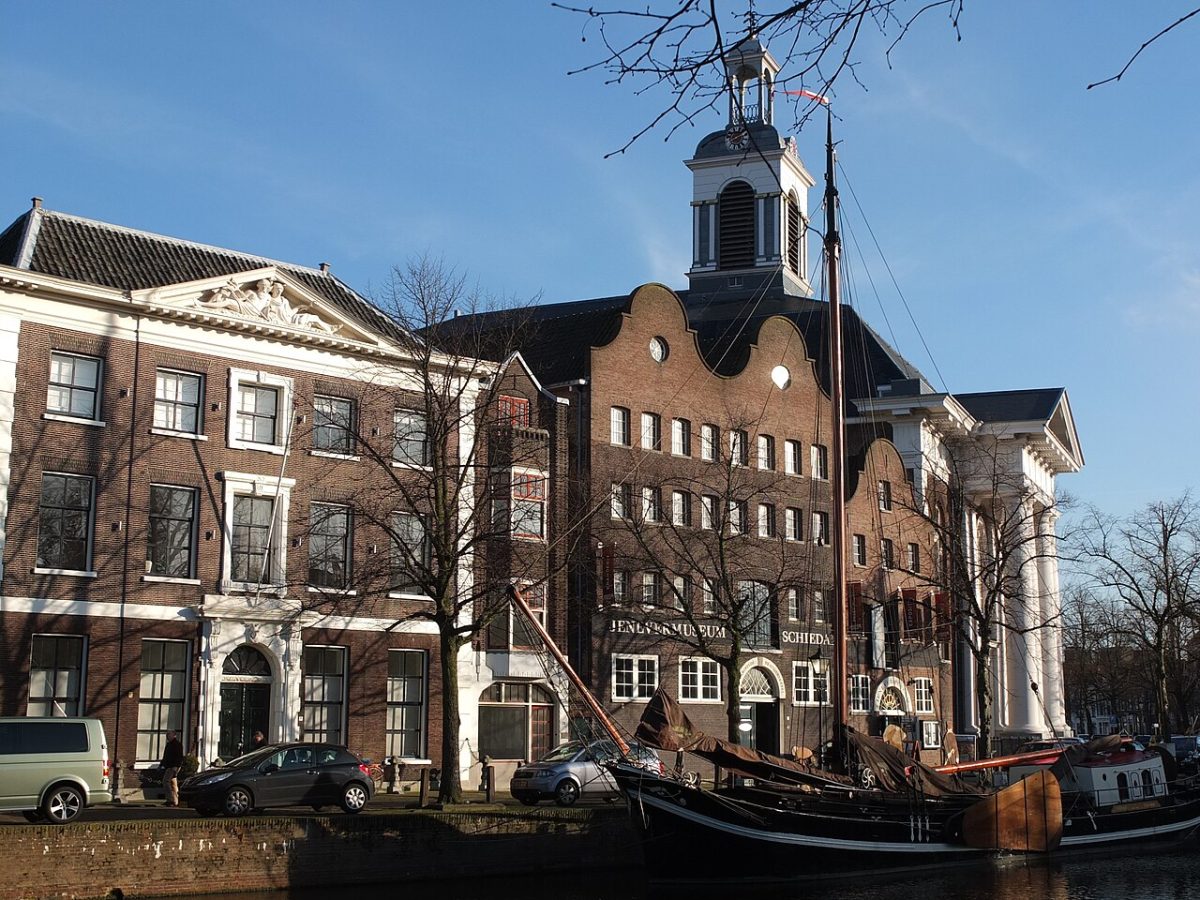
Anyone who wants to see the story for real: on the Lange Haven is the Jenevermuseum, in an old distillery building, with the stills and the malting house still inside.
The big names outside Schiedam
Zuidam distils in Baarle-Nassau and, across our entire range, makes the most types of gin under one roof. We stock three different ones: a dry one, a cask-aged one and the only Old Tom we carry.
Rutte is based in Dordrecht and, besides the dry gin, also makes a sloe gin and two gins with fruit and flowers in them. Van Wees comes from Amsterdam. Damrak carries an Amsterdam address in its name.
In addition, there are names on the shelf you will not know from advertising: Sylvius, Catz, Nobels, Boomsma, De Borgen, Gospel, Hermit, Vossenberg, Voortrekker, Juniper Bird, Gastro, Black Tomato, Sir Edmond, So That Be. Every one a Dutch maker, every one in a small batch.
Distilling in Deventer too
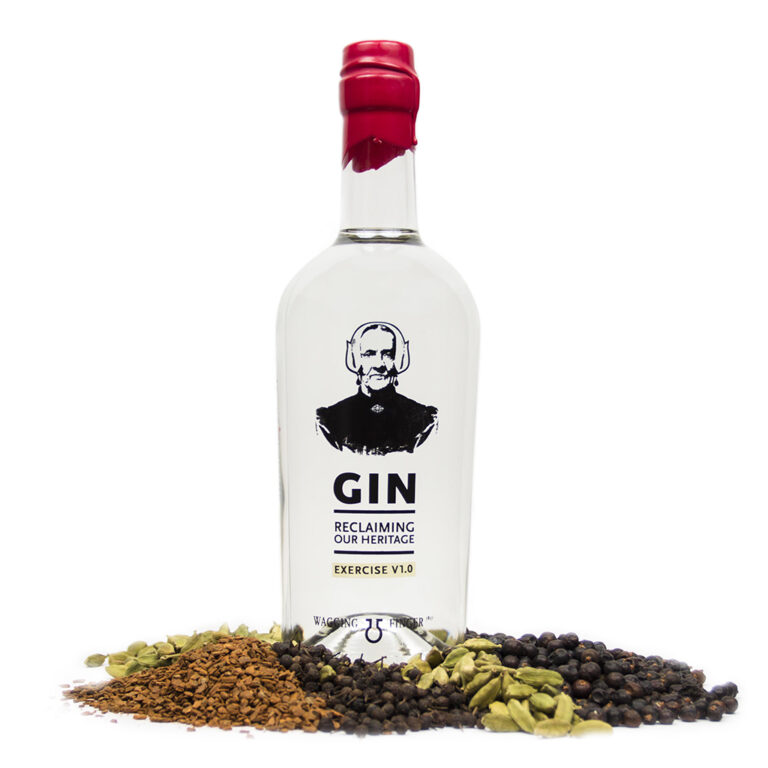
It hardly gets closer to home. Wagging Finger makes gin in Deventer, a quarter of an hour's drive from Bathmen. We stock five of their bottles, including two that have rested in oak casks.
A little further east is Kalkwijck in Twente, which makes both a regular and an aged gin under the name Whisper Man’s. And IJsvogel, De Bronckhorst and Berghorst also come from this part of the country.
That is not a local tale we are making up. It is on the bottles.
Why so many producers joined
That 34 gin brands fit on a shelf in a country of this size has a practical explanation. A distillery that already made genever, liqueur or vieux already had the still, the excise licence and the know-how in-house. For such a company gin is not a new factory but a new recipe.
On top of that, gin needs no maturation. Whisky has to spend three years in cask before anything may be sold, and for a small maker that is a long time without revenue. A gin can leave the door within a week of distilling. For someone starting small, that is the difference between being able to start and not.
You can see the result in our range. Alongside a handful of names everyone knows there is a long tail of makers who put a few thousand bottles a year on the market. Of some brands we stock a single bottle, of others five or six.
What you notice in a Dutch gin
Here we must be careful, because there is no legal category of Dutch gin and therefore no prescribed flavour profile either. What we can say about the technique:
Some of the Dutch makers come from the jenever corner and work with malt wine in the recipe, or with a base that is not fully neutral. That is a different starting position from an English maker who begins with neutral grain alcohol of 96 percent. It yields a fuller, grainier base on which the botanicals sit, instead of carrying the whole flavour.
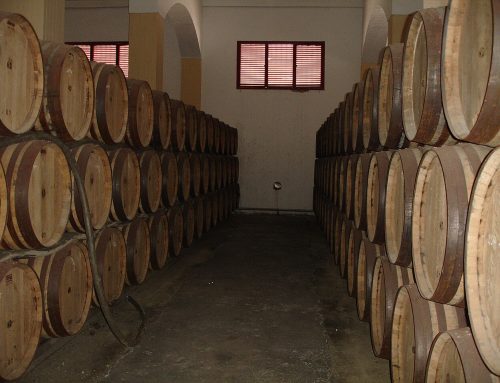
A striking number of Dutch gins also go into casks. Of the eight gins in our entire range labelled aged, barrel or cask, half come from the Netherlands. That too is a habit from the jenever world, where korenwijn and oude jenever have been lying on oak for centuries.
What we are not going to do is write down for you how a bottle tastes that you have not yet tasted. That is exactly what the counter is for.
Gin or jenever
The line between those two is unclear to many customers, and that is understandable. Two bottles from the same Dutch distiller can stand side by side with almost the same label. The difference lies in the legal category, in the base alcohol and in the minimum alcohol percentage. We have written a separate article about that.
The jenever page shows what else in Dutch distilling craft is on the shelf.
Where to start
Four bottles that together show how broad it is: one from Schiedam, one from Baarle-Nassau, one from Dordrecht and one from Deventer. Four distilleries, four ways of working, and all four distilled in the Netherlands.
Keep browsing
All Dutch makers are grouped together on the Dutch gin page. If you would like to compare them with the rest, the gin page gives the full picture of all 482 bottles, with separate overviews for English and Scottish gin.
If you search by alcohol percentage or volume, the wine & spirits shop search engine will get you further than a list of brands. And otherwise: just call. We know which bottle comes from where.