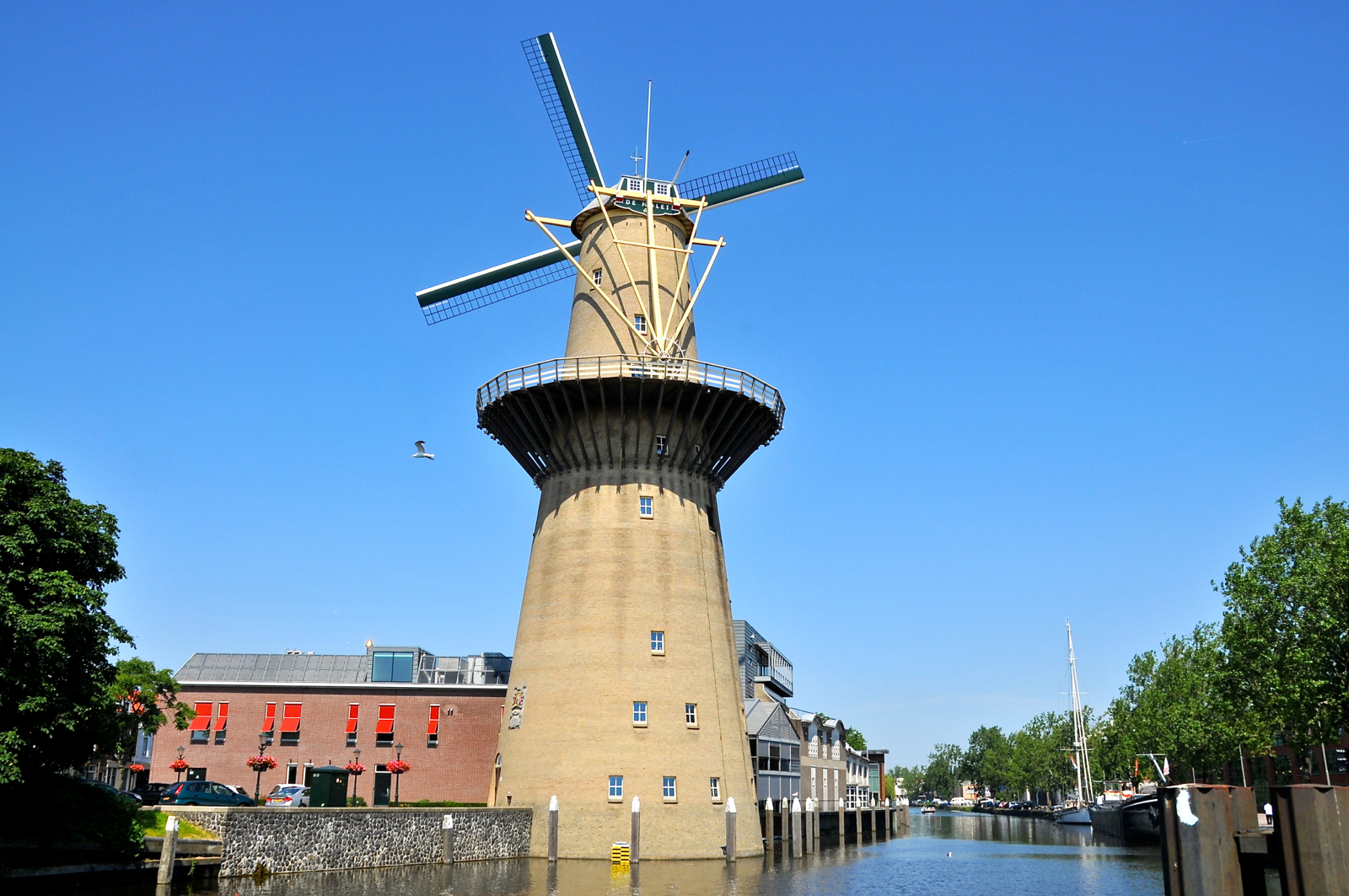
Here in Bathmen there are one hundred and eighty-eight jenevers on the shelf. Twenty-seven of them have the word jong or jonge on the label, spread across eighteen different houses. It is the corner of the cabinet where most bottles go through, and at the same time the corner with the most misunderstandings.
Because jong does not mean what you think here. It says nothing about the age of the bottle and nothing about how long the drink has been stored anywhere. It is a recipe, fixed down to the decimal point.
Jong is not an age but a recipe
With whisky there is a number on the bottle and that number is a number of years. With jenever it works differently. Jonge jenever may leave the premises the day after blending. There is no minimum time in wood, no waiting time, no time requirement at all.
The word jong dates from the years after the Second World War, and it meant then: new, of the new type. During the war there was hardly any grain to be had for malt wine, the traditional base distillate. The proportion of malt wine in jenever therefore dropped sharply. When the grain came back, some drinkers turned out to have come to prefer that lighter taste. So two drinks came to exist side by side: the new style, which came to be called jonge jenever, and the pre-war recipe with more malt wine in it, which came to be called oude jenever.
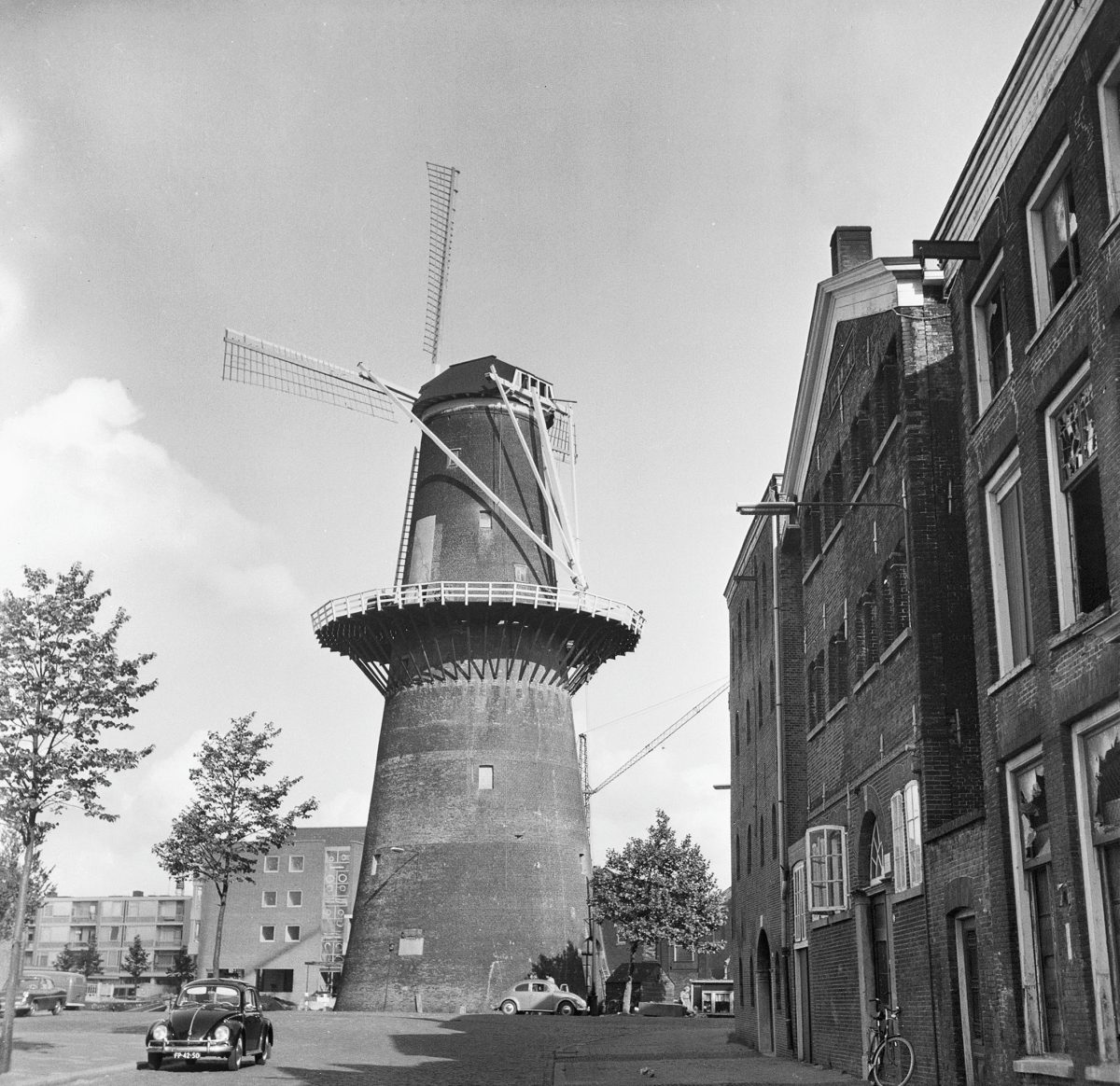
So oud and jong are not stages of the same thing. They are two different ways of making it, which happen to have been given names that sound like time.
At most fifteen per cent malt wine
So what is fixed? Four hard requirements apply to jonge jenever.
- At most fifteen per cent malt wine.
- At most ten grams of sugar per litre.
- Colourless.
- At least thirty-five per cent alcohol.
That first requirement is the most important. Malt wine is the distillate made in a pot still from fermented grain, and that is the expensive and flavourful part. The rest of the alcohol in a jonge jenever comes from a column still and is almost tasteless. Fifteen per cent is an upper limit, not a lower one, and in practice many jonge jenevers contain a good deal less than that.
That is why the flavour of jonge jenever is so restrained. That is not carelessness, it is the design. A jonge jenever has to be neutral enough to drink ice-cold from the freezer and to sit alongside a beer.
Why the column still changed everything
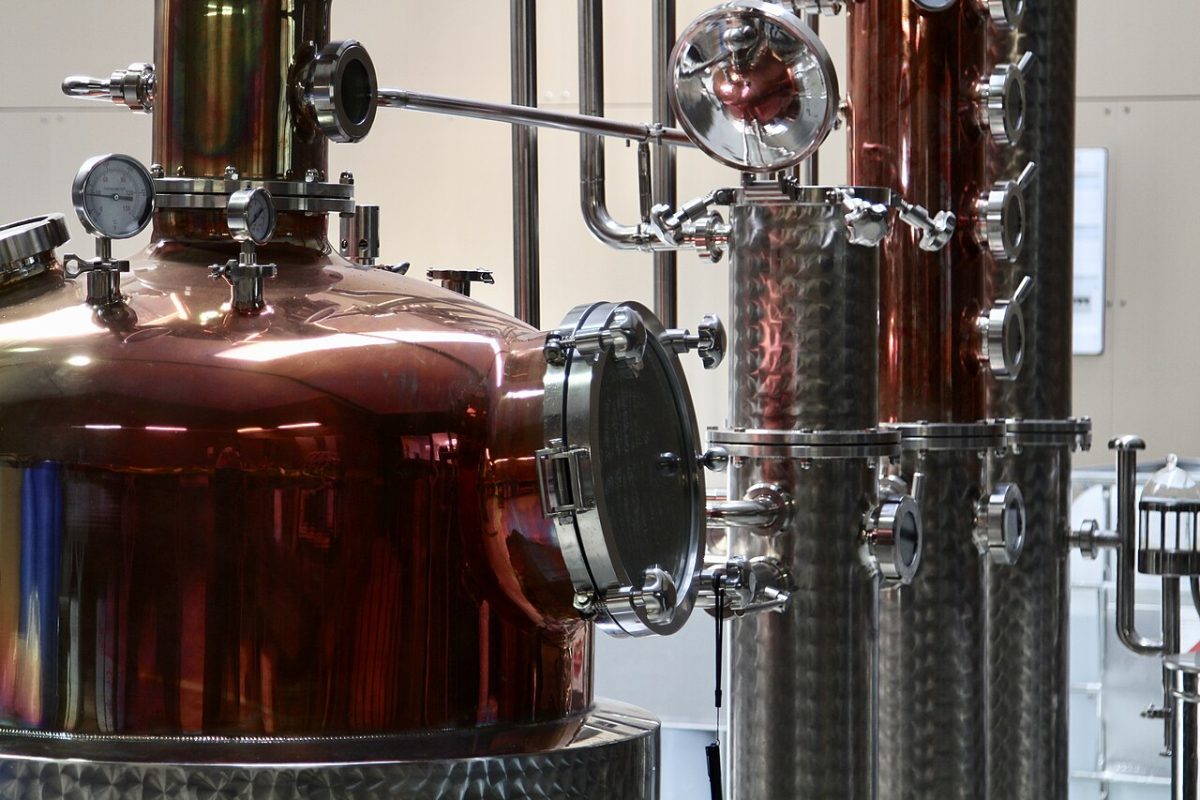
Until the end of the nineteenth century there was no choice. Anyone who wanted to make jenever had to distil malt wine, because there was no other distillate. Then came column distillation, and with it the possibility of making pure ethanol in a continuous process, from any raw material whatsoever.
That was cheaper on every front. There was no longer any need to distil in three separate runs, and since you taste nothing of it in the end product anyway, the raw material could be molasses or potatoes instead of rye and barley. Between 1890 and 1910 almost all the classic distilleries disappeared as a result. What remained was the habit of adding some malt wine, for flavour.
Today's jonge jenever is the direct result of that shift. It is the column still with a dash of history in it.
Watch out for the word graanjenever (grain jenever)
This is where it gets interesting, because many of our bottles do not say jonge jenever but jonge graanjenever. That word graan (grain) is not decoration. Anyone who puts graanjenever on the label commits to all the alcohol in the bottle coming from grain, including the neutral alcohol from the column still. No molasses, no potato, no sugar beet.
Of the twenty-seven jonge jenevers we stock, thirteen explicitly carry the word graanjenever. That is the detail you can look out for in the shop, and it is one of the few things a label tells you for free.
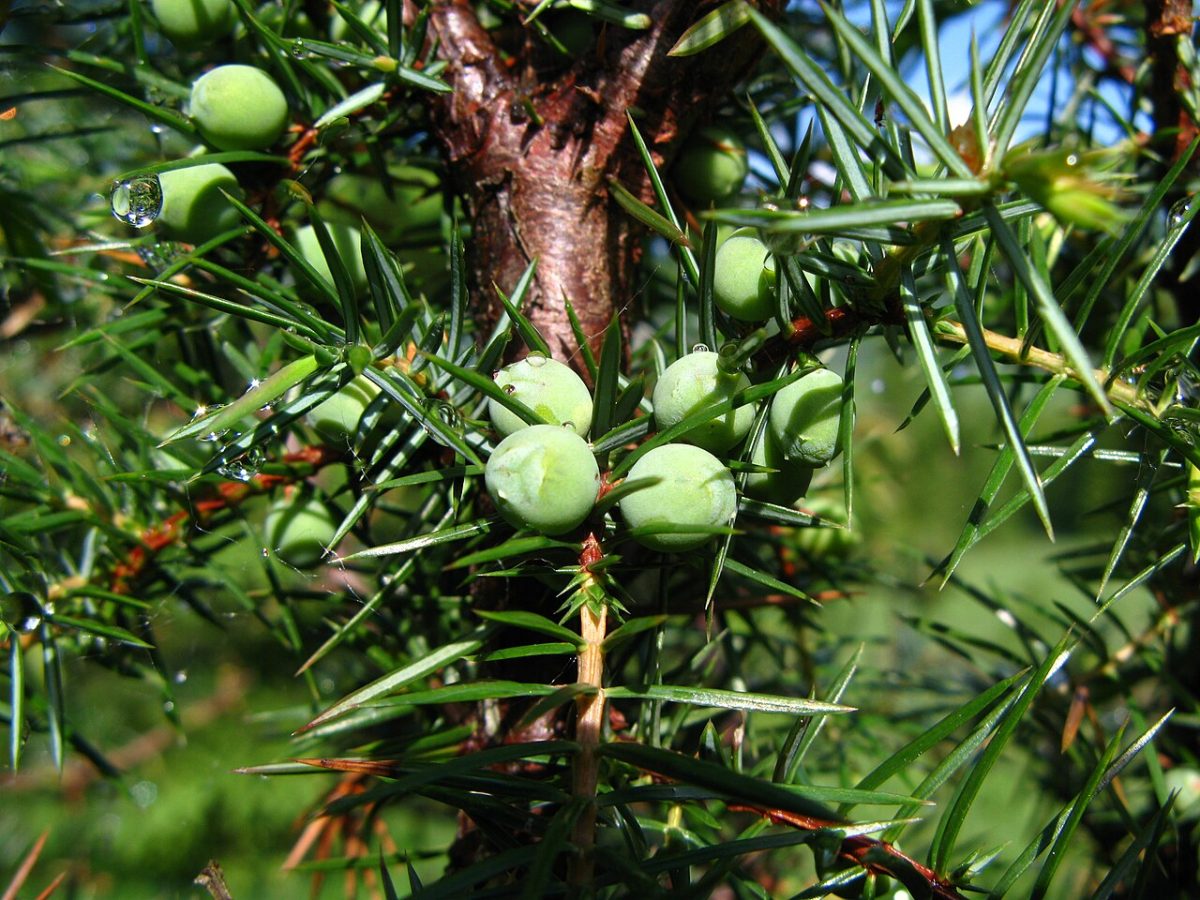
One more detail: there are no rules on botanicals for jonge jenever. Juniper berries may be added, but they do not have to be. In oude jenever the juniper must be perceptible. That difference is not stated anywhere on the bottle.
Jonge jenever is a protected name
What is well regulated: jonge jenever and oude jenever both appear as names in their own right on the European list of protected designations, and that protection applies only to the Netherlands and Belgium. So a producer elsewhere in Europe may not put the word on a bottle.
That is more than whisky from Japan had until 2021, and more than most gin styles have. Whereas the rules for gin are mainly about flavour, for jenever they are about composition. Also read our piece on what London Dry means legally.
Where to start
Of our one hundred and eighty-eight jenevers, fifty-five are at exactly thirty-five per cent, the legal minimum for jonge and oude jenever. The jonge jenevers among them are closer to one another than the oude jenevers are, because the room for manoeuvre is smaller: less malt wine means less difference.
The difference that does exist lies in the house. A craft distiller with its own malt wine produces a different jonge jenever from a big brand that works with bought-in spirit. If you don't know where to start, drop in or call 0570 541 278, and we'll put a few side by side.
Keep browsing
All jenevers together are on our jenever page, and you can search directly in the wine and spirits search engine. By house you will find what we stock: Rutte, Bols, Boomsma, Hooghoudt, Filliers, Ketel 1, Stoocker and Bokma.
If you want to know what else is distilled in the Netherlands with the same juniper, read Dutch gin: which distillers make it here.
The other two styles are explained in Oude jenever and malt wine and Corenwijn. If you want to see the three side by side in one table, look at Jonge jenever, oude jenever and corenwijn side by side. And exactly how it is distilled is explained in How jenever is distilled.
How much goes into such a small glass is explained in how many ml a shot is.