At the counter we get this question regularly: I was given a bottle of jenever, how am I supposed to drink it? The answer is shorter than most people expect, and it depends mainly on what is in the bottle. In the shop on the Brink there are 198 jenevers from 48 houses, and of those 36 are oude jenever. Different rules apply to young and old.
Below is what really matters: the glass, the temperature, the order for a kopstoot and how to store an opened bottle. There is not much more to it. Jenever is not a drink that requires a ceremony.
The glass is small and thick-walled
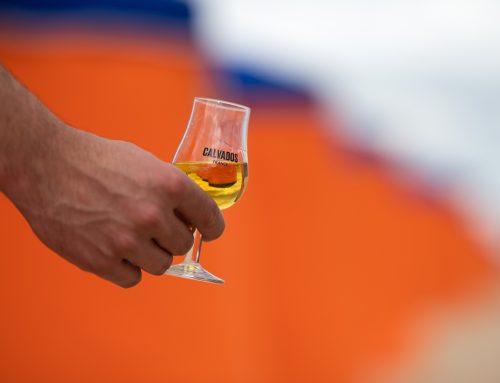
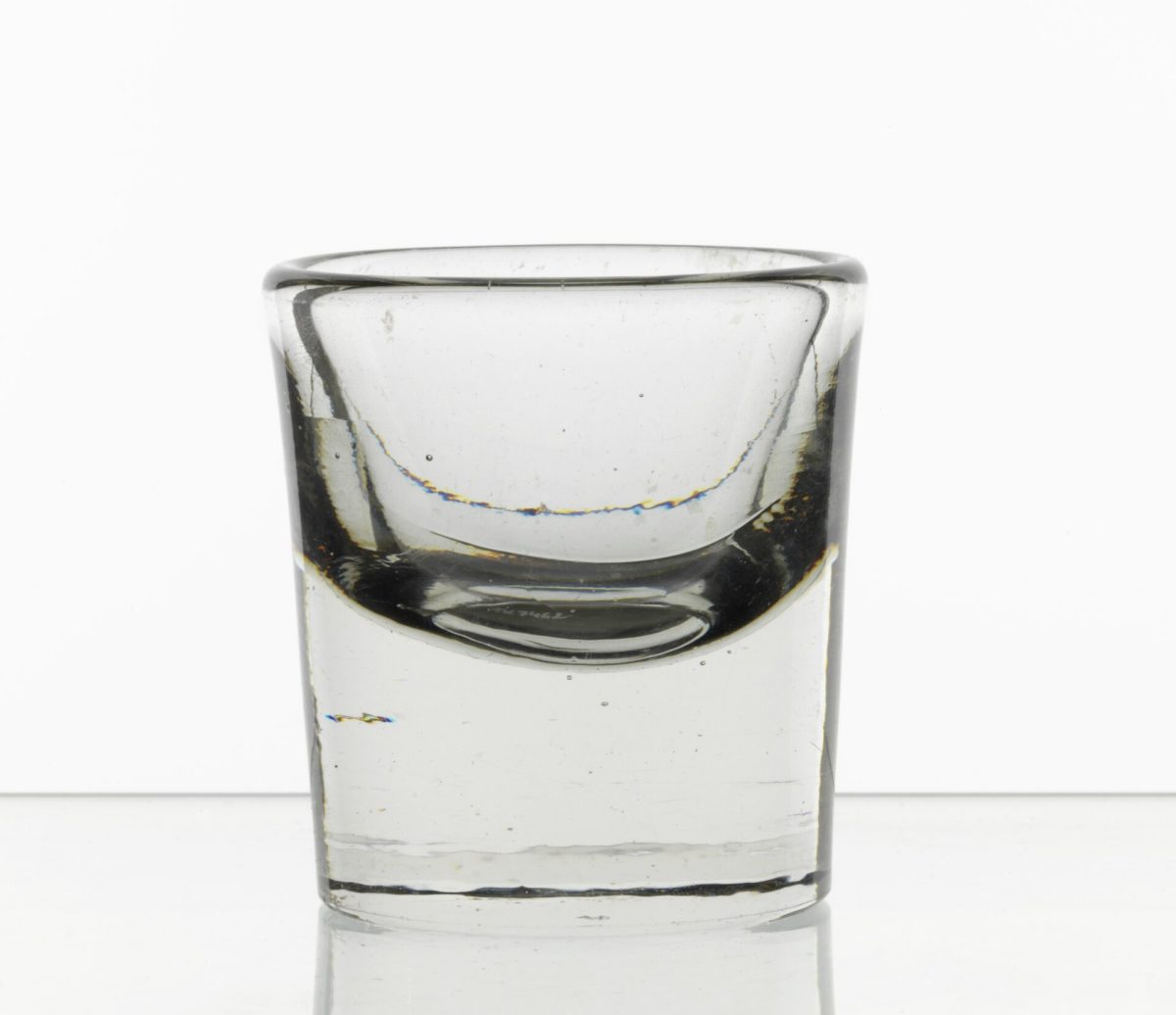
The classic jenever glass is a little tulip: a small glass on a short stem, with a rim that curves slightly inwards. There is also the thick-walled version without a stem, a heavy little glass that stands firmly on the bar. Both hold about five centilitres, and both are made to be filled to the brim.
Filling to the brim is not sloppiness on the part of the publican. Surface tension makes the jenever bulge above the rim, and that is how the glass is supposed to come to the table. A wine glass or a tumbler therefore does not work: they are too wide, the portion disappears in them and the aroma drifts off to the side. If you would like to choose something yourself, our shot and dram glasses are together in the filter, next to the rest of the glasses we carry.
Cold or at room temperature
Jonge jenever is drunk ice-cold. The bottle can safely go in the freezer; at that strength it does not freeze, it becomes syrupy, and that makes it softer in the glass. Jonge jenever contains little malt wine and tastes relatively neutral, so little is lost through the cold. What jong on the label means exactly is explained in this piece on jonge jenever.
Old genever and corenwijn are a different story. They contain at least fifteen percent malt wine and taste of grain and bread. Cold suppresses exactly that. Serve them at room temperature or at most lightly chilled, and take a slightly larger glass, as you would for whisky. The aroma then gets the space it needs. How young, old and corenwijn relate to one another, you can read in the comparison of the three.
A glass filled to the brim cannot be picked up without spilling. There is a solution for that which is normal in every tasting room: you leave the glass on the table, bend forward and take the first sip with your hands along your body. Only then do you pick up the glass.
That bow towards the glass is itself also called a kopstootje. It is not etiquette that anyone will hold you to, but it saves a wet table, and in a tasting room everybody does it. If you pour at home, you can of course simply leave the glass half full; then nobody needs to bow.
The kopstoot: a pilsner on the side
A kopstoot is originally a small glass of young jenever with a pils beside it, in two separate glasses. Not in each other, not mixed. The order is fixed: first the jenever, then the beer. In Amsterdam that pair is also called a stelletje.
There is a variant in which the jenever glass goes into the beer glass; that is called a duikboot. Which beer you put alongside is otherwise up to you. Pilsner is the classic choice because it does not drown out the jenever, but if you want to explore there is plenty of room on the beer shelf. A jonge jenever with little malt wine holds its own less well next to a robust beer than an oude one.
Where the name jenever may come from
Genever is a protected name. Only spirit from the Netherlands, Belgium and a few regions in the north of France and the west of Germany may be called that. An English gin or a grain distillate from Poland may not, however much juniper has gone into it.
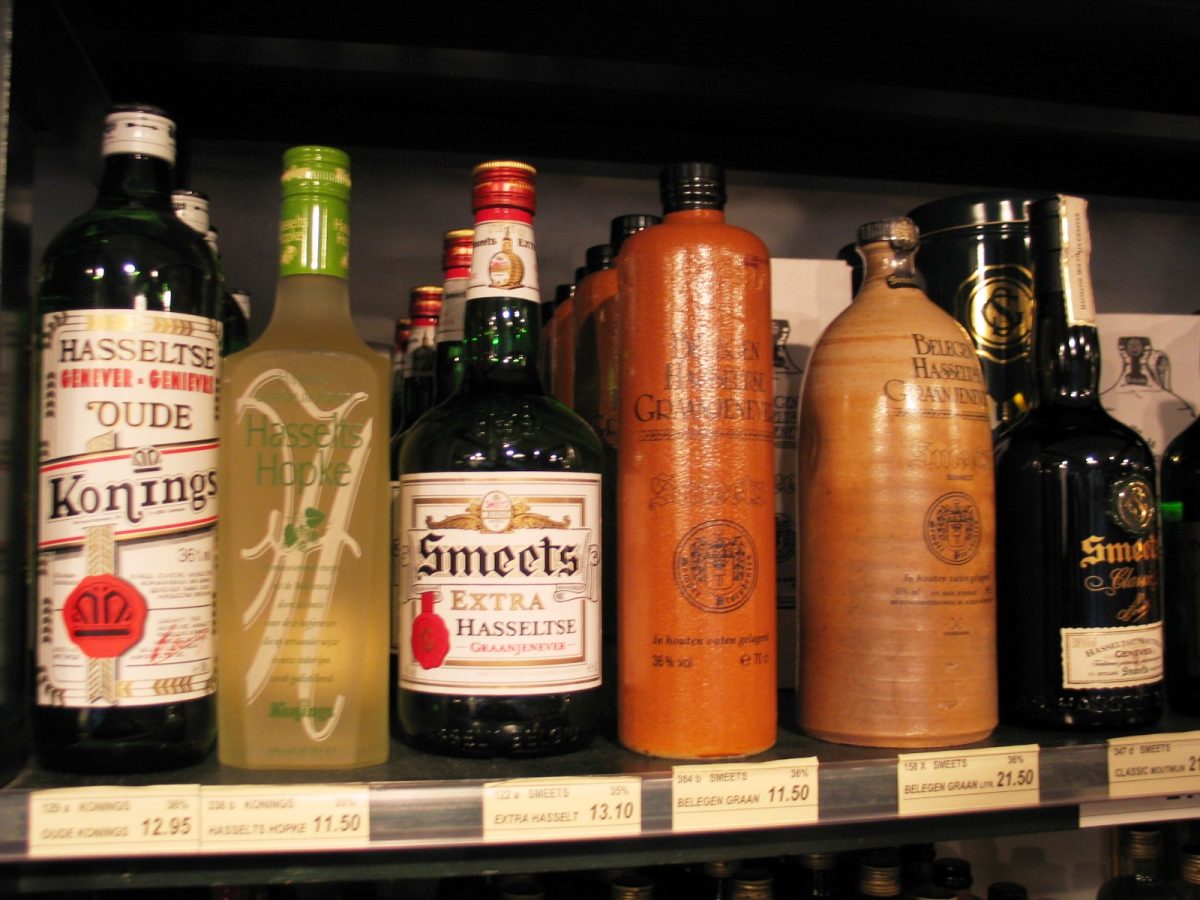
You can see this on the shelf: the vast majority of what we stock comes from our own country, alongside a row of Belgian houses. How the drink is made and where the juniper berry comes into the process is explained in the article on distilling.
Storing an opened bottle
Genever does not develop in the bottle the way wine does. What is in it at bottling is still in it years later, as long as you store the bottle upright in a cool, dark place and close the cap well. Upright is the most important part: lying down, the drink is up against the closure.
An opened bottle stays drinkable for years. The aroma does slowly fade once air gets in, so for the taste it is wise to finish an opened bottle within two to three years. It does not need to go in the fridge, unless you want to serve it cold anyway.
Where to start
If you are buying one bottle, start with a jonge: it can go in the freezer and serves for a kopstoot. If a second one follows, add an oude for the evenings when you sit down at leisure. All 198 are listed together in the wine & spirits search, and under View all bottles you will find them with photo and price. If you are torn between jong and oud, do drop in: at the counter that is settled in a two-minute conversation.