On the shelf in Bathmen there are 33 sherries from thirteen bodegas. Almost none of them carry a year, and that is not carelessness. Sherry is not bottled by harvest but by system, and that system is called the solera.
Once you understand how a solera works, you see at once why a bottle can say thirty years without the wine being thirty years old, and why the same wine gets a different name in Sanlucar than in Jerez. Below is the whole mechanism, from the chalky soil to the bottom row of casks.
From palomino on white chalk to a cask full of wine
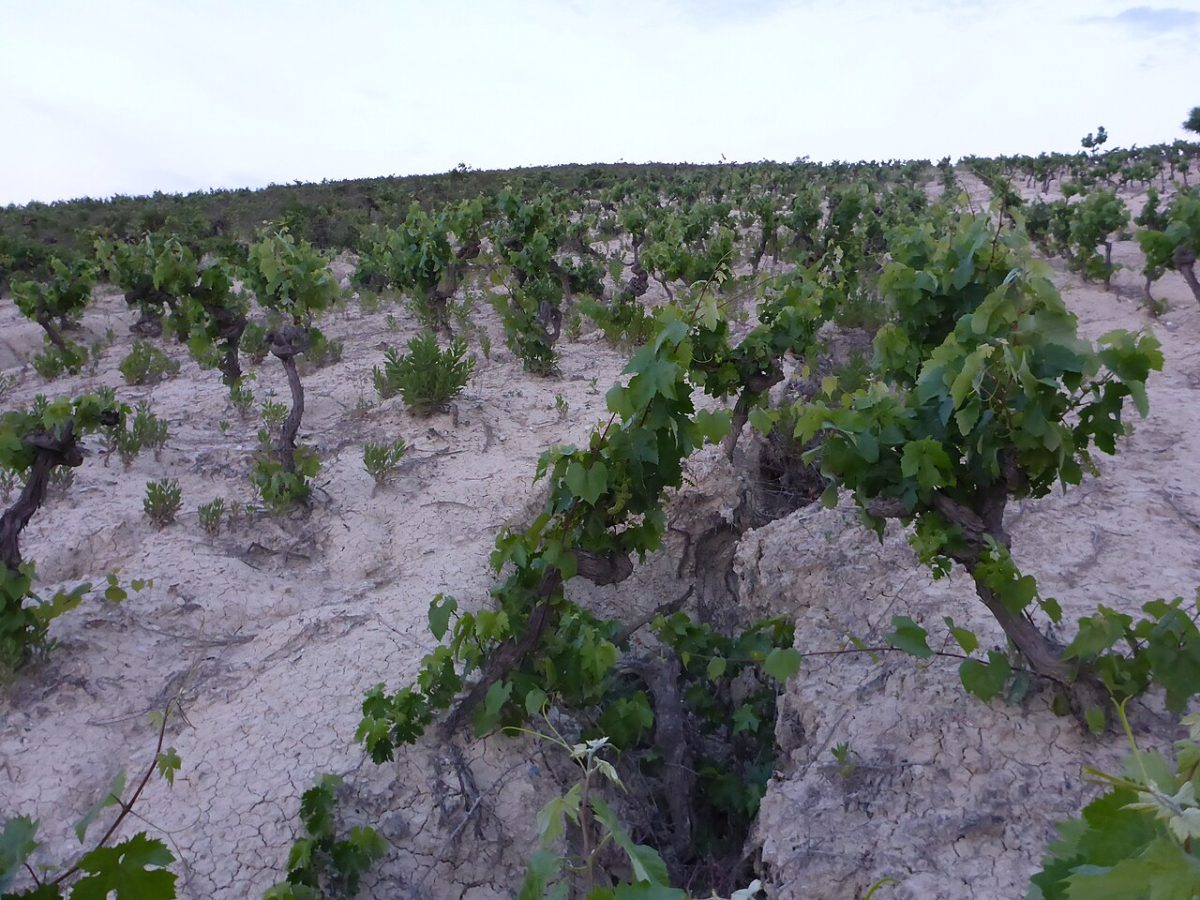
Sherry comes from a triangle in the south-west of Spain, between Jerez de la Frontera, El Puerto de Santa Maria and Sanlucar de Barrameda. All 33 bottles in our shop come from there. Maturation is only allowed within that triangle, even if the grapes come from further afield.
The soil is called albariza: a light, almost white chalky soil. The grape for the dry styles is palomino. It is pressed and fermented completely dry, just like an ordinary white wine. Only after that is alcohol added.
That fortification is the fork in the road on which everything turns. If the wine stays around fifteen per cent, a living layer of yeast can grow on it. If it goes towards seventeen, that yeast does not survive. On our shelf, all the finos and manzanillas are at 15 per cent; the strongest bottle, a thirty-year-old amontillado, is at 21.5.
A solera is a series of layers, not a vintage
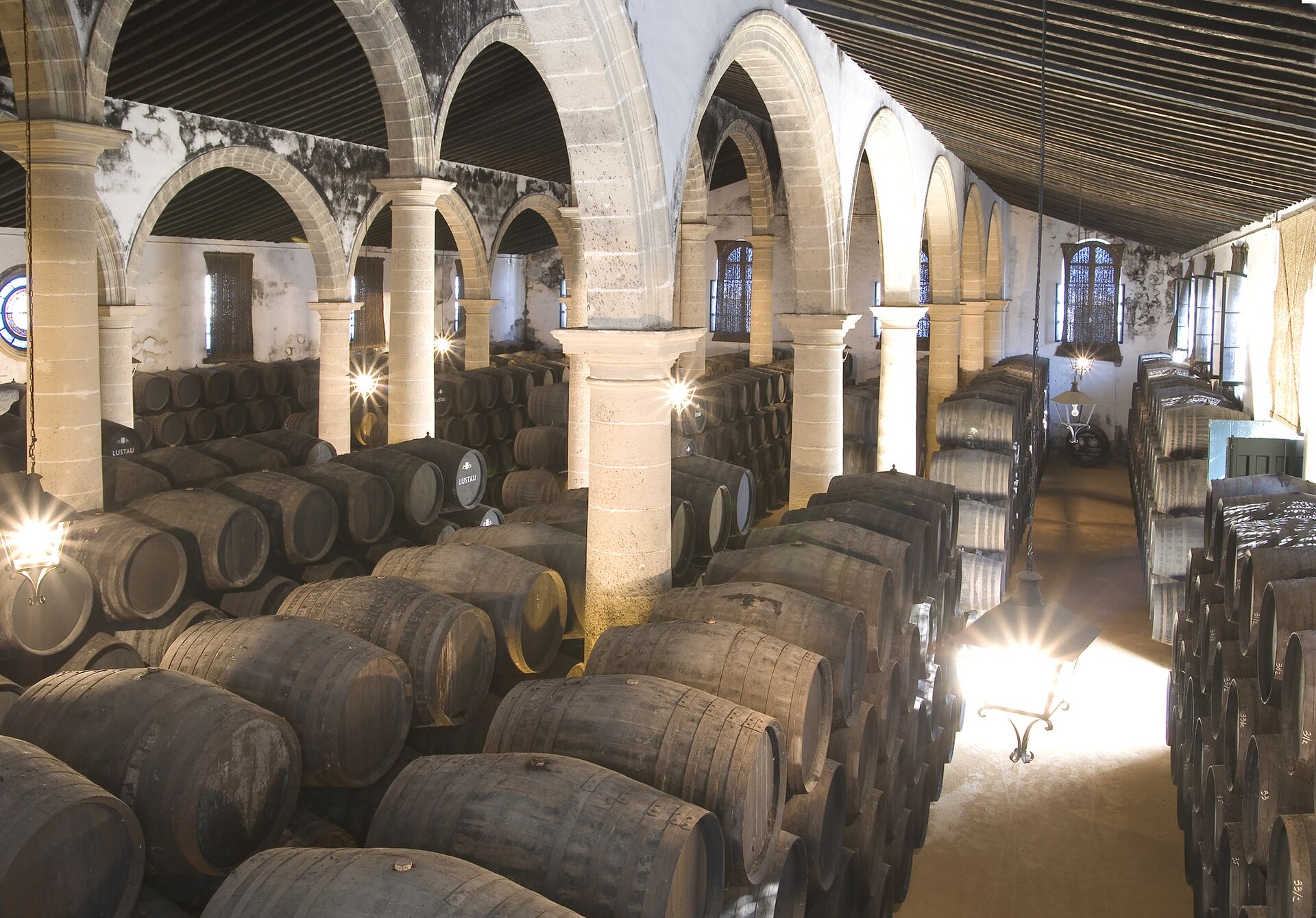
A sherry cask is called a bota and holds around 500 to 600 litres. The casks lie in rows stacked on top of each other and together form a chain.
The bottom row is called the solera, after the Spanish word for floor. Only that row is bottled from, and never all at once: part is drawn off, the rest stays. That part is topped up from the row above. Such a row is called a criadera, nursery, and it in turn is topped up from the criadera above it. At the top goes this year's young wine.
As a result, every bottle is a blend. There is always a little very old wine in it and much more wine of all the ages in between, and because a cask is never completely emptied, the oldest wine never disappears from the system. So no harvest year can be pinpointed. In Jerez they use the same system for spirits too; how that works out you can read in our piece on Brandy de Jerez.
Flor: a living layer that seals off the wine
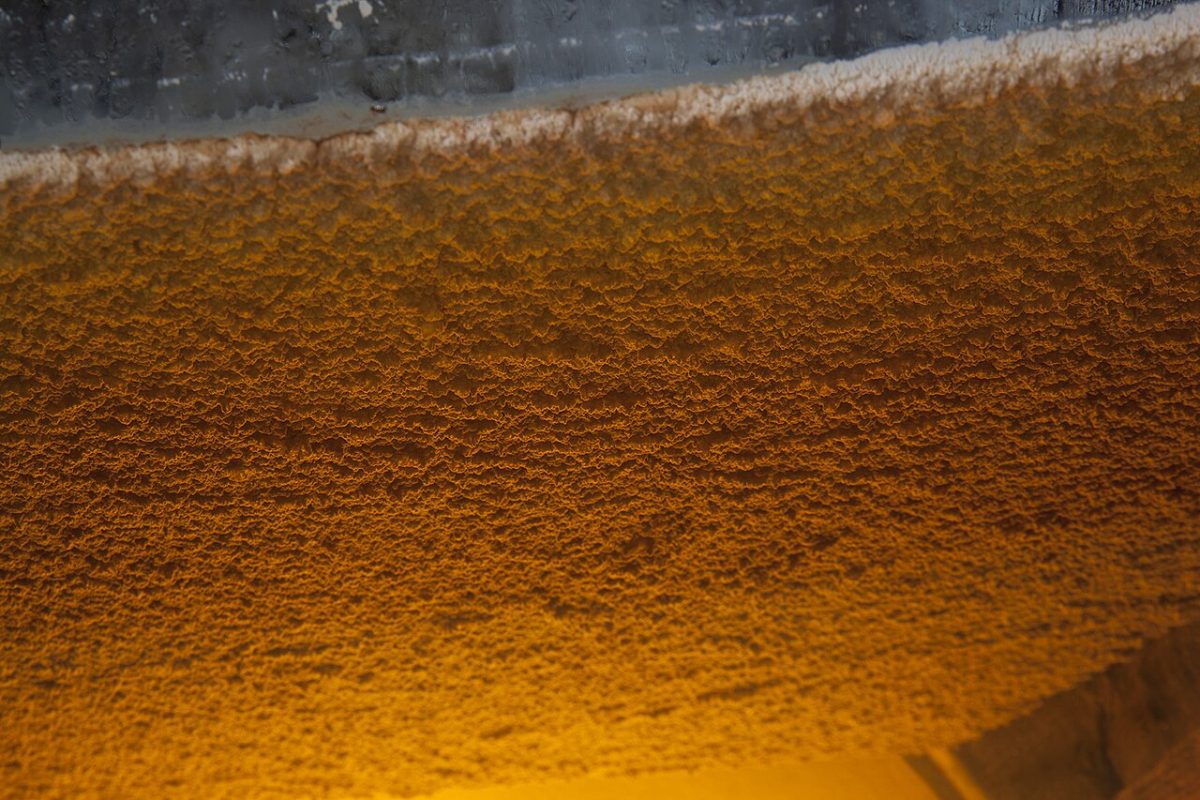
On wines that stay around fifteen per cent, a layer of yeast cells grows on the surface. It is called flor, the Spanish word for flower. It is not mould or dirt, but a living film floating on the wine.
That layer consumes the oxygen that would otherwise reach the wine. As a result, the wine stays pale and light in body instead of dark and heavy. Such a sherry is called fino, and in Sanlucar manzanilla.
This is where the solera comes back in, because flor is a living organism that needs feeding. Every time young wine moves down, the yeast layer gets fresh nourishment. In a cask left undisturbed for years, the flor dies off. So moving the wine along keeps the flavour consistent, and it keeps the yeast alive.
Why the building counts just as much
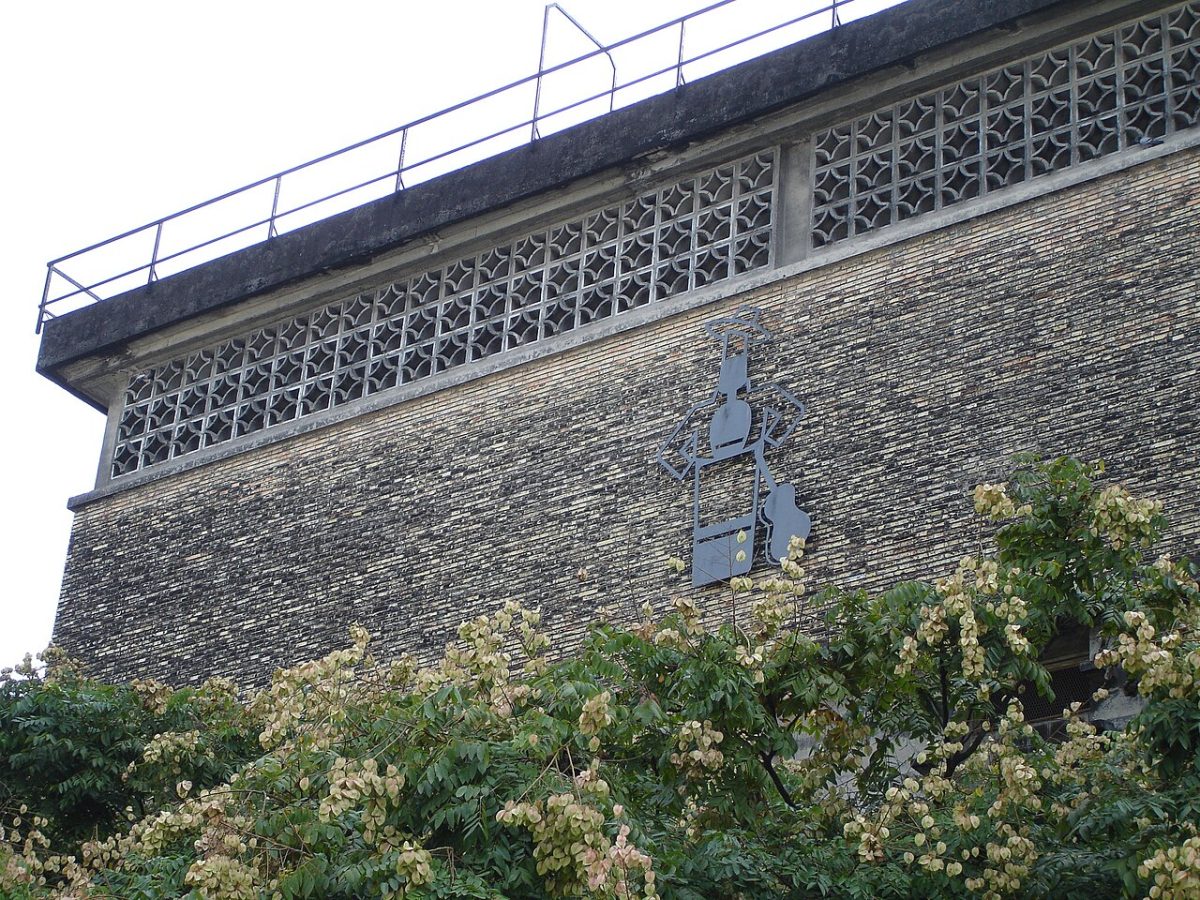
A bodega in Jerez is not a cellar but a tall hall with thick walls, and that construction is part of the recipe. The windows are set high, so that the sea wind sweeps over the casks instead of straight through them. Below, it stays cool and dark.
That also explains the difference between Jerez and Sanlucar de Barrameda. Sanlucar lies at the mouth of the Guadalquivir, where the air is cooler and more humid. The flor stays thicker there all year round, and only a fino that matures there may be called manzanilla. Inland, exactly the same wine may not carry that name.
What a number on a sherry bottle means
Because a solera is a blend, every age on a sherry bottle is an average. Two designations are officially certified: V.O.S. stands for an average of around twenty years, V.O.R.S. for an average of around thirty.
Of our 33 bottles, two carry such a certification, both thirty years old and both from González Byass: a palo cortado and an amontillado. One bottle states a plain number, a twelve-year-old amontillado. The other thirty say nothing about age, and that is not a shortcoming: for an ordinary fino an average says little anyway.
What the label doesn't say
It does not say how many criaderas the system consists of, how often wine is drawn from the bottom row, or how much is taken out each time. Yet it is precisely those three things that determine the average age of the wine.
If you do see a year, in the form “solera 1847”, pay attention to what it says. That is the year in which the solera was established, not the age of the wine in your bottle.
There is one exception to the system: a sherry from a single harvest, which matures outside the solera and in Spain is called anada. These are rare, and at the moment there is none on our shelf.
Where to start
You taste the solera best by putting two bottles side by side that differ only in maturation. A fino and an amontillado, for example: the same grape, the same area, and the only difference is whether the flor was still on it. Add a pedro ximenez and you also have the side on which flor has never lain.
Bear in mind, though, that a fino and a manzanilla behave like white wine once the bottle is open. They should be kept cold and not left for weeks. What the other styles can handle is on our question page about how long sherry keeps after opening.
If you are not sure which way to go, drop in on the Brink or call 0570 541 278. We check for each bottle what the house says about its maturation, and where it says nothing, we tell you that too.
Further reading and viewing
The full stock is on our sherry page, and with the wine and spirits search engine you can browse everything. You can order in the sherry section of the online shop. Houses we stock include Valdespino, Lustau, González Byass and Osborne.
What maturation does to the flavour profile is explained in our piece on fino, amontillado and oloroso. Short answers are on the question pages about manzanilla, amontillado and palo cortado and cream and medium sherry.