The short answer to this question is on the question page How long does advocaat keep after opening?. Below you can read the full story behind it.
In the advocaat section in Bathmen there are ten bottles from six houses. Seven of them come from the Netherlands, two from Belgium and one from Italy. It is a small section, yet it produces a question asked more often than for any other drink: how long does this keep?
A fair question. Advocaat is the only bottle in the wine and spirits shop that consists largely of egg, and so it behaves differently from the jenever next to it.
The date on the bottle is decisive
Start with the label, because that is where the answer is, and it matters which date is on it.
If it says best before, that date is about quality. With it, the maker is saying that until then the drink is as intended: in colour, in thickness and in taste.
If it says use by, that is a different kind of date. That wording is mandatory for products that spoil quickly, and it is the law that determines this, not the maker.
What we have to say about it is brief: stick to the date the maker has put on it. What happens after that is not for us to judge, and nobody behind a counter should do so.
The egg determines the shelf life
European Regulation 2019/787 sets three strict requirements for advocaat: at least 140 grams of pure egg yolk per litre, at least 150 grams of sugar or honey per litre, and a minimum of fourteen percent alcohol by volume.
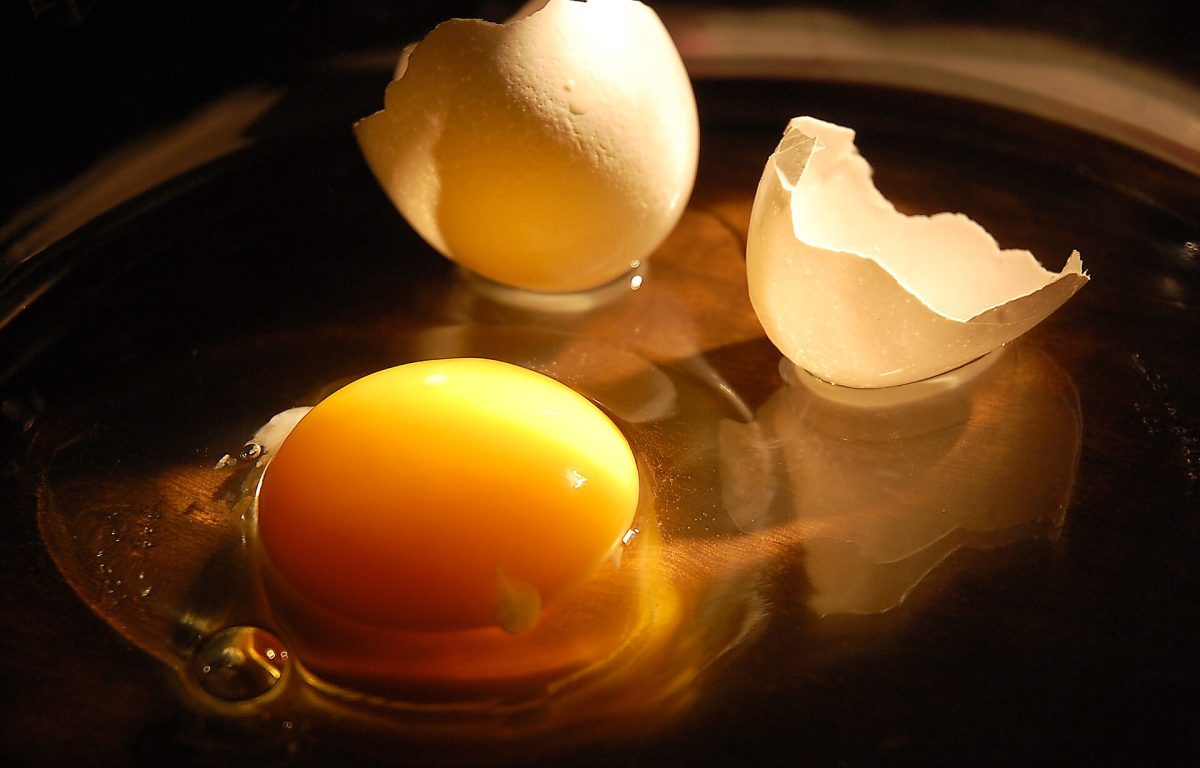
That first figure drives the shelf life. One hundred and forty grams of egg yolk per litre comes to roughly eight yolks. Egg yolk is about one third fat, and it also contains lecithin, the substance that holds fat and water together. Advocaat is therefore an emulsion, and an emulsion is by definition a state that needs maintenance.
What changes over the months is twofold. The fat reacts slowly with oxygen, which flattens the taste. And the emulsion becomes less firm, so the top layer feels different from the rest. With a bottle that has been open for a long time, you will also see the colour darken.
Sugar and alcohol help, but not much
Sugar and alcohol are both preservatives. Sugar binds water, alcohol makes the environment inhospitable. Advocaat contains both, but not in the quantities an ordinary liqueur relies on.
The lower limit of fourteen percent for advocaat is the lowest the regulation applies to any spirit drink. For ordinary liqueur it is fifteen, for young and old jenever thirty-five. Of the ten bottles we stock, seven are at exactly fourteen percent.
So advocaat has less alcohol than almost everything around it and more delicate contents. That is where the stricter storage advice comes from, and nowhere else.
Spoonable advocaat and pourable advocaat
Two versions stand side by side on the shelf. Thick advocaat is made with only the yolks and is so firm that you eat it with a spoon. The thin, pourable version is made with the whole egg, white included, and is liquid enough to pour over a dessert.
That distinction is not in the law anywhere. Both fall under the same category, because the regulation simply lists egg white as a permitted ingredient. What does differ is the alcohol content: the pourable version we carry is at 17.2 percent, the thick versions at fourteen.
For storage, that means two things. The thin one has a little more alcohol. And the thick one shows change less quickly, simply because nothing can settle in a stiff mass. Seeing less is not the same as less happening: with both, stick to the maker's date.

Unopened: cool, dark and upright
An unopened bottle of advocaat belongs in the same place as a bottle of olive oil: cool, dark and not next to the radiator. Light and heat speed up exactly the reaction between fat and oxygen discussed above.
Keeping it upright matters more with advocaat than with most bottles. The drink is thick, and whatever stays against the closure dries there. A bottle that has been lying on its side sticks when you open it.
If you are stocking up for the holidays, you can easily put a bottle away for a while, as long as the date on the label allows it. Our own stock is kept in the storeroom behind the shop, out of the sun.
After opening: into the fridge
On opening, one thing changes that you cannot undo: air gets in. That is why the advice here is different from jenever or whisky, where a bottle can stay open for years without much happening.
Put an opened bottle in the fridge, with the cap on. In the cold, the reaction with oxygen is slower. Take it out half an hour beforehand if you want to eat it with a spoon, because cold advocaat is stiff.
How many weeks or months that amounts to differs per bottle, and that is exactly what the maker puts on the label. Some makers explicitly state how long after opening. If it does not say, the date on the bottle is what you have to go by.
Where to start
If you are buying advocaat for one occasion, take the smallest size you can get. For four brands we also carry a half-litre bottle, and from one house a set of two ten-centilitre preserving jars. Then nothing needs to stay open for long.
If you are torn between spooning and pouring, drop by in Bathmen or call 0570 541 278. We check for each bottle what the maker says about storage, and where the maker says nothing, we say so too.
Keep browsing
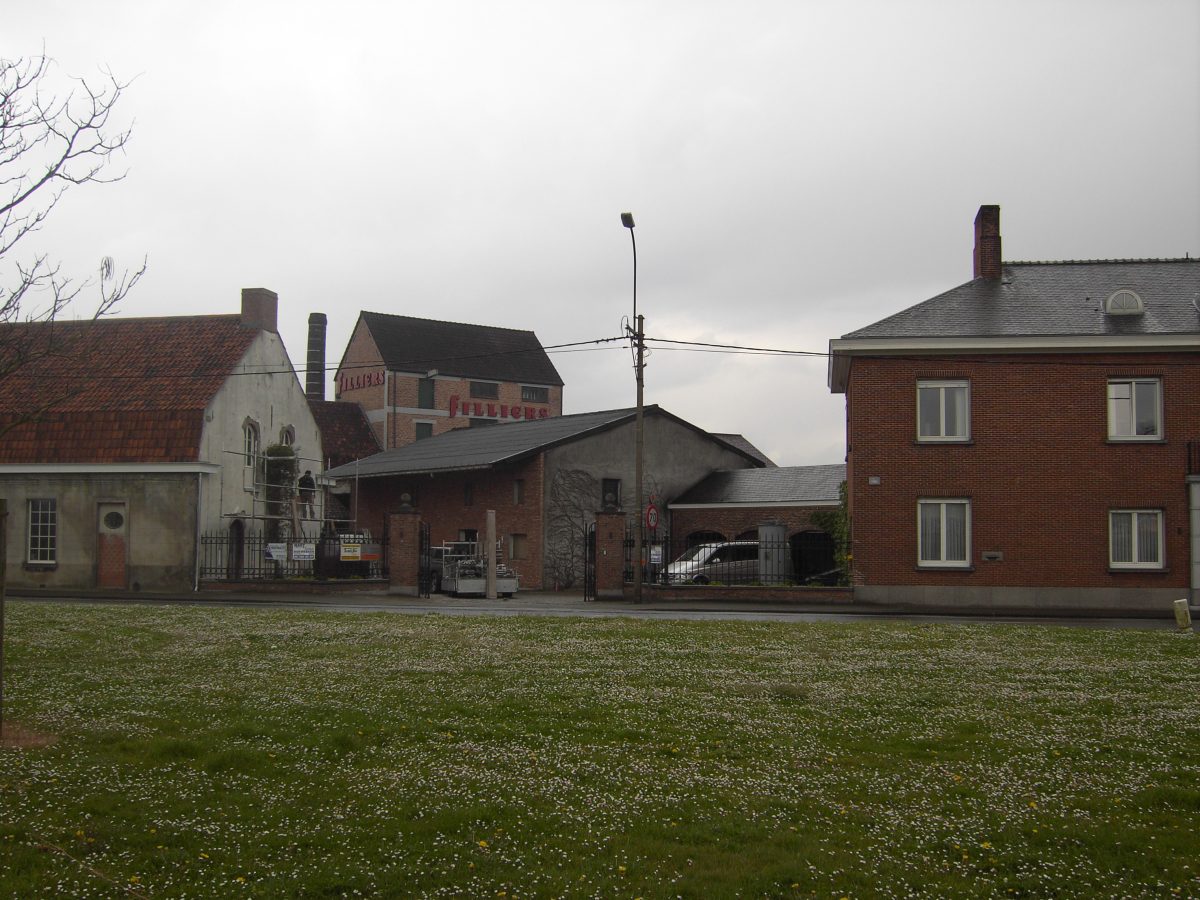
All ten bottles are together on our advocaat page, with the background and range for each house: Warninks, Cooymans, Zwarte Kip, Filliers, Pircher and Tokkelroom. You can search yourself with the search engine for our range.
Why advocaat and egg liqueur are the same word on the label, and where the real dividing line lies, is explained in Advocaat and egg liqueur: why they are not the same. How it works for the rest of the liqueur cabinet, you can read in How long an opened bottle of liqueur keeps.