On the liqueur shelf on the Brink there are thirty-nine different limoncellos. Twenty-seven of them come from an Italian house, twelve from a Dutch distiller. They stand together on one shelf, and almost every week someone stands in front of it with the same question.
Fridge or freezer? And why does the drink turn cloudy as soon as it is cold? Below is the answer, with the reason, so that next time you can explain it yourself.
In the freezer, not the fridge
Limoncello should be served ice-cold. Not cool, but cold: the bottle goes in the freezer and stays there between servings.
That is possible because alcohol lowers the freezing point. According to the standard tables, a mixture of water and thirty percent alcohol only freezes at around fifteen degrees below zero, and the sugar in the liqueur pushes that freezing point down even further. A domestic freezer at eighteen degrees below zero therefore does not make such a bottle go hard. What does happen is that the drink becomes thick and syrupy and runs slowly out of the bottle. That is exactly the idea.
There is one exception, and it stands right on the same shelf with us. The limoncellos in the shop range from 14.9 to 31 percent alcohol. Anything above twenty-four percent can go in the freezer without worry. The lighter bottles cannot: at fifteen percent the freezing point is around seven degrees below zero, and then the bottle really does freeze. That applies to the crema variants, which are made with cream and are around fifteen to seventeen percent, and to a single Dutch bottle of 14.9 percent. Those belong in the fridge.
Why it turns cloudy
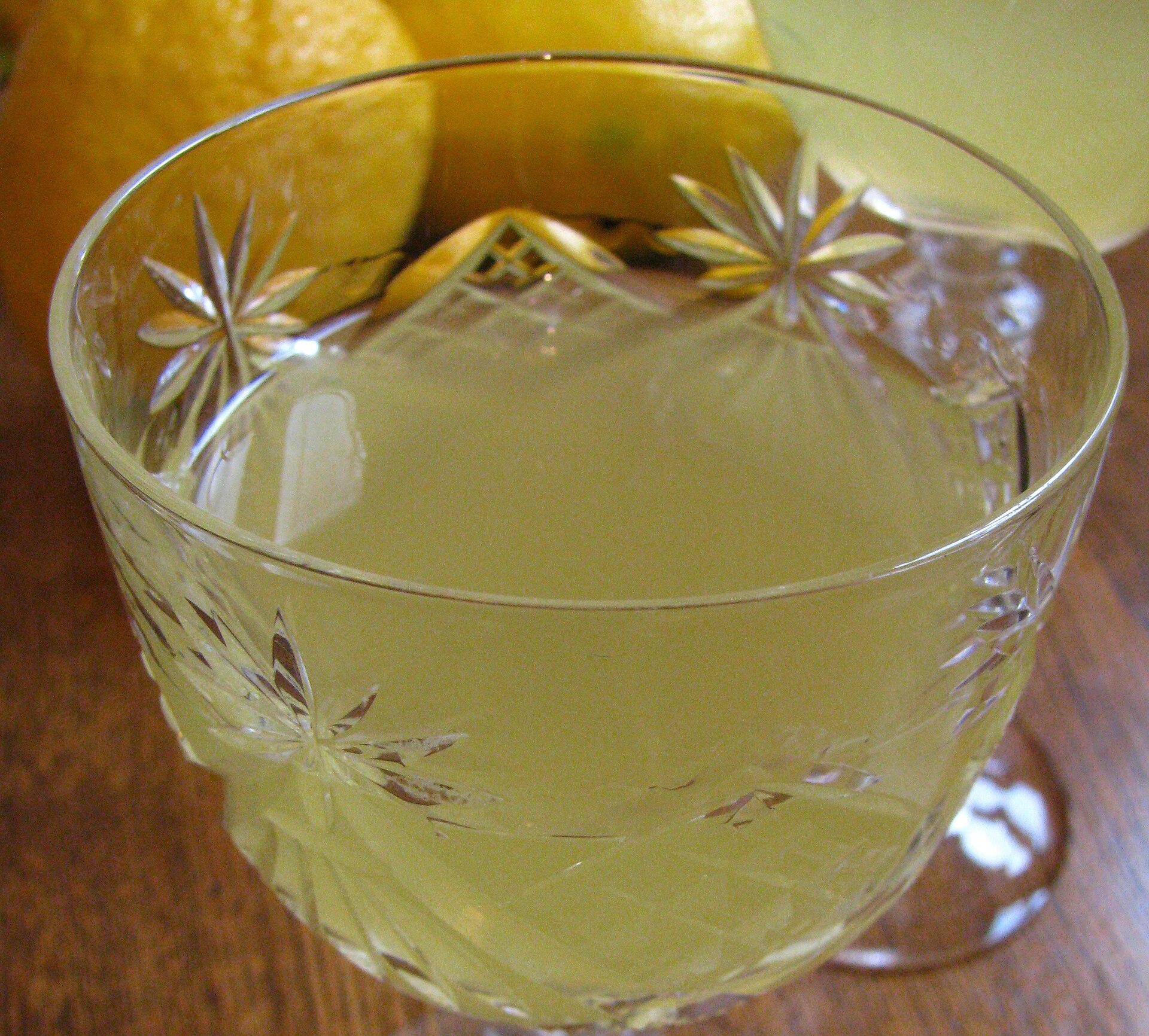
A cloudy limoncello is not a spoiled limoncello. The cloudiness is proof that there is real lemon oil in it.
That oil does dissolve in alcohol, but not in water. As soon as sugar syrup is added to the alcohol during production, the oil comes out of solution and stays suspended as countless tiny droplets of about a hundred nanometres. This is called spontaneous emulsification, and the phenomenon is named after the drink in which it is best known: the ouzo effect. With anise drinks you see the same thing happen as soon as water is added.
Cold strengthens it. A bottle that still looks fairly clear at room temperature turns milky yellow in the freezer. How much sugar and how much water the maker uses partly determines how cloudy and how syrupy the end result is. So that is a choice of the house, not a defect.
Which glass, and at what moment
Take a small glass and put it in the freezer with the bottle. A shot glass or a small liqueur glass is enough. A large glass is warm before it is empty, and then exactly what you put the bottle in the freezer for disappears.
Don't add ice. The meltwater dilutes the liqueur, and the thickness you built up in the freezer is gone within a minute. The drink is cold enough without it.
The moment is after the meal. In Italy limoncello comes to the table as a digestivo, with the coffee or just after. Before the meal it works less well: it is too sweet for that.
What is in the bottle
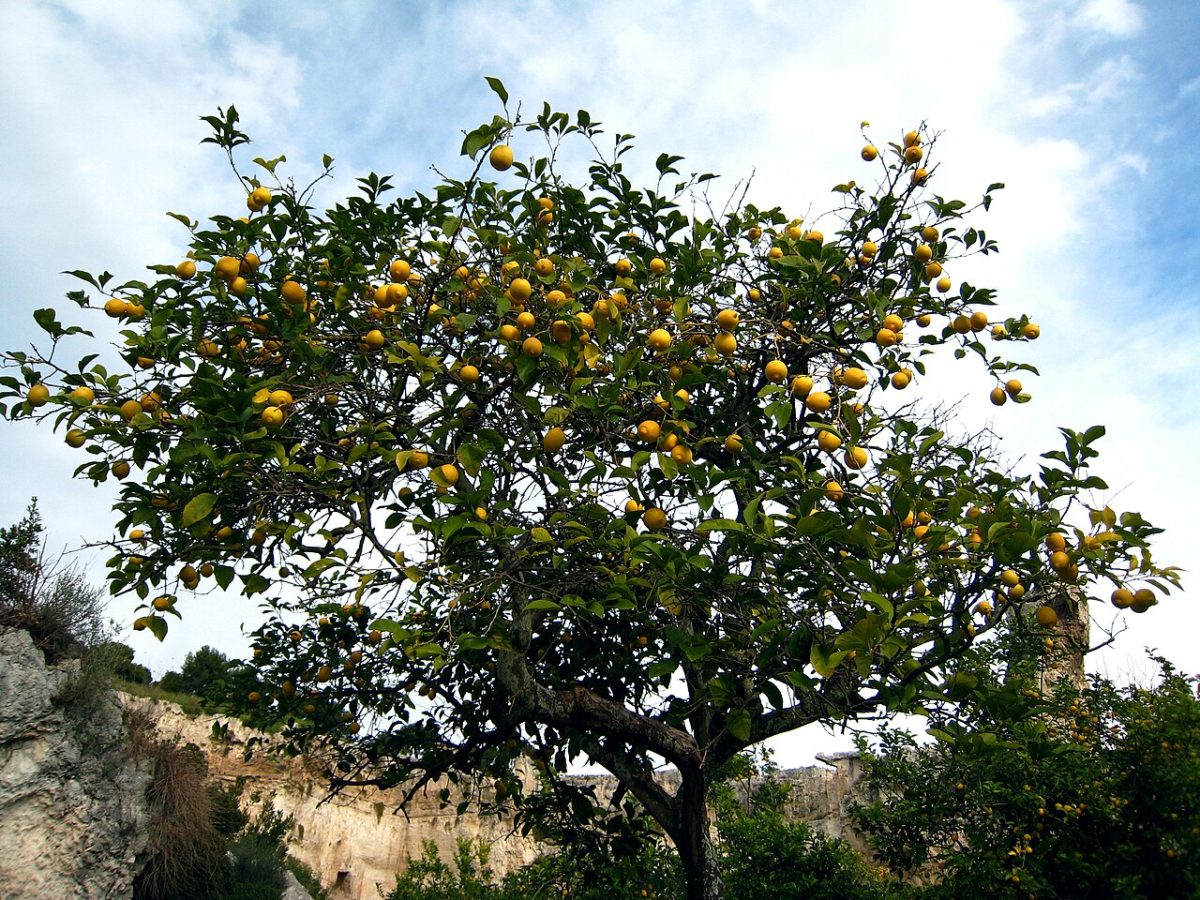
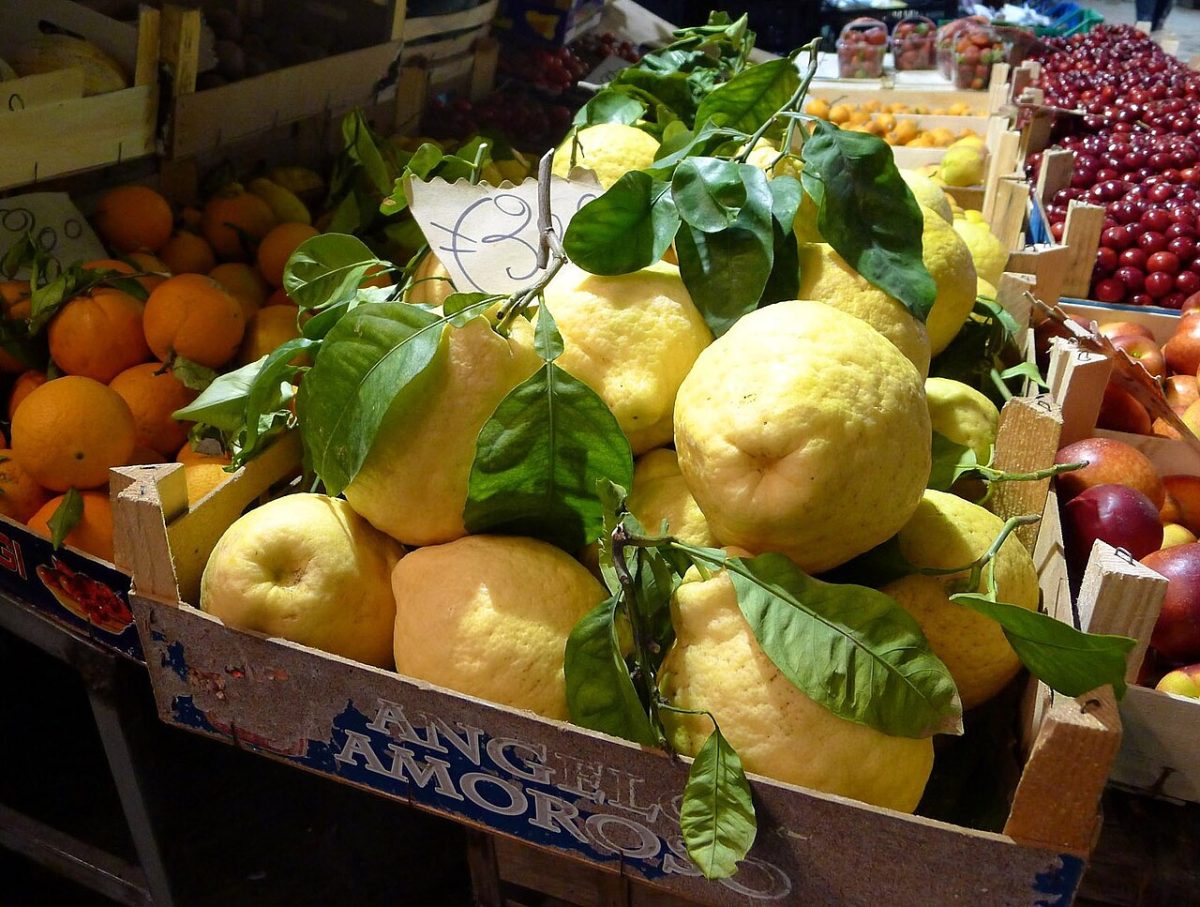
Limoncello is made from the yellow peel of lemons, and nothing else. No juice. The peel steeps in neutral alcohol until the oil has come out, then sugar syrup is added and the drink is brought to strength. There are no further steps.
The usual alcohol content is around thirty, with a few percent of leeway up and down. On our shelf that holds true: the regular bottles are between twenty-four and thirty-one percent, the cremas between fifteen and seventeen.
Legally, limoncello is simply a liqueur. That is category 33 of Regulation (EU) 2019/787, with a lower limit of fifteen percent alcohol and a hundred grams of sugar per litre. What that regulation requires exactly is on our questions page.
What the law does not do is protect the name limoncello. Anyone may use it. Only two Italian regional names are protected: Liquore di limone di Sorrento and Liquore di limone della Costa d’Amalfi. That immediately explains why there are twelve Dutch limoncellos on our shelf.
Spritz, dessert and the opened bottle
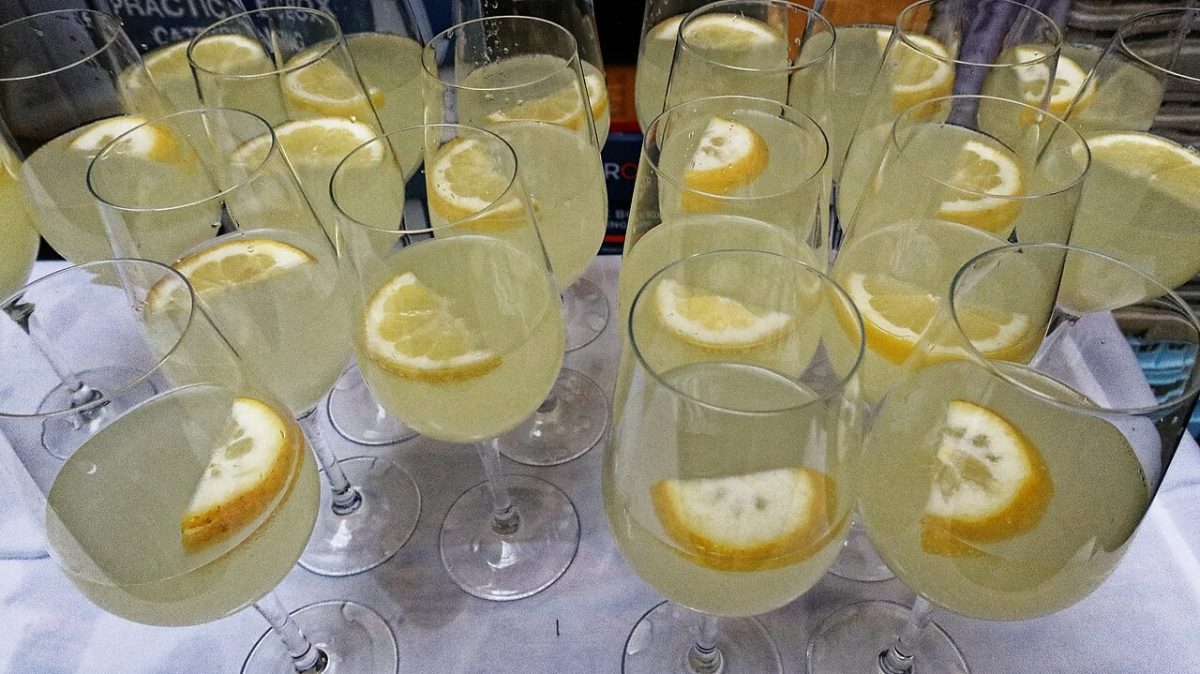
Neat from the freezer is the custom, but not the only route. With prosecco and a splash of soda water it becomes a limoncello spritz, a long drink for the terrace. If you don't want to open a whole bottle for that: there is also a ready-made limoncello spritz of six percent in the online shop, in a twenty-five centilitre bottle.
Limoncello works in the kitchen too. Over a scoop of lemon sorbet, through the cream of a tiramisu, or with a bowl of strawberries. We have listed separately which other liqueurs lend themselves to cakes and desserts.
That leaves the question of how long an opened bottle stays good. Alcohol preserves, and a liqueur from fifteen percent therefore does not need to carry a best-before date. In practice an opened bottle of limoncello lasts for months; what slowly fades is the fresh lemon aroma, not the safety. Keeping it in the freezer slows that down. For the crema variants something else applies: they contain cream, do carry a date and belong in the fridge after opening. The full story is in how long liqueur stays good.
Where to start
Four bottles from four different houses, each showing something different: an Italian classic from Sorrento, a Roman family house, a Dutch distiller who took matters into his own hands, and a crema to see the difference.
Keep browsing
The whole liqueur shelf holds 779 liqueurs from 270 brands. If you want to search in a targeted way, you can do so in the shop's search engine. Of the bottles above, Villa Massa also has its own page on the site, with the details.
Torn between two bottles? Then drop in at Brink 2 in Bathmen or call 0570 541 278. We will look at them together.