The short answer to this question is on the question page What is triple sec?. Below you will find the whole story behind it.
Four names, four bottles, all orange in flavour and all in the same corner of the shelf. We stock 25 orange liqueurs, from 14.9 percent to 40 percent alcohol, and the confusion about them is greater than about any other liqueur group.
What helps is knowing that only two of those four names say anything about the drink. The other two are brands. And none of the four is a legal category.
None of these names is in the European list
Regulation 2019/787 has forty-five categories of spirit drinks. Rum is in it, gin, sambuca, maraschino, even Berenburg. Curacao is not, and neither is triple sec.
All four fall under category 33, liqueur. That means: at least fifteen percent alcohol by volume and at least one hundred grams of sugar per litre, expressed as invert sugar. The law requires no more than that. Anyone who puts curaçao or triple sec on the label does so out of custom and not by prescription.
That is why you cannot draw any conclusion about quality or strength from those words. What you can read is always stated: the alcohol percentage and the name of the maker.
Curacao begins with an orange that failed
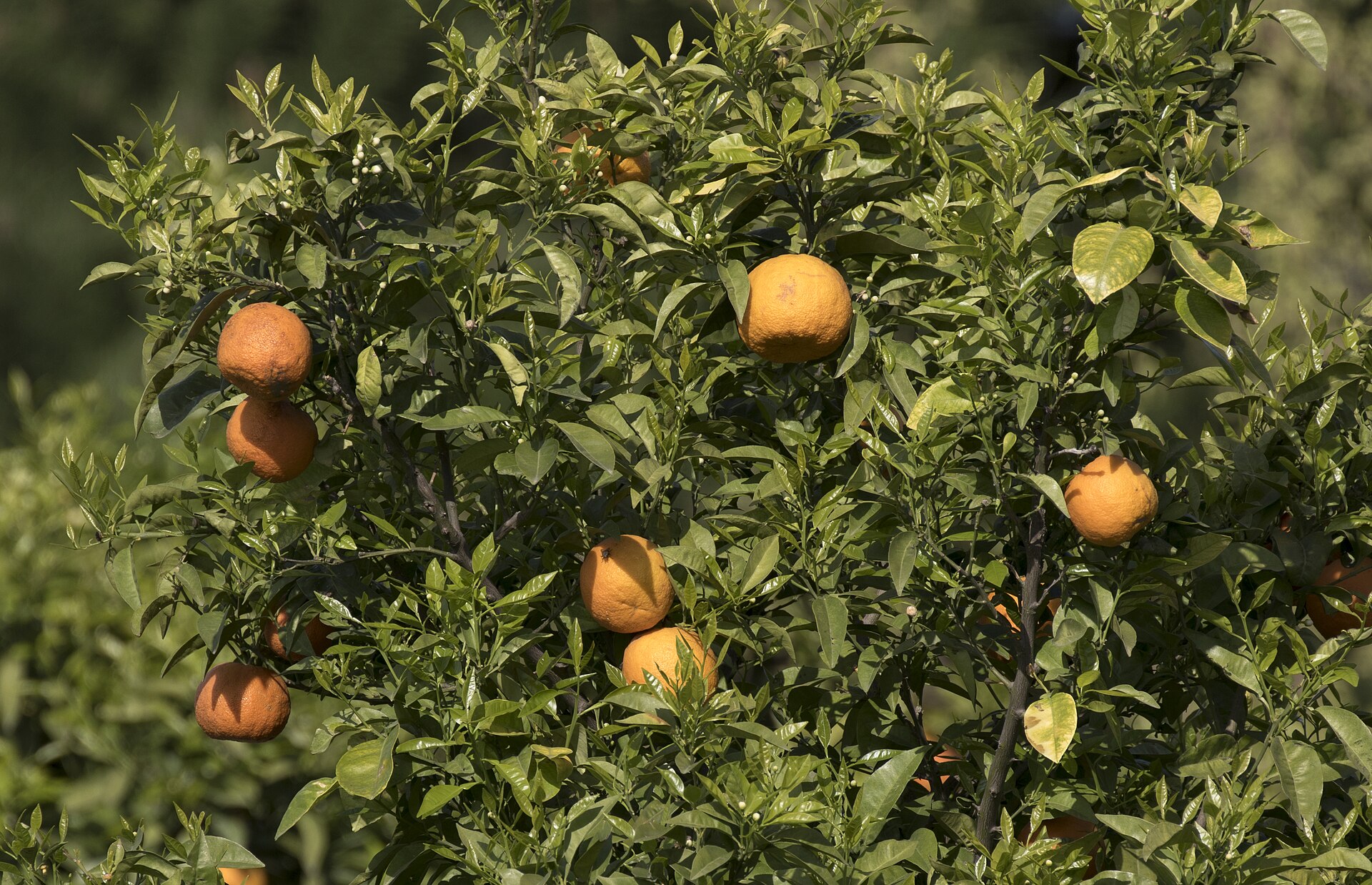
Curacao is the oldest of the four names, and the only one with a place in it. Spanish colonists planted sweet oranges on the island of Curacao. The dry climate and the sun were too much for the fruit, and what remained was a small bitter citrus that was barely edible.
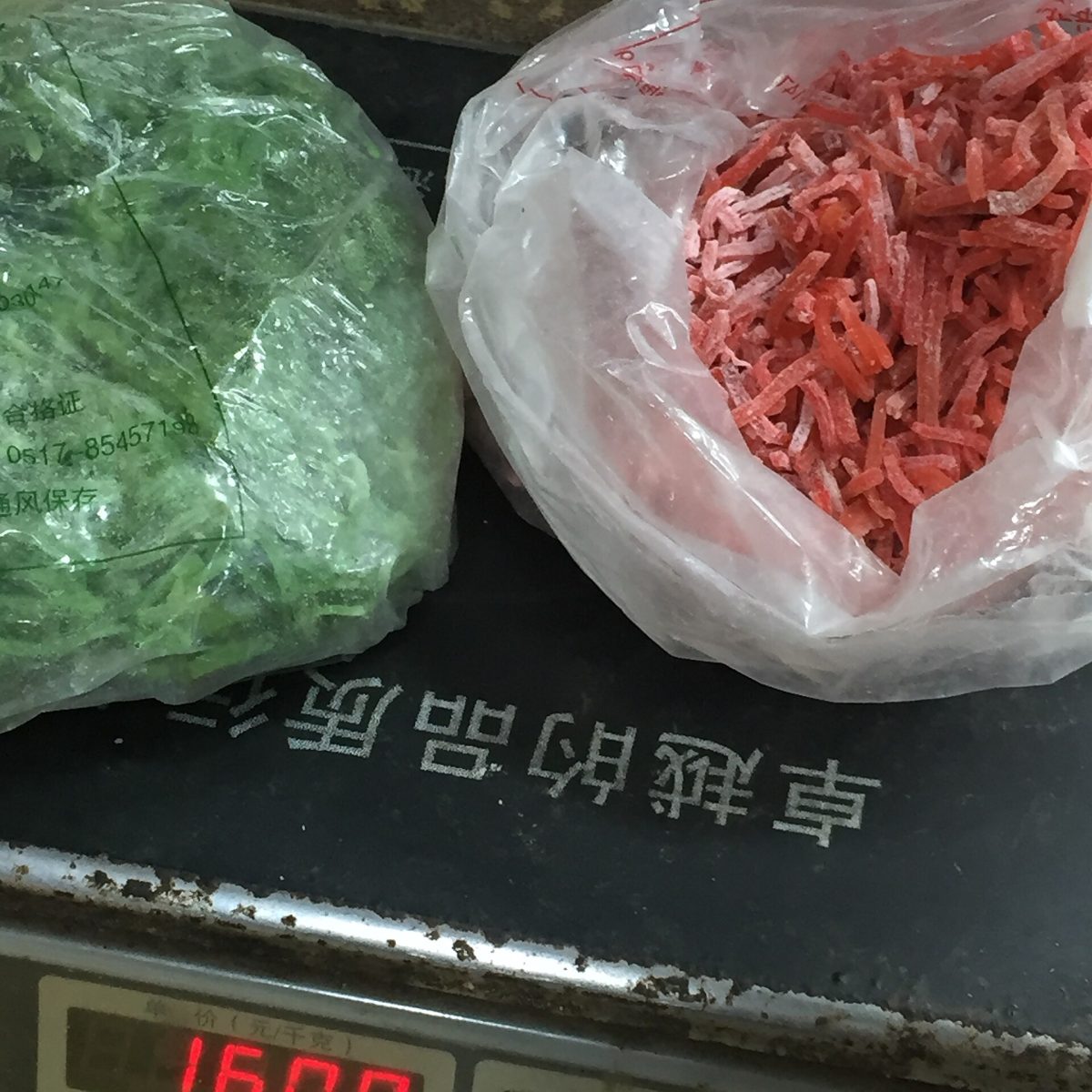
That fruit is now called laraha. The peel, thoroughly dried in the sun, turned out to contain a pronounced essential oil. Liqueur was steeped on it, and so arose a drink that to this day is made with dried bitter citrus peel.
Curaçao liqueur is colourless by itself. The blue version everyone knows owes its colour to an additive and not to the peel. We have three blue curaçaos, from 14.5 to 21 percent. The one with 14.5 percent is below the legal limit for liqueur and is therefore not a liqueur but a likorette.
Triple sec is a category name, not a quality mark
In practice, triple sec is the name for a colourless curacao liqueur. The production processes of the two have grown towards each other, and there is no longer any essential difference in raw material.
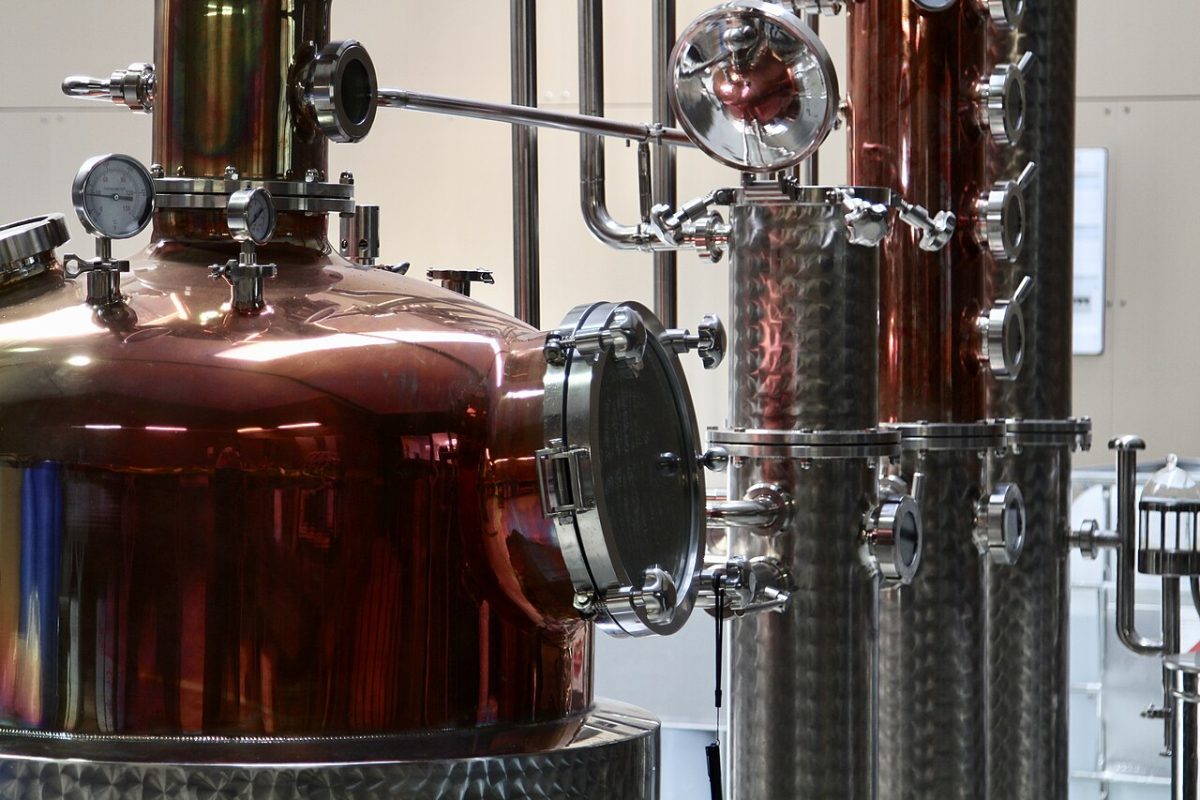
The name points to a triple distillation. Curaçao liqueur was originally distilled once, triple sec three times, and that gave a tighter and spicier result. But by no means every maker who puts triple sec on the bottle still distils three times. The term is not protected, so nobody stops that.
The four triple secs we have are at 35 to 40 percent. That is above average for the kind, and you notice it mainly in a cocktail: the higher the percentage, the sharper the orange comes through and the less sweet the drink feels.
Another misunderstanding that often comes up: that curaçao would only be blue and triple sec only colourless. In reality both are made in several colours, from colourless to orange, blue and green. The colour is added after the liqueur is finished and says nothing about the peel that went into it.
Cointreau is a brand, not a type
Cointreau is made in Saint-Barthelemy-d’Anjou near Angers, by the company that the Cointreau brothers started there in the nineteenth century. It is a triple sec, but from a single house.
The basis is the peel of sweet and bitter oranges. Only the peels are used: the fruit is picked unripe and peeled, the peel is dried in the sun and only steeped in alcohol in France. Cointreau is 40 percent, higher than most triple secs.
That the name is a brand and not a type can be seen from the variants. Besides the standard bottle, we also stock Cointreau Noir, which is a different product with a different composition. A recipe that calls for triple sec therefore does not automatically call for Cointreau, and vice versa.
Grand Marnier is based on cognac
Grand Marnier is the only one of the four where the difference lies not in the orange but in the alcohol beneath it. Where a triple sec is built on neutral alcohol, Grand Marnier uses cognac as its base.
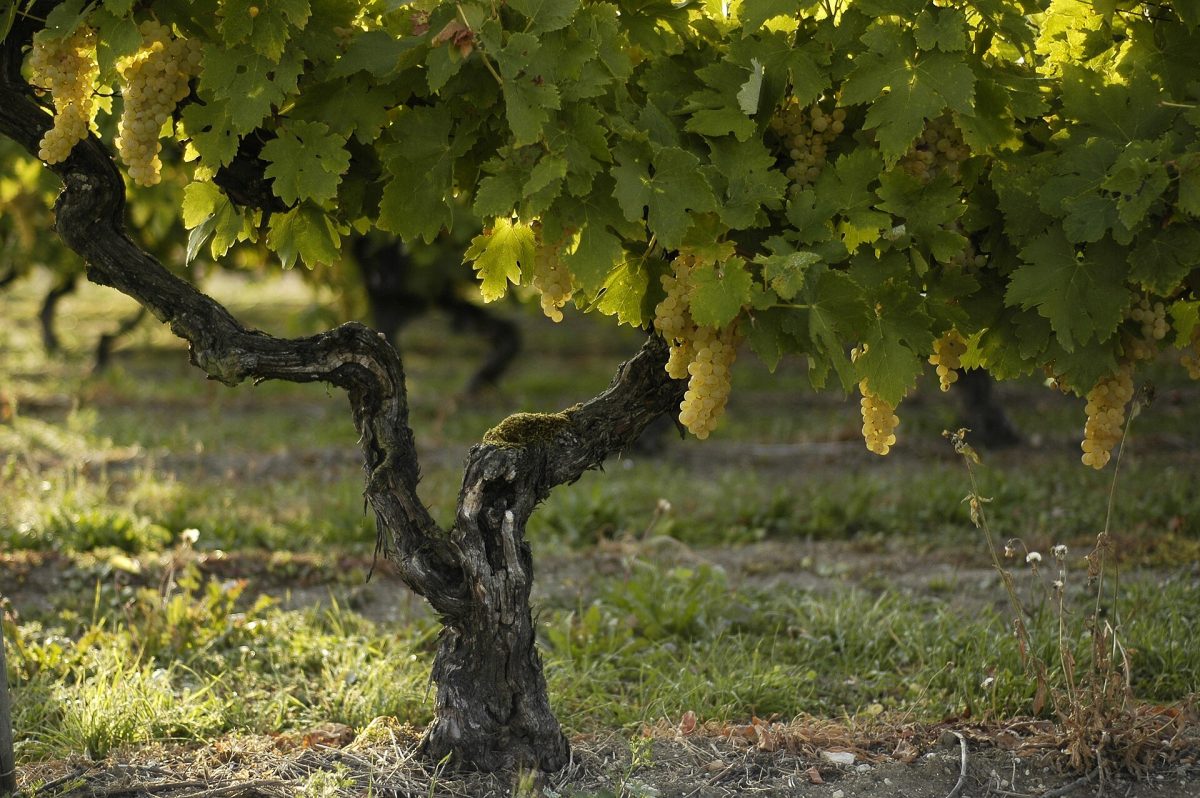
That changes the whole bottle. Cognac is distilled from white wine, for the vast majority from the ugni blanc grape, and matures in oak. That wood maturation brings tones that a neutral alcohol does not have. The orange sits on top of that instead of standing alone.
The house produces several versions. Cordon Rouge is the standard one, and alongside it we stock L’Alexandre and the Cuvee du Centenaire. All three are at 40 percent, but the cognac underneath differs per version.
What to look out for when choosing
For a cocktail, the alcohol percentage is the most useful number on the label. A recipe that is balanced for 40 percent falls apart with a 15 percent bottle, because you then get proportionally much more sugar and much more water in your glass.
If you also want to drink the bottle neat or pour it over something, the distinction is what matters. A cognac-based liqueur drinks differently from a liqueur based on neutral alcohol, and this is usually simply stated on the label.
And pay attention to the colour. Blue, orange or green says nothing about the taste, only about what has been added.
Where to start
The 25 orange liqueurs we stock come from the Netherlands, France, Italy, Ireland and Scotland. They include classic triple secs, two arancellos from the Achterhoek, an orange bitter and the four names discussed above. Drop by in Bathmen or call 0570 541 278 if you would like to know which one suits your recipe.
Keep browsing
All bottles are together on our liqueur page. By producer you will find what we stock: Cointreau, Grand Marnier, Bols, De Kuyper and Zuidam. You can also search yourself with the search engine across our range.
On the fifteen percent threshold mentioned above we wrote Liqueur or likorette: what the difference is and why it is on the label.
Ready-made is also possible: what is in a bottle of ready-made cocktail.