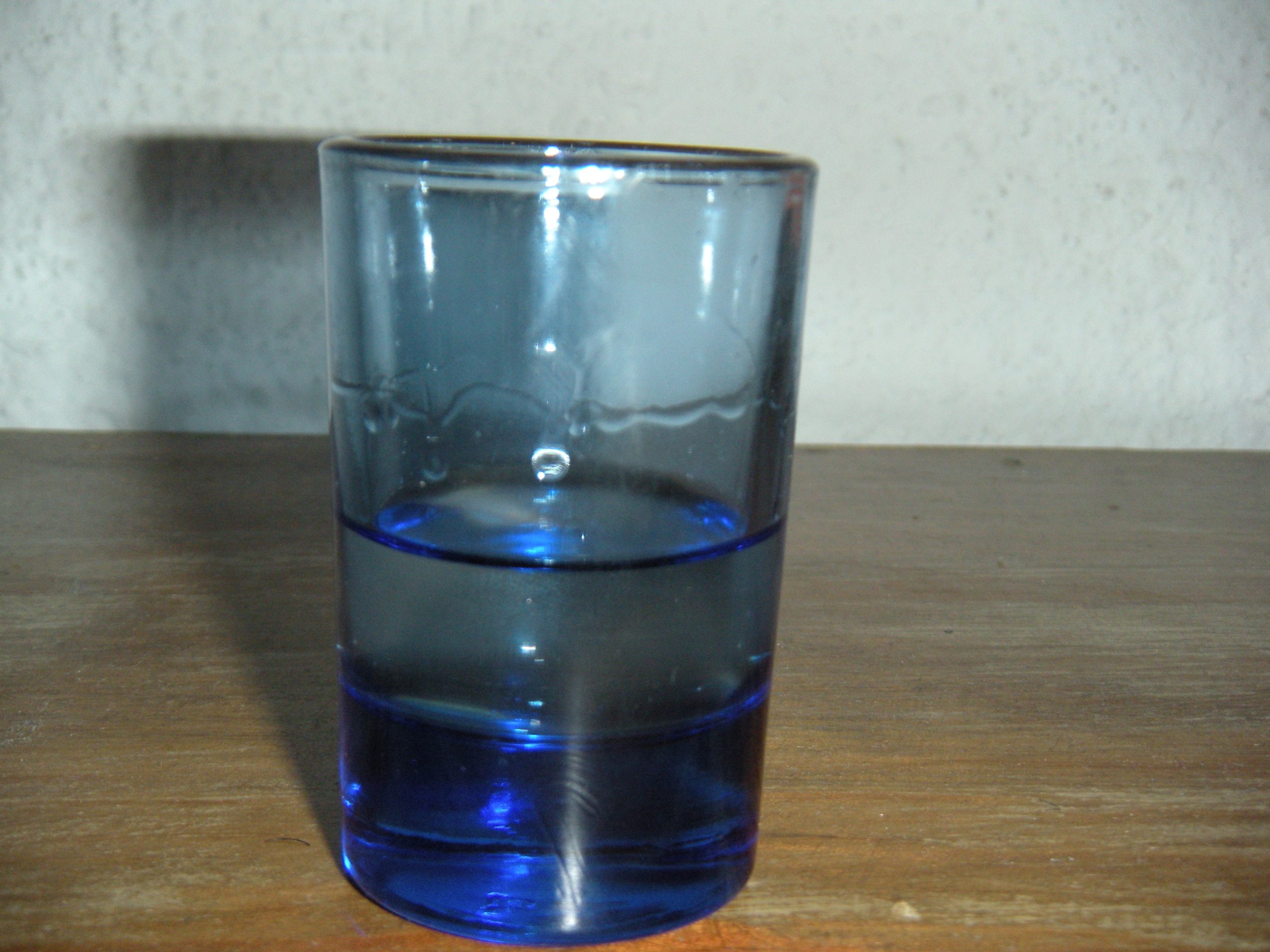
On the shelf in Bathmen there are thirty-eight items with the word shot in their name, from twenty-two different brands. Line up the single-serving packs and you read 20 ml on one box and 2 cl on another. That looks like two different measures. It is one.
That is where the confusion about how many millilitres a shot is begins. There is the measure the manufacturer pours into the bottle, there is the unit in which they write it down, and there is the measure that fits in your glass. Those three rarely coincide, and on our own shelf you can see exactly where they diverge.
The short answer: 2 centilitres in the bottle
Of the thirty-eight shot items, fourteen are packed per serving. Twelve of these are 2 centilitres per bottle, or 20 millilitres. Two are 3 centilitres. The rest simply come in a bottle, usually of 70 centilitres, from which you pour yourself.
So if you want a number: 2 centilitres is by far the most common content of a shot bottle on our shelf. But that is the answer to the question of what is in the bottle, not how much goes in a glass. Those are two different things, and the difference is bigger than you might think.
Twelve bottles, one size, two spellings
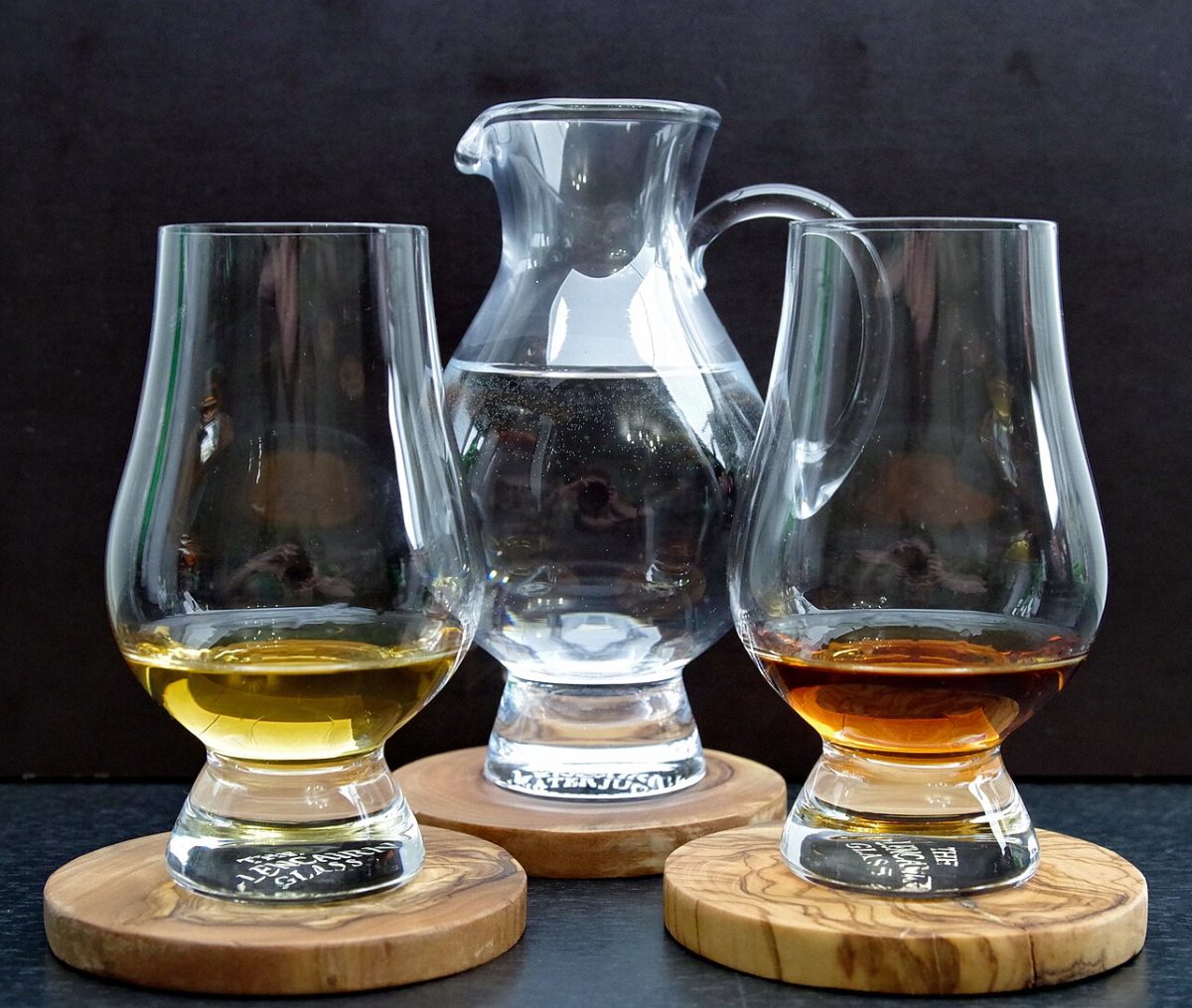
This is the nicest thing we came across in our own figures. Of those twelve 2-centilitre bottles, four put the contents in millilitres in the name and one in centilitres. The German El Chapo is listed as 16x20ml. The Dutch Nozem Oil is listed as 10x2cl. The same contents per bottle, a different notation.
Anyone who sees the two side by side in the online shop could easily think one is bigger than the other. It is not. Ten centilitres is a hundred millilitres, so 2 cl is always 20 ml. The difference lies in the manufacturer's habit, not in the bottle.
That is straight away the honest half of the answer to the question of why a shot differs by country. For the most part it does not. What differs is how it is written on the label.
The Finnish exception
There is one real exception, and it comes from Finland. The Salmari liquorice liqueur comes in 3-centilitre bottles, sold individually and also by the box of twenty-four. That is half as much again as the 2 centilitres the rest are at.
Beyond that, the origin breaks down as follows: twenty-three of the thirty-eight shot items come from the Netherlands, eight from Germany, four from England, two from Finland and one from Scotland. The Dutch and German bottles are all 2 centilitres. What comes from England and Scotland is, with us, not a small bottle but a 70-centilitre bottle, such as the Sourz.
Why Finland uses 3 centilitres and its neighbours 2, we cannot tell from our shelf, and we are not going to invent an explanation. What we can show is that the measure travels with the country of origin.
The glass sets the measure, not the bottle
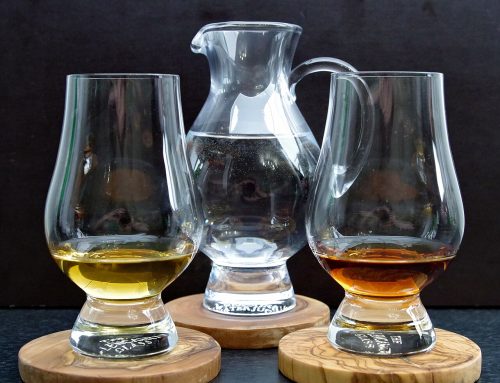
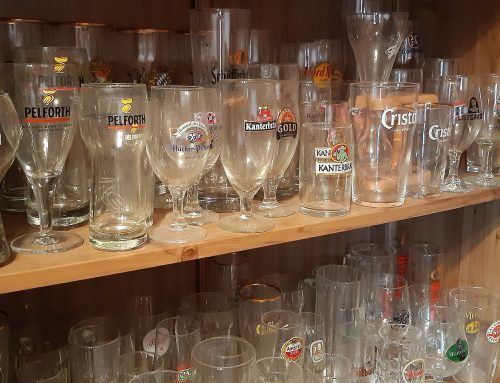
As soon as you pour from an ordinary bottle, the packaging no longer matters. Then the glass determines how much goes in. We carry over two hundred glasses, and among them are three spirit and shot glasses: the Mammoet Boston shot glass, the Intermezzo spirit glass and the GILDE spirit glass.
Of those three, only the Boston shot glass has its capacity in the name: 3.4 centilitres. The two spirit glasses do not. And that is the crux of the question. That shot glass is more than one and a half times the size of the 2-centilitre bottle lying next to it on the shelf. Fill the glass to the brim and you pour seventy percent more than the manufacturer intended per serving.
How many shots go into a bottle
This is the calculation that usually comes up at the counter, usually a few days before a birthday. A 70-centilitre bottle is by far the most common size in our range: 5,141 of the 8,602 items with a stated volume are 70 cl.
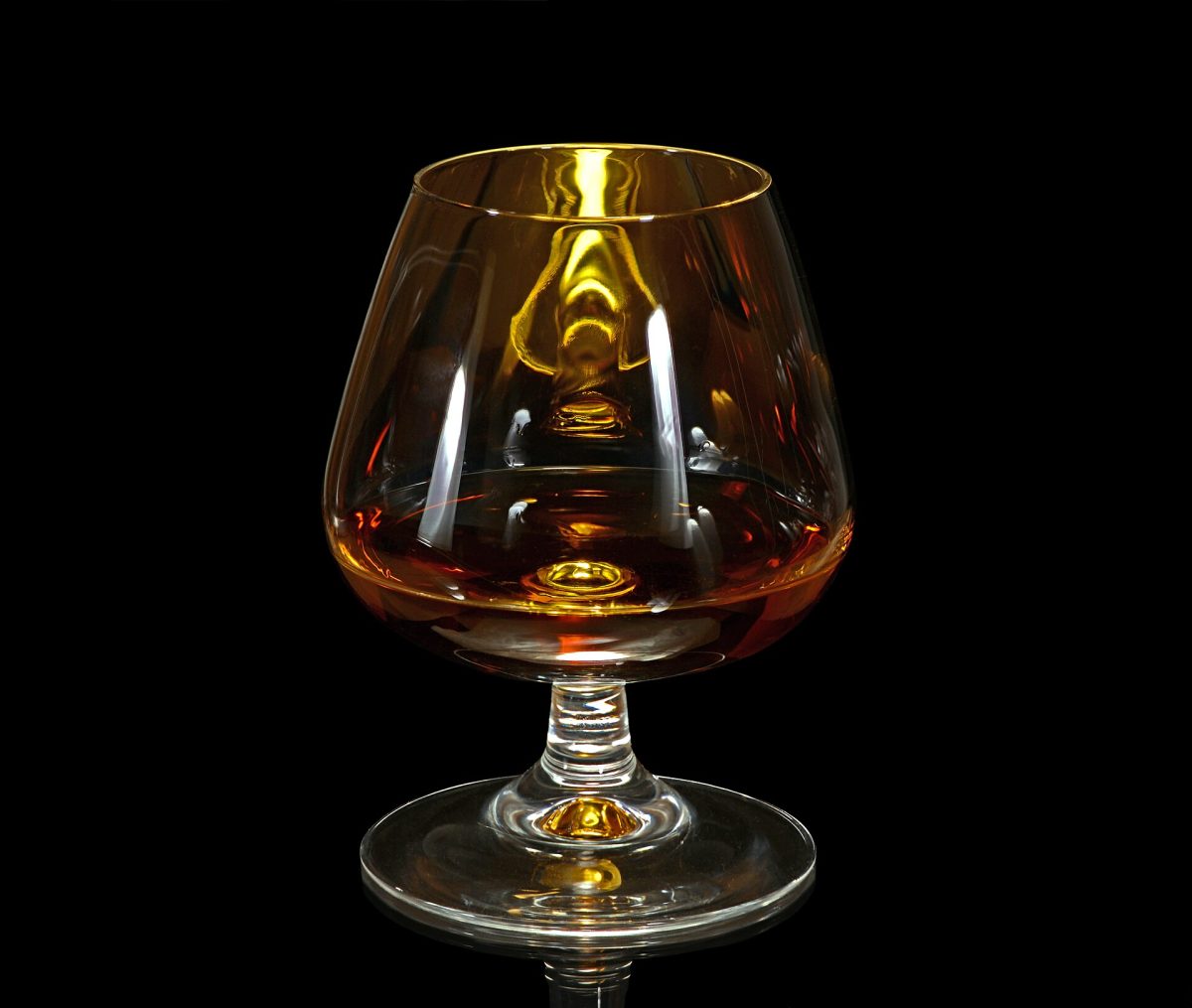
Fill the Boston shot glass of 3.4 centilitres from it and you get about twenty glasses per bottle. Pour at 2 centilitres, the size of the ready-made bottles, and you get thirty-five out of the same bottle. That difference of fifteen glasses per bottle is why the question of how many ml a shot is, for anyone buying for a group, is anything but theoretical.
What the label doesn't say
Almost every bottle states the total contents, but not the serving. With a box of ten bottles that is not a problem. With a 70-centilitre bottle, nowhere does it say how big a shot should be, and that makes sense, because that is decided by whoever is pouring.
Nor does it say how much the strength per shot varies. Among our thirty-eight shot items, the alcohol percentage ranges from 10 to 40 percent. Two bottles of exactly the same size can therefore turn out very differently. That percentage is shown for each item in the online shop, and in this category it is more than worth checking.
Where to start
If you want to see for yourself what is available, the shots are together on one page, with a separate overview for each brand. The glasses are listed separately, including the three spirit and shot glasses. If you want to search the whole range by brand or country, use the wine and spirits shop's search engine. The Boston shot glass itself is View the bottle.
Read more
With us, shots come under liqueurs, of which we have six hundred and ninety-six in stock. If you would rather go the Dutch way, jenever is the starting point: one hundred and eighty-eight bottles, and the spirit glass that stands next to them in the shop. If you prefer to drop in, you will find us in Bathmen on the Brink.