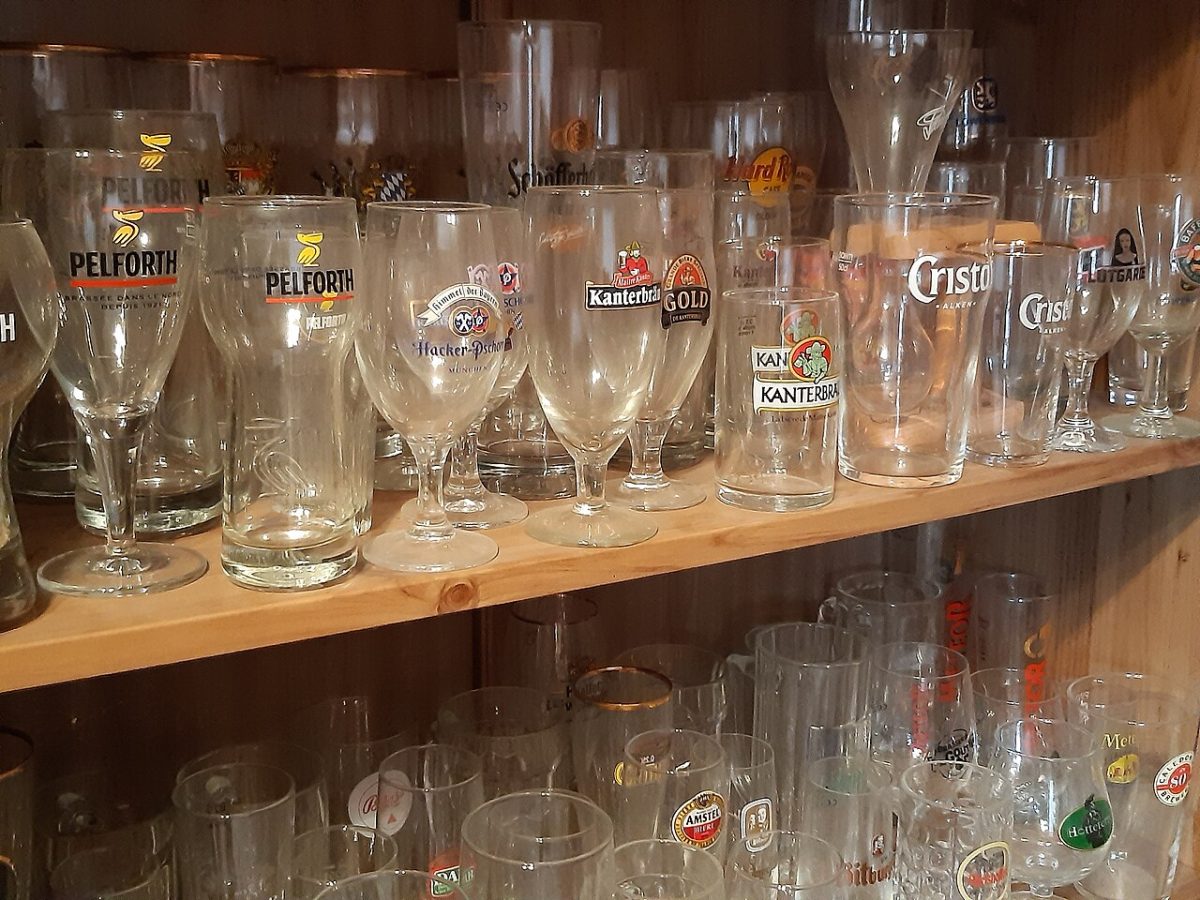
Alongside the 892 beers on the shelf in Bathmen, we have 197 different beer glasses. That sounds like a lot of fuss over an empty piece of glass, and yet people come by specially for them. Usually with the same question: which glass goes with this one?
The short answer is that the shape of a glass controls two things: how much foam stays and how much aroma reaches you. The long answer starts with the Dutch sizes, because they are like nowhere else.
Fluitje, vaasje and amsterdammertje
In Dutch bars and restaurants pils comes in three standard sizes, and all three have been given their own name.
The fluitje is the smallest: a narrow, tall glass of around 15 to 20 centilitres. Narrow and tall is exactly the point. Little beer is in contact with the air, so it stays cold and the carbonation stays in the beer longer. A fluitje is meant to be drunk briskly, not lingered over.
The vaasje is the standard size, usually around 25 centilitres, with a tapered shape that widens slightly towards the top. If you ask for a beer in a café without naming a size, this is what you get.
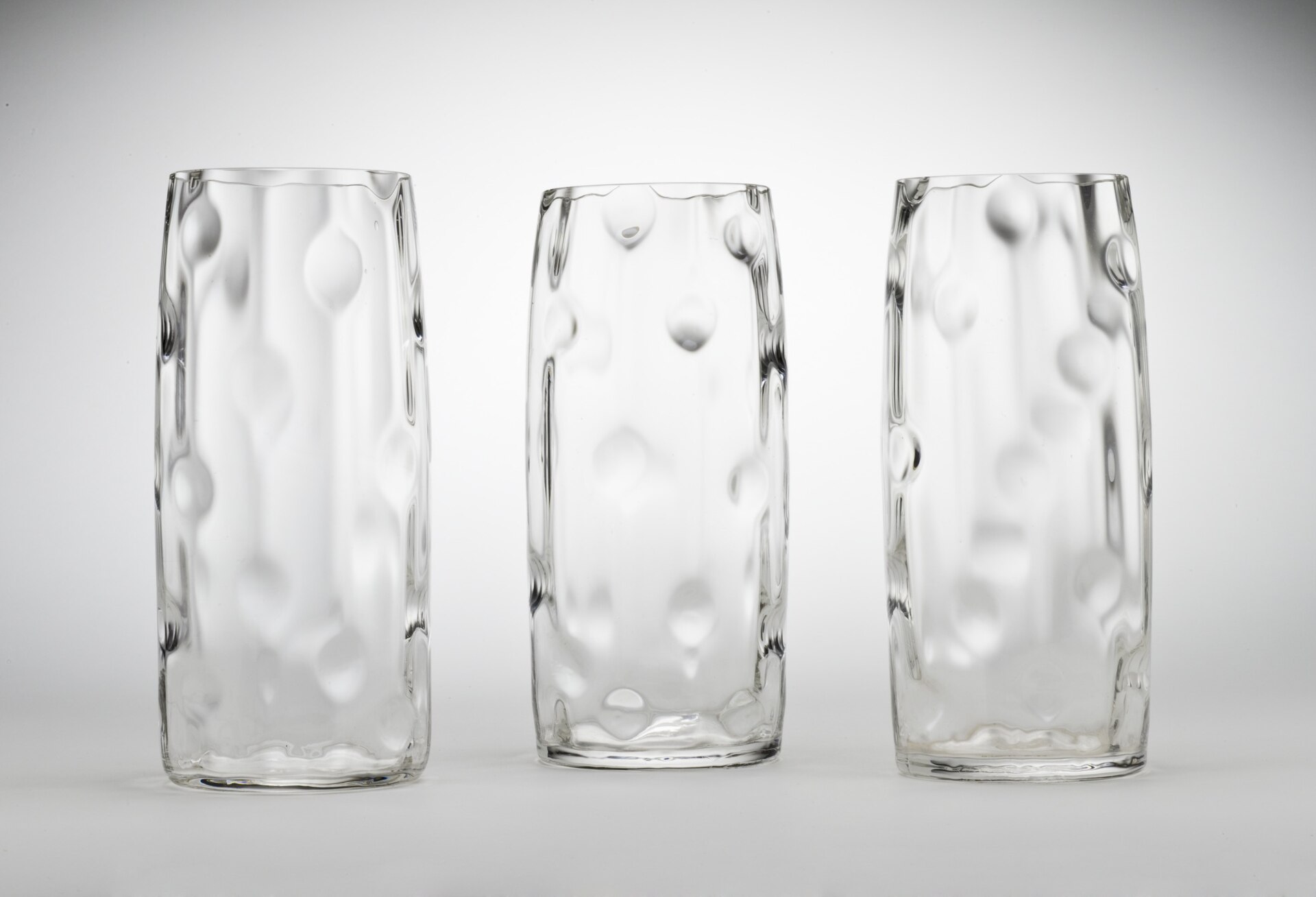
The amsterdammertje sits in between and is recognisable by its shape: straight, with a slight kink or ridge in the glass. In Amsterdam it was long the standard size, hence the name. Above that comes the half litre, in the west of the country also called a bierpul or simply a halfje.
Important with all these sizes: the line on the glass marks the volume without foam. What sits above it is the head, and that belongs there.
Why the shape controls the foam
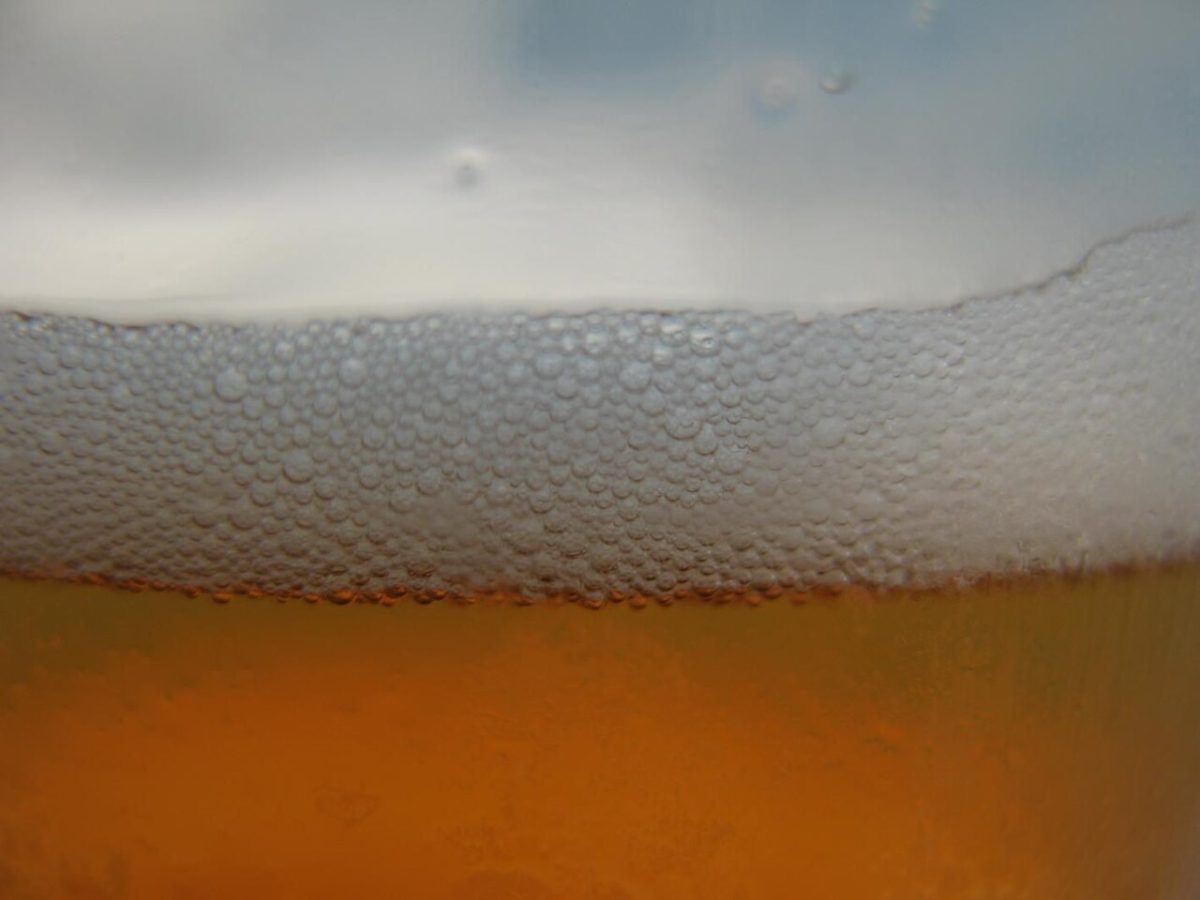
Foam is not just for show. The head seals the beer off from the air, holds the aroma and makes sure the carbonation does not escape all at once. If the foam disappears within a minute, you are drinking a flatter beer.
The shape of the glass determines how long that head lasts. A glass that narrows towards the top, like a tulip, pushes the foam to the centre and holds it together. A glass that widens towards the top lets the head sag. In addition, almost every good beer glass has a rough spot or an engraved motif at the bottom. That is not decoration: on such an irregularity new bubbles of carbon dioxide constantly form, rising up and topping up the foam.
Another reason the glass matters: grease is the enemy of foam. A glass with a film of grease, even one you cannot see, breaks down the head as soon as the beer is in it.
Tulip and chalice: why a tripel does not belong in a fluitje
With a pils of around 5 per cent it is all about fresh and cold. With a tripel, a dubbel or a quadrupel it is about something else: those beers carry much more aroma, and aroma needs room to gather.
Two shapes are used for this. The tulip glass stands on a foot, bulges in the middle and narrows again at the top. In that bulge the aroma has room, and the narrow rim channels it towards your nose. The chalice or goblet is wider and more open, and is mainly used for abbey and Trappist beers. There the head itself is part of the picture: broad and thick, with the aroma coming through it slowly.
Pour a tripel into a fluitje and two things happen. The aroma escapes past the rim before you smell it, and so little fits in that you have to top up four times. That makes a difference to the taste, even though there is nothing wrong with the beer.
Witbier gets a shape of its own: a straight, thick-walled glass that widens towards the top, leaving room for the generous head witbier produces.
The bulbous weizen glass, and the stein
The weizen glass is the odd one out: a tall, slender half-litre glass that ends in a bulb at the top. There is a reason for that. Weizen beer contains a lot of carbonation and yeast, and so produces an enormous head. The bulb catches that foam without it running over the rim, and the tall, narrow lower part lets you see the haze.
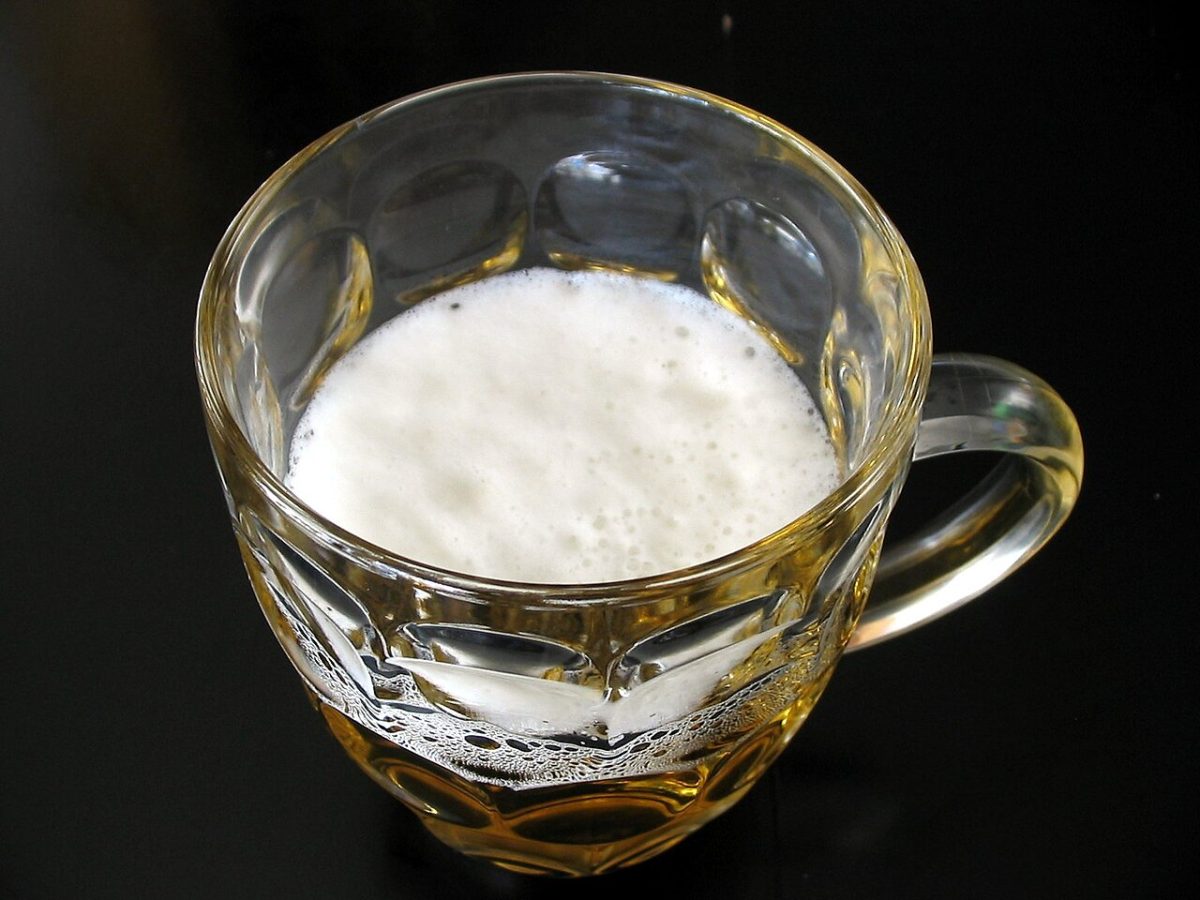
The stein is the opposite of all that ingenuity: thick glass, a handle, and nothing more. That handle is not old-fashioned but functional. Your hand holds the glass without warming the beer, and thick glass insulates. For a pils you drink at leisure that is pleasant; for an aromatic beer a stein is unsuitable, because the wide opening lets everything escape.
How to look after the glass
A good glass treated the wrong way does nothing. Three points that make the most difference.
Wash beer glasses separately from greasy dishes and use little washing-up liquid. Rinse well, because soap residue breaks down the head. Then leave the glass to drain upside down on a rack instead of drying it with a tea towel, because a tea towel leaves fibres and grease behind.
Do not pour into an ice-cold, bone-dry glass but into one you have first rinsed with cold water. And tilt when pouring: first at an angle, then upright, so that you control the head yourself instead of letting it happen.
Where to start
You do not need a cupboard full of glasses. Three types will get you a long way: a vaasje or amsterdammertje for pils, a tulip or chalice for the heavier Belgians, and a weizen glass if you drink witbier and weizen. A stein is nice but not a must.
Of the 197 beer glasses we carry, most are brewery glasses: made for one beer, with the size and shape the brewer devised for it. Not sure what goes with your beer? Drop by or call 0570 541 278.
Read more
All the glasses we carry are together on the glasses page. You will find the beer itself on the beer page, and by brewery on beer brands. Houses that make their own glass include Grolsch, La Trappe and Texels.
Not sure which beer you want in that glass? Read beer styles at a glance: from tripel to stout. And about what you get back on the other side, we wrote the deposit on a crate of beer. To search further yourself, try our entire beer range.